IntermediateAggressiveNot Reef Safe
Barred Thicklip Wrasse
Hemigymnus fasciatus
Family: Labridae · Wrasses
Also known as: Barred Thicklip, Banded Thicklip Wrasse, Fiveband Wrasse
(c) uwkwaj, some rights reserved (CC BY-NC)
Max Size
20"
Min Tank
180 gal
Lifespan
8-12 years
Origin
Indo-Pacific, Red Sea
Diet
Carnivore
Swims
Middle
About
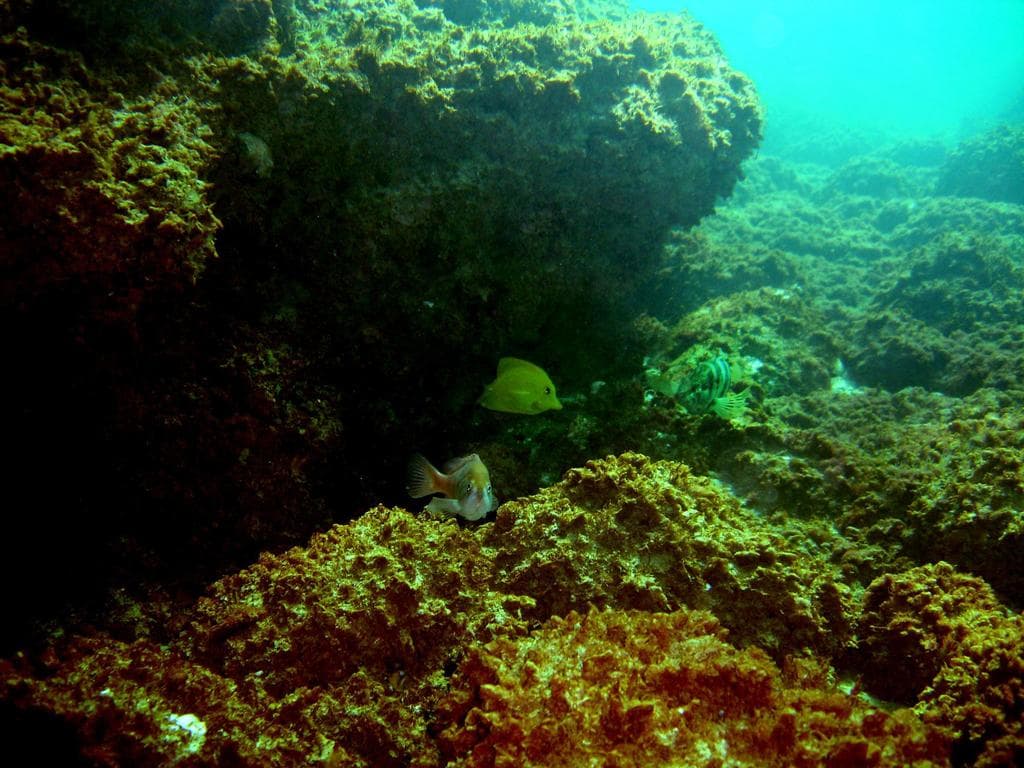
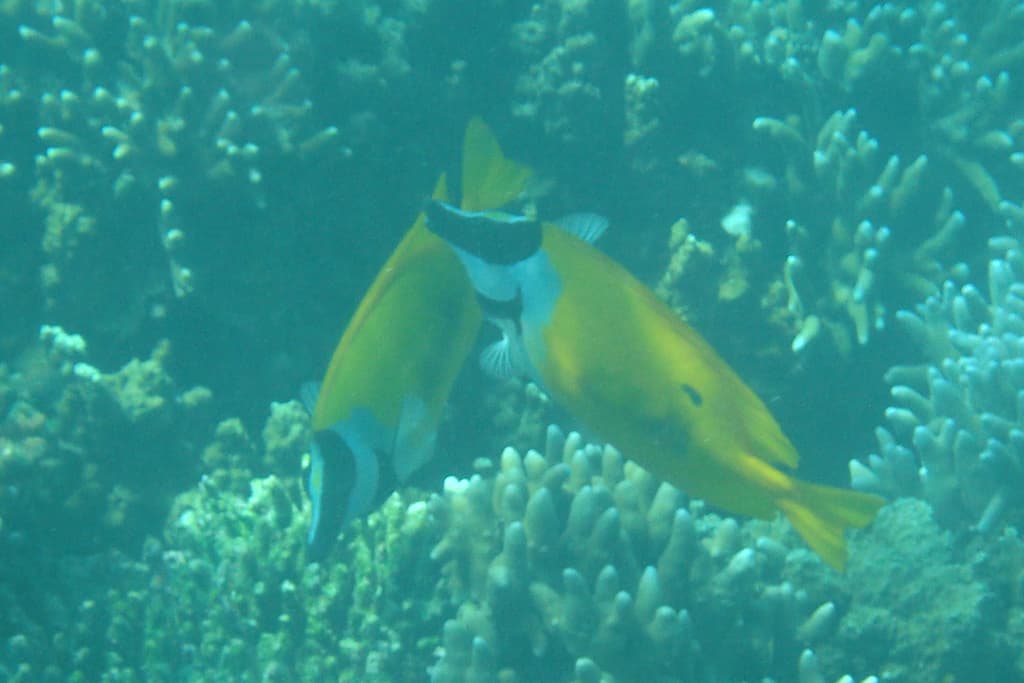
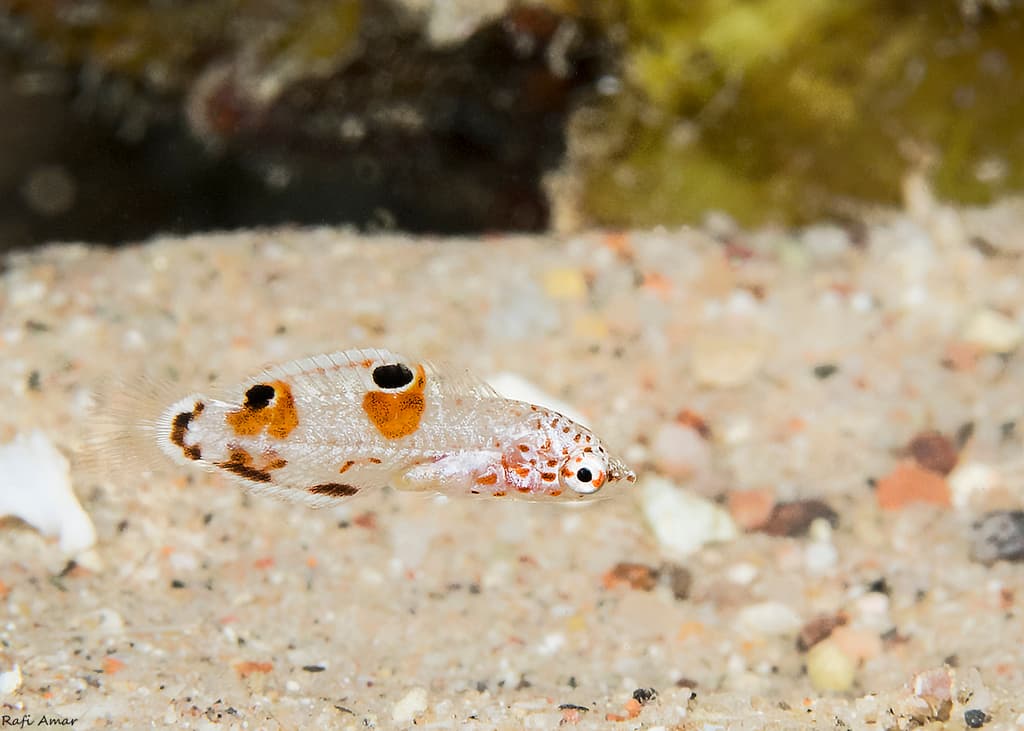
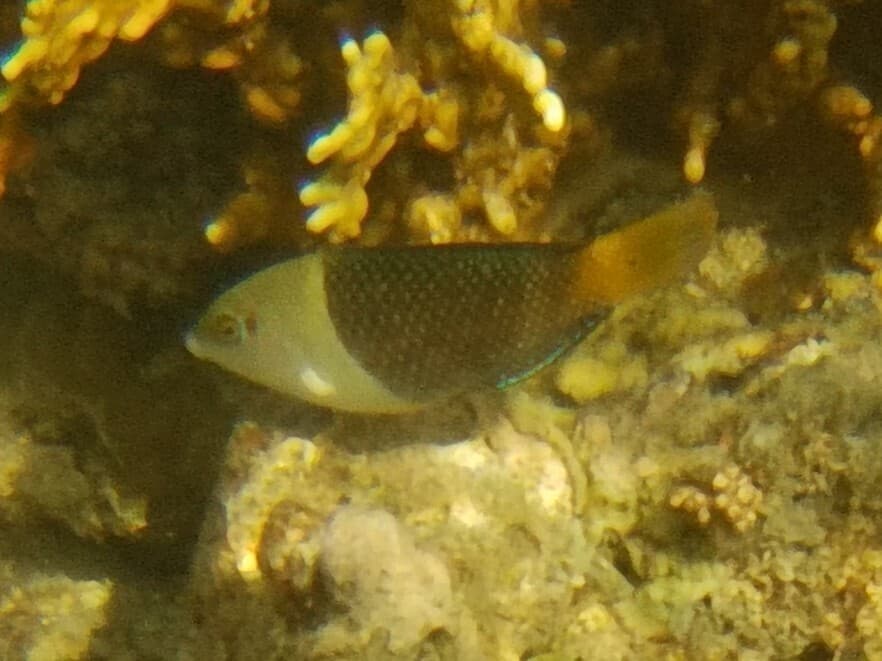
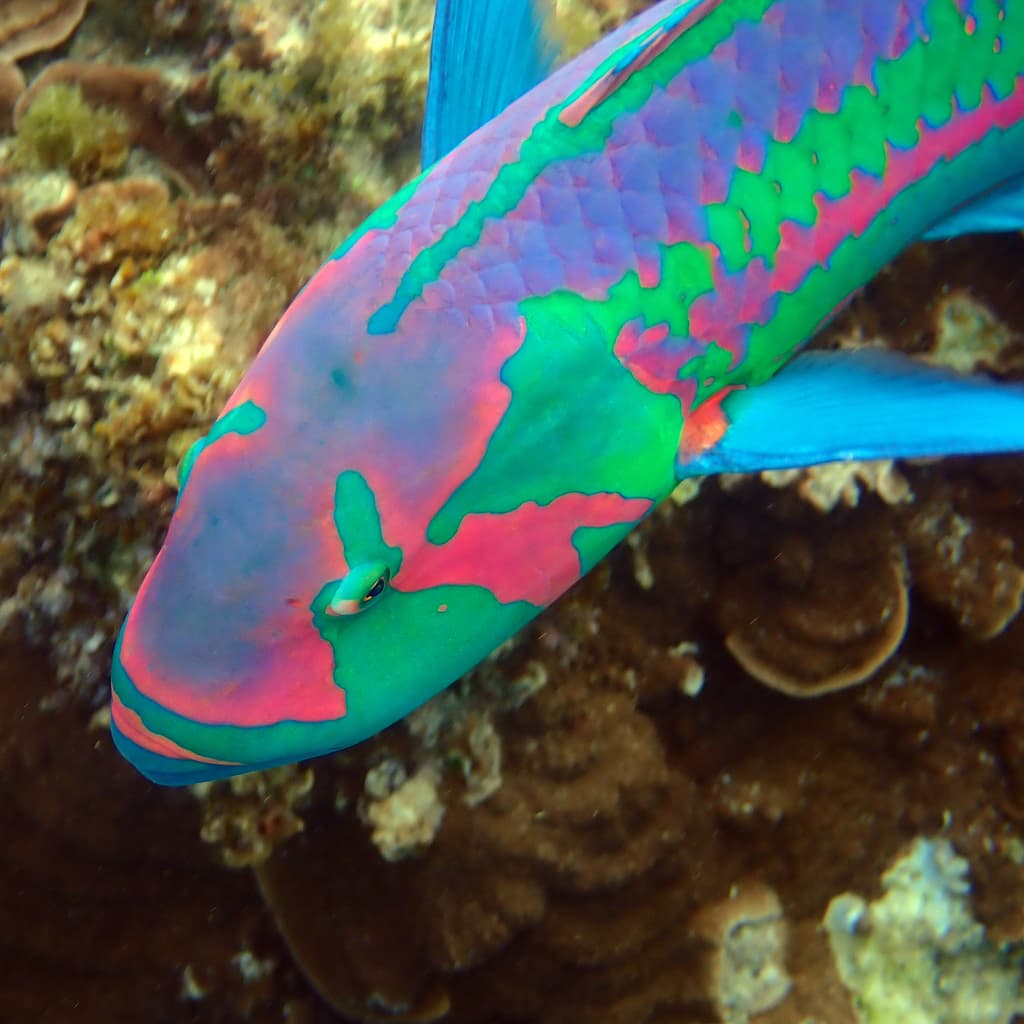
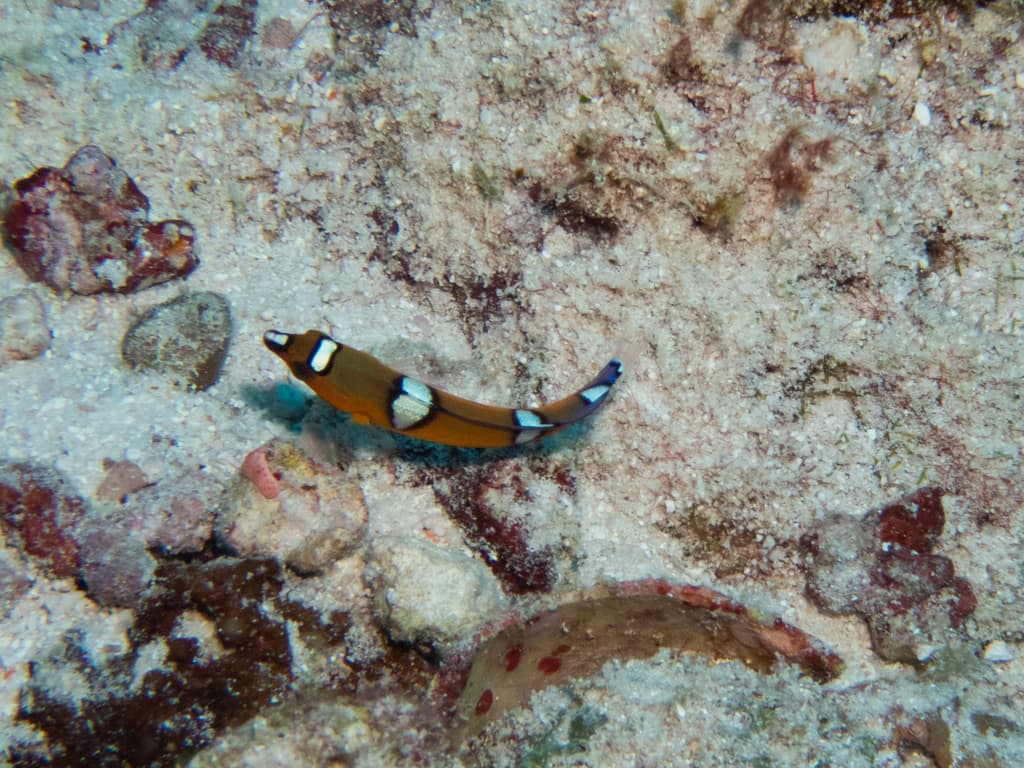
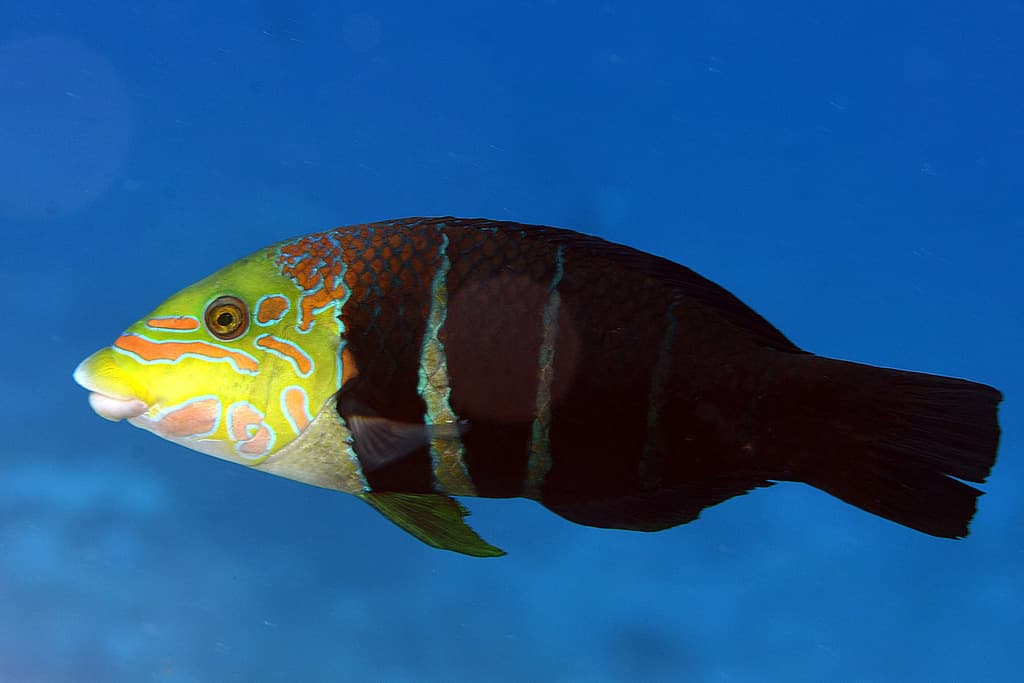
The Barred Thicklip Wrasse is a large and imposing wrasse species that can reach up to 20 inches in captivity. It is easily recognized by its distinctive thick, fleshy lips and bold dark vertical bars across a lighter body. Juveniles display a more pronounced barred pattern with black and white coloration, while adults develop more subdued tones with greenish-brown hues.
This is an aggressive species that is best suited to large fish-only aquariums with other robust, similarly sized tankmates. The Barred Thicklip is a powerful invertebrate predator that will make short work of any ornamental shrimp, crabs, snails, or other invertebrates in the aquarium. Its thick lips are adapted for extracting prey from crevices in the reef.
Despite its aggressive nature, the Barred Thicklip Wrasse is a hardy and adaptable species that adjusts well to aquarium life. It is a bold feeder that readily accepts a variety of meaty foods. A deep sand bed is necessary for sleeping, and a very secure lid is essential as this powerful fish can easily jump from open-top aquariums.
Feeding & Diet
Carnivore
The Barred Thicklip Wrasse is a powerful carnivore that feeds on crustaceans, mollusks, sea urchins, and other invertebrates. In captivity, offer large pieces of frozen shrimp, squid, clam, mussel, and other meaty seafood. High-quality marine pellets are also accepted. This species will consume all ornamental invertebrates. Feed two to three times daily.
Compatibility
fish-onlyaggressivelarge-speciesinvertebrate-eaterpredator-tank
The Barred Thicklip Wrasse is aggressive and should only be kept with other large, aggressive or semi-aggressive fish. It will eat all ornamental invertebrates and is absolutely not suitable for reef aquariums. It will bully and may injure smaller or timid species. Best suited to large, predator-style fish-only aquariums. Only one per tank.
Check CompatibilityBreeding
Not bred in captivity
Barred Thicklip Wrasses are protogynous hermaphrodites. Captive breeding has not been achieved due to the large size and aggressive nature. All specimens in the trade are wild-caught.
Special Requirements
- Very large aquarium required due to adult size
- Deep sand bed of 3+ inches for sleeping
- Very secure lid essential - powerful jumper
- Will eat all ornamental invertebrates
- Strong filtration needed for heavy bioload
- Keep with other large, robust tankmates only
Water Parameters
Temperature74–80°F
Specific Gravity1.02–1.026 sg
pH8.1–8.4
Alkalinity8–12 dKH
Coloration
browngreenblackwhite
Tags
fish-onlyaggressivelarge-speciesinvertebrate-eaterpredator-tank