IntermediateSemi-AggressiveReef SafeIUCN: Least Concern
Blue Tang
Paracanthurus hepatus
Family: Acanthuridae · Tangs & Surgeonfish
Also known as: Regal Tang, Palette Surgeonfish, Hippo Tang, Pacific Blue Tang, Dory Fish
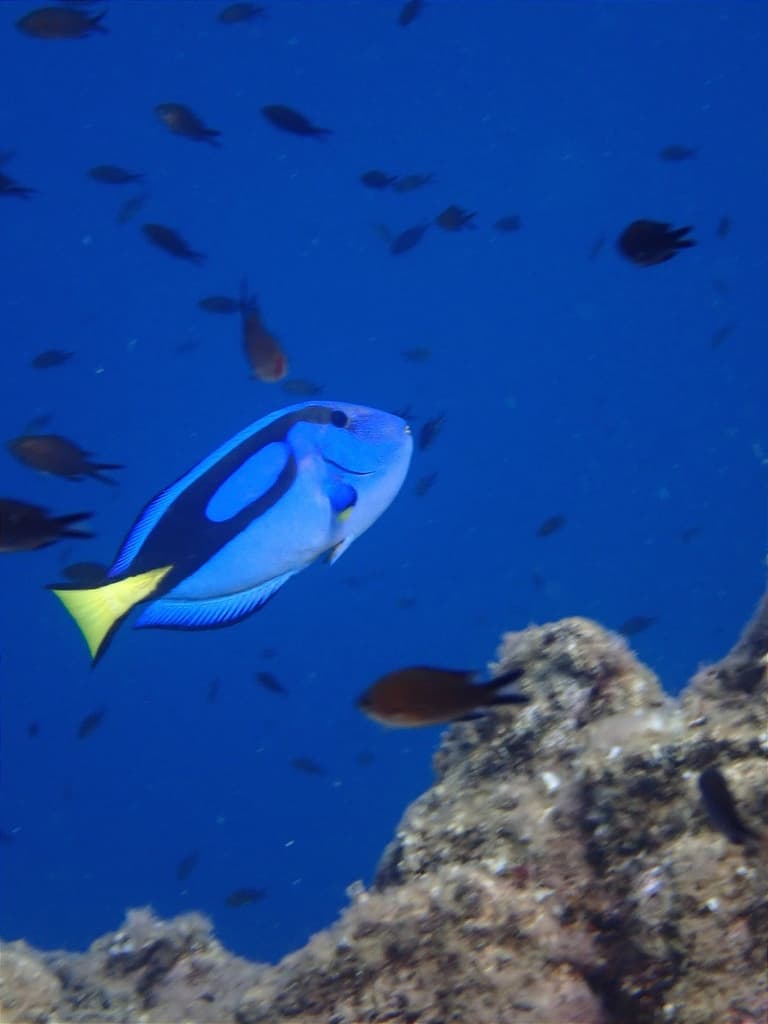
(c) Mélina, some rights reserved (CC BY-NC)
Max Size
12"
Min Tank
180 gal
Lifespan
8-20 years
Origin
Indo-Pacific, East Africa
Diet
Herbivore
Swims
All
Did You Know?
- The Blue Tang was popularized by the 2016 Pixar sequel Finding Dory, leading to concerns about overcollection from wild reefs
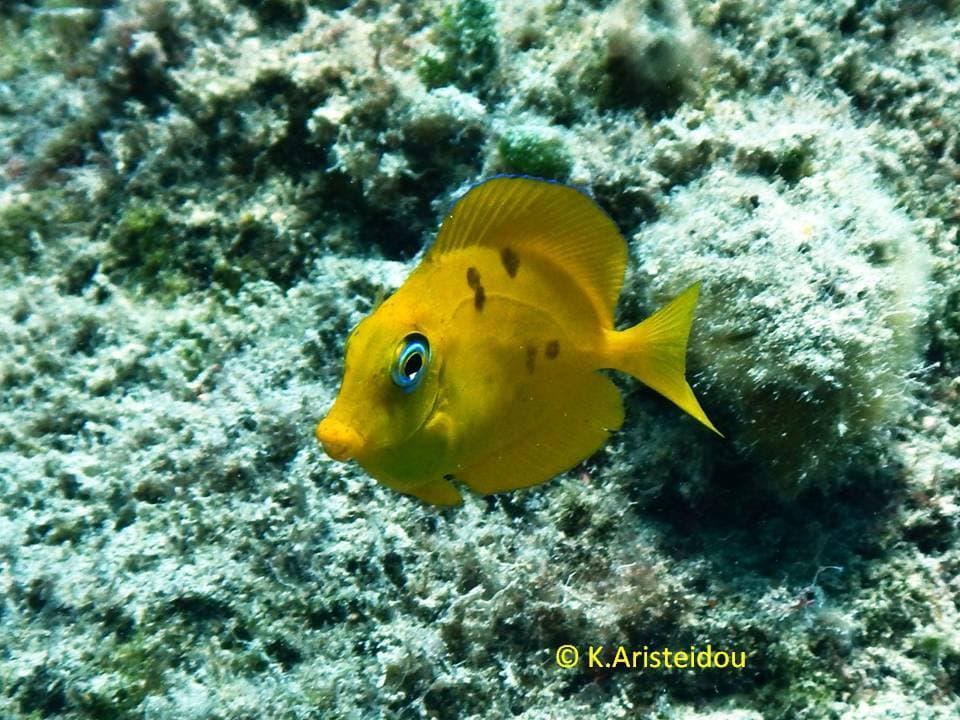
- Juvenile Blue Tangs are bright yellow with blue spots and gradually develop their iconic blue coloration as they mature
- Blue Tangs can 'play dead' by lying on their side — this is actually a stress response and not cause for alarm if brief
About
The Blue Tang, also known as the Regal Tang or Hippo Tang, is one of the most visually striking marine fish available to aquarists. Its vivid royal blue body, accented by a bold black palette-shaped marking and a bright yellow tail, makes it unmistakable. This species is the sole member of the genus Paracanthurus and is found across a wide swath of the Indo-Pacific, from East Africa to the Line Islands, inhabiting coral-rich areas of outer reef slopes and lagoons at depths of 2 to 40 meters.
Blue Tangs are active, open-water swimmers that require substantially large aquariums to thrive. Juveniles may be small and tempting for nano reef keepers, but they grow rapidly and can reach up to 12 inches in length. A minimum tank size of 125 gallons is recommended for a single adult specimen, with larger systems preferred. This species is notably susceptible to marine ich (Cryptocaryon irritans) and marine velvet (Amyloodinium ocellatum), making a proper quarantine period essential before introduction to a display tank.
Despite their popularity, Blue Tangs require intermediate-level care due to their space requirements, disease susceptibility, and dietary needs. They are primarily herbivorous in the wild, grazing on algae growing on reef surfaces. In captivity, they should be offered a diet rich in marine algae and vegetable matter to prevent nutritional deficiencies and Head and Lateral Line Erosion (HLLE). When well cared for, Blue Tangs develop bold, interactive personalities and will often become the most charismatic fish in the aquarium, eagerly greeting their owner at feeding time.
Feeding & Diet
Herbivore
Primarily herbivorous, Blue Tangs require daily offerings of marine seaweed (nori) on a veggie clip. Supplement with Spirulina-based pellets or flakes, frozen herbivore preparations, and occasional meaty foods like mysis shrimp and enriched brine shrimp. Multiple small feedings throughout the day are preferable to a single large feeding. A varied, algae-rich diet helps prevent HLLE.
Compatibility
reef-safealgae-grazeractive-swimmertang-aggressionlarge-tank-required
Blue Tangs are generally peaceful toward non-tang species but may show aggression toward other tangs, especially those of similar shape or color. They typically coexist well with clownfish, wrasses, gobies, and other peaceful reef fish. In very large systems (250+ gallons), they can be kept with other tang species if introduced simultaneously. Juveniles often form loose schools, but adults tend to be more solitary.
Check CompatibilityBreeding
Not Achieved in Home Aquaria
Blue Tangs have not been successfully bred in home aquariums. They are pelagic spawners that release eggs and sperm into the water column at dusk. The larvae undergo a lengthy pelagic phase that has proven extremely difficult to replicate in captivity. Research institutions continue to work on captive propagation, but commercially available specimens are almost exclusively wild-caught.
Special Requirements
- Requires minimum 180-gallon tank (6ft) due to adult size and active swimming needs
- Highly susceptible to ich - quarantine is essential
- Daily seaweed or algae offerings required
- Prone to HLLE without proper nutrition and water quality
- Juveniles may hide in rockwork when stressed - this is normal behavior
- Strong, consistent water flow preferred
Water Parameters
Temperature72–82°F
Specific Gravity1.02–1.026 sg
pH8–8.4
Alkalinity8–12 dKH
Coloration
blueblackyellow
Tags
reef-safealgae-grazeractive-swimmertang-aggressionlarge-tank-required