BeginnerPeacefulReef SafeIUCN: Not EvaluatedCaptive-Bred Available
Ocellaris Clownfish
Amphiprion ocellaris
Family: Pomacentridae · Clownfish
Also known as: False Percula Clownfish, Common Clownfish, Nemo Fish
(c) Francesco Ricciardi, some rights reserved (CC BY-NC)
Max Size
3.5"
Min Tank
20 gal
Lifespan
10-15 years
Origin
Indo-Pacific, Eastern Indian Ocean
Diet
Omnivore
Swims
Middle
Did You Know?
- The Ocellaris Clownfish was popularized by the 2003 Pixar film Finding Nemo, which caused a massive surge in demand
- All Ocellaris Clownfish are born male — the dominant individual in a group changes sex to become the breeding female
- Designer morphs like Snowflake, Black Ice, and Wyoming White are all selectively bred from this species
About
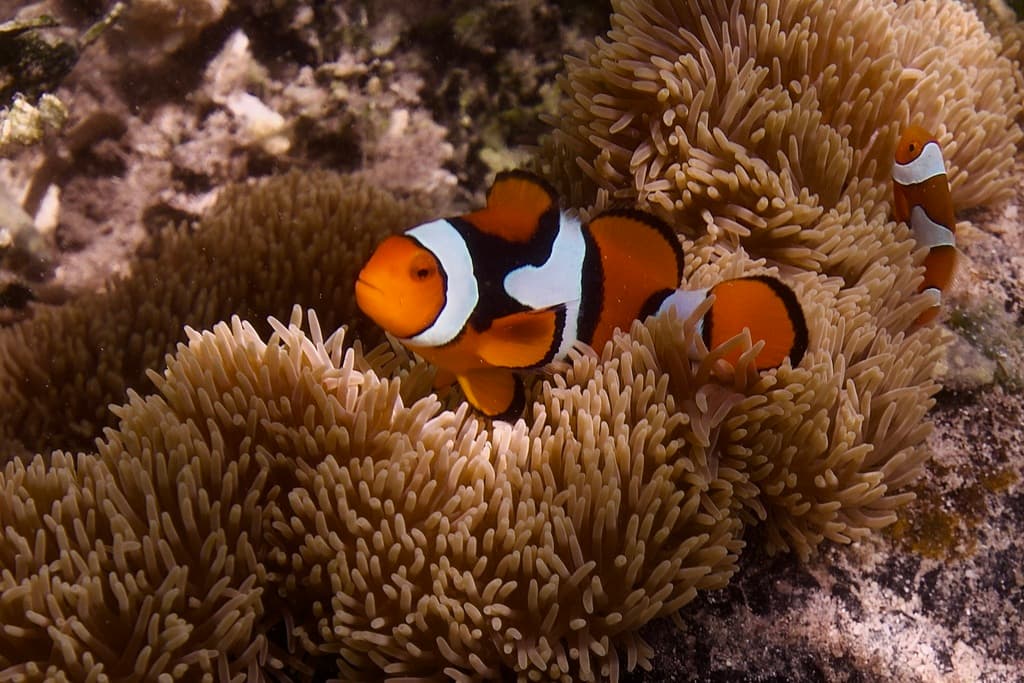
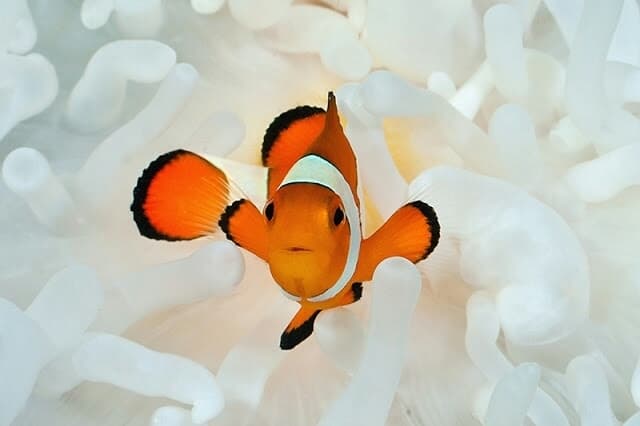
The Ocellaris Clownfish is arguably the most recognizable marine aquarium fish in the world, made famous by its starring role in popular culture. This hardy species features a vibrant orange body adorned with three distinctive white bars outlined in thin black edging. Captive-bred specimens are widely available and are significantly hardier than wild-caught individuals, making them an ideal choice for aquarists of all experience levels.
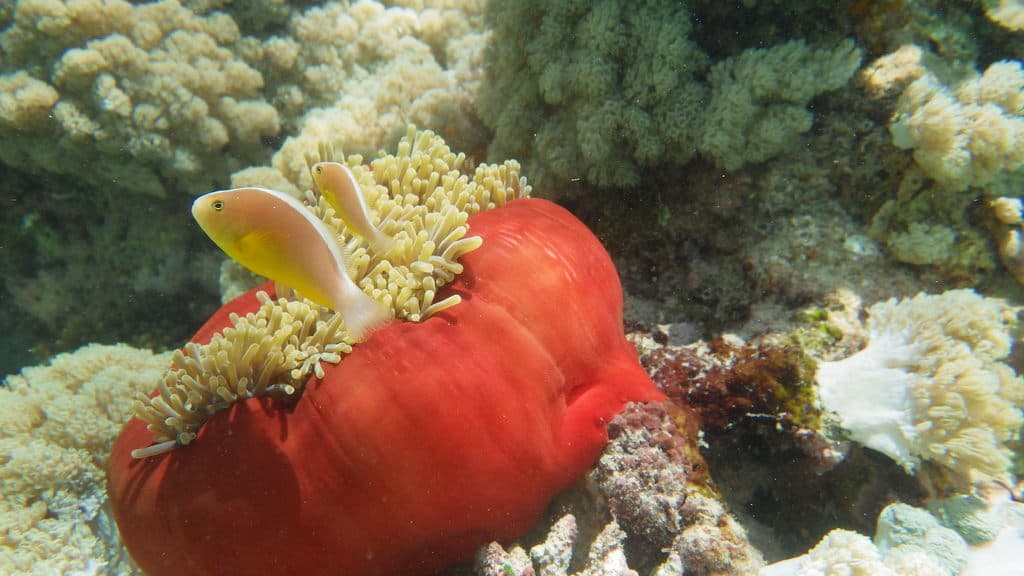
In the wild, Ocellaris Clownfish form symbiotic relationships with several species of sea anemones, most commonly Heteractis magnifica and Stichodactyla gigantea. A mucus coating on their skin protects them from the anemone's stinging tentacles. While an anemone host is not required in captivity, providing one creates a fascinating natural display. These fish are protandrous hermaphrodites, meaning all individuals are born male, with the dominant fish in a group transitioning to female.
Ocellaris Clownfish are among the most successfully captive-bred marine fish species. Captive-bred variants include designer morphs such as Snowflake, Black Ice, Mocha, and Wyoming White, offering hobbyists a wide range of color options. They readily accept prepared foods, tolerate a range of water conditions, and can live well over a decade in proper care. A mated pair will often spawn regularly in the home aquarium, laying eggs on flat surfaces near their host anemone or chosen territory.
Feeding & Diet
Omnivore
Ocellaris Clownfish are omnivores that readily accept a wide variety of foods including high-quality marine pellets, flake food, frozen mysis shrimp, brine shrimp, and finely chopped seafood. They benefit from occasional algae-based foods and vitamin-enriched preparations. Feed two to three times daily in small portions.
Compatibility
community-safereef-safepeacefulpairs-wellbeginner-friendlycaptive-bred-available
Ocellaris Clownfish are among the most peaceful clownfish species. They do well with most community reef fish but may show aggression toward other clownfish species. They can become territorial around their host anemone or chosen area of the tank but are generally non-threatening to tankmates.
Check CompatibilityBreeding
Easy
One of the easiest marine fish to breed in captivity. Mated pairs will spawn on flat surfaces every 2-3 weeks. Eggs hatch in 8-10 days. Larvae require rotifers and phytoplankton for first foods, transitioning to baby brine shrimp after about a week. Captive breeding is well-documented with high success rates.
Special Requirements
- Best kept as a mated pair or single specimen
- Host anemone appreciated but not required
- Provide moderate water flow
- Captive-bred specimens strongly recommended
Water Parameters
Temperature74–82°F
Specific Gravity1.02–1.026 sg
pH7.8–8.4
Alkalinity8–12 dKH
Coloration
orangewhiteblack
Tags
community-safereef-safepeacefulpairs-wellbeginner-friendlycaptive-bred-available