IntermediateSemi-AggressiveNot Reef Safe
African Coris
Coris cuvieri
Family: Labridae · Wrasses
Also known as: African Wrasse, Cuvier's Wrasse
(c) desertpenguin, some rights reserved (CC BY-NC)
Max Size
24"
Min Tank
180 gal
Lifespan
8-12 years
Origin
Western Indian Ocean, East Africa
Diet
Carnivore
Swims
Middle
About
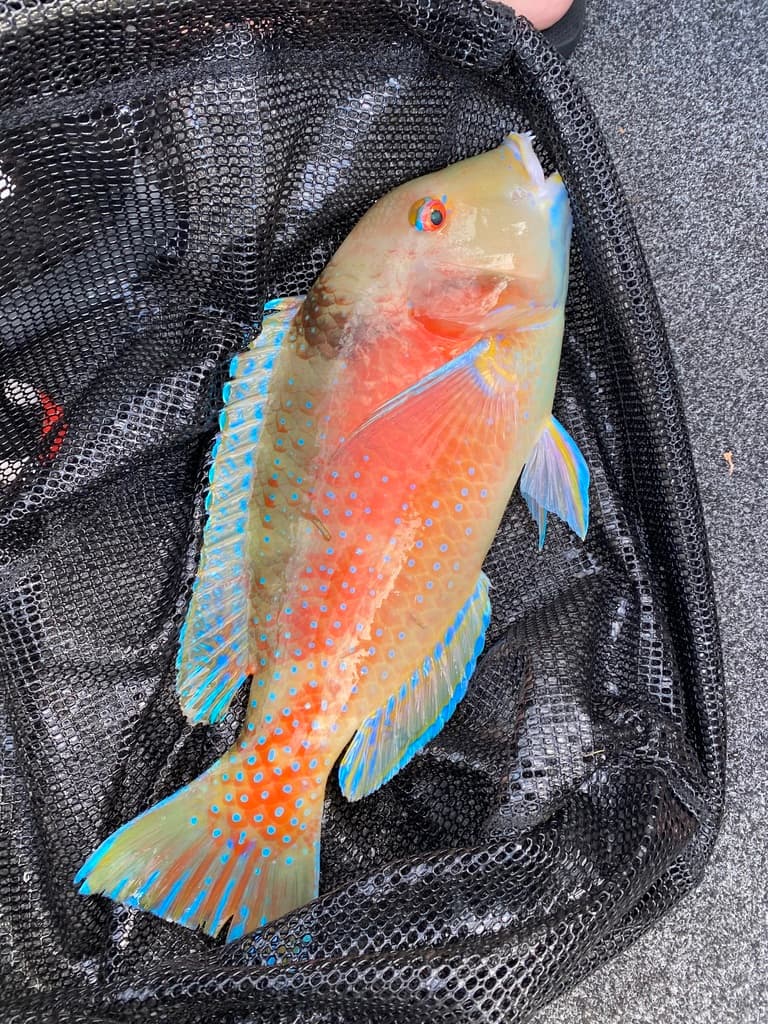
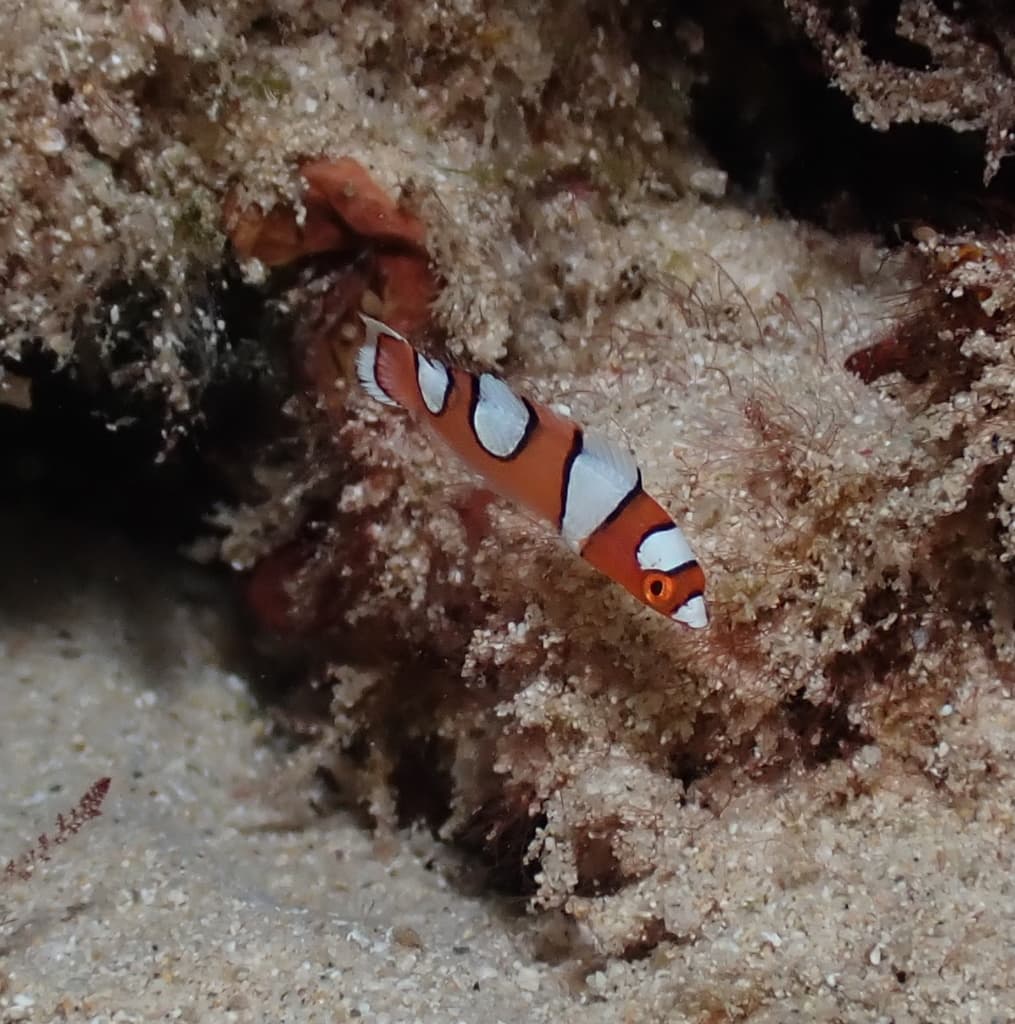
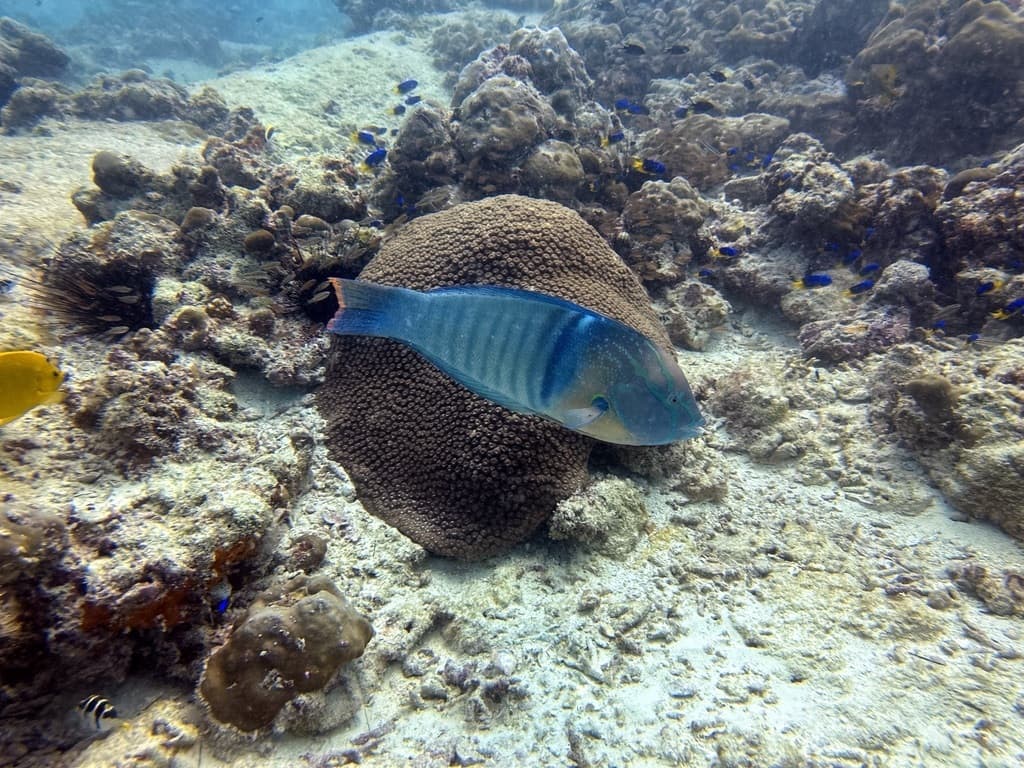
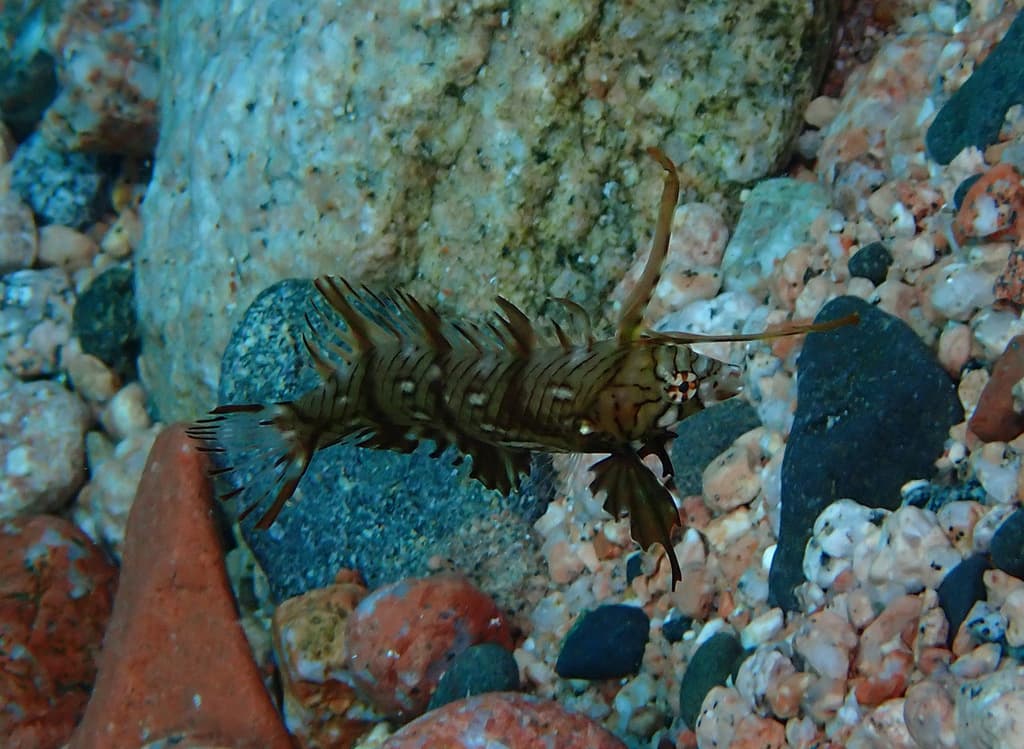
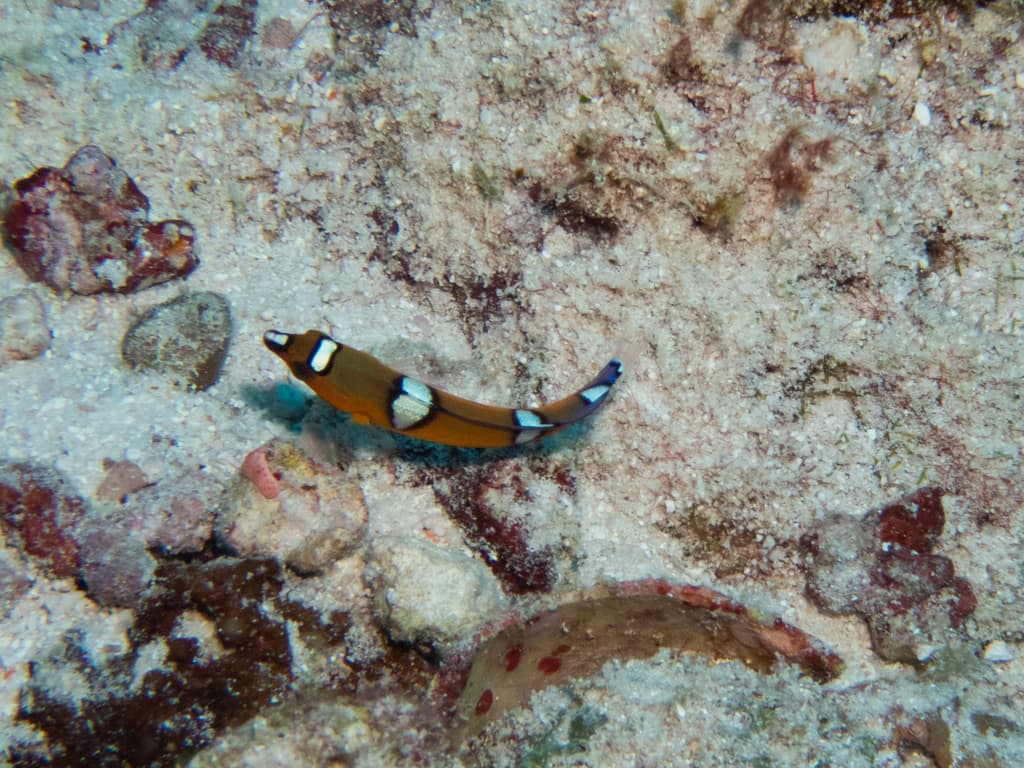
The African Coris is a large and impressive wrasse species native to the Western Indian Ocean, growing up to 24 inches in the wild. Juveniles are dramatically different in appearance from adults, displaying bright orange-red coloration with white markings that gradually transition to a more subdued olive-green to brown coloration with blue facial markings as they mature.
This is a powerful, active species that requires a very large aquarium to thrive. The African Coris is an avid invertebrate predator, readily consuming snails, crabs, sea urchins, and other ornamental invertebrates, which makes it unsuitable for reef aquariums. It uses its strong pharyngeal teeth to crush hard-shelled prey with ease.
Despite its size and semi-aggressive temperament, the African Coris can be a rewarding fish-only aquarium inhabitant for experienced aquarists with adequately large systems. It is relatively hardy once acclimated and will accept a wide variety of meaty foods. A deep sand bed is necessary as this species buries itself to sleep, and a secure lid is essential to prevent jumping.
Feeding & Diet
Carnivore
The African Coris is a voracious carnivore that feeds on hard-shelled invertebrates including snails, crabs, sea urchins, and clams in the wild. In captivity, offer large pieces of frozen seafood such as shrimp, squid, clam, and mussel. Supplement with high-quality marine pellets. This species will eat any ornamental invertebrates in the aquarium. Feed two to three times daily.
Compatibility
fish-onlysemi-aggressivelarge-speciesinvertebrate-eater
The African Coris is semi-aggressive and can be housed with other large, robust fish species. It will eat all ornamental invertebrates and is not suitable for reef aquariums. It may bully smaller or more timid fish. Keep with other semi-aggressive or larger species in a fish-only system. Only one per tank unless the system is exceptionally large.
Check CompatibilityBreeding
Not bred in captivity
African Coris wrasses are protogynous hermaphrodites. The largest female in a group will transition to male. Spawning occurs in open water with pelagic eggs. Captive breeding has not been achieved due to the large size and space requirements. All specimens are wild-caught.
Special Requirements
- Very large aquarium required due to adult size
- Deep sand bed of 3+ inches for sleeping
- Tight-fitting lid essential - powerful jumper
- Will eat all ornamental invertebrates
- Strong filtration needed for heavy bioload
- Dramatic juvenile to adult color transformation
Water Parameters
Temperature74–80°F
Specific Gravity1.02–1.026 sg
pH8.1–8.4
Alkalinity8–12 dKH
Coloration
greenbrownblueorangewhite
Tags
fish-onlysemi-aggressivelarge-speciesinvertebrate-eater