IntermediatePeacefulReef Safe
Pot Belly Seahorse
Hippocampus abdominalis
Family: Syngnathidae · Seahorses & Pipefish
Also known as: Big-belly Seahorse, Pot-bellied Seahorse, New Zealand Seahorse
(c) imogenisunderwater, some rights reserved (CC BY-NC)
Max Size
14"
Min Tank
55 gal
Lifespan
5-8 years
Origin
Australia, New Zealand
Diet
Carnivore
Swims
Middle
About
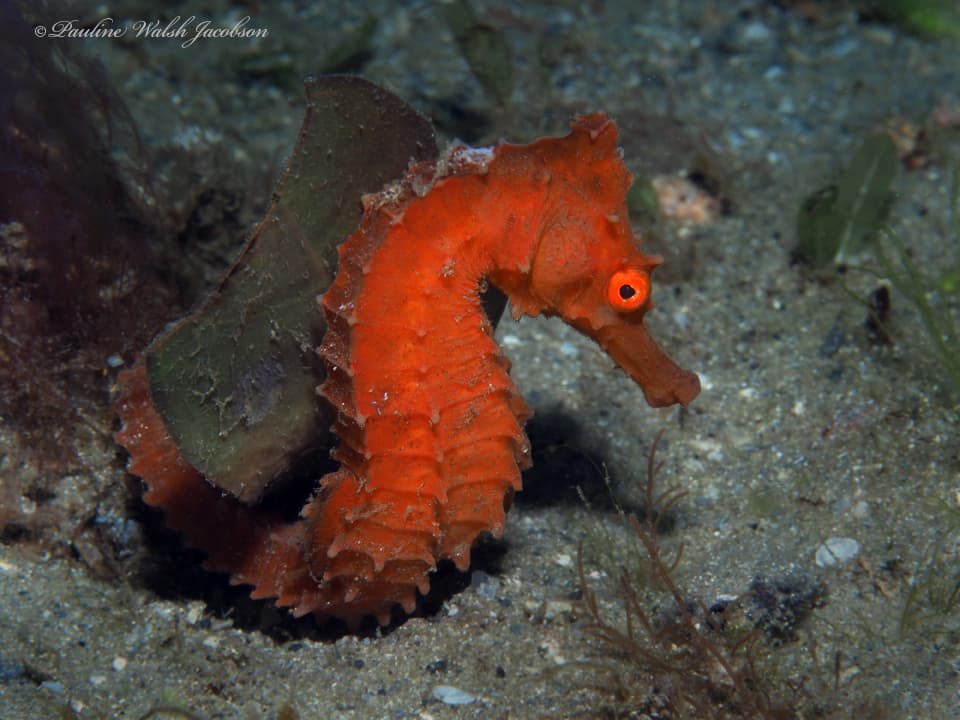
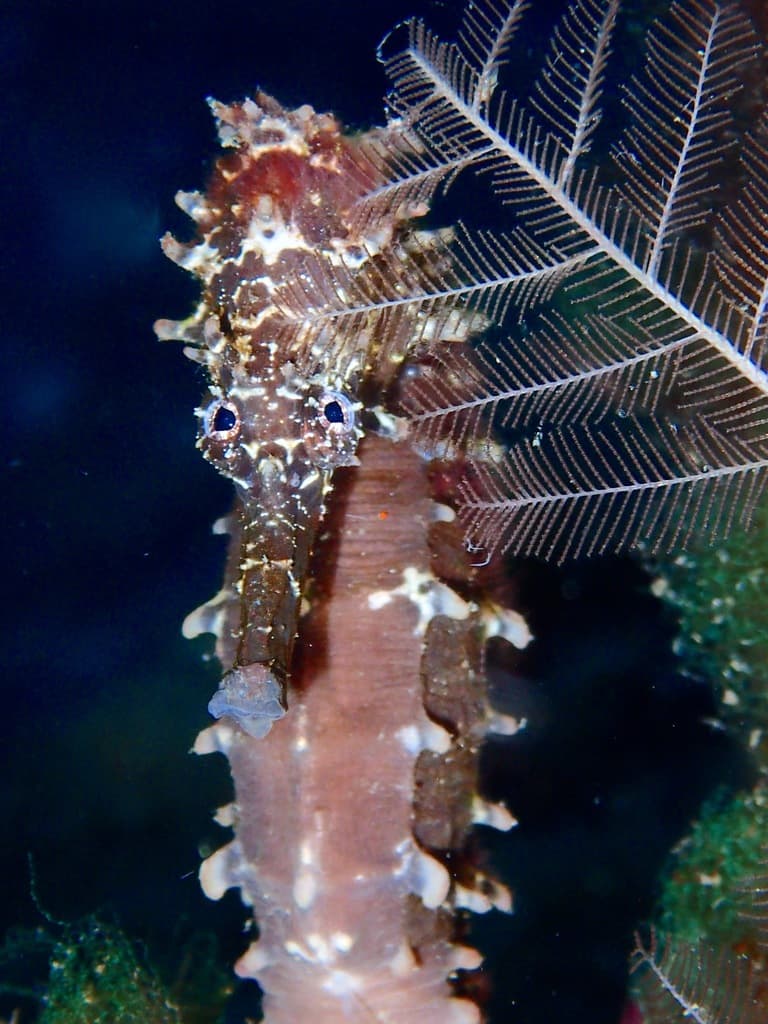
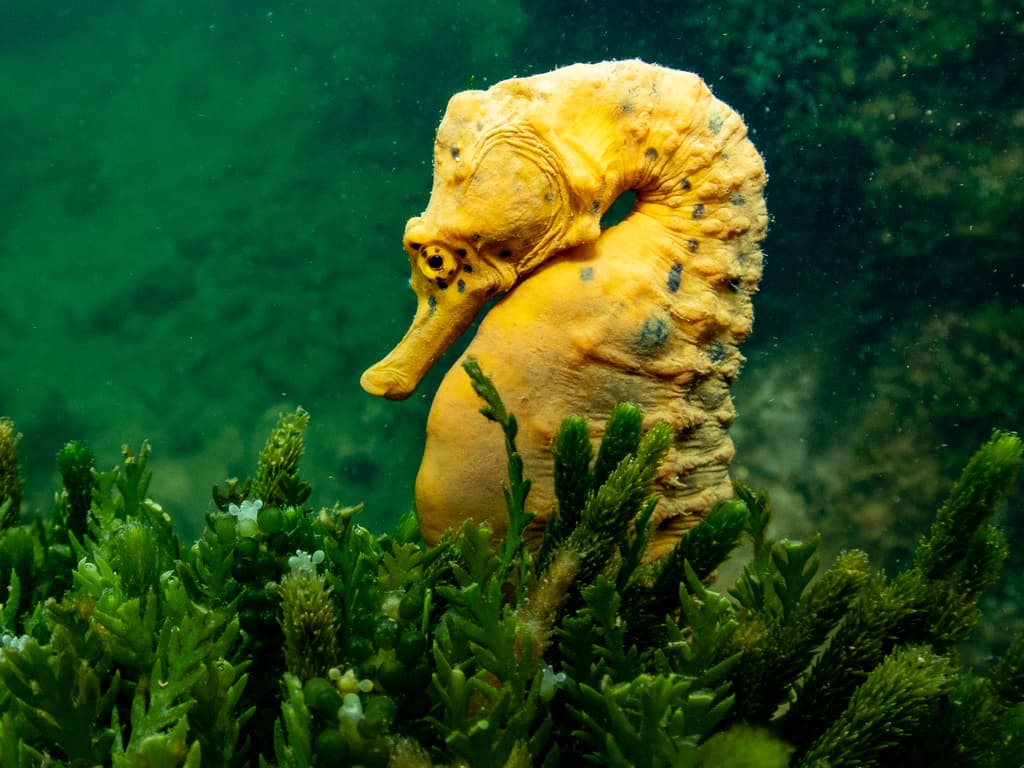
The Pot Belly Seahorse is the largest commonly kept seahorse species, reaching an impressive fourteen inches in length with a distinctive rounded, prominent belly that gives it its common name. This robust species is native to the temperate waters of southeastern Australia and New Zealand, making it unique among aquarium seahorses in its preference for cooler water temperatures. Its large size, relative hardiness, and successful captive breeding programs have made it one of the most popular seahorse species for dedicated seahorse keepers.
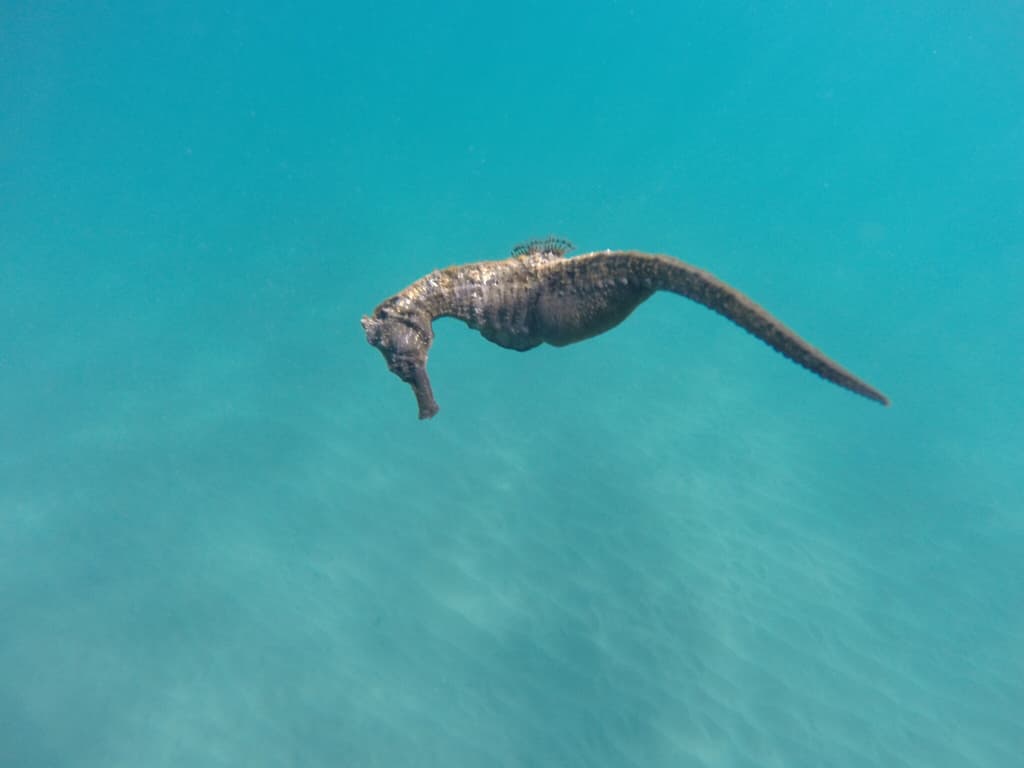
In the wild, Pot Belly Seahorses inhabit seagrass beds, sponge gardens, rocky reefs, and even man-made structures such as jetty pylons and mooring lines in temperate Australian and New Zealand waters. They are found at depths ranging from shallow subtidal areas to over 100 meters. Their large size allows them to withstand stronger currents than most seahorse species, and they are more robust and active swimmers than their smaller tropical relatives. Color variations range from brown and gray to yellow, orange, and even purple, with the ability to change color over time.
The Pot Belly Seahorse is considered one of the hardiest seahorse species available, making it an excellent choice for aquarists entering the world of seahorse keeping. Captive-bred specimens are widely available and readily accept frozen mysis shrimp. The key difference from tropical seahorse keeping is the temperature requirement: this species thrives at 64 to 72 degrees Fahrenheit, significantly cooler than a typical tropical reef. A chiller may be necessary in warm climates. Despite the temperature constraint, its hardiness, large size, and engaging personality make it highly rewarding.
Feeding & Diet
Carnivore
Pot Belly Seahorses are carnivores that feed on mysid shrimp, amphipods, and other small crustaceans. Captive-bred specimens readily accept frozen mysis shrimp as their staple diet. Their larger size allows them to consume bigger food items than smaller seahorse species. Enrich mysis with vitamin supplements and HUFA. Feed two to three times daily. Live enriched brine shrimp and ghost shrimp make excellent supplemental foods.
Compatibility
reef-safepeacefulspecies-only-preferredtemperateslow-feeder
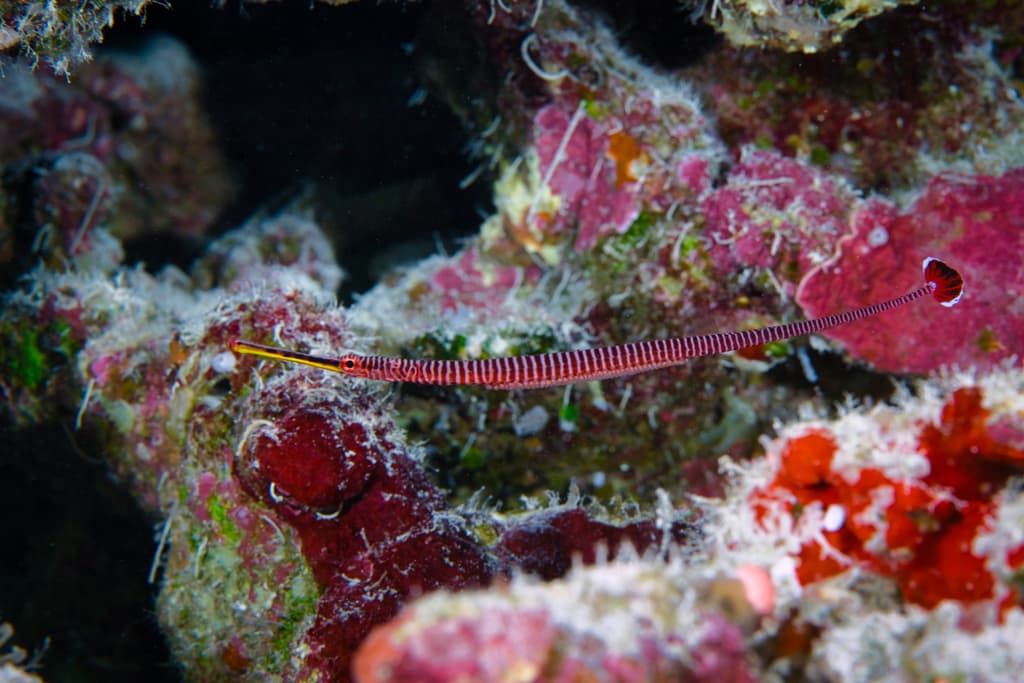
Pot Belly Seahorses should be kept in a species-specific setup or with other temperate, peaceful species. The cooler water requirement limits compatible tankmates to other temperate species. Suitable companions include pipefish that share temperature requirements. Avoid all aggressive, fast-moving, or food-competitive species. Their larger size makes them slightly less vulnerable than smaller seahorse species, but the same general seahorse compatibility rules apply.
Check CompatibilityBreeding
Easy
Pot Belly Seahorses are among the easiest seahorse species to breed in captivity. Males possess a large brood pouch, and breeding pairs engage in elaborate courtship dances. Males carry developing young for approximately three to four weeks before giving birth to relatively large broods of 100 to 700 fully formed fry. The larger fry size compared to tropical species makes them easier to raise. Fry can be fed newly hatched enriched brine shrimp from day one. This species is commercially captive-bred in Australia.
Special Requirements
- Temperate species requiring cooler water (64-72 F)
- Chiller may be necessary in warm climates
- Species-specific aquarium strongly recommended
- Larger tank needed due to large adult size
- Provide sturdy hitching posts for their substantial weight
- Gentle water flow preferred but tolerates more than tropical seahorses
- Captive-bred specimens readily available and recommended
- Multiple daily feedings of enriched frozen mysis required
Water Parameters
Temperature64–72°F
Specific Gravity1.02–1.025 sg
pH8.1–8.4
Alkalinity8–12 dKH
Coloration
browngrayyelloworangepurple
Tags
reef-safepeacefulspecies-only-preferredtemperateslow-feeder