AdvancedPeacefulReef Safe
Blue Stripe Pipefish
Doryrhamphus excisus
Family: Syngnathidae · Pipefish
Also known as: Bluestripe Pipefish, Cleaner Pipefish, Bluestripe Pipe
(c) François Libert, some rights reserved (CC BY-NC-SA)
Max Size
3"
Min Tank
30 gal
Lifespan
3-5 years
Origin
Indo-Pacific, Red Sea
Diet
Carnivore
Swims
Bottom
About
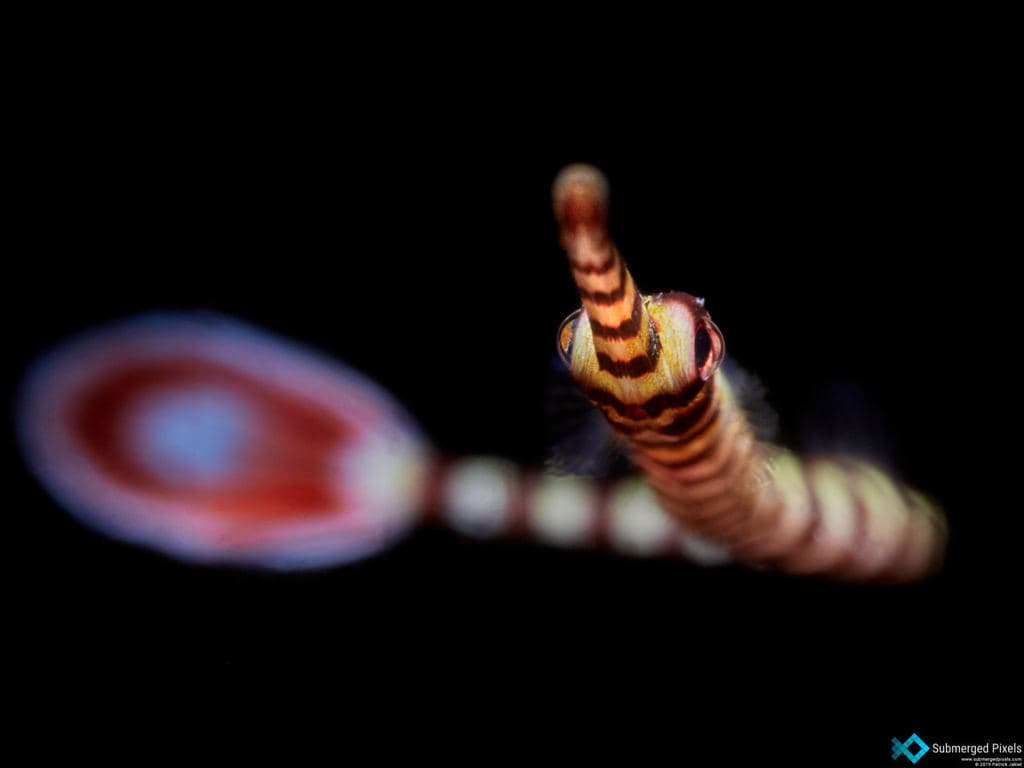
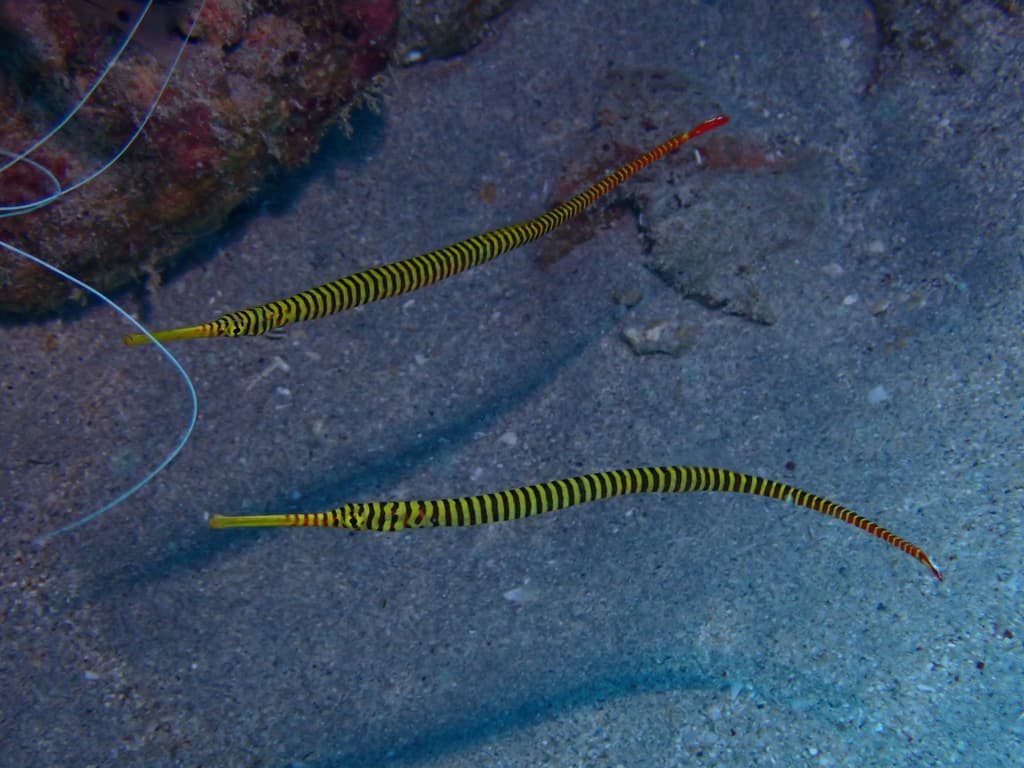
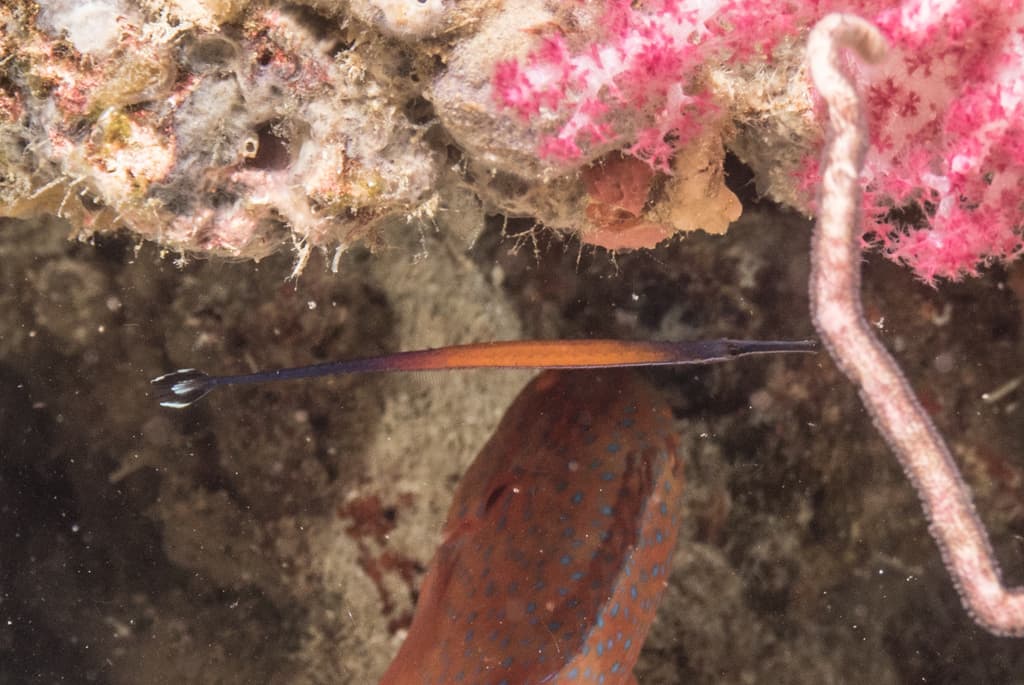
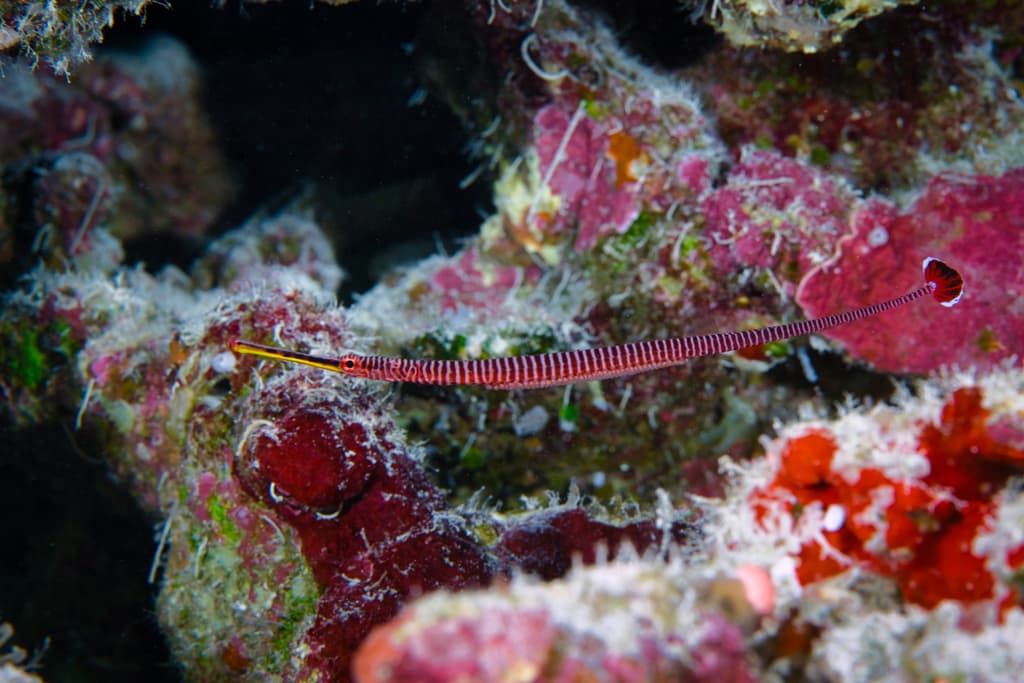
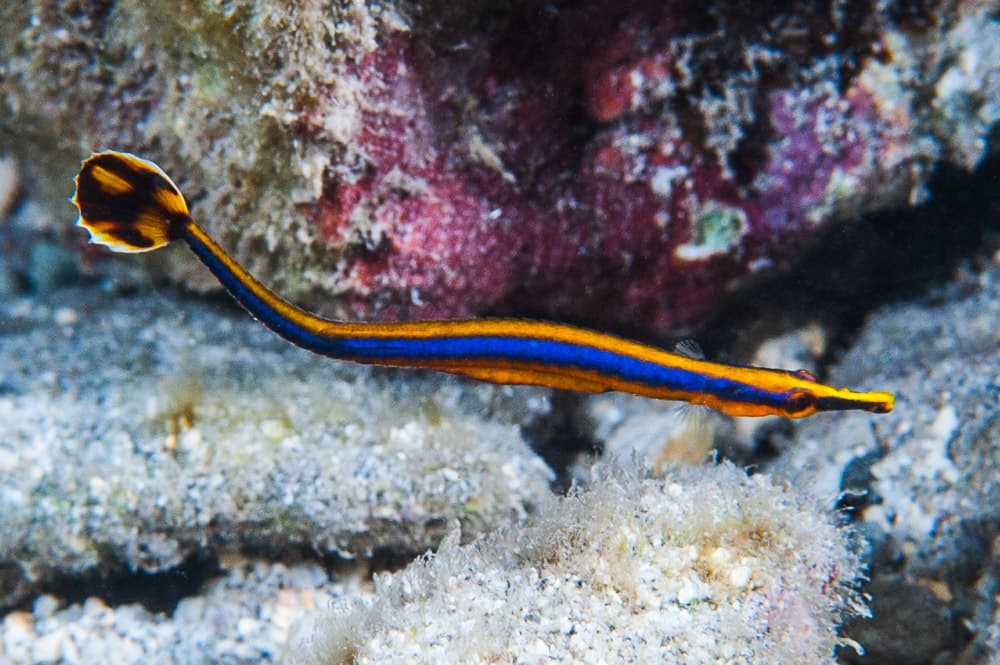
The Blue Stripe Pipefish is one of the most commonly available and recognizable pipefish species in the marine aquarium trade. Its slender, rigid body displays striking blue and orange horizontal stripes running from snout to tail, with a bright red or orange flag-like caudal fin that it often waves conspicuously. At only 3 inches in length, it is among the smaller pipefish species, but its bold coloration and fascinating behavior more than compensate for its diminutive size.
In the wild, Doryrhamphus excisus is widespread across the Indo-Pacific, from the Red Sea to Hawaii, inhabiting cave walls, overhangs, and crevices in coral reefs. It is notable for exhibiting cleaning behavior, setting up stations where larger fish visit to have parasites removed from their skin and gills. This mutualistic behavior adds an especially interesting dimension to its aquarium keeping, as it may occasionally attempt to clean larger tankmates. The species typically occurs in pairs that share a territory within cave systems.
Keeping Blue Stripe Pipefish successfully requires an understanding of their specialized dietary needs. Like all syngnathids, they are slow, deliberate feeders that cannot compete with fast-moving fish for food. They use their tubular snout to suck in tiny crustaceans one at a time, a feeding method that demands a constant supply of small live or frozen foods. A dedicated species tank or a very calm reef aquarium with non-competitive tankmates is essential. A well-established refugium producing copepods and amphipods greatly enhances long-term success with this species.
Feeding & Diet
Carnivore
Blue Stripe Pipefish are micro-predators that feed on tiny crustaceans including copepods, amphipods, and mysid shrimp. In captivity, offer live or frozen copepods, baby brine shrimp, and finely chopped mysis shrimp. A refugium producing live copepods and amphipods is highly recommended for long-term success. They feed slowly and continuously throughout the day, making multiple small feedings essential. Cannot compete with fast-moving fish for food.
Compatibility
reef-safepeacefulslow-feederspecies-tankpair-bonding
The Blue Stripe Pipefish must be housed only with extremely peaceful, slow-feeding tankmates that will not outcompete it for food. Ideal companions include seahorses, other pipefish, mandarin dragonets, and small non-aggressive gobies. Avoid housing with any fast-moving, aggressive, or food-competitive species. Best kept in pairs in a dedicated species tank or a very calm reef aquarium. Completely reef-safe with all corals and invertebrates.
Check CompatibilityBreeding
Moderate
Like all syngnathids, the male Blue Stripe Pipefish carries the eggs in a brood pouch on the underside of his trunk. Pairs engage in elaborate courtship dances before the female transfers eggs to the male's pouch. The male incubates the eggs for approximately two weeks before releasing fully formed miniature pipefish. Young can be raised on newly hatched brine shrimp and copepods. This species breeds more readily in captivity than many syngnathids.
Special Requirements
- Requires live or frozen micro-crustaceans as primary food
- A refugium producing copepods is highly recommended
- Cannot compete with fast-moving fish for food
- Keep in pairs for best behavior
- Provide caves and overhangs for shelter
- Multiple daily feedings essential
Water Parameters
Temperature72–78°F
Specific Gravity1.02–1.026 sg
pH8.1–8.4
Alkalinity8–12 dKH
Coloration
blueorangered
Tags
reef-safepeacefulslow-feederspecies-tankpair-bonding