AdvancedPeacefulReef SafeCaptive-Bred Available
Reidi Seahorse
Hippocampus reidi
Family: Syngnathidae · Seahorses & Pipefish
Also known as: Longsnout Seahorse, Slender Seahorse, Brazilian Seahorse
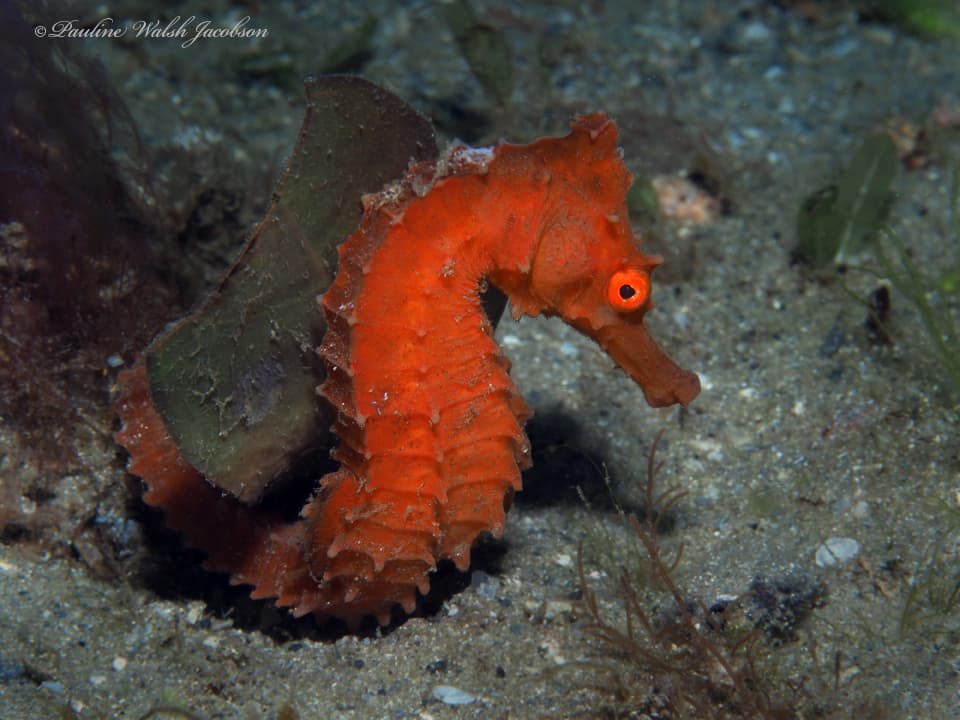
(c) Pauline Walsh Jacobson, some rights reserved (CC BY)
Max Size
7"
Min Tank
30 gal
Lifespan
3-5 years
Origin
Caribbean, Western Atlantic
Diet
Carnivore
Swims
Middle
About
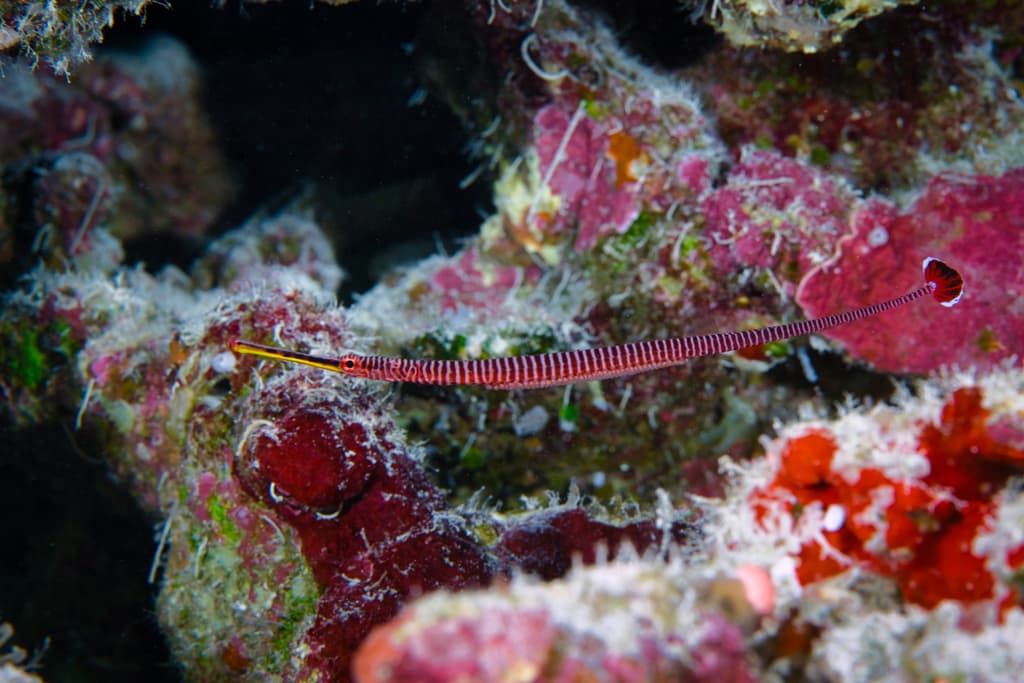
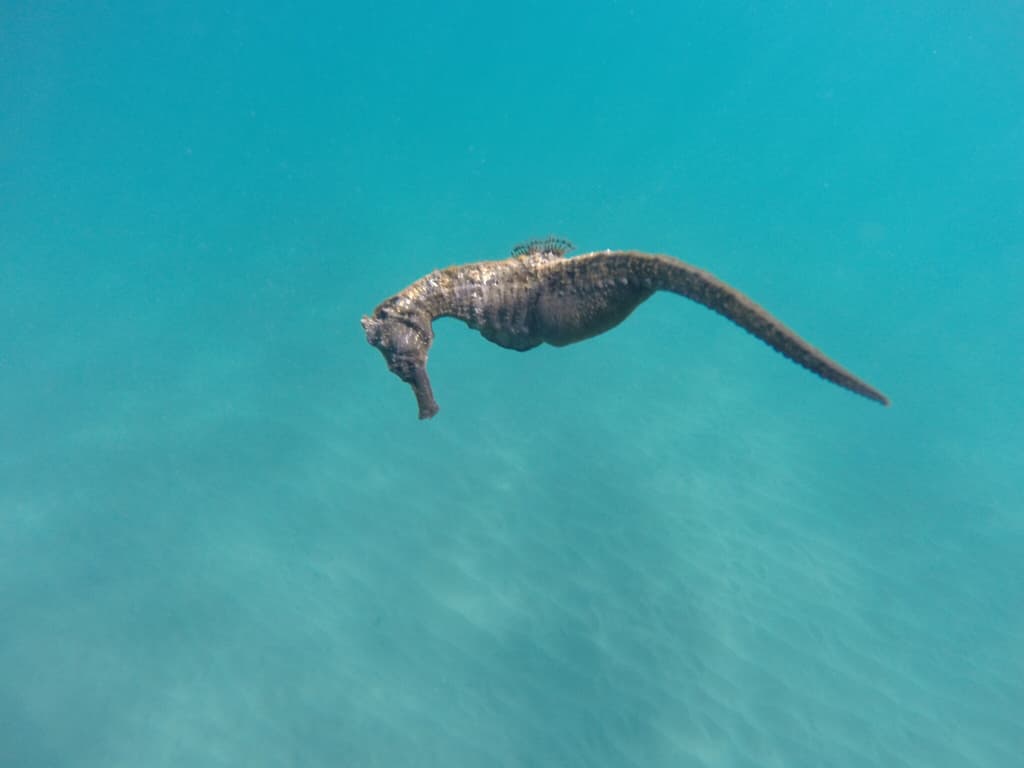
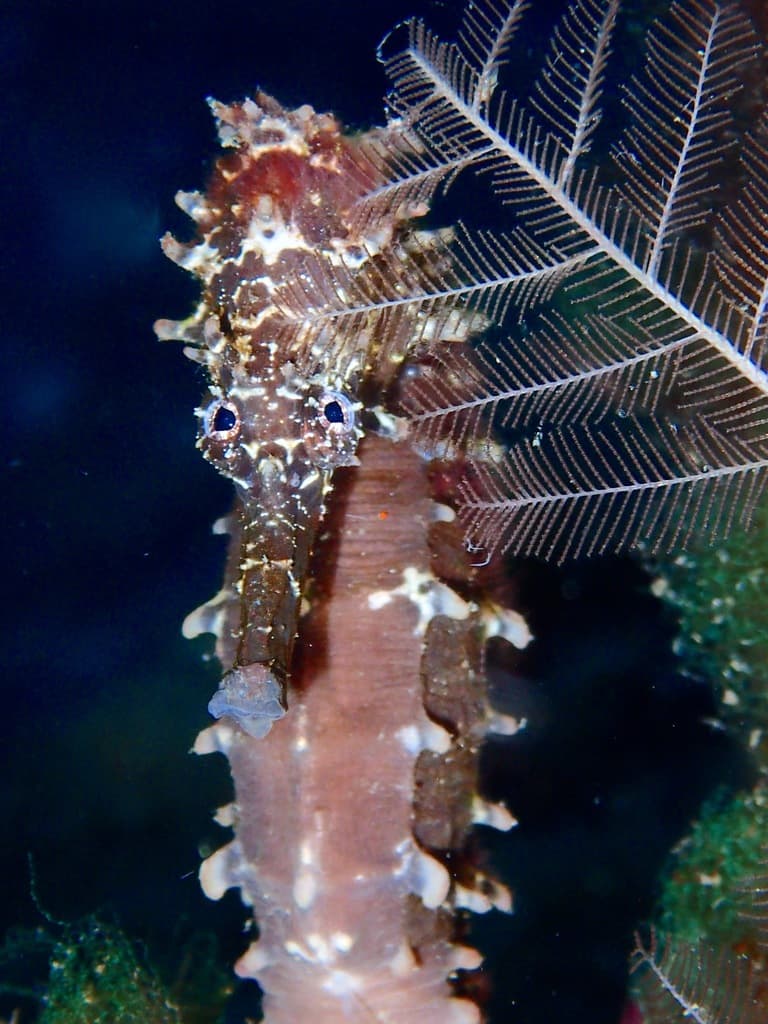
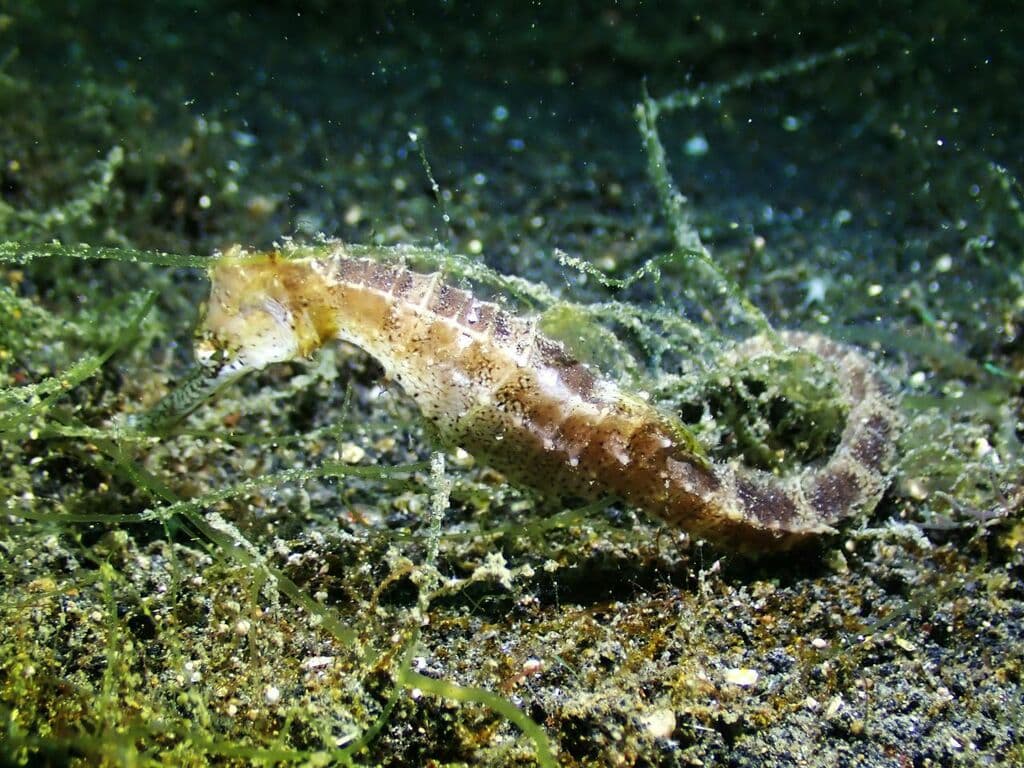
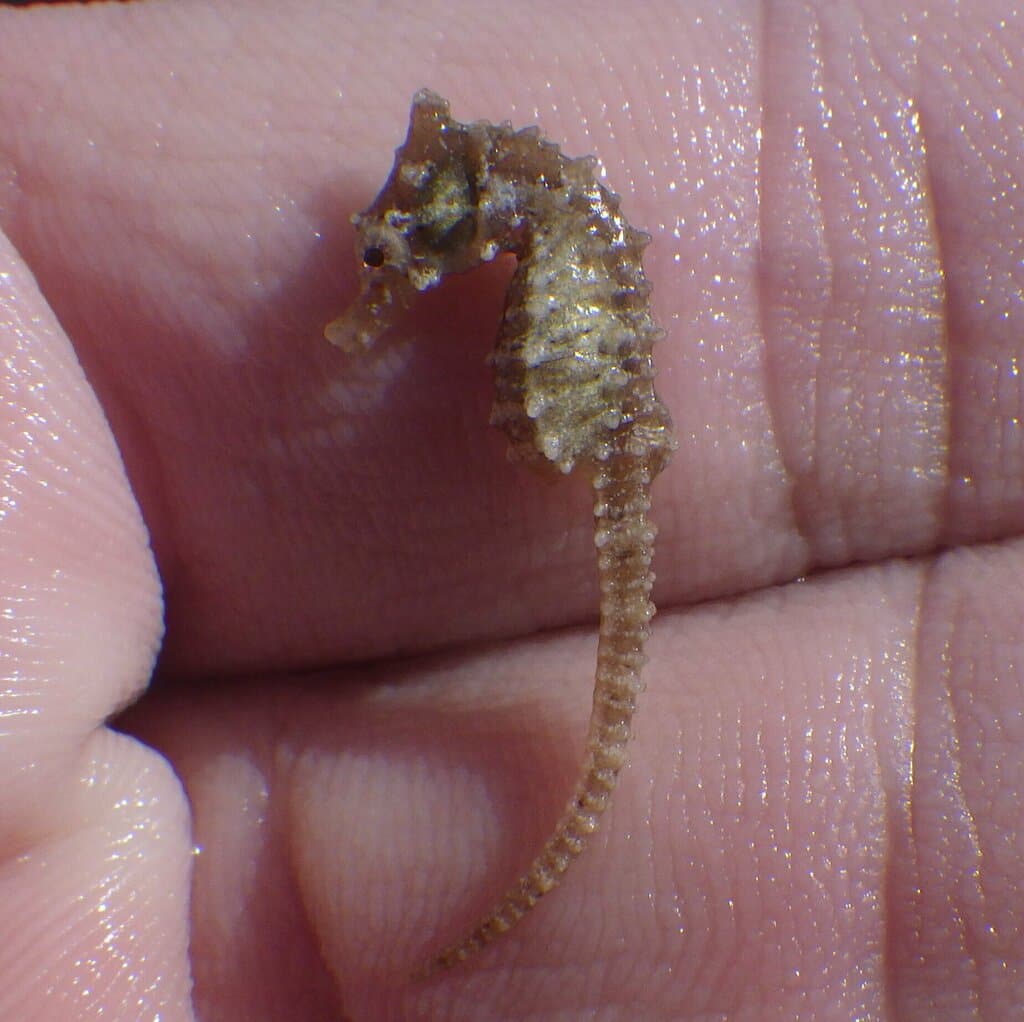
The Reidi Seahorse is one of the most popular and widely available captive-bred seahorse species, prized for its elegant slender body, elongated snout, and remarkable diversity of color morphs. Available in stunning shades of yellow, orange, red, black, brown, and even lavender, this species offers aquarists an exceptional range of visual variety. Its longer snout compared to many other seahorse species gives it a particularly graceful profile, and individuals often display contrasting saddle markings and fine spotting across their body.
In the wild, Reidi Seahorses are found throughout the Western Atlantic and Caribbean, inhabiting seagrass beds, mangrove roots, gorgonians, and sponge-encrusted reef structures. They use their prehensile tails to anchor themselves to holdfasts while they scan the water for passing zooplankton and tiny crustaceans. Like all seahorses, they are ambush predators that rely on stealth and their tubular snout to create suction for capturing prey. Their ability to change color gradually over days to weeks allows them to match their surroundings.
The Reidi Seahorse is an excellent choice for aquarists committed to the specialized requirements of seahorse keeping. Captive-bred specimens are widely available from multiple breeders and readily accept frozen mysis shrimp as their staple food. At seven inches, they are a medium-sized seahorse that fits well in a dedicated 30-gallon seahorse aquarium. They are slightly more adaptable to tropical temperatures than some other species, tolerating the upper end of the recommended seahorse range. Their strong pair bonding and engaging courtship behavior make them rewarding to observe and breed.
Feeding & Diet
Carnivore
Reidi Seahorses are carnivores that feed on small crustaceans including copepods, amphipods, and mysid shrimp. Captive-bred specimens readily accept frozen mysis shrimp as their primary diet. Enrich mysis with vitamins and HUFA supplements. Feed two to three times daily. Live enriched adult brine shrimp and copepods are excellent supplements. A refugium producing live pods provides beneficial between-meal grazing.
Compatibility
reef-safepeacefulspecies-only-preferredslow-feederadvanced-carecaptive-bred-available
Reidi Seahorses should be housed with only the most peaceful, non-competitive species or ideally in a species-only setup. Compatible companions include other similarly sized seahorse species, pipefish, dragonets, and very small peaceful gobies. Avoid all fast-moving, aggressive, or competitive fish. Avoid stinging corals, large anemones, and crabs that could harm the seahorses. Safe with most soft corals, gorgonians, and macroalgae.
Check CompatibilityBreeding
Moderate
Reidi Seahorses breed readily in captivity and are one of the most commonly captive-bred seahorse species. Pairs form strong bonds and engage in daily greeting rituals. Males carry developing young in their brood pouch for approximately 14 to 21 days. Broods typically consist of 50 to 400 fry. Fry are small and require newly hatched enriched brine shrimp as a first food. Multiple color morphs can be selectively bred over generations.
Special Requirements
- Species-specific aquarium strongly recommended
- Gentle water flow essential
- Provide numerous hitching posts (gorgonians, macroalgae, artificial items)
- Captive-bred specimens widely available and recommended
- Multiple daily feedings of enriched frozen mysis required
- Pristine water quality critical to prevent infections
- Cooler tropical temperatures preferred (70-76 F)
- Avoid aggressive or food-competitive tankmates
Water Parameters
Temperature70–76°F
Specific Gravity1.02–1.025 sg
pH8.1–8.4
Alkalinity8–12 dKH
Coloration
yelloworangeredblackbrownlavender
Tags
reef-safepeacefulspecies-only-preferredslow-feederadvanced-carecaptive-bred-available