IntermediateSemi-AggressiveReef Safe
Hawaiian Lionfish
Pterois sphex
Family: Scorpaenidae · Lionfish & Scorpionfish
Also known as: Hawaiian Turkeyfish, Sphex Lionfish, Hawaiian Red Lionfish
(c) Evan Trotzuk, some rights reserved (CC BY-NC)
Max Size
7.9"
Min Tank
75 gal
Lifespan
8-12 years
Origin
Hawaii, Hawaiian Islands
Diet
Carnivore
Swims
All
About
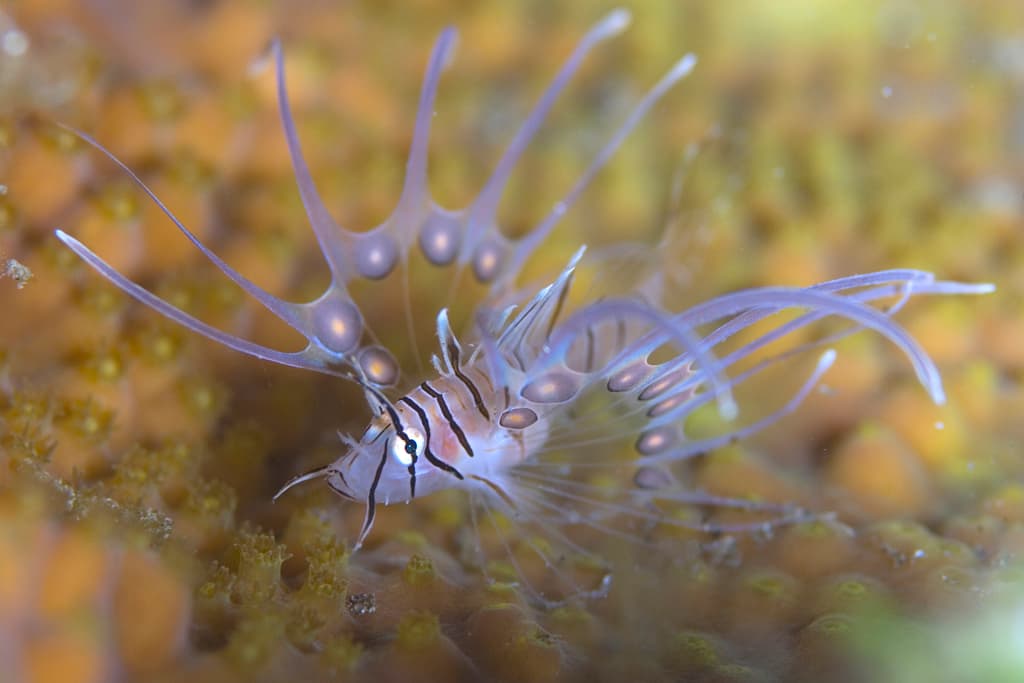
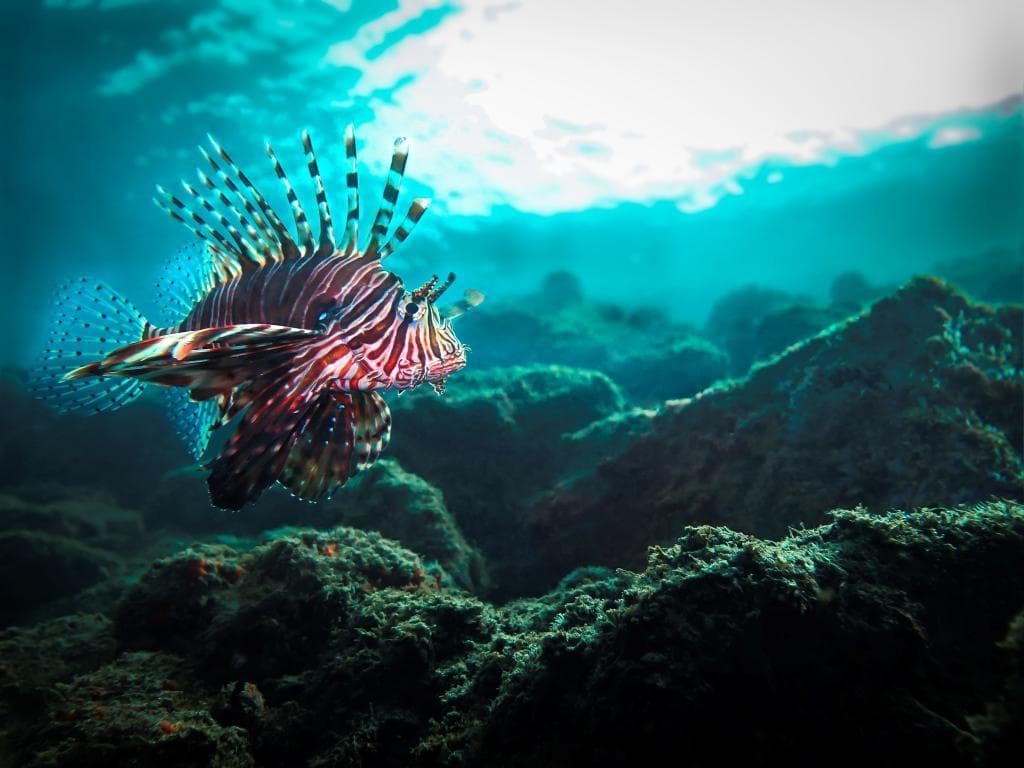
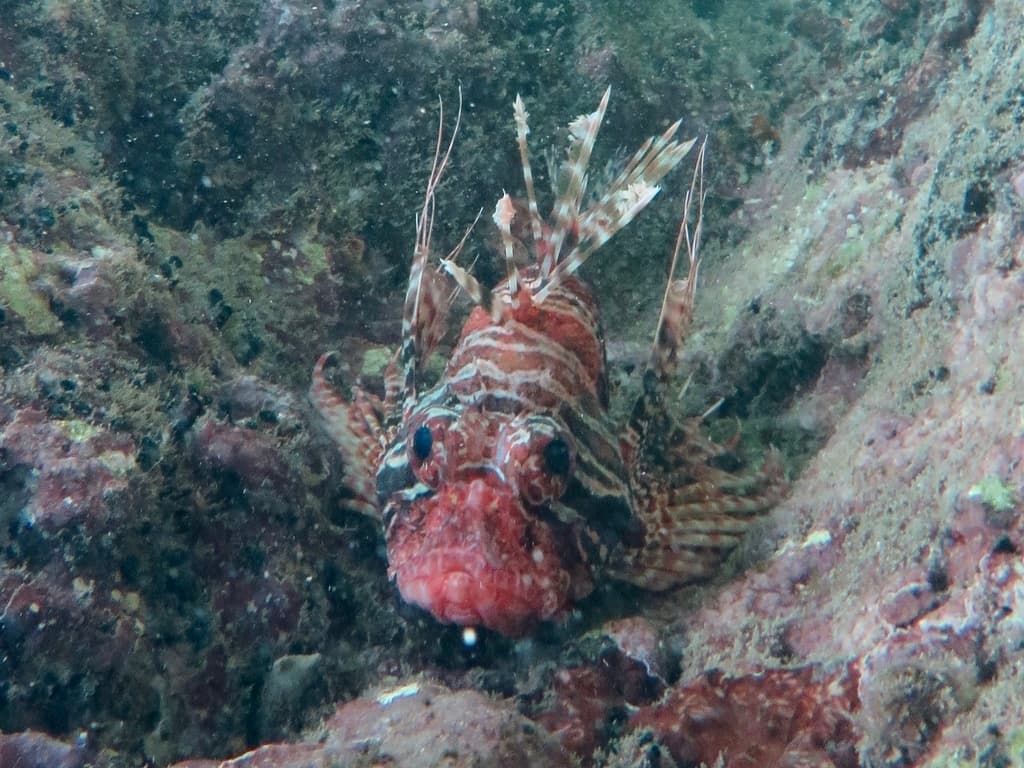
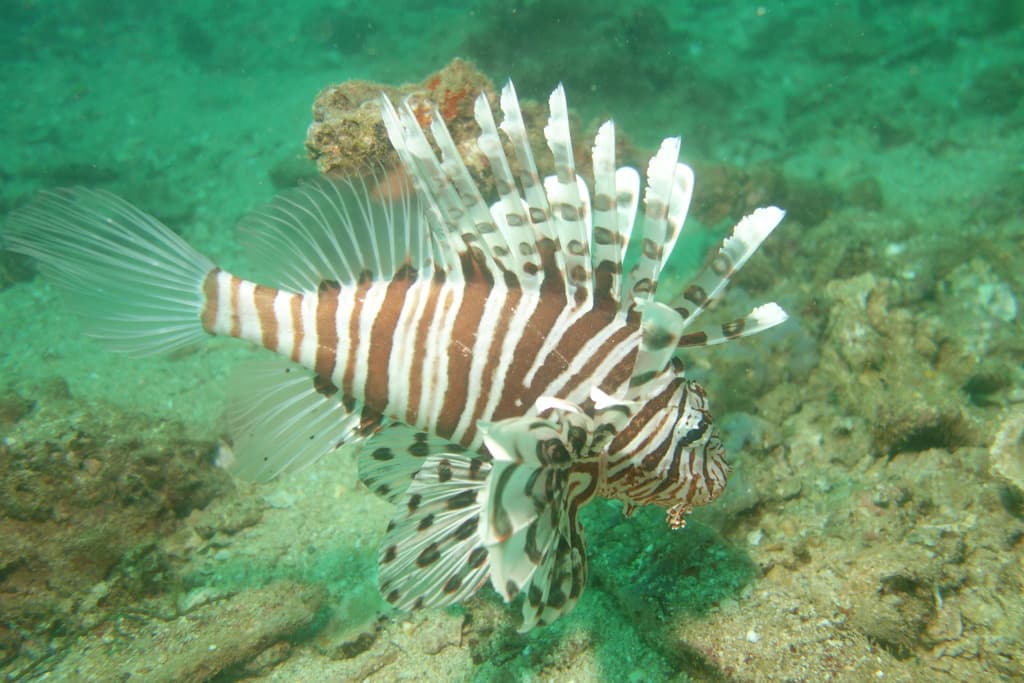
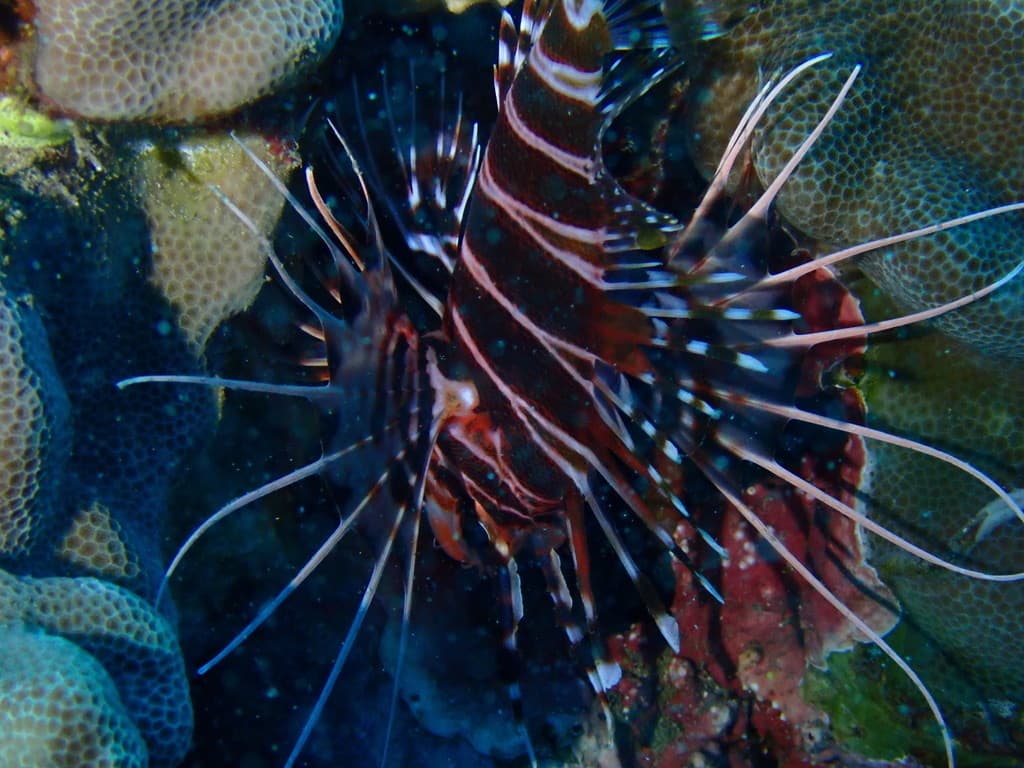
The Hawaiian Lionfish is a rare and coveted species endemic to the Hawaiian archipelago, making it one of the most geographically restricted lionfish species in the world. Pterois sphex closely resembles the more common Volitan Lionfish in overall body plan, with fan-like pectoral fins, elongated dorsal spines, and bold banding, but tends to be slightly smaller and displays coloration that leans toward warmer reddish and golden-brown tones. Its relative rarity in the aquarium trade, combined with the allure of its Hawaiian provenance, makes it a prized specimen among serious collectors.
In the wild, the Hawaiian Lionfish inhabits rocky reefs, ledges, and cave overhangs across the Hawaiian island chain, from shallow nearshore waters to depths of around 60 meters. Like other Pterois species, it is a crepuscular and nocturnal ambush predator, spending daylight hours resting in sheltered locations and emerging at dawn and dusk to hunt small fish and crustaceans. Its endemic status means that all specimens in the aquarium trade are collected from Hawaiian waters, which contributes to its higher price point and limited availability.
In aquarium care, the Hawaiian Lionfish is comparable to other medium-sized lionfish species. It requires a minimum tank of 75 gallons with ample rockwork providing caves and overhangs. Like all lionfish, its dorsal, pelvic, and anal fin spines are venomous and demand careful handling during tank maintenance. Once acclimated, this species is a hardy captive that readily accepts frozen meaty foods. Its moderate adult size of around 8 inches makes it more manageable than the larger Volitan Lionfish, while still providing impressive visual impact.
Feeding & Diet
Carnivore
Hawaiian Lionfish are carnivorous ambush predators that feed on small fish and crustaceans. In captivity, offer frozen silversides, large mysis shrimp, krill, and squid. Use feeding tongs to wiggle food and simulate live prey movement. May require live ghost shrimp initially to stimulate feeding. Feed every two to three days for adult specimens. Avoid freshwater feeder fish as a long-term food source.
Compatibility
reef-safepredatorvenomous-spinesambush-huntereats-small-fish
The Hawaiian Lionfish is peaceful toward fish too large to consume but will eat any tankmate that fits in its mouth. Compatible with large tangs, angelfish, groupers, triggerfish, and moray eels. Avoid housing with any fish under 4 inches or ornamental shrimp. Can coexist with other lionfish species in large systems with adequate space and hiding spots for each individual.
Check CompatibilityBreeding
Difficult
Hawaiian Lionfish follow the standard Pterois reproductive pattern. Males court females with ascending displays, and females release buoyant gelatinous egg masses that the male fertilizes. Larvae are tiny and pelagic, requiring specialized live foods. Captive breeding has not been commonly documented for this endemic species. Its restricted range and limited availability make conservation-minded collection practices particularly important.
Special Requirements
- VENOMOUS dorsal, pelvic, and anal fin spines - exercise extreme caution
- Hawaiian endemic - limited availability and higher price
- Provide caves and overhangs for daytime shelter
- Feeding tongs essential for targeted feeding and safety
- Will consume any fish or shrimp small enough to swallow
- Powerful protein skimmer recommended for messy carnivore waste
Water Parameters
Temperature72–80°F
Specific Gravity1.02–1.026 sg
pH8.1–8.4
Alkalinity8–12 dKH
Coloration
redbrowngoldwhitecream
Tags
reef-safepredatorvenomous-spinesambush-huntereats-small-fish