AdvancedSemi-AggressiveReef Safe with Caution
Emperor Angelfish
Pomacanthus imperator
Family: Pomacanthidae · Large Angelfish
Also known as: Imperator Angelfish, Imperial Angelfish
(c) Steve Smith, some rights reserved (CC BY-NC-ND)
Max Size
15"
Min Tank
220 gal
Lifespan
15-20 years
Origin
Indo-Pacific, Red Sea
Diet
Omnivore
Swims
Middle
About
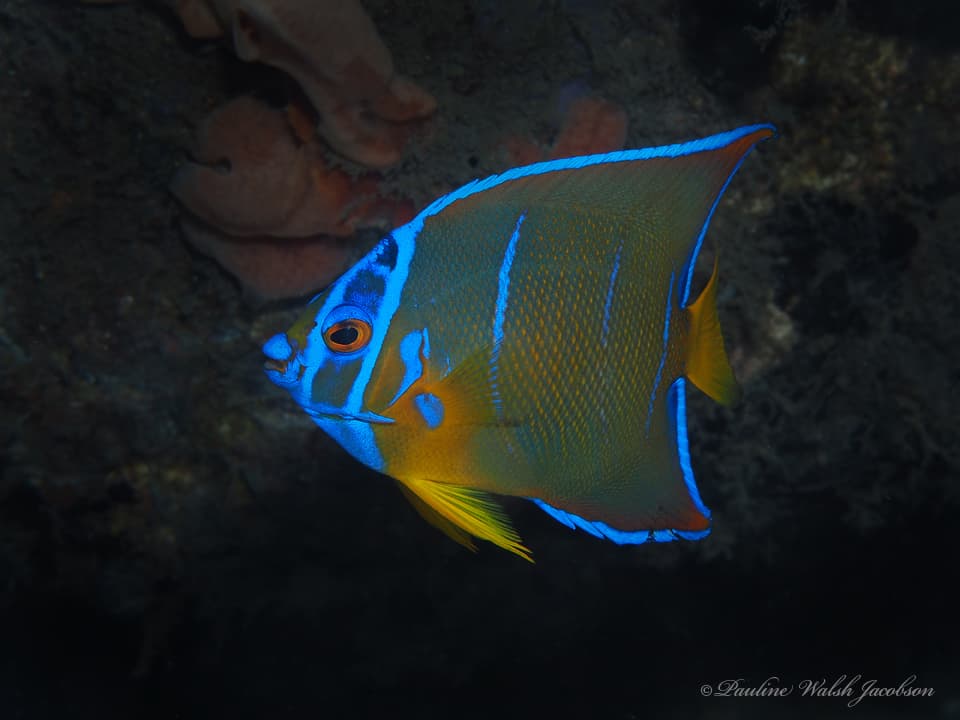
The Emperor Angelfish is arguably the most iconic and visually stunning large angelfish in the marine aquarium hobby. Adults display a breathtaking pattern of alternating horizontal yellow and blue stripes running across the body, a bold black mask edged in vivid blue across the eyes, and a bright yellow caudal fin. This striking livery has earned the Emperor Angelfish a place as one of the most recognized and sought-after reef fish in the world, gracing countless magazine covers and aquarium displays.
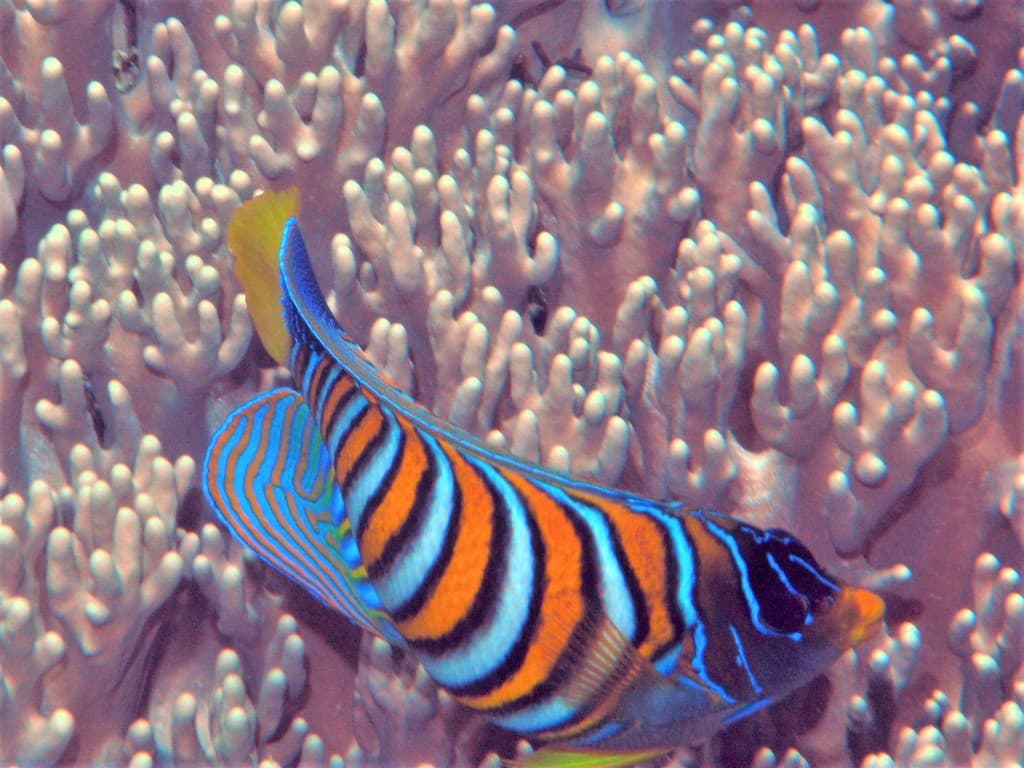
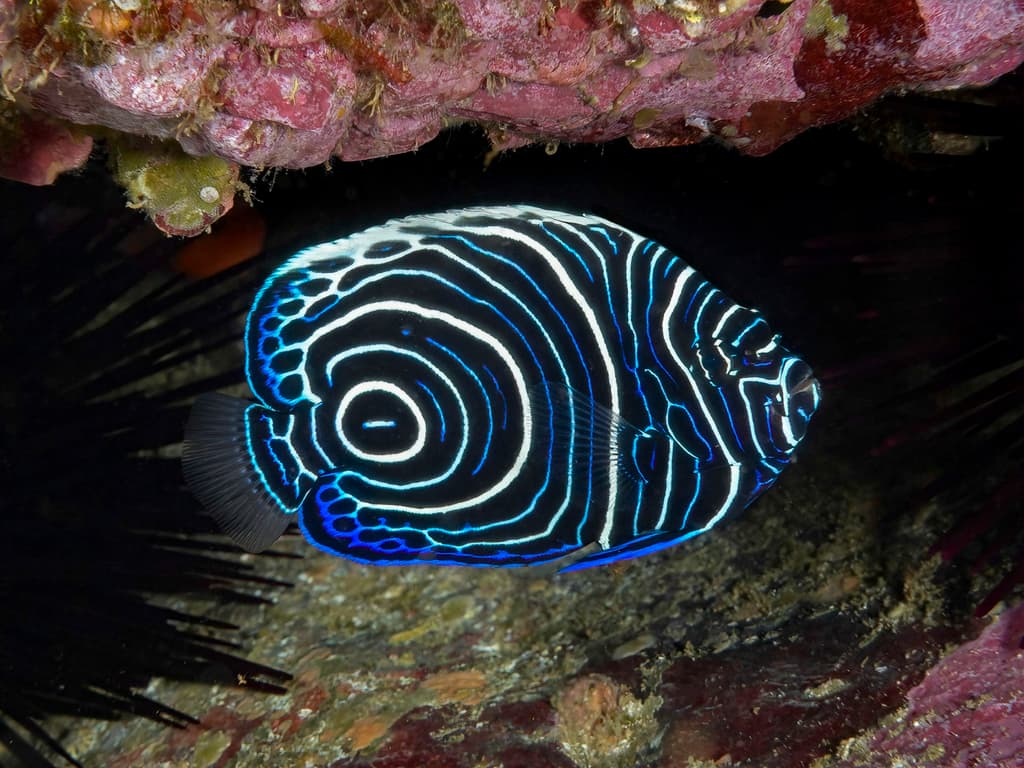
One of the most fascinating aspects of this species is its dramatic transformation from juvenile to adult coloration. Juvenile Emperor Angelfish are dark navy blue to black with concentric white and electric blue circular patterns, looking so different from adults that they were once classified as a separate species. This metamorphosis begins at around 3 to 5 inches and takes several months to complete, providing aquarists with a remarkable front-row seat to one of nature's most dramatic color changes. In the wild, juveniles serve as cleaner fish for larger species, picking parasites from willing hosts at cleaning stations on the reef.
Due to its large adult size of up to 15 inches and its need for open swimming space, the Emperor Angelfish requires a very large aquarium of at least 220 gallons. It is considered reef-compatible only with extreme caution, as it will readily nip at stony and soft coral polyps, sponges, and clam mantles. Most experienced aquarists house this species in fish-only or fish-only-with-live-rock systems. Despite its demanding requirements, a well-maintained Emperor Angelfish is an extraordinarily rewarding fish to keep, often developing a bold personality and becoming the undisputed showpiece of any large marine aquarium.
Feeding & Diet
Omnivore
Emperor Angelfish are omnivores that require a varied and nutritious diet. Offer high-quality angelfish preparations containing marine sponge, Spirulina-enriched flakes or pellets, frozen mysis shrimp, enriched brine shrimp, and finely chopped seafood. Supplement with nori seaweed sheets and fresh marine sponge when available. Juveniles benefit from more frequent feedings of protein-rich foods. Feed two to three times daily to maintain optimal health and coloration.
Compatibility
reef-cautionlarge-angelfish-territorialcommunity-compatiblecoral-nipperfish-only-preferred
Emperor Angelfish can be territorial toward other large angelfish and similarly shaped fish. Only one Pomacanthus species should be kept per tank unless the system is exceptionally large (300+ gallons). They generally coexist well with tangs, wrasses, triggerfish, and other robust community fish. Avoid housing with other large angelfish unless introduced simultaneously into a very large system.
Check CompatibilityBreeding
Not bred in captivity
Emperor Angelfish are pelagic spawners that form pairs during spawning events at dusk, rising into the water column to release eggs and sperm. Captive breeding has not been achieved due to the extended oceanic larval phase and the very large adult size requiring enormous breeding systems. All specimens in the aquarium trade are wild-caught.
Special Requirements
- Very large aquarium required (220+ gallons) for adult size
- Will nip at corals, sponges, and clam mantles in reef tanks
- Provide abundant live rock with caves and overhangs
- Juvenile-to-adult color transition is one of the most dramatic in the hobby
- Strong filtration and excellent water quality essential
- Only one large angelfish per tank unless system is extremely large
Water Parameters
Temperature72–80°F
Specific Gravity1.02–1.026 sg
pH8.1–8.4
Alkalinity8–12 dKH
Coloration
yellowblueblackwhite
Tags
reef-cautionlarge-angelfish-territorialcommunity-compatiblecoral-nipperfish-only-preferred