IntermediatePeacefulReef Safe
Neon Pygmy Goby
Eviota pellucida
Family: Gobiidae · Gobies
Also known as: Translucent Goby, Pellucid Pygmy Goby, Neon Eviota
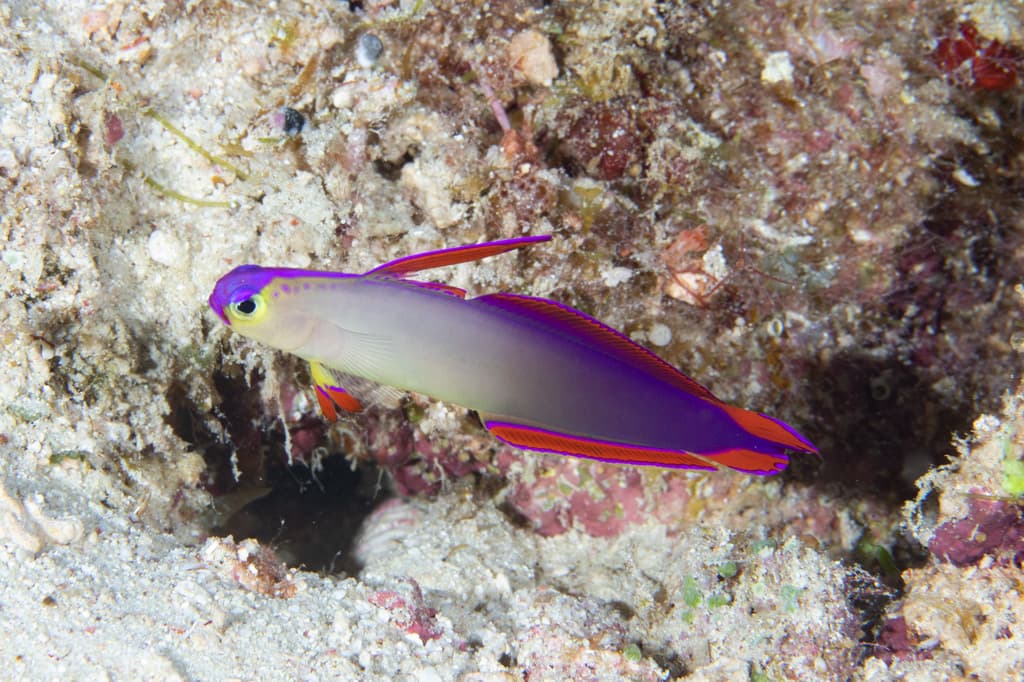
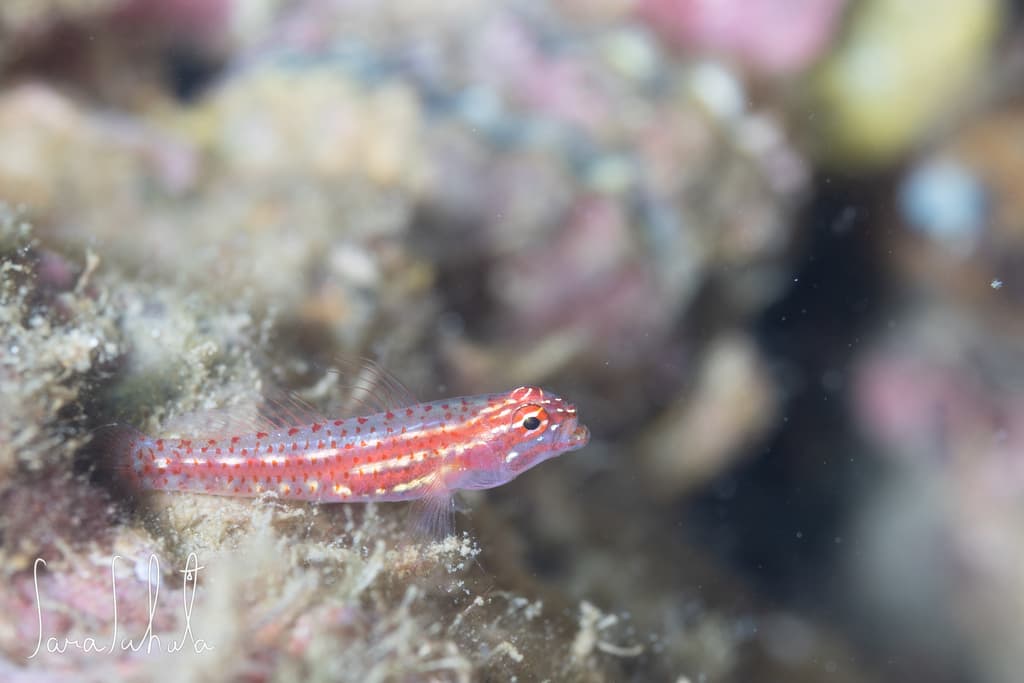
(c) さら, some rights reserved (CC BY-NC), uploaded by さら
Max Size
1"
Min Tank
5 gal
Lifespan
6-12 months
Origin
Western Pacific, Indonesia
Diet
Carnivore
Swims
Bottom
About
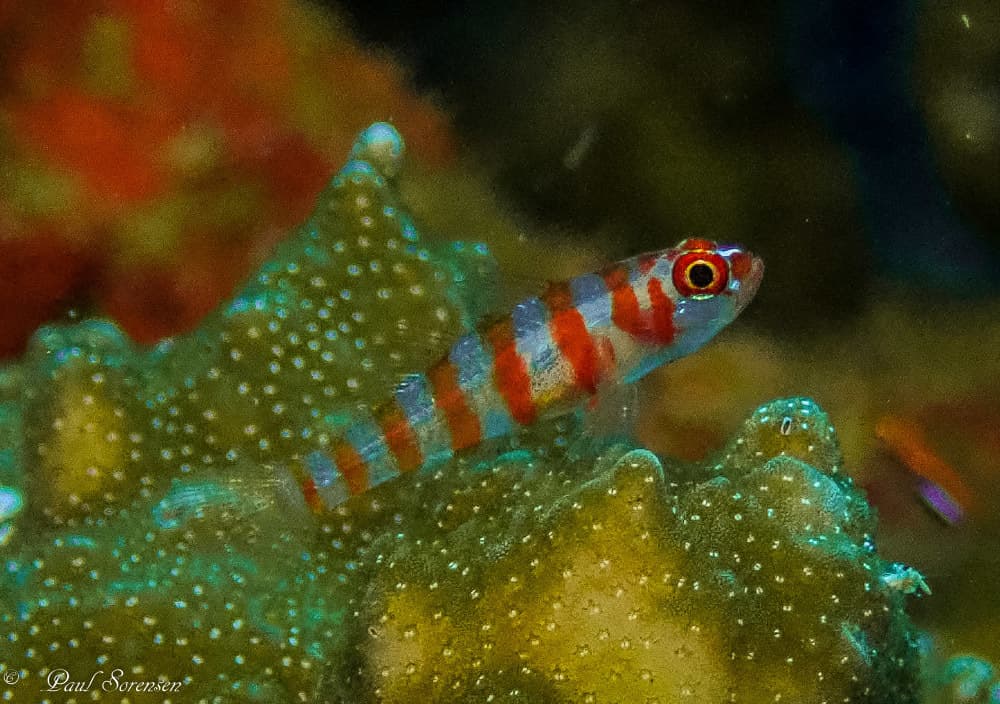
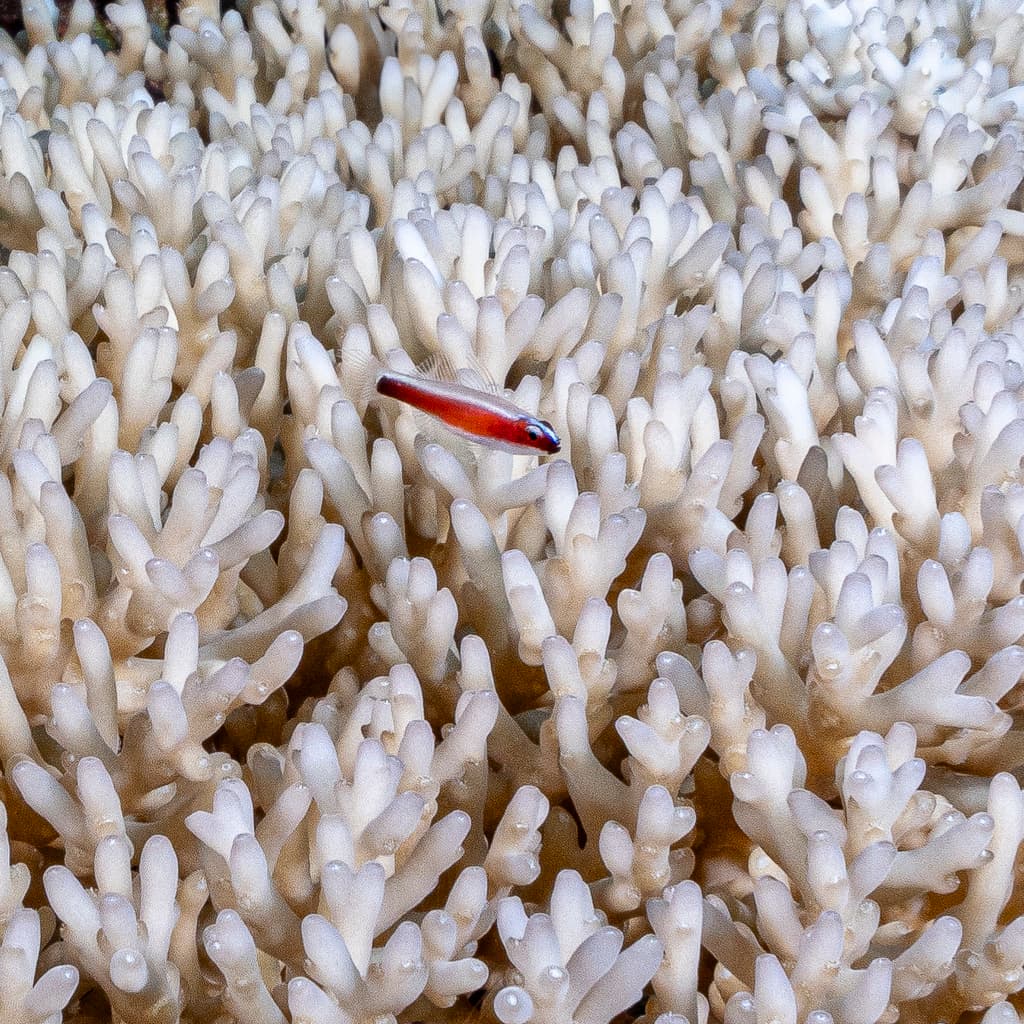
The Neon Pygmy Goby is one of the smallest vertebrate species kept in the marine aquarium hobby, reaching a maximum length of barely one inch. Its nearly transparent body reveals internal organs and the delicate skeletal structure beneath, while subtle neon-like highlights of pink, orange, or yellow shimmer along its flanks when caught by aquarium lighting. This ethereal, almost ghostly appearance gives the species a unique and delicate beauty.
Belonging to the genus Eviota, which contains some of the shortest-lived vertebrates on earth, the Neon Pygmy Goby has a naturally brief lifespan of approximately 6 to 12 months in the wild. Even under ideal captive conditions, hobbyists should expect a lifespan of roughly one year. Despite this brevity, the species compensates with rapid maturity and frequent spawning, making it a fascinating subject for those interested in the biology of micro-vertebrates.
This species is exclusively suited to nano reef aquariums, where its tiny size and minimal bioload can be properly managed. A 5-gallon nano tank provides adequate space for a small group. The Neon Pygmy Goby spends its time hovering near rocky surfaces and coral branches, darting out to capture passing zooplankton. Its extremely small mouth necessitates the provision of micro-sized food items such as live copepods and rotifers for optimal nutrition.
Feeding & Diet
Carnivore
Neon Pygmy Gobies are micro-predators that feed on tiny copepods, rotifers, and zooplankton. In captivity, provide live copepods, frozen cyclops, and baby brine shrimp. Their minute mouths cannot accept standard-sized frozen foods. A refugium producing live copepods is highly beneficial.
Compatibility
reef-safepeacefulbottom-dwellernano-reef
Neon Pygmy Gobies can only be kept with other micro-sized, completely peaceful species. Any fish larger than about 2 inches may view them as food. Best kept in species-specific nano tanks or with other pygmy gobies, tiny shrimp, and snails.
Check CompatibilityBreeding
Moderate
Eviota species mature rapidly and spawn frequently, often within weeks of hatching. Pairs deposit tiny clutches of eggs on hard surfaces. The larvae are exceptionally small and require live rotifers and phytoplankton for successful rearing.
Special Requirements
- Extremely tiny species requiring micro-sized food items
- Live copepod cultures or a refugium highly recommended
- Best suited for dedicated nano reef aquariums of 5+ gallons
- Very short natural lifespan of 6-12 months
- Cannot be housed with any fish large enough to eat it
- Stable water parameters critical due to small body size
Water Parameters
Temperature72–80°F
Specific Gravity1.02–1.026 sg
pH8.1–8.4
Alkalinity8–12 dKH
Coloration
translucentpinkorange
Tags
reef-safepeacefulbottom-dwellernano-reef