IntermediatePeacefulReef Safe
Brahm Eviota
Eviota brahmi
Family: Gobiidae · Gobies
Also known as: Brahm's Pygmy Goby, Brahm's Dwarfgoby, Brahm's Eviota Goby
(c) John Thorogood, some rights reserved (CC BY-NC)
Max Size
0.8"
Min Tank
10 gal
Lifespan
1-2 years
Origin
Indonesia, Western Pacific
Diet
Carnivore
Swims
Bottom
About
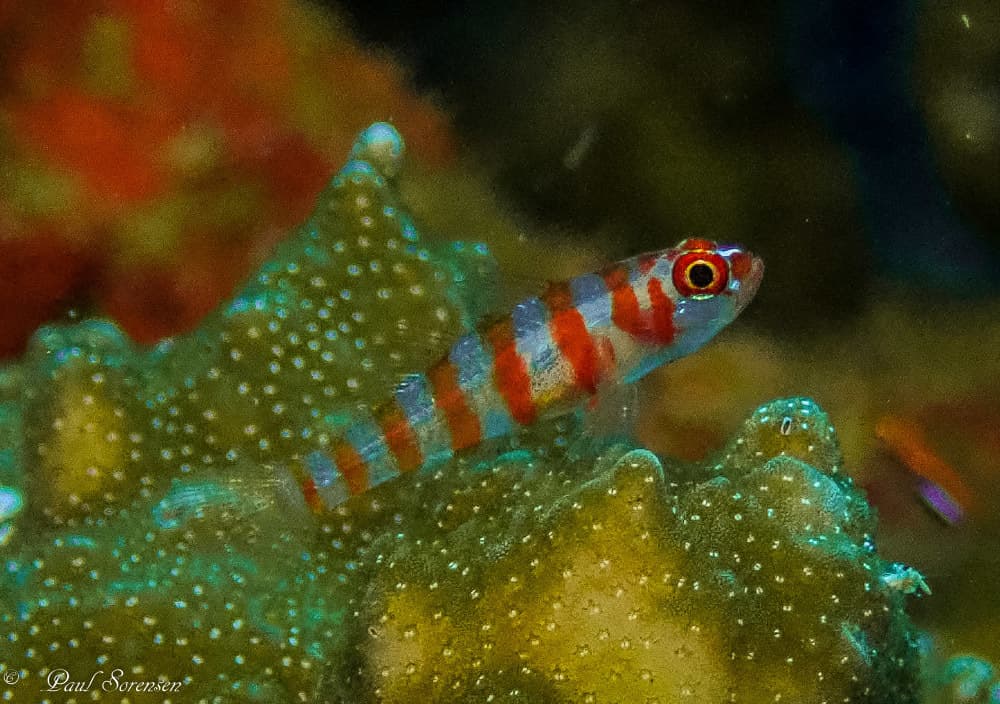
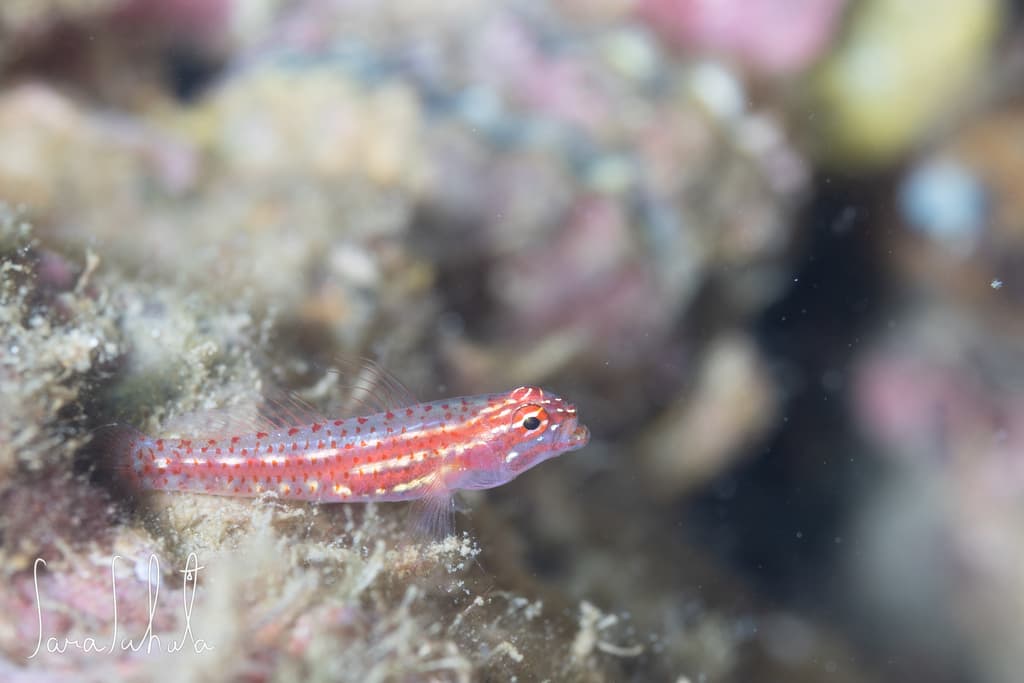
The Brahm Eviota is one of the tiniest vertebrate species available in the marine aquarium trade, reaching a maximum size of just 0.8 inches. This diminutive goby was among the first Eviota species to be successfully captive bred by Biota Marine Life, a milestone achievement that made this obscure micro-fish accessible to nano reef enthusiasts worldwide. Its translucent body displays subtle orange-red markings that become more vivid under quality aquarium lighting.
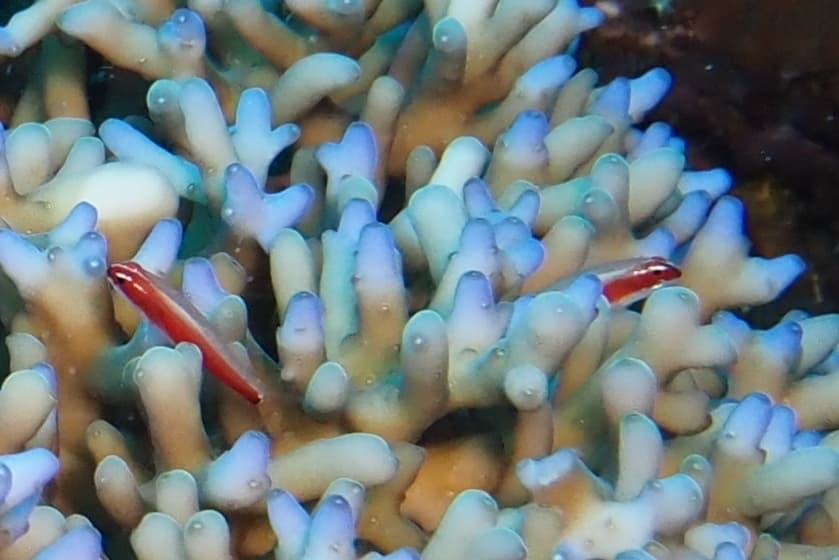
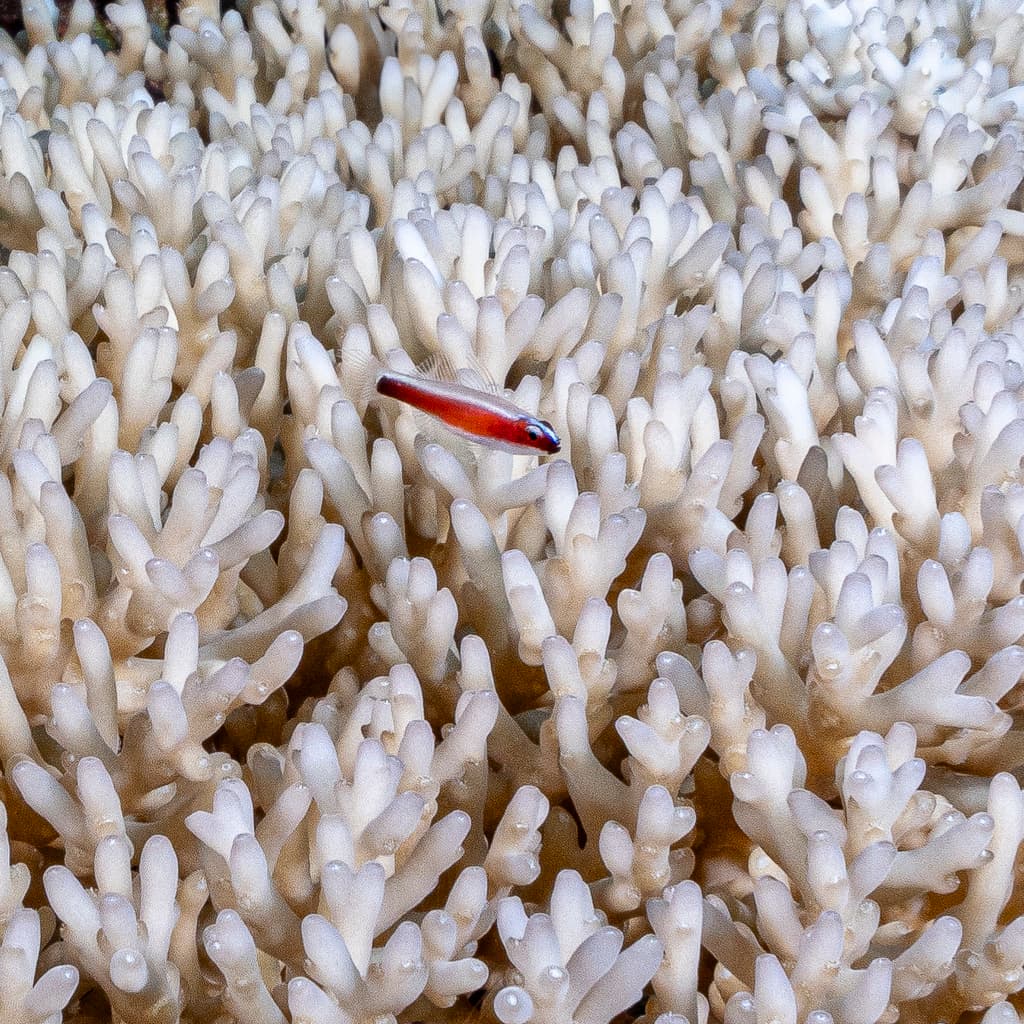
As a hermaphroditic species, Brahm Eviota possesses the remarkable ability to change sex depending on social dynamics within a group. This reproductive flexibility means that any two individuals can potentially form a breeding pair, which is advantageous for both wild populations and captive breeding programs. In the wild, these gobies inhabit sheltered coral rubble zones and the branches of staghorn corals in shallow Indonesian reef flats.
Despite its minuscule size, the Brahm Eviota is a surprisingly engaging aquarium inhabitant. It perches on rock surfaces and coral branches, making short darting flights to capture passing micro-organisms. A dedicated nano reef with stable parameters and a healthy population of copepods is essential for long-term success with this species.
Feeding & Diet
Carnivore
Brahm Eviota are micro-predators that feed on tiny copepods, amphipods, and zooplankton in the wild. In captivity, provide live copepods, frozen cyclops, and baby brine shrimp. A refugium producing live pods is highly beneficial as their tiny mouths cannot handle standard-sized frozen foods.
Compatibility
reef-safepeacefulnano-reefbottom-dweller
Brahm Eviota must be kept exclusively with other micro-sized peaceful species. Any fish larger than about 2 inches may view them as prey. Ideal companions include other Eviota species, sexy shrimp, and small snails in a dedicated nano setup.
Check CompatibilityBreeding
Moderate
As a hermaphroditic species, any two Brahm Eviota can potentially form a breeding pair. They deposit tiny egg clutches on hard surfaces. Biota Marine Life achieved the first captive breeding of this species. Larvae are extremely small and require live rotifers for initial feeding.
Special Requirements
- Extremely tiny species requiring micro-sized food items
- Live copepod cultures or a refugium highly recommended
- Best suited for dedicated nano reef aquariums
- Cannot be housed with any fish large enough to eat it
- Stable water parameters critical due to very small body size
- Hermaphroditic — any two individuals can form a breeding pair
Water Parameters
Temperature74–80°F
Specific Gravity1.02–1.026 sg
pH8.1–8.4
Alkalinity8–12 dKH
Coloration
translucentorangered
Tags
reef-safepeacefulnano-reefbottom-dweller