IntermediatePeacefulReef Safe
Firecracker Goby
Trimma cana
Family: Gobiidae · Gobies
Also known as: Candy Cane Pygmy Goby, Red-Spotted Pygmy Goby
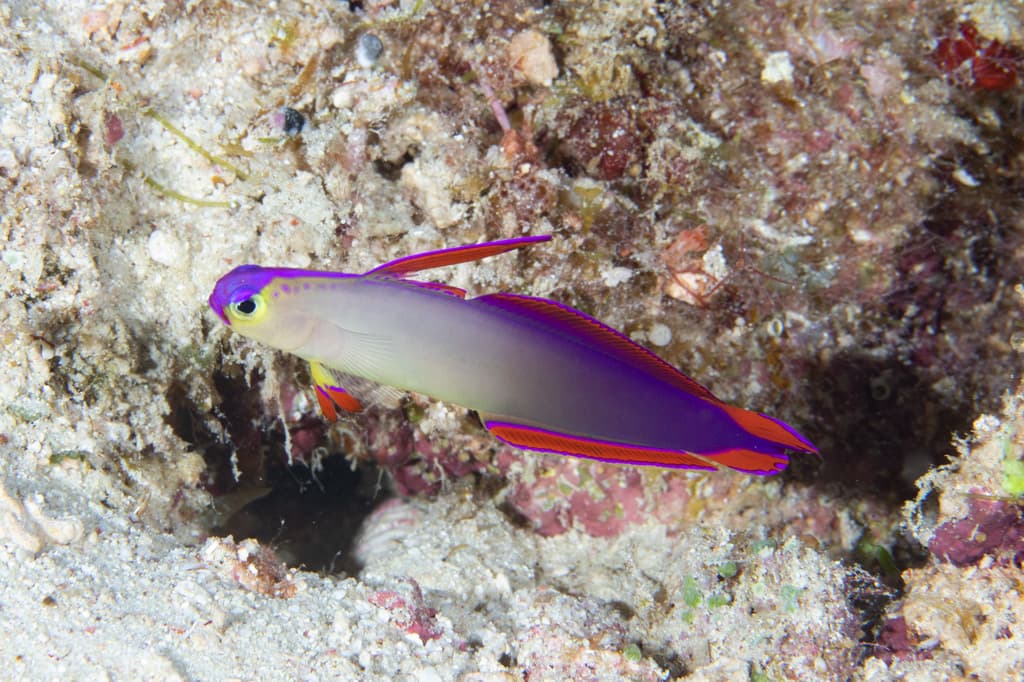
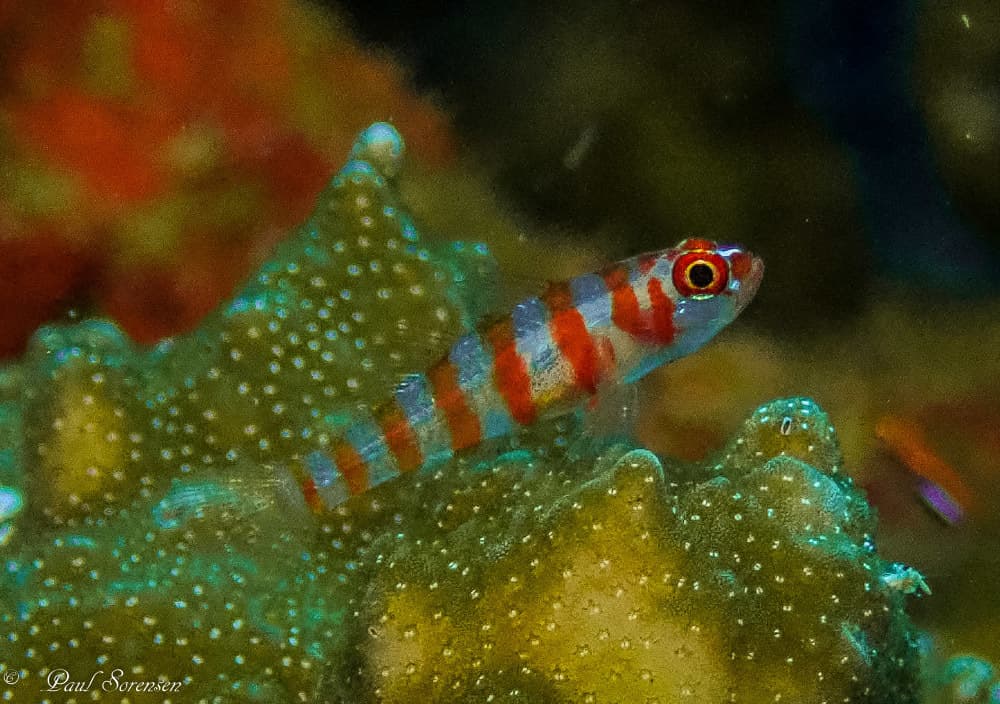
(c) Paul Sorensen, some rights reserved (CC BY-NC)
Max Size
1"
Min Tank
5 gal
Lifespan
1-2 years
Origin
Western Pacific, Indonesia
Diet
Carnivore
Swims
Bottom
About
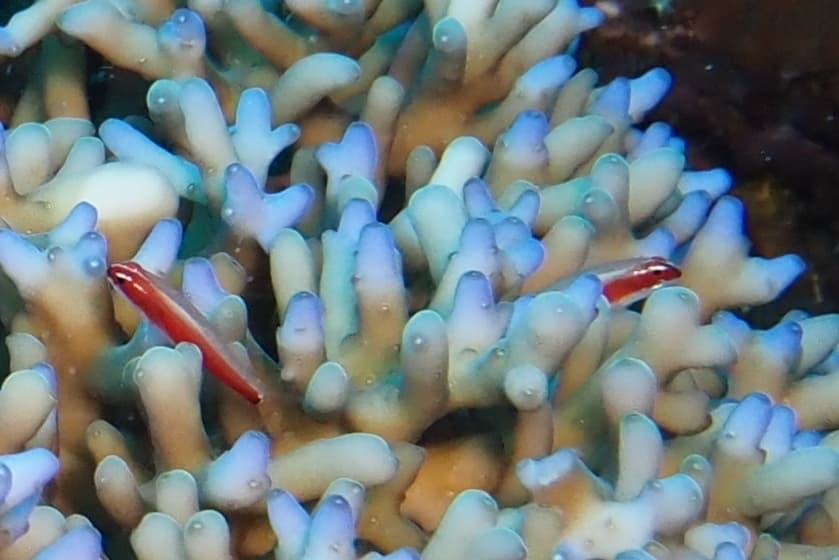
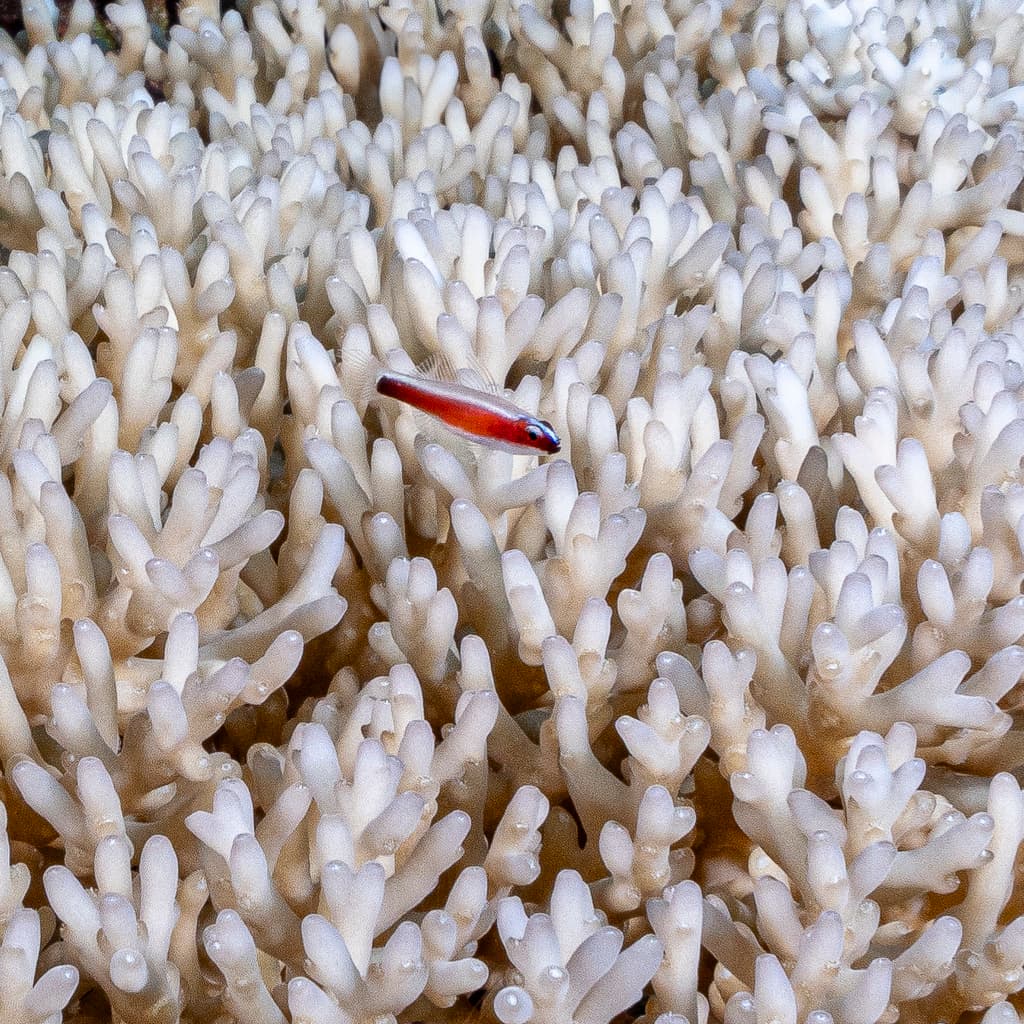
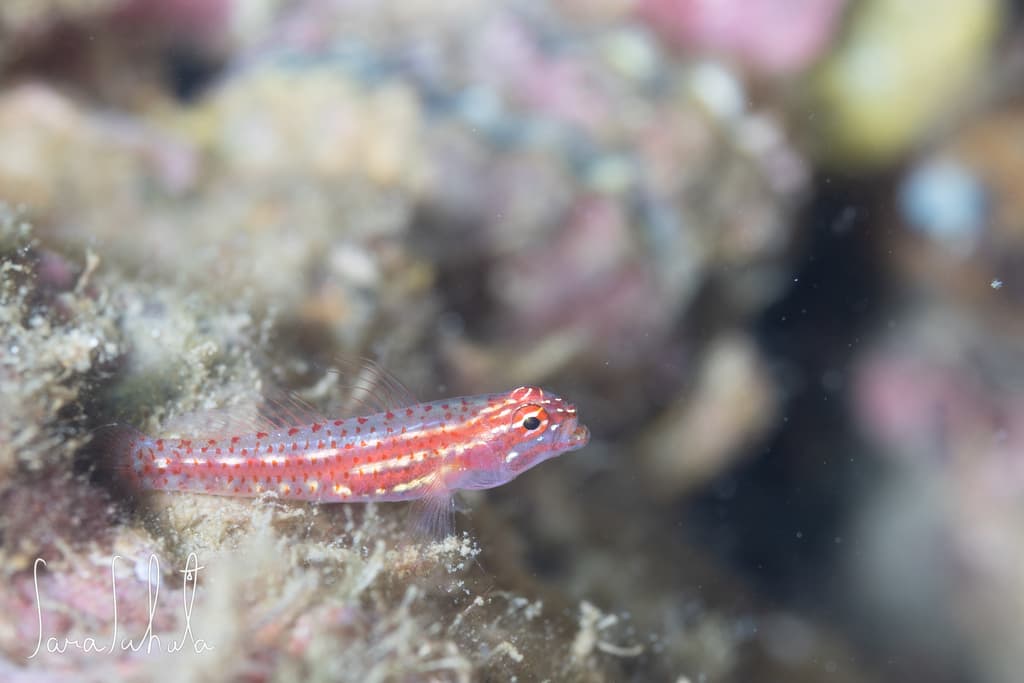
The Firecracker Goby is a dazzling micro-species that packs an incredible amount of color into a body barely reaching one inch in length. Its translucent body is suffused with vivid orange-red coloration, often with scattered iridescent spots that sparkle under aquarium lighting. Despite its diminutive size, this tiny goby has bold coloring that draws the eye and adds a vibrant accent to nano reef aquariums.
Belonging to the genus Trimma, one of the most species-rich genera of coral reef fishes, the Firecracker Goby is a perching species that spends its time hovering near or resting on rocky surfaces, coral branches, and rubble. In the wild, it inhabits sheltered reef slopes and lagoons, often found in small aggregations near overhangs and crevices. Its preference for sheltered microhabitats makes it ideal for densely aquascaped nano tanks.
This species is well suited for dedicated nano reef aquariums as small as 5 gallons. Its tiny size means it poses no threat to any corals or invertebrates and produces an insignificant bioload. However, its small mouth requires appropriately sized food particles, and it can be outcompeted by larger, more aggressive feeders. Best kept in species-specific nano setups or with other very small, peaceful fish such as other pygmy gobies or small shrimp.
Feeding & Diet
Carnivore
Firecracker Gobies are carnivores that feed on tiny copepods, amphipods, and zooplankton in the wild. In captivity, offer live or frozen cyclops, baby brine shrimp, and other micro-sized foods. Their tiny mouths cannot handle standard-sized frozen foods, so appropriately small food items are essential.
Compatibility
reef-safepeacefulbottom-dwellernano-reef
Firecracker Gobies are extremely peaceful and can only be housed with other tiny, gentle species. They are easily outcompeted and potentially eaten by larger fish. Best kept in dedicated nano setups or with other pygmy gobies, small shrimp, and snails.
Check CompatibilityBreeding
Difficult
Trimma gobies are known to spawn readily in captivity, depositing eggs on hard surfaces. However, the larvae are extremely tiny and require microscopic live foods such as rotifers and copepod nauplii for successful rearing.
Special Requirements
- Extremely small species requiring micro-sized food particles
- Ideal for nano reef aquariums of 5 gallons or more
- Provide rocky perching sites and sheltered crevices
- Avoid housing with large or aggressive feeders
- Short natural lifespan of 1-2 years typical for pygmy gobies
- Live copepod cultures beneficial for supplemental feeding
Water Parameters
Temperature72–80°F
Specific Gravity1.02–1.026 sg
pH8.1–8.4
Alkalinity8–12 dKH
Coloration
orangered
Tags
reef-safepeacefulbottom-dwellernano-reef