IntermediateSemi-AggressiveReef SafeIUCN: Not Evaluated
Sebae Clownfish
Amphiprion sebae
Family: Pomacentridae · Clownfish
Also known as: Sebae Anemonefish, Yellow-tailed Clownfish
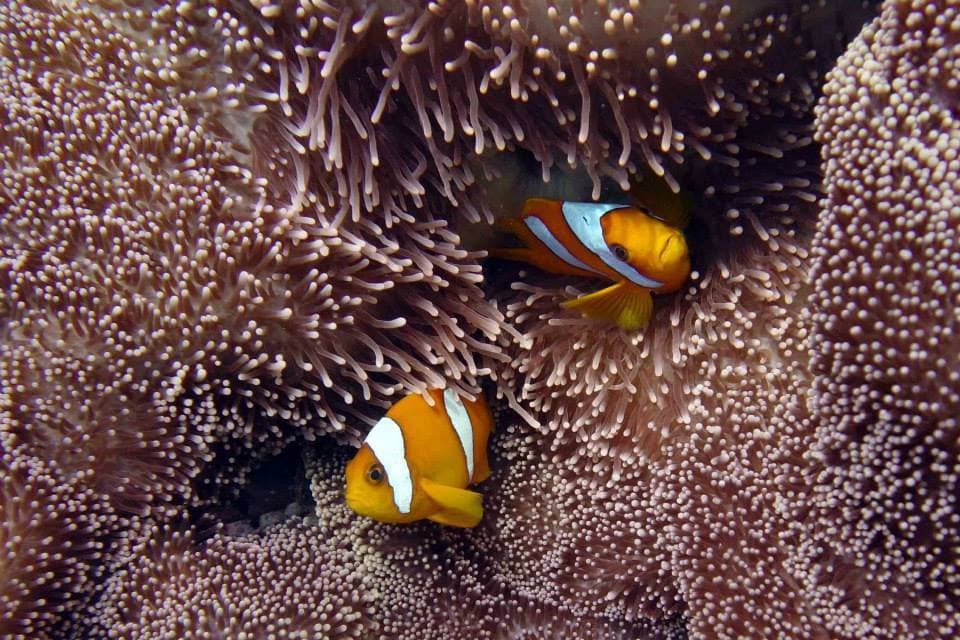
(c) kuroshio, some rights reserved (CC BY-NC)
Max Size
6"
Min Tank
30 gal
Lifespan
10-15 years
Origin
Indian Ocean, Arabian Sea
Diet
Omnivore
Swims
Middle
Did You Know?
- The Sebae Clownfish shows one of the strongest host preferences of any clownfish species, almost exclusively associating with the Sebae Anemone (Heteractis crispa) in the wild
- Despite its common name connection to the Sebae Anemone, the clownfish was actually named by the Dutch naturalist Bleeker in 1853 from specimens collected near India
- The bright yellow tail of the Sebae Clownfish becomes more vivid with age, with mature adults displaying the most intense yellow coloration
About
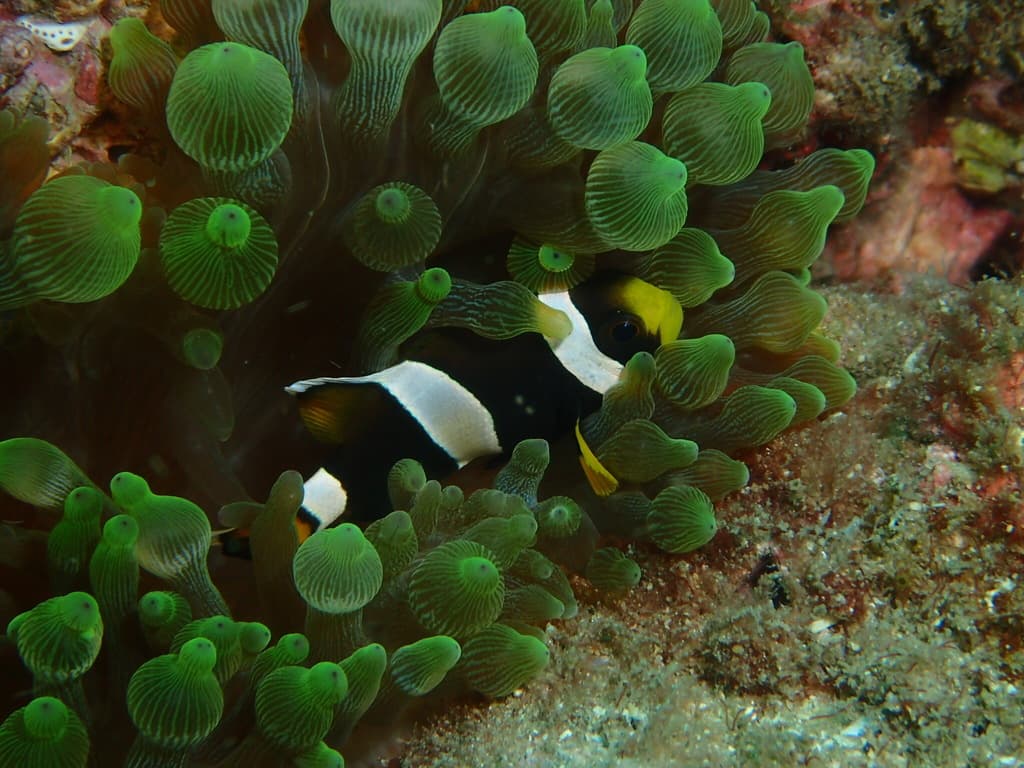
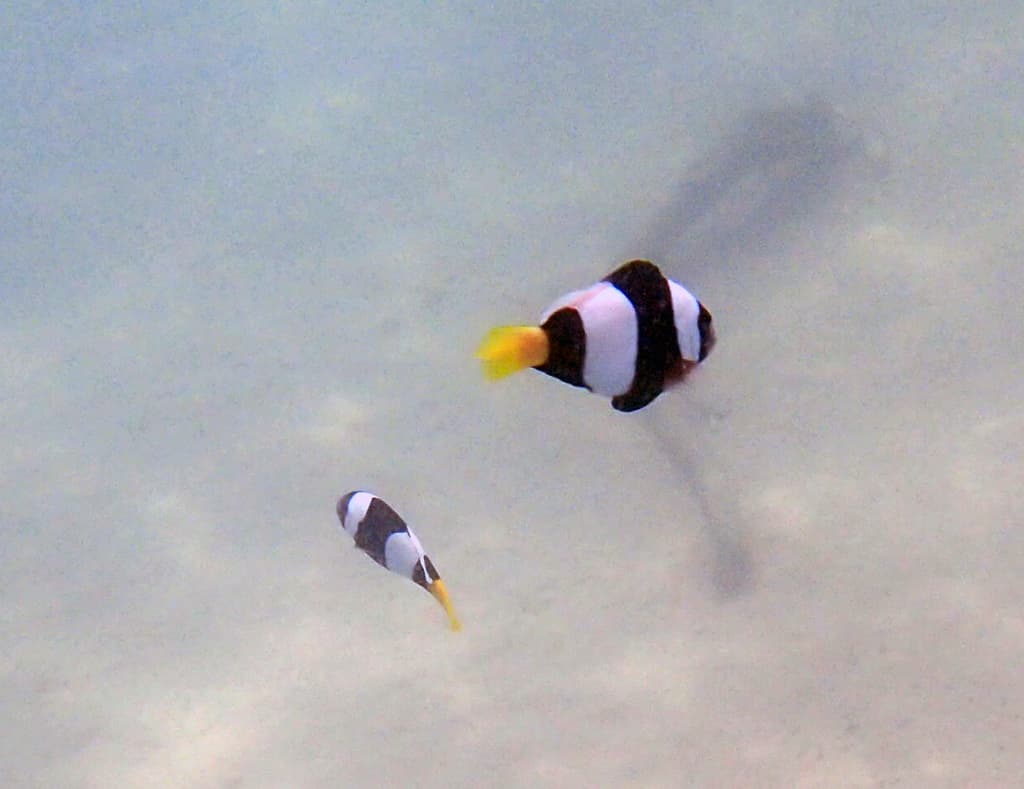
The Sebae Clownfish is an elegant and somewhat demanding anemonefish native to the northern Indian Ocean, from the Arabian Sea through the Maldives, Sri Lanka, and the coastal waters of India. Its body displays a rich dark brown to black coloration accented by two bold white vertical bars, one behind the eye and another at mid-body. The belly and ventral area often show a bright yellow hue, and the tail fin is typically vivid yellow, creating a striking contrast against the darker body. The overall effect is of a handsome, well-proportioned clownfish with clean, distinct markings.
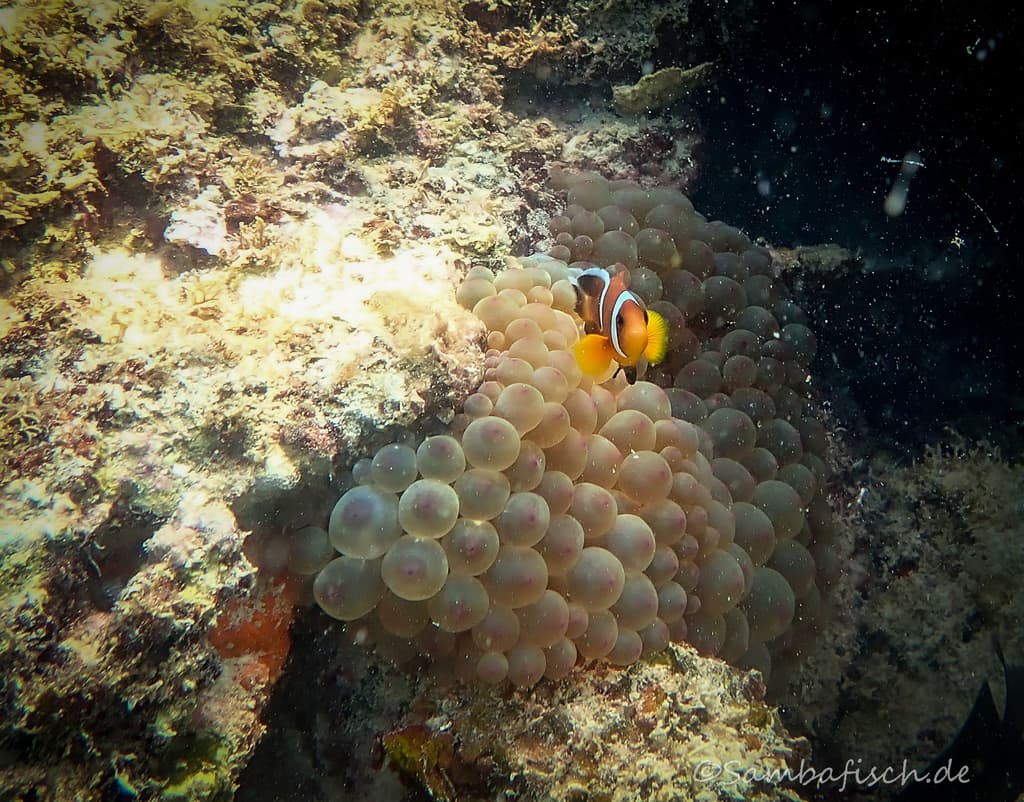
In the wild, the Sebae Clownfish is notable for its strong preference for a single host anemone species: the Sebae Anemone (Heteractis crispa). While it occasionally associates with other anemone species, it shows a marked preference for H. crispa that exceeds the host specificity of most other clownfish. This strong host preference can present challenges in captivity, as the Sebae Anemone is itself considered one of the more difficult host anemones to maintain long-term in aquariums. The species inhabits reef slopes and lagoons at moderate depths.
The Sebae Clownfish is rated as intermediate in care level due to its somewhat specific host preferences and the fact that wild-caught specimens can be sensitive during the initial acclimation period. Captive-bred specimens, when available, tend to be hardier and less dependent on a specific host anemone. Once established, the Sebae Clownfish is a long-lived and rewarding aquarium resident. It is semi-aggressive, with territorial behavior typical of mid-sized clownfish, and is completely reef-safe.
Feeding & Diet
Omnivore
The Sebae Clownfish is an omnivore that accepts most prepared aquarium foods including marine pellets, flakes, frozen mysis shrimp, enriched brine shrimp, and chopped seafood. Wild-caught specimens may be initially hesitant to feed but usually adapt within a few days. A varied and vitamin-enriched diet promotes health and maintains the species' distinctive yellow and brown coloration. Feed two to three times daily in small portions.
Compatibility
reef-safesemi-aggressiveterritorialpairs-wellintermediate-care
The Sebae Clownfish is semi-aggressive, with mature females becoming territorial around their host or nesting site. Should not be kept with other clownfish species. Compatible with tangs, wrasses, larger gobies, angelfish, and other moderately assertive community fish. May bully smaller, passive species near its territory. Completely reef-safe with all corals and invertebrates.
Check CompatibilityBreeding
Moderate
The Sebae Clownfish can be bred in captivity, though it is less commonly bred than Ocellaris or Percula clownfish. Mated pairs spawn on flat surfaces near their host anemone, with the male guarding clutches of 400-1000 eggs until hatching in 8-10 days. Larvae require rotifers as first food, transitioning to baby brine shrimp after one week. Captive-bred specimens are occasionally available from specialist breeders.
Special Requirements
- Intermediate care - wild-caught specimens may be sensitive during acclimation
- Strong host preference for Sebae Anemone (Heteractis crispa)
- Captive-bred specimens recommended for easier acclimation
- Best kept as a mated pair or single specimen
- Semi-aggressive when mature - provide adequate space for tankmates
- Stable water parameters important for long-term health
Water Parameters
Temperature74–82°F
Specific Gravity1.02–1.026 sg
pH8–8.4
Alkalinity8–12 dKH
Coloration
brownblackwhiteyellow
Tags
reef-safesemi-aggressiveterritorialpairs-wellintermediate-care