BeginnerSemi-AggressiveReef SafeIUCN: Least ConcernCaptive-Bred Available
Clark's Clownfish
Amphiprion clarkii
Family: Pomacentridae · Clownfish
Also known as: Clark's Anemonefish, Yellowtail Clownfish, Banded Clownfish
(c) Joe Rowlett, some rights reserved (CC BY-NC)
Max Size
5.5"
Min Tank
30 gal
Lifespan
10-15 years
Origin
Indo-Pacific, Western Pacific
Diet
Omnivore
Swims
Middle
Did You Know?
- Clark's Clownfish is the only clownfish species known to associate with all ten species of host anemones, making it the most versatile anemonefish in the world
- Due to its vast geographic range, Clark's Clownfish exhibits more color variation than any other clownfish species, with regional variants ranging from jet black to bright yellow
- Clark's Clownfish has been observed in the wild at depths exceeding 50 meters, far deeper than most other clownfish species
About
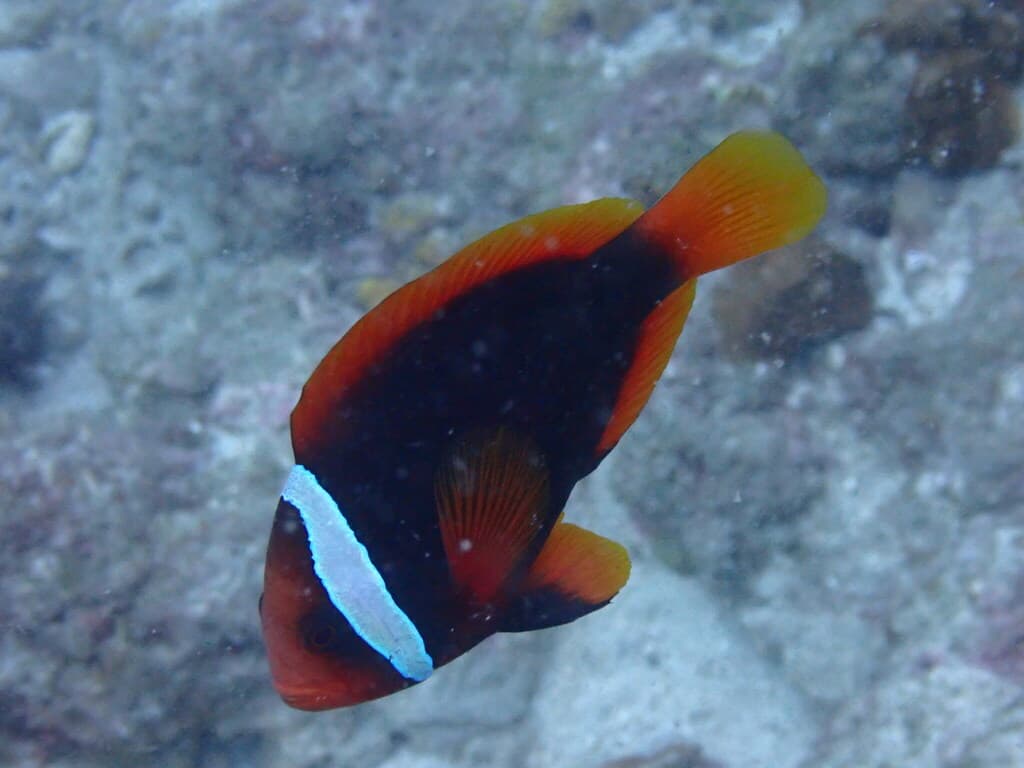
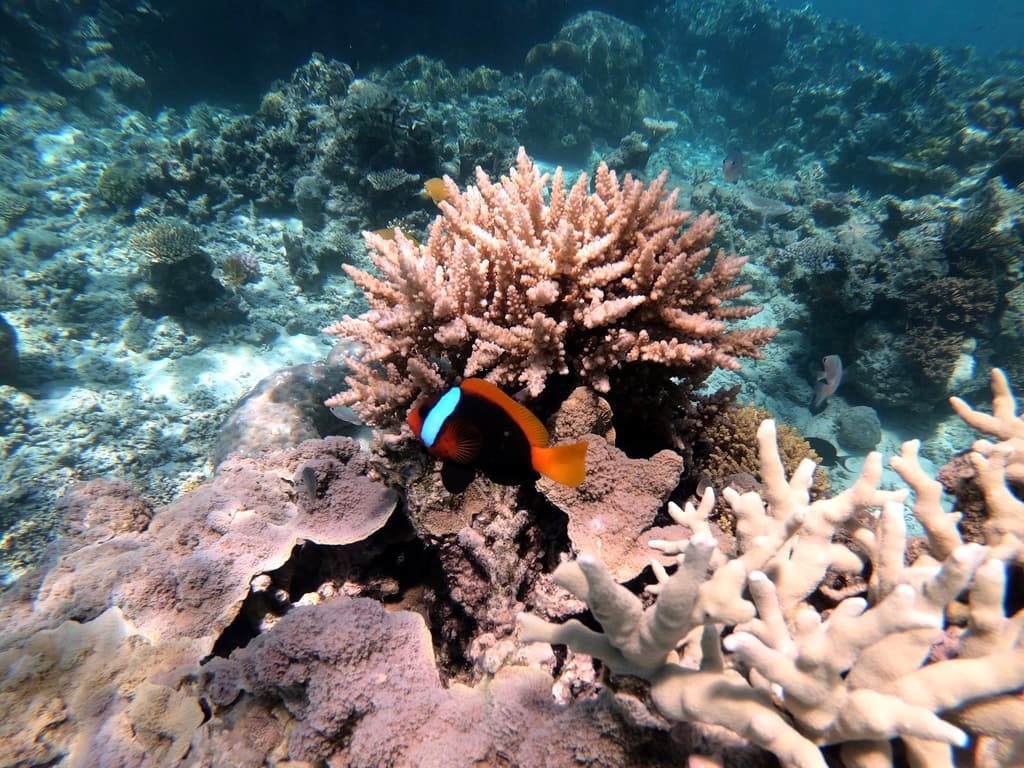
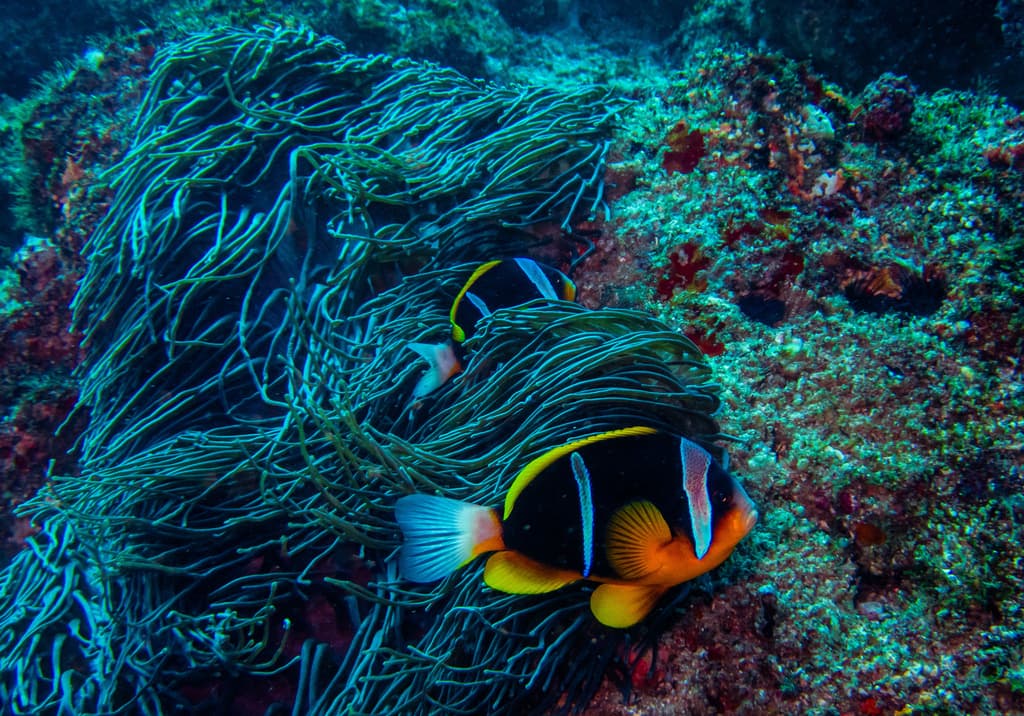
Clark's Clownfish is one of the most widespread and versatile clownfish species in the world, found across the entire Indo-Pacific region from the Persian Gulf and Red Sea to the islands of Micronesia and Melanesia. This remarkable geographic range has produced a tremendous variety of color morphs, with individuals displaying combinations of yellow, orange, brown, and black body coloration, always accented by two or three bold white bars. The tail fin is typically bright yellow regardless of body color, which gives rise to the common name Yellowtail Clownfish. This species is larger and more robust than many other clownfish, with females reaching up to 5.5 inches in captivity.
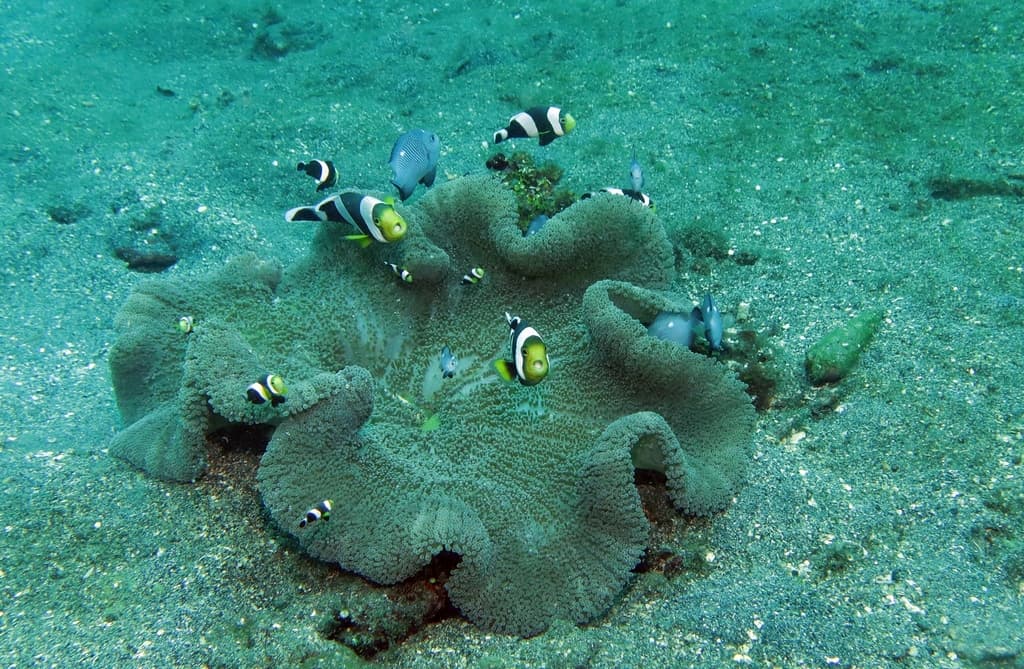
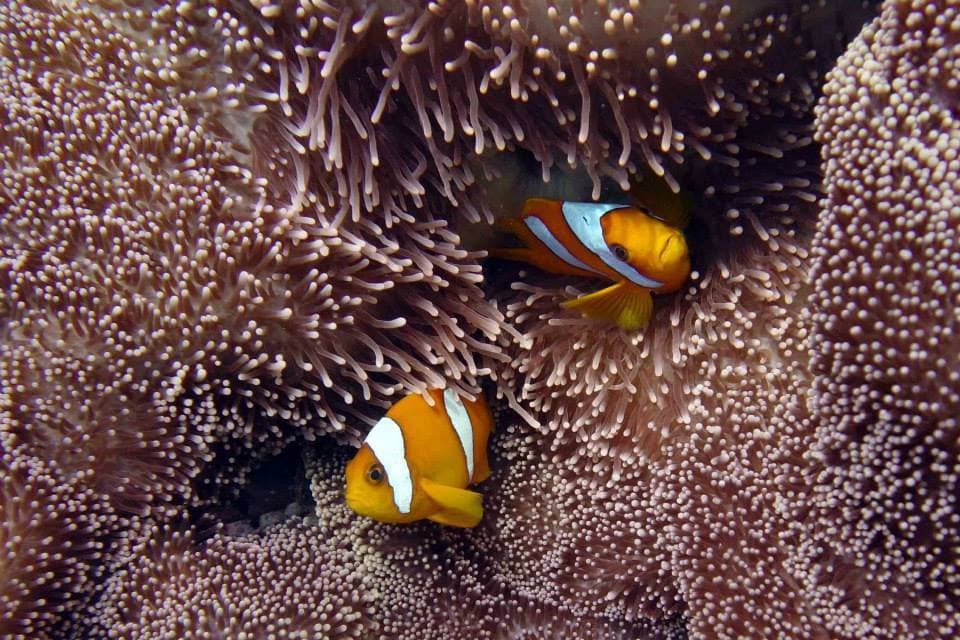
In the wild, Clark's Clownfish is the most adaptable of all anemonefish when it comes to host selection. It has been documented associating with all ten known species of host anemones, a distinction no other clownfish species can claim. This generalist approach extends to aquarium life, where Clark's Clownfish readily accepts Bubble Tip Anemones, Carpet Anemones, and Sebae Anemones, among others. It is also perfectly content without a host anemone, often adopting coral colonies, powerheads, or other structures as substitute homes.
As one of the hardiest marine fish available, Clark's Clownfish is an excellent choice for beginning aquarists. It tolerates a wide range of water parameters, eagerly accepts all prepared foods from the moment of introduction, and is highly resistant to common marine diseases. However, prospective keepers should be aware that this species is more assertive than the gentler Ocellaris or Percula clownfish. Mature females can become quite territorial and may bully smaller, more passive tankmates. Best kept as a mated pair, Clark's Clownfish breeds readily in captivity and is widely available as captive-bred specimens in a variety of regional color variants.
Feeding & Diet
Omnivore
Clark's Clownfish are enthusiastic omnivores that accept virtually all prepared aquarium foods including marine pellets, flake food, frozen mysis shrimp, brine shrimp, and chopped seafood. They benefit from a varied diet that includes both meaty and algae-based foods. Vitamin-enriched preparations help maintain vibrant coloration. Feed two to three times daily in small portions.
Compatibility
reef-safesemi-aggressiveterritorialpairs-wellbeginner-friendlycaptive-bred-available
Clark's Clownfish is more assertive than Ocellaris and Percula clownfish but less aggressive than Maroon Clownfish. Mature females can become territorial, particularly around their chosen host or nesting site. Should not be kept with other clownfish species. Compatible with tangs, wrasses, angelfish, and other moderately assertive community fish. Completely reef-safe and will not harm corals or invertebrates.
Check CompatibilityBreeding
Easy
Clark's Clownfish is one of the easiest marine fish to breed in captivity. Mated pairs spawn regularly on flat surfaces near their host anemone or chosen territory, with clutches of 500-1000 eggs. The male guards and aerates the eggs, which hatch in 8-10 days depending on temperature. Larvae require rotifers and phytoplankton as first foods, transitioning to baby brine shrimp after approximately one week.
Special Requirements
- Best kept as a mated pair or single specimen
- Moderately territorial - provide adequate space for tankmates to retreat
- Associates with all ten host anemone species
- Captive-bred specimens widely available in many color variants
- Provide moderate to strong water flow
Water Parameters
Temperature74–82°F
Specific Gravity1.02–1.026 sg
pH7.8–8.4
Alkalinity8–12 dKH
Coloration
yelloworangebrownblackwhite
Tags
reef-safesemi-aggressiveterritorialpairs-wellbeginner-friendlycaptive-bred-available