IntermediateSemi-AggressiveNot Reef Safe
Queen Coris
Coris formosa
Family: Labridae · Wrasses
Also known as: Queen Coris Wrasse, Formosa Wrasse, Queen Wrasse
(c) Benjamin Turman, all rights reserved
Max Size
24"
Min Tank
180 gal
Lifespan
10-15 years
Origin
Indo-Pacific, Indian Ocean
Diet
Carnivore
Swims
Middle
About
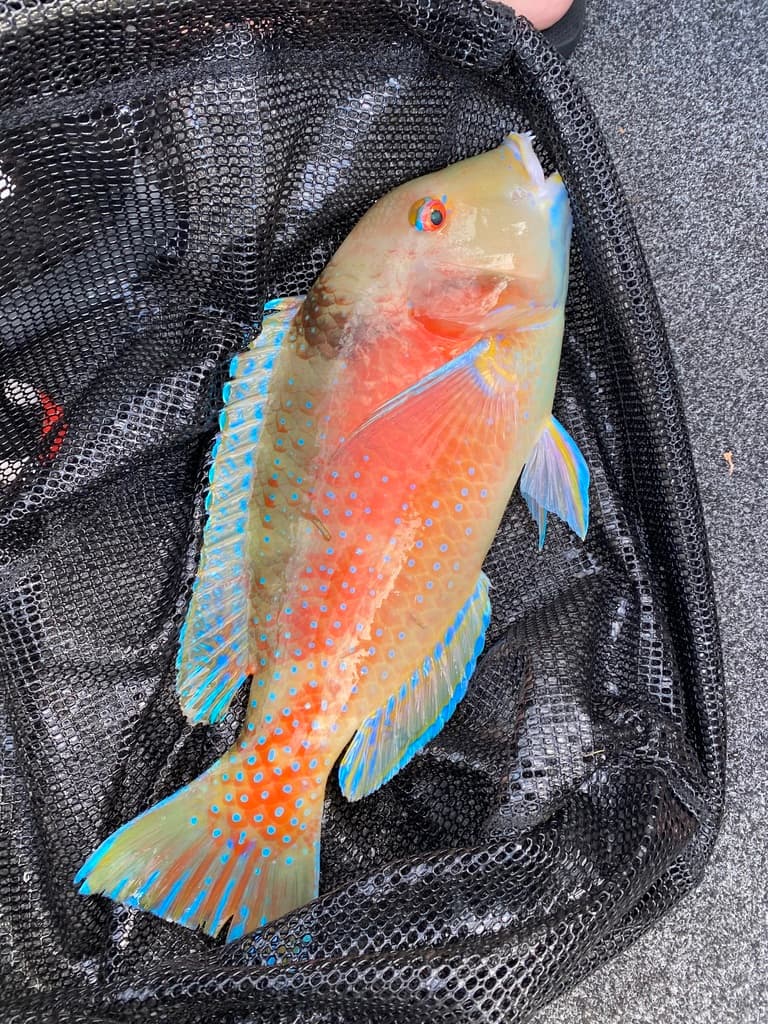
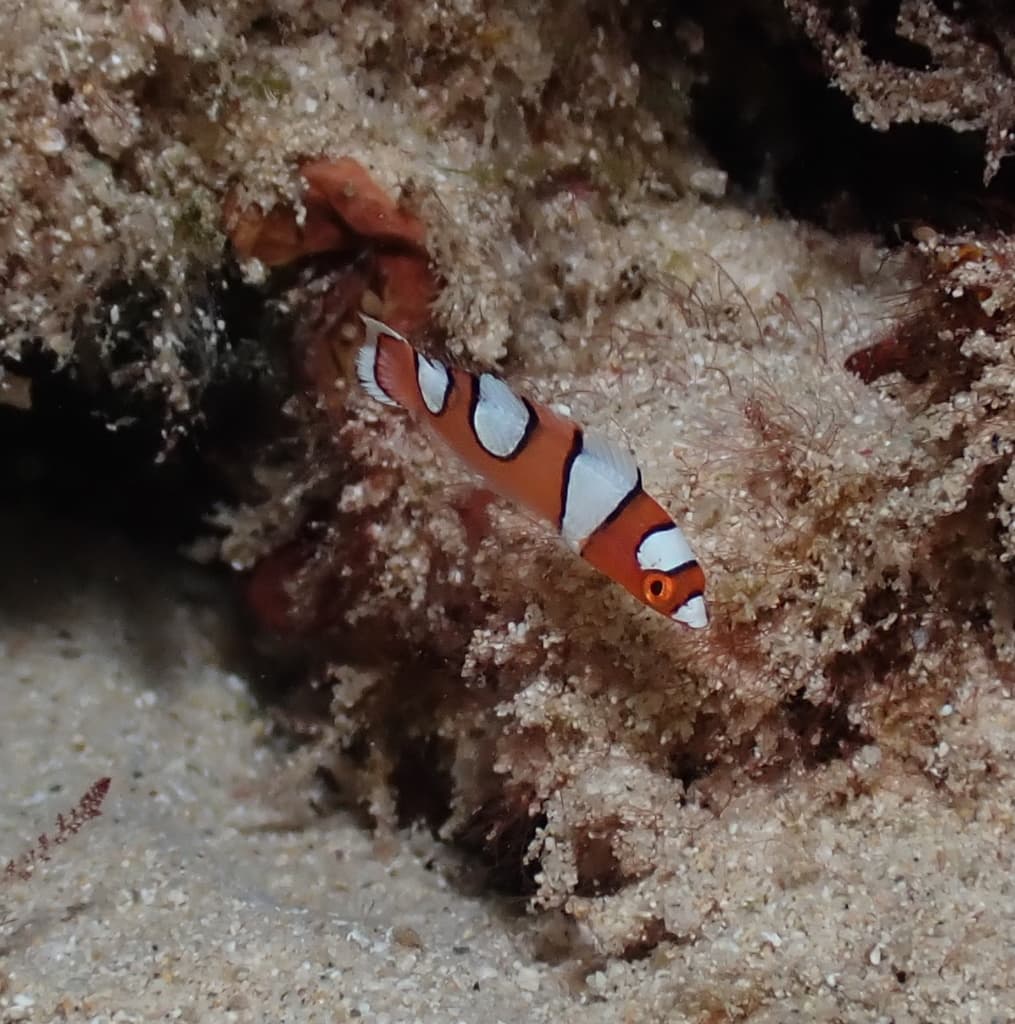
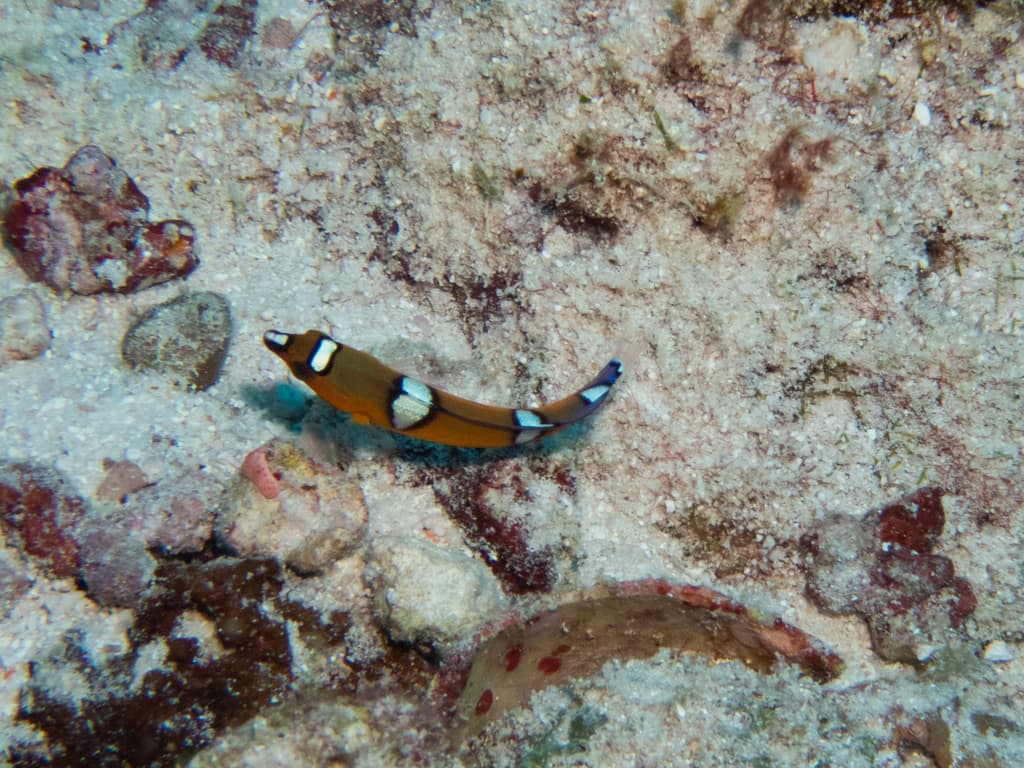
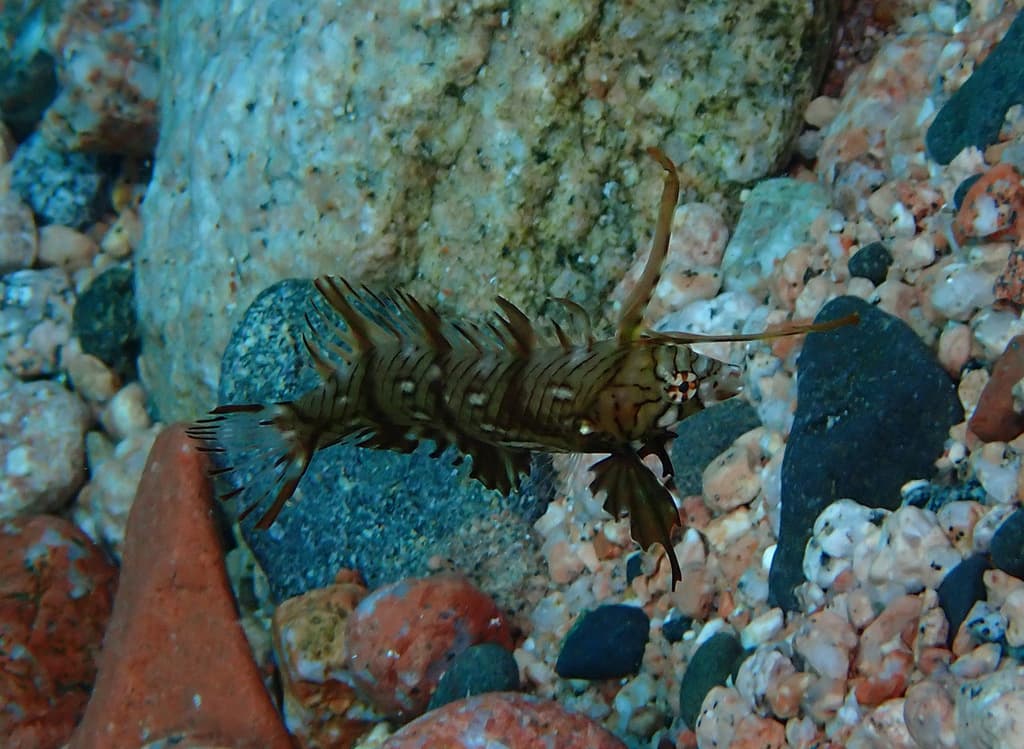
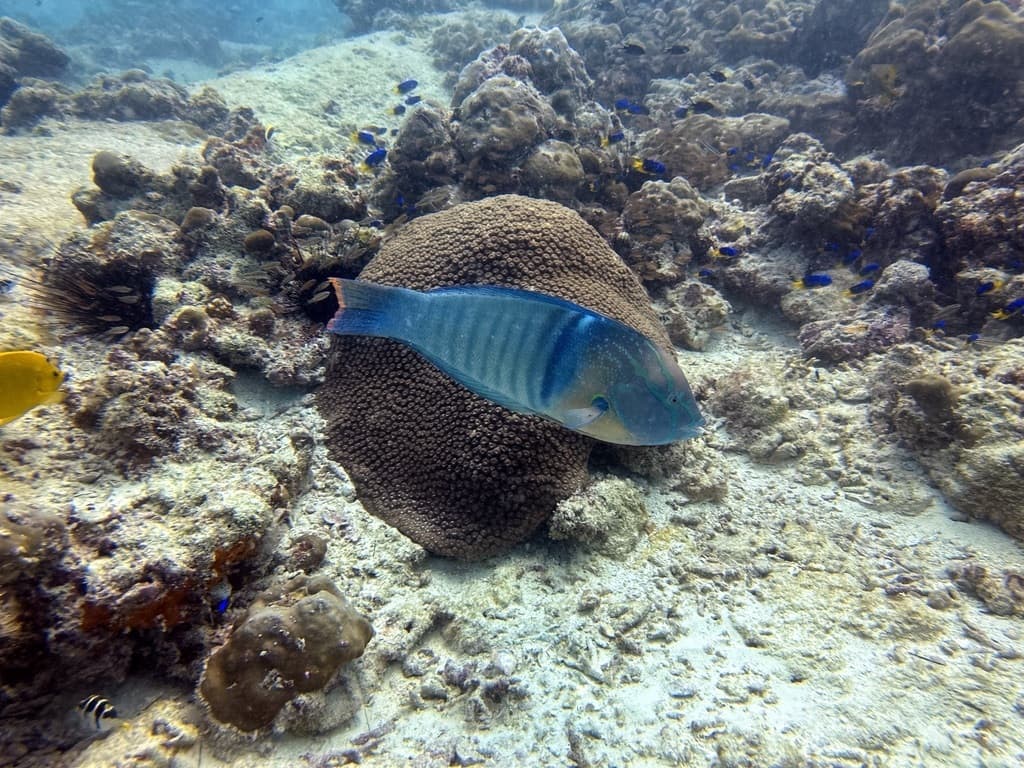
The Queen Coris is a large and spectacularly colored wrasse that undergoes one of the most dramatic color transformations in the marine fish world. Juveniles are strikingly beautiful with a vivid orange-red body adorned with bold white patches outlined in black, making them highly attractive to aquarists. However, as they mature, their appearance changes completely to a blue-green body with subtle striping and a distinctly different head pattern.
This species is a powerful and active swimmer that requires considerable space in captivity. In the wild, Queen Coris Wrasses inhabit sandy areas adjacent to coral reefs where they use their strong jaws to crush and consume hard-shelled invertebrates including sea urchins, snails, hermit crabs, and clams. This predatory behavior toward invertebrates makes them completely unsuitable for reef aquariums with ornamental invertebrates.
Queen Coris Wrasses are hardy once established and adapt well to aquarium foods. They are semi-aggressive, particularly toward smaller wrasses and similar-shaped fish, and their large adult size means they need very spacious accommodations. A deep sand bed is essential as they bury themselves at night, and a secure lid is mandatory to prevent escape. Despite their invert-eating habits, they are impressive display fish for large fish-only systems.
Feeding & Diet
Carnivore
Queen Coris Wrasses are carnivores with powerful jaws designed for crushing hard-shelled prey. In the wild, they consume sea urchins, snails, hermit crabs, clams, and other invertebrates. In captivity, offer frozen mysis shrimp, krill, chopped clam, mussel, shrimp, and squid. They also accept high-quality marine pellets. Feed two to three times daily to support their active metabolism and large body size.
Compatibility
not-reef-safesemi-aggressivelarge-tankfish-only
The Queen Coris is semi-aggressive and may bully smaller wrasses and similarly shaped fish. It coexists well with large tangs, angelfish, groupers, and other robust species. It will consume virtually any invertebrate it can crush, making it completely unsuitable for reef tanks. Best kept in large fish-only systems with equally robust tankmates. Only one Queen Coris should be kept per tank unless the system is exceptionally large.
Check CompatibilityBreeding
Not bred in captivity
Queen Coris Wrasses are protogynous hermaphrodites. The dominant female in a group will transform into a male. Spawning occurs in the water column with pelagic eggs. Captive breeding has not been achieved for this species. All specimens in the trade are wild-caught.
Special Requirements
- Deep sand bed of 3+ inches required for sleeping
- Tight-fitting lid essential - powerful jumper
- Very large aquarium needed for adult size
- Will consume all ornamental invertebrates
- Dramatic juvenile to adult color change - plan accordingly
Water Parameters
Temperature74–80°F
Specific Gravity1.02–1.026 sg
pH8.1–8.4
Alkalinity8–12 dKH
Coloration
orangeredwhitebluegreen
Tags
not-reef-safesemi-aggressivelarge-tankfish-only