IntermediateSemi-AggressiveReef Safe with Caution
Paddlefin Wrasse
Thalassoma lucasanum
Family: Labridae · Wrasses
Also known as: Cortez Rainbow Wrasse, Cabo Wrasse
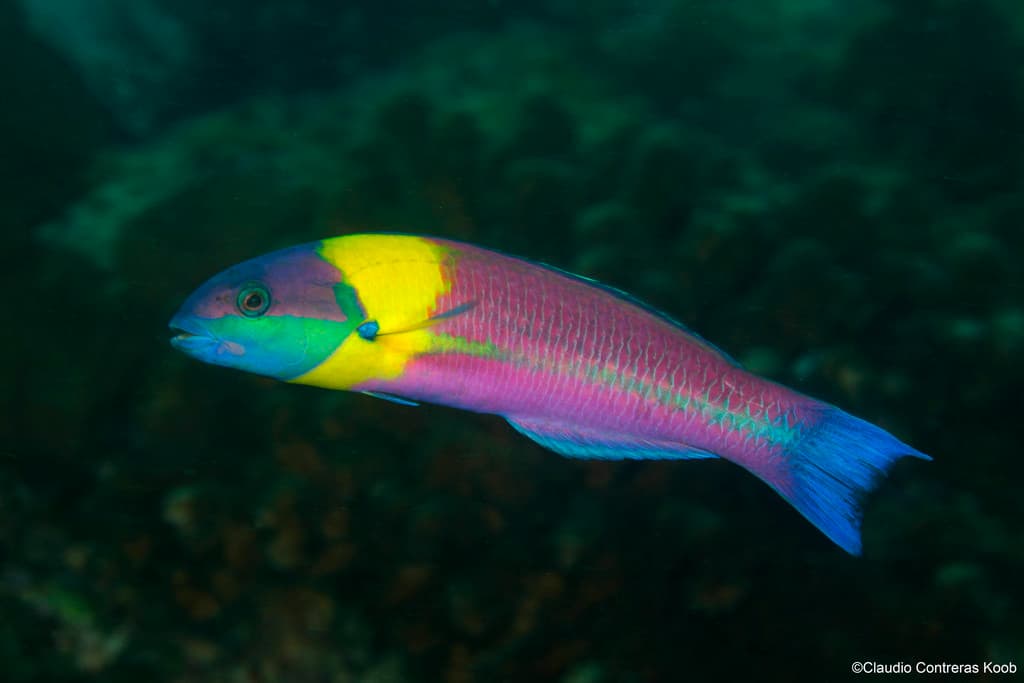
(c) Programa Marino del Golfo de California, some rights reserved (CC BY-NC-SA)
Max Size
6"
Min Tank
75 gal
Lifespan
5-8 years
Origin
Eastern Pacific, Sea of Cortez
Diet
Carnivore
Swims
All
About
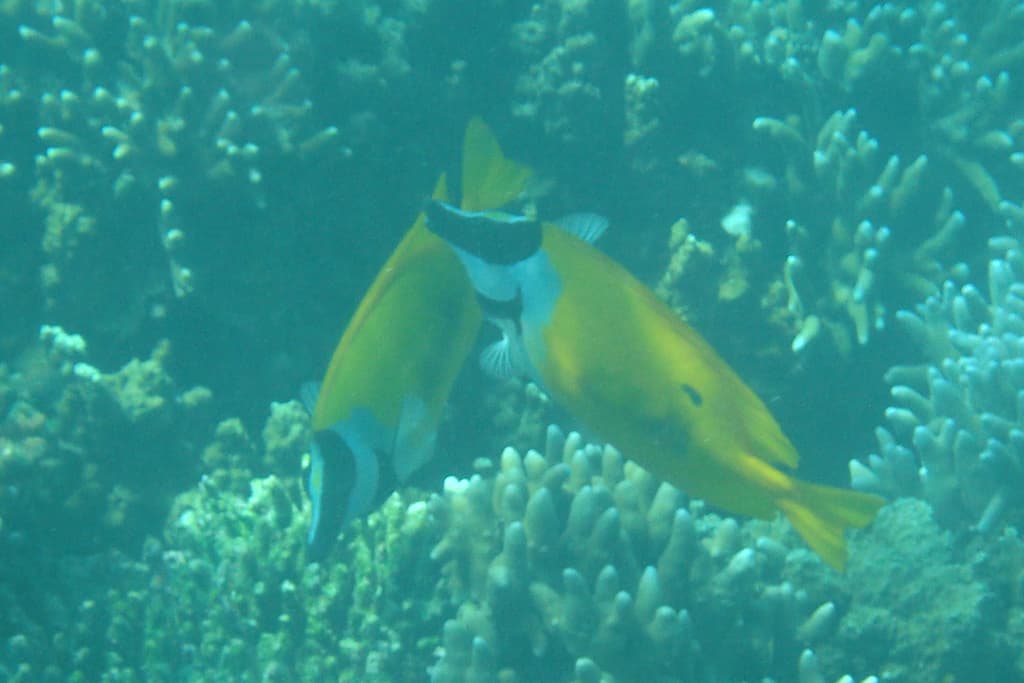
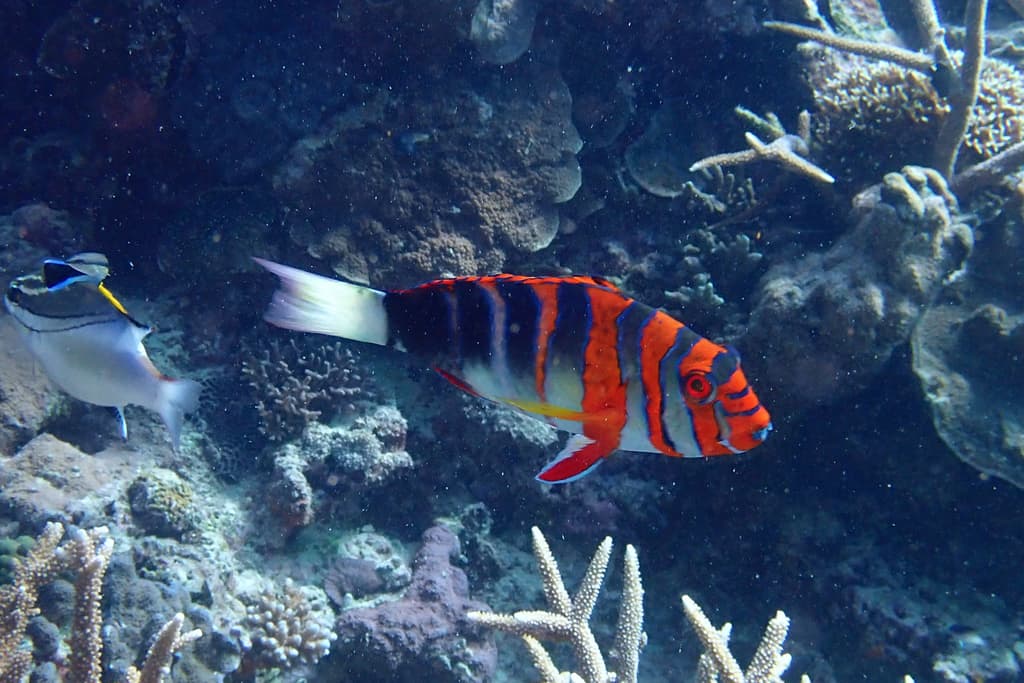
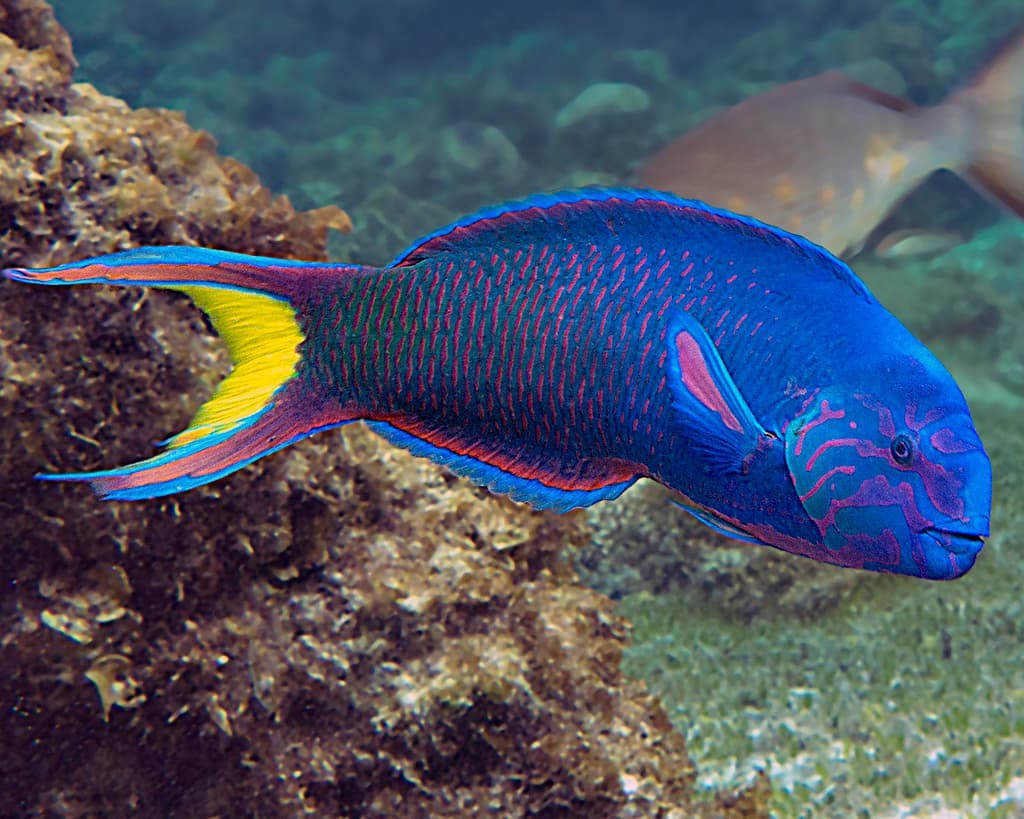
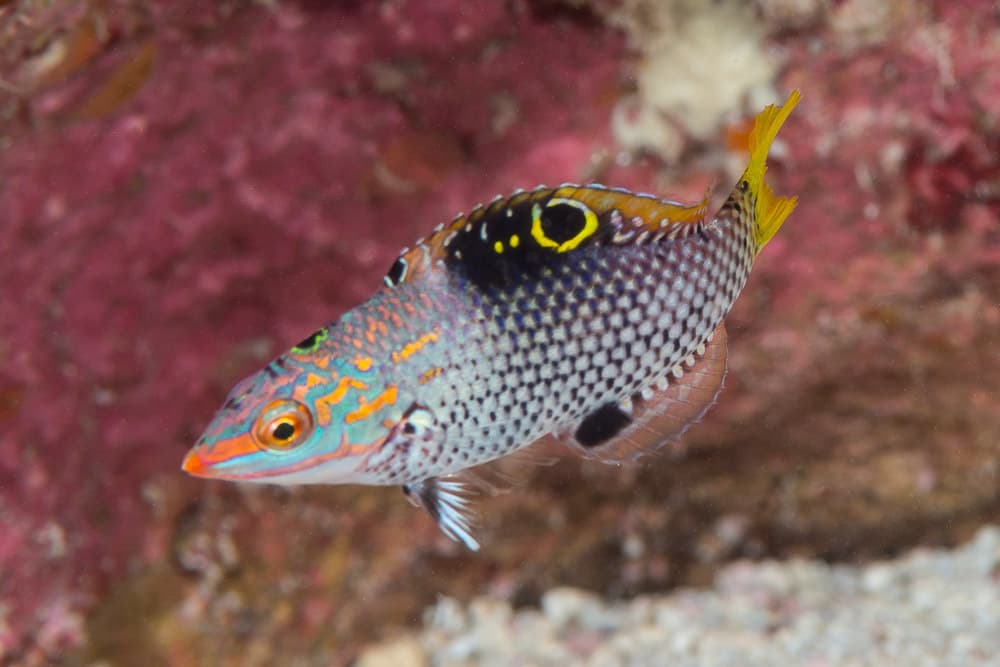
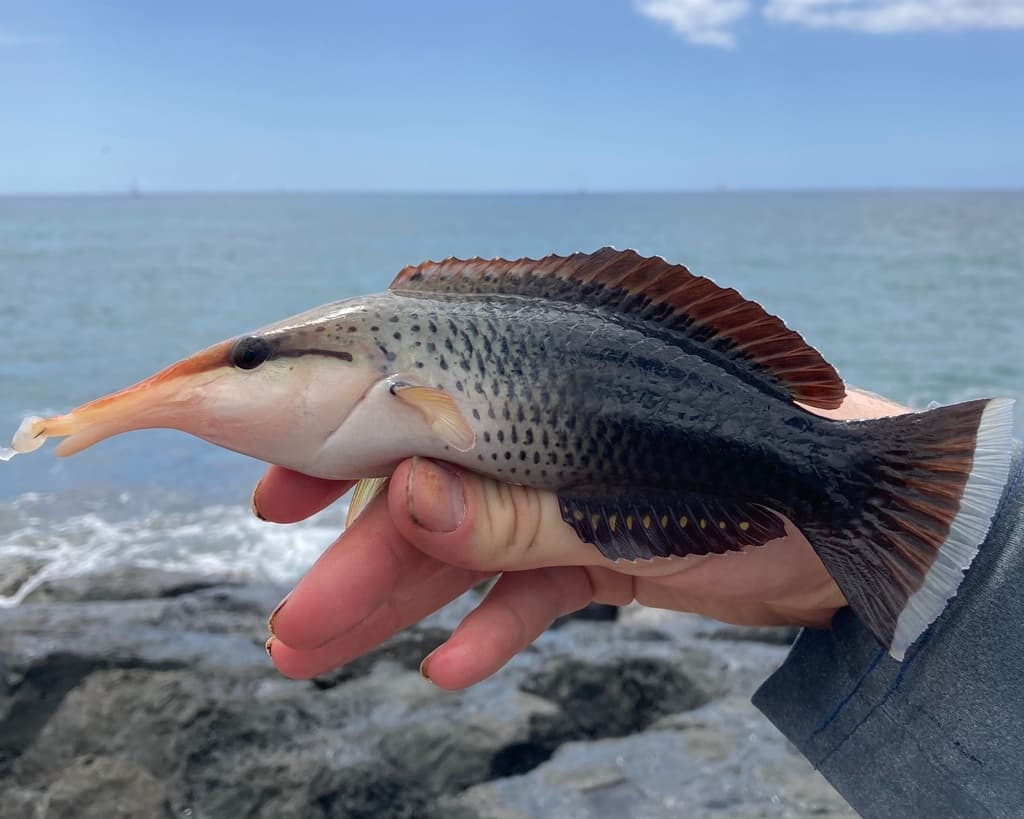
The Paddlefin Wrasse is a colorful and energetic species endemic to the eastern Pacific, primarily found around the Sea of Cortez and Baja California region. Terminal-phase males are spectacularly colored with a vivid blue head, bright yellow-green body, and distinctive red and blue vertical bars that create a rainbow-like effect. Initial-phase fish display more subdued yellow and brown tones.
This species is less commonly seen in the aquarium trade compared to its Indo-Pacific relatives, giving it a novelty appeal among wrasse enthusiasts. Its eastern Pacific origins mean it can tolerate slightly cooler water temperatures than many tropical reef fish, making it adaptable to a range of aquarium setups. It is a hardy, active swimmer with a bold personality typical of the Thalassoma genus.
The Paddlefin Wrasse is semi-aggressive and best suited for larger aquariums with robust tankmates. It will eat small invertebrates and ornamental shrimp, so it is only conditionally reef-compatible. Like other Thalassoma wrasses, it is a tireless swimmer that requires ample open space and a secure lid. Its combination of vibrant color, hardiness, and engaging behavior makes it a rewarding species for aquarists with appropriately sized systems.
Feeding & Diet
Carnivore
Paddlefin Wrasses are carnivores that feed on small invertebrates, worms, and crustaceans. In captivity, offer frozen mysis shrimp, brine shrimp, chopped seafood, marine pellets, and flake food. They will eat ornamental shrimp. Feed two to three times daily to support their active metabolism.
Compatibility
semi-aggressivecaution-with-invertebratescoral-safeactive-swimmerlarge-fish-compatible
The Paddlefin Wrasse is semi-aggressive and should be kept with similarly robust tankmates. It will chase and intimidate smaller, timid fish. Eats ornamental shrimp but generally ignores corals. Compatible with tangs, larger angelfish, and other assertive community species. Avoid very small or peaceful fish.
Check CompatibilityBreeding
Not bred in captivity
Paddlefin Wrasses are protogynous hermaphrodites. Males maintain territories and spawn with females in the water column. Pelagic eggs are released at dusk. Captive breeding has not been achieved for this species.
Special Requirements
- Secure lid essential - active and capable jumper
- Will eat ornamental shrimp and small invertebrates
- Tolerates slightly cooler temperatures than most tropical reef fish
- Active swimmer needing plenty of open swimming space
- Eastern Pacific species - less commonly available in trade
Water Parameters
Temperature72–80°F
Specific Gravity1.02–1.026 sg
pH8.1–8.4
Alkalinity8–12 dKH
Coloration
blueyellowgreenredorange
Tags
semi-aggressivecaution-with-invertebratescoral-safeactive-swimmerlarge-fish-compatible