IntermediateSemi-AggressiveReef Safe with Caution
Bird Wrasse
Gomphosus varius
Family: Labridae · Wrasses
Also known as: Green Bird Wrasse, Brown Bird Wrasse, Bird Nose Wrasse
(c) IHUNTA, some rights reserved (CC BY-NC)
Max Size
12"
Min Tank
125 gal
Lifespan
8-10 years
Origin
Indo-Pacific, Hawaii
Diet
Carnivore
Swims
All
About
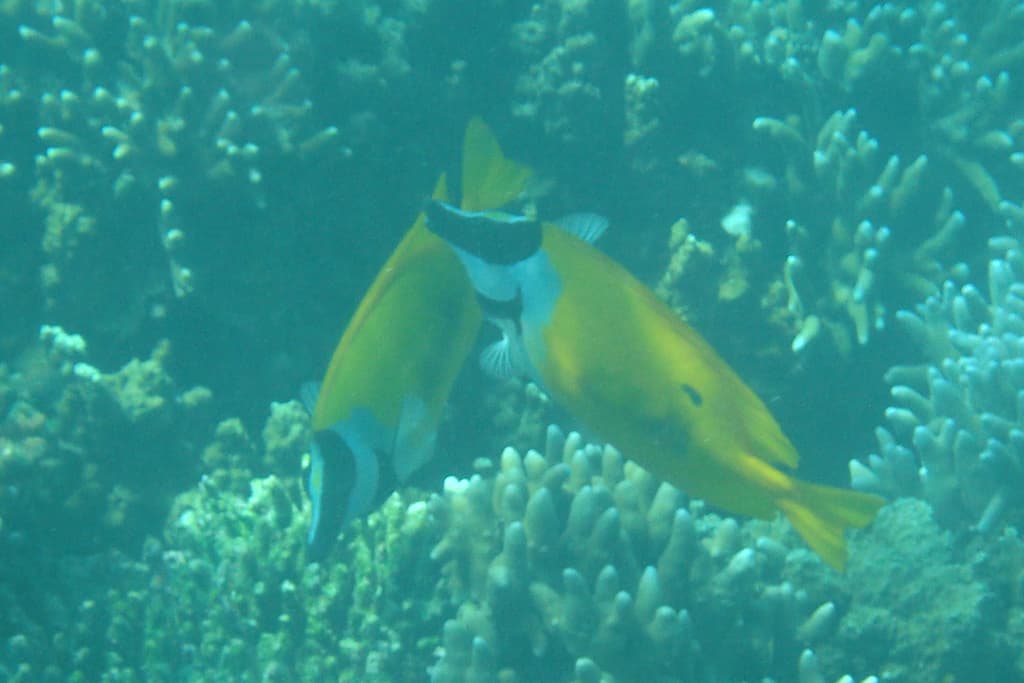
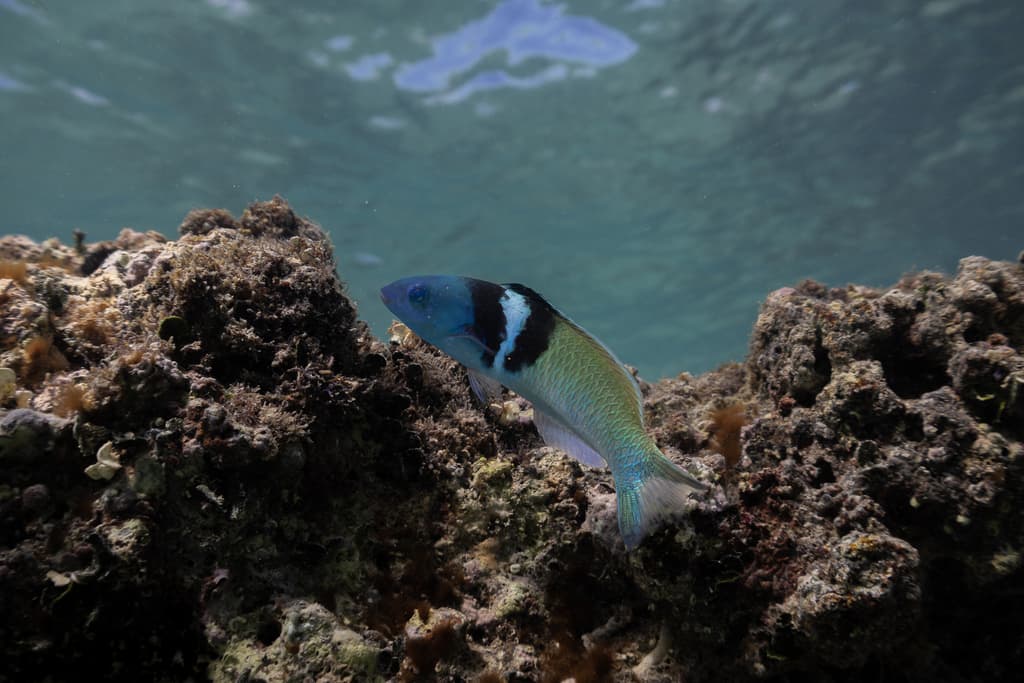
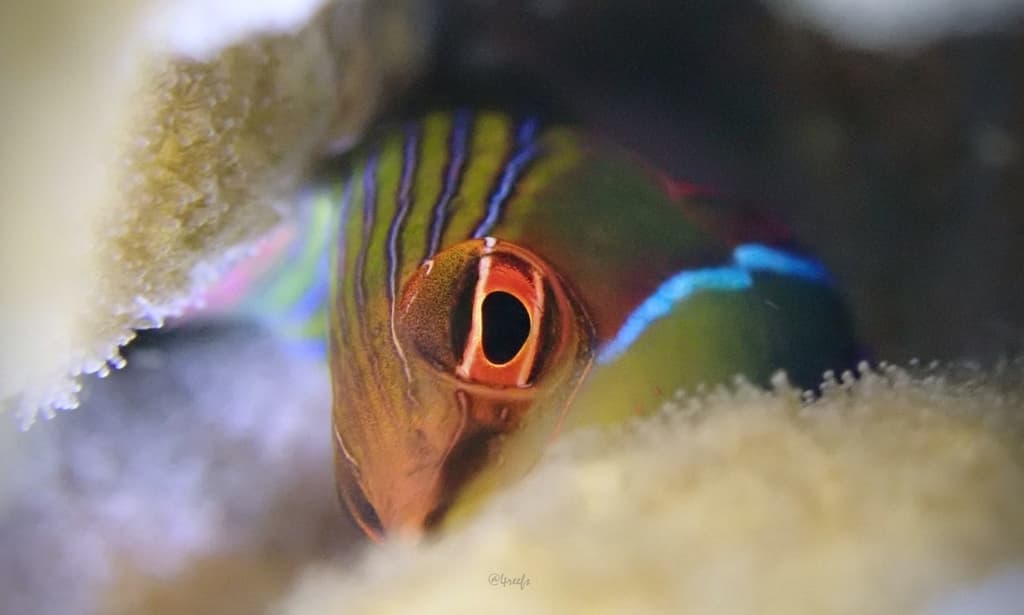
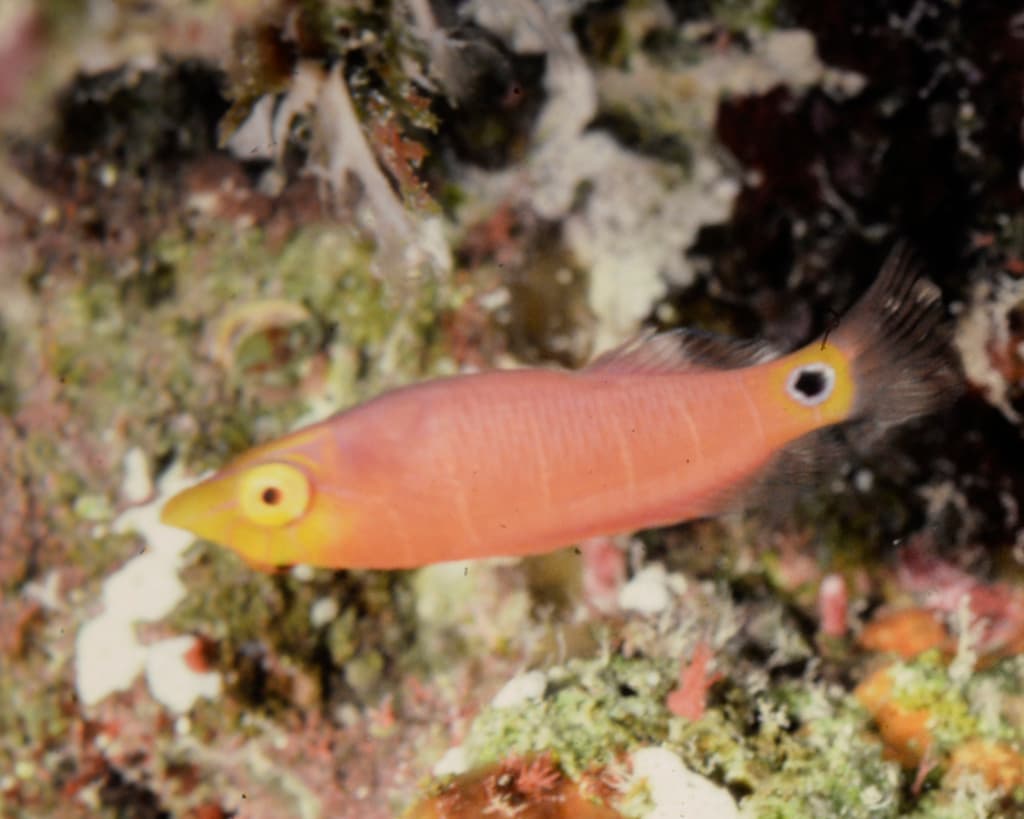
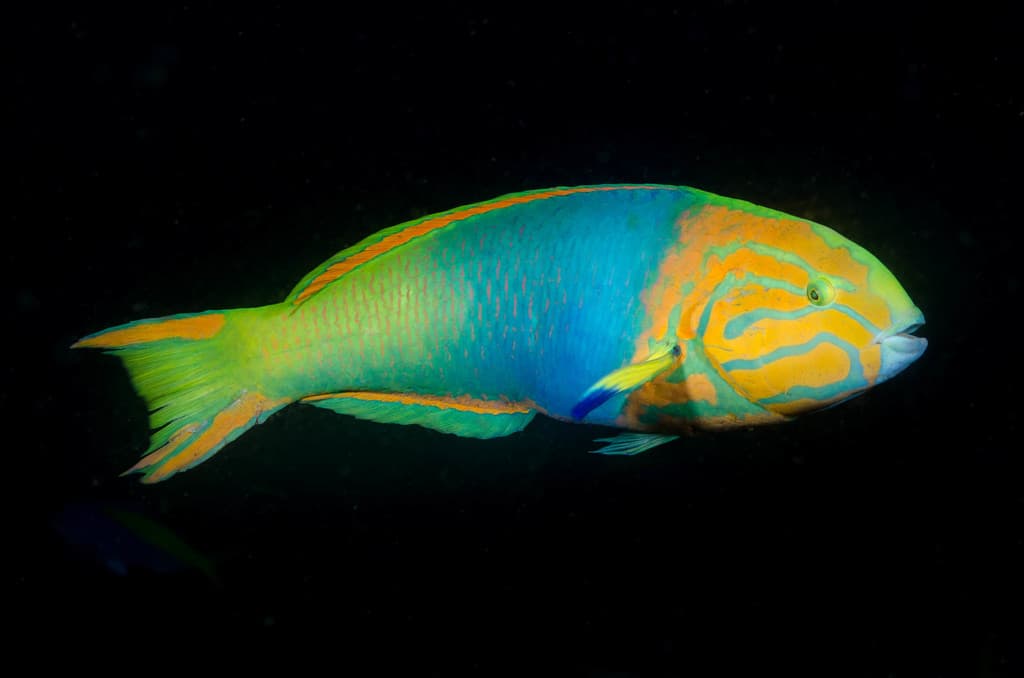
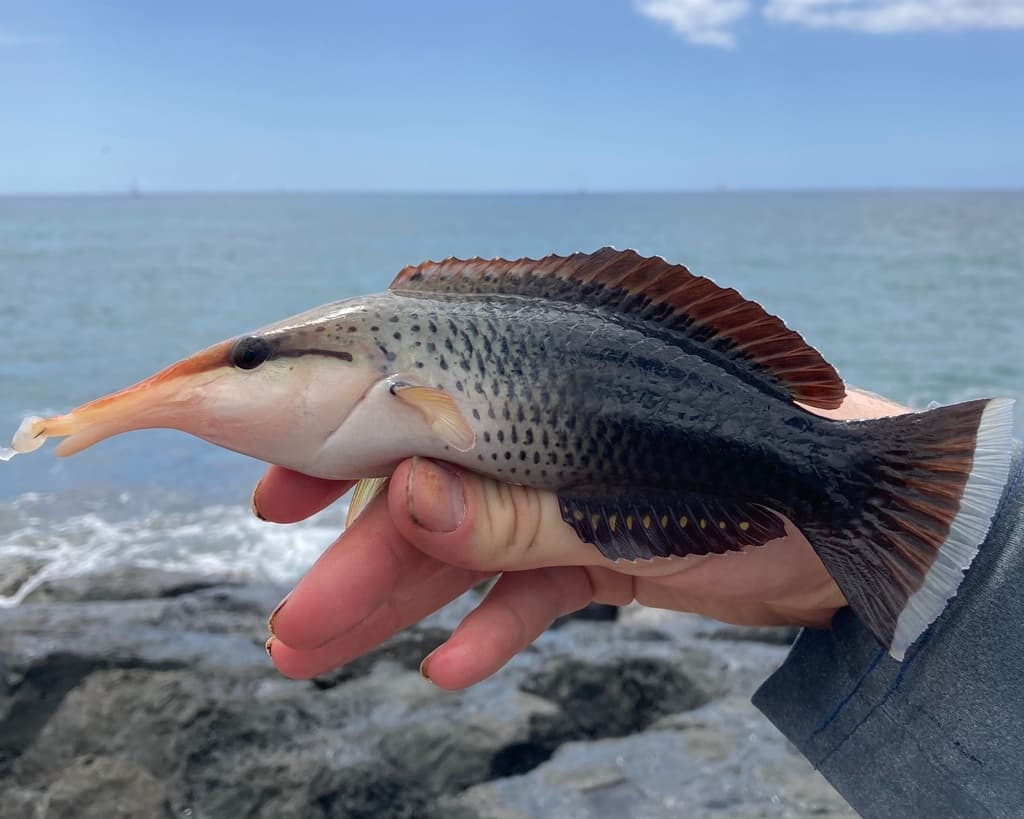
The Bird Wrasse is one of the most distinctive and recognizable wrasses in the marine aquarium hobby, instantly identifiable by its remarkably elongated snout that closely resembles a bird's beak. Terminal-phase males display a brilliant dark green to teal body, while females and initial-phase males exhibit a brown to grayish-white coloration with a lighter underside. This dramatic sexual dimorphism means that male and female specimens look strikingly different, and both color forms are sold in the trade under the same common name.
In the wild, Gomphosus varius is widespread throughout the Indo-Pacific, inhabiting coral-rich lagoons and outer reef slopes at depths of 2 to 30 meters. Its elongated snout is a specialized adaptation for extracting small crustaceans, worms, and brittle stars from crevices in the reef structure. The Bird Wrasse is an exceptionally fast and agile swimmer, constantly on the move as it patrols its territory in search of food.
In the aquarium, the Bird Wrasse is a moderately hardy species that requires a large tank of at least 125 gallons with ample open swimming space. Its constant activity and impressive swimming speed demand room to roam, and a tight-fitting lid is mandatory to prevent jumping. While it will not harm corals directly, it readily consumes ornamental shrimp, feather dusters, small crabs, and other small invertebrates, making it reef-safe with caution. The Bird Wrasse does best in a fish-only or carefully planned reef system with robust tankmates.
Feeding & Diet
Carnivore
Bird Wrasses are active carnivores that use their elongated snouts to pick small crustaceans, worms, and brittle stars from reef crevices. In captivity, offer frozen mysis shrimp, enriched brine shrimp, chopped shrimp, krill, and high-quality marine pellets. They will readily eat ornamental shrimp and small invertebrates. Feed two to three times daily to match their high activity level and fast metabolism.
Compatibility
semi-aggressivecommunity-safejumperreef-safepest-controller
The Bird Wrasse is semi-aggressive and does best with similarly sized, robust tankmates such as tangs, large angelfish, triggerfish, and other bold community fish. It may harass small, timid species and will eat small invertebrates. Avoid keeping with delicate wrasses, firefish, or small gobies. Multiple Bird Wrasses can be kept in very large systems if introduced simultaneously.
Check CompatibilityBreeding
Not bred in captivity
Bird Wrasses are protogynous hermaphrodites, with females capable of changing sex to male. The transition is accompanied by the dramatic color change from brown to green. Spawning involves pelagic egg release at dusk. Captive breeding has not been achieved due to the large tank requirements and the challenges of rearing pelagic larvae.
Special Requirements
- Requires at least 125 gallons with ample open swimming space
- Tight-fitting lid is absolutely essential - extremely prone to jumping
- Will consume ornamental shrimp, feather dusters, and small crabs
- Benefits from a varied diet of meaty frozen foods fed multiple times daily
- Provide both open water columns and rockwork for natural foraging behavior
Water Parameters
Temperature72–80°F
Specific Gravity1.02–1.026 sg
pH8.1–8.4
Alkalinity8–12 dKH
Coloration
greentealbrownwhiteblue
Tags
semi-aggressivecommunity-safejumperreef-safepest-controller