BeginnerSemi-AggressiveReef Safe with Caution
Banana Wrasse
Thalassoma lutescens
Family: Labridae · Wrasses
Also known as: Yellow-Brown Wrasse, Sunset Wrasse, Green Moon Wrasse
(c) Ian Shaw, all rights reserved
Max Size
12"
Min Tank
125 gal
Lifespan
8-10 years
Origin
Indo-Pacific, Hawaii
Diet
Carnivore
Swims
All
About
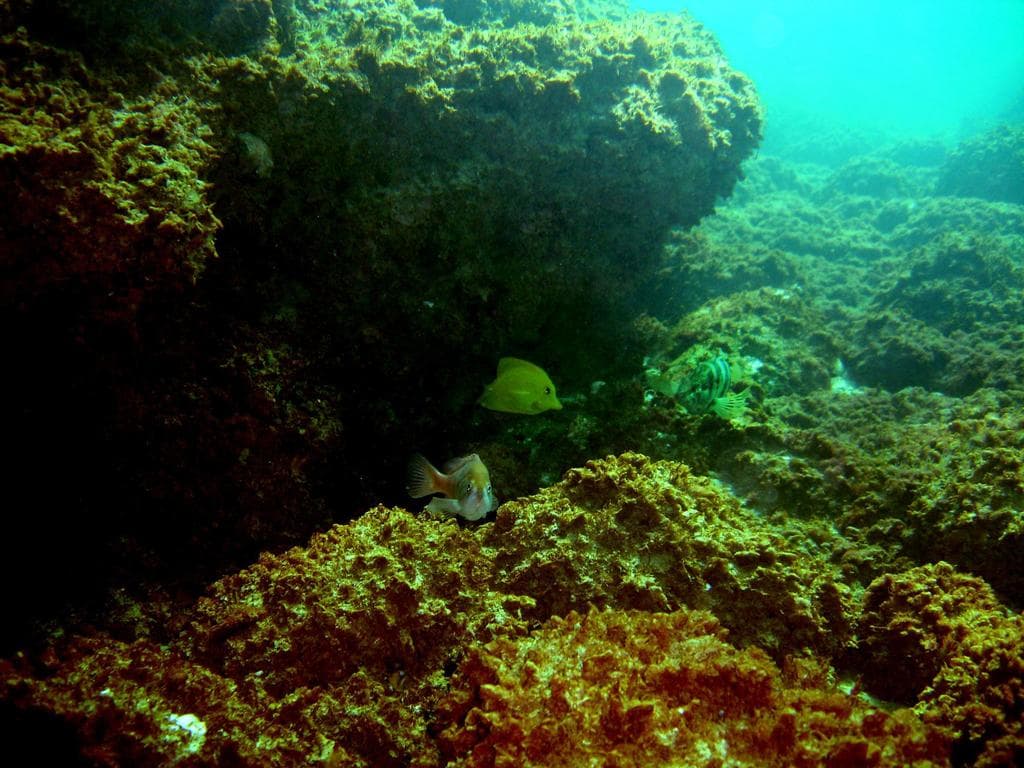
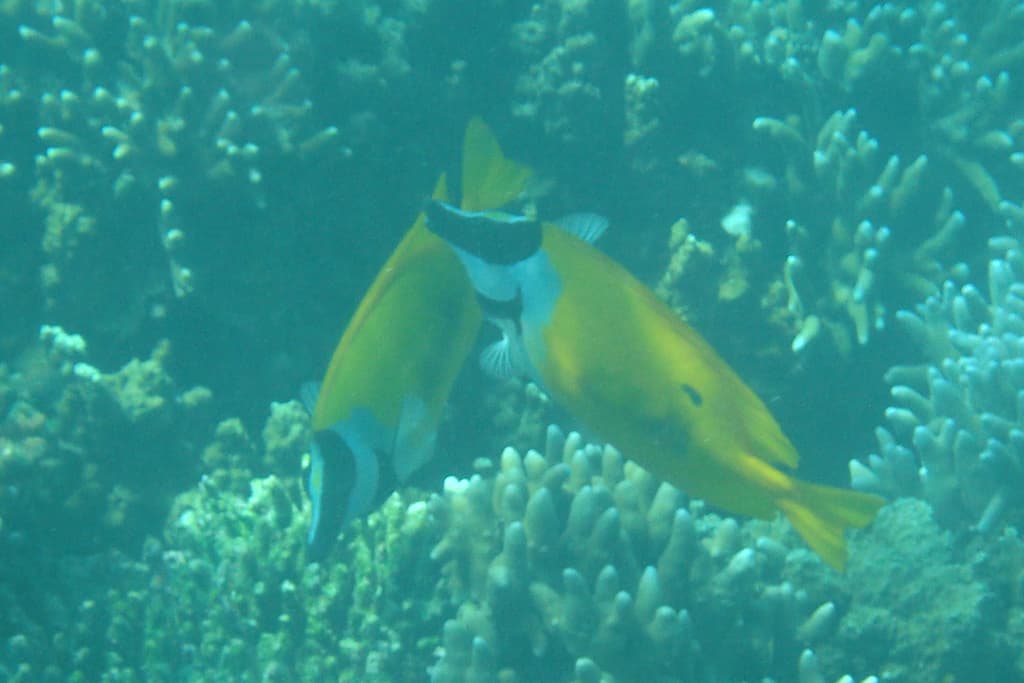
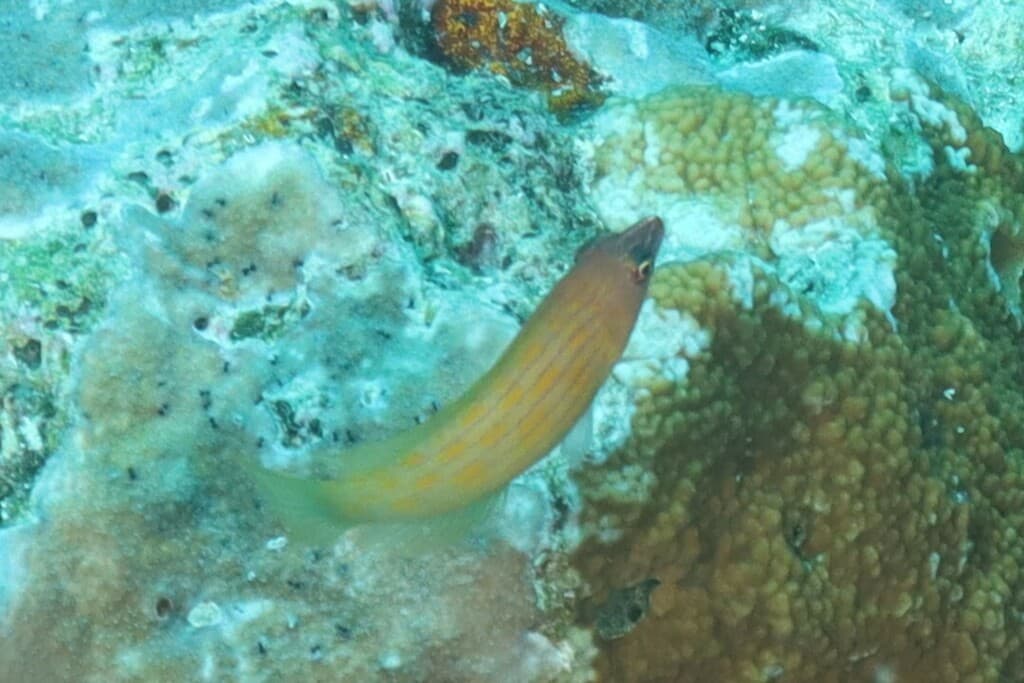
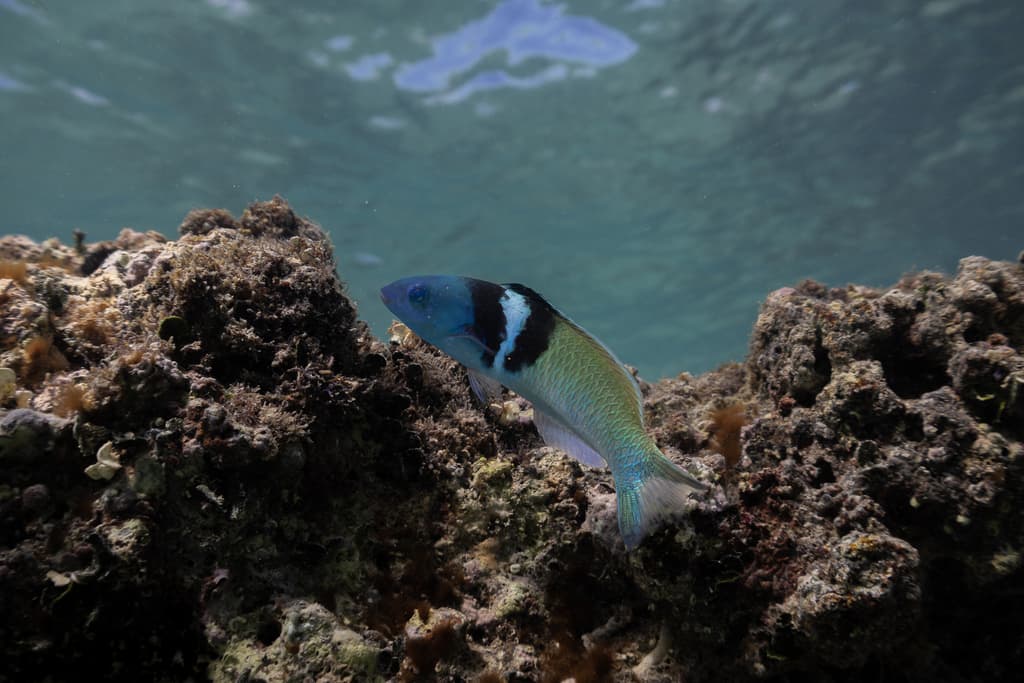
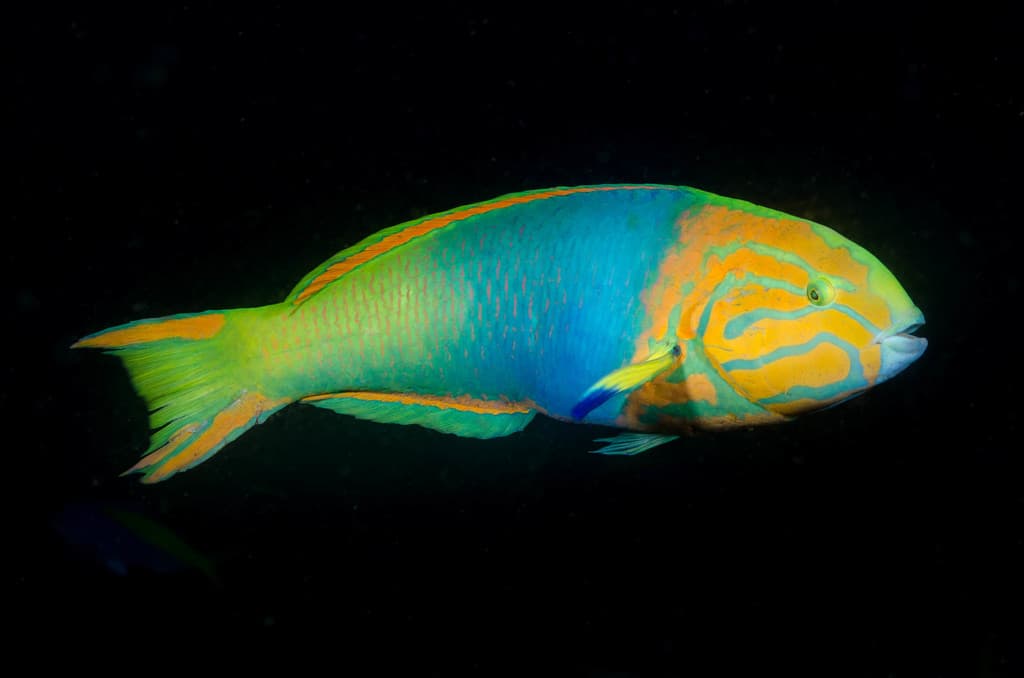
The Banana Wrasse is a large, robust, and highly active wrasse species prized for its striking yellow-green coloration and bold personality. Terminal-phase males display a vivid yellow to lime-green body with a distinctive magenta or pink facial marking and a bright blue-edged head, while females and juveniles tend toward a more subdued brownish-yellow with lighter bellies. This species can reach up to 12 inches in captivity and requires a spacious aquarium to accommodate its constant, energetic swimming.
In the wild, Thalassoma lutescens is widely distributed throughout the Indo-Pacific, from the coast of East Africa to Hawaii and French Polynesia. It inhabits coral reefs, rocky areas, and lagoon environments at depths ranging from 1 to 30 meters, where it patrols large territories in search of small invertebrates, crustaceans, and zooplankton. Its active foraging behavior and fast swimming speed make it a dominant presence on the reef.
In the aquarium, the Banana Wrasse is a hardy and disease-resistant fish that adapts well to captive life, making it suitable for aquarists with moderate experience. However, its large adult size and boisterous swimming demand a tank of at least 125 gallons with a secure, tight-fitting lid, as this species is a notorious jumper. While generally reef-compatible, it will prey on small invertebrates including ornamental shrimp, feather dusters, and small snails, so it is best classified as reef-safe with caution.
Feeding & Diet
Carnivore
Banana Wrasses are carnivores that feed on a wide variety of benthic invertebrates, crustaceans, and zooplankton in the wild. In captivity, they readily accept most prepared foods including frozen mysis shrimp, enriched brine shrimp, chopped krill, and high-quality marine pellets. They will also consume small ornamental shrimp and snails, so choose invertebrate tankmates carefully. Feed two to three times daily to sustain their high metabolism.
Compatibility
semi-aggressivecommunity-safejumperbeginner-friendlypest-controller
The Banana Wrasse is semi-aggressive and can bully smaller, timid fish. It does well with similarly sized robust species such as tangs, large angelfish, and other bold wrasses. Avoid housing with small peaceful species like firefish, dartfish, or small gobies that may be harassed or outcompeted for food.
Check CompatibilityBreeding
Not bred in captivity
Banana Wrasses are protogynous hermaphrodites, with the largest female in a group transitioning to male. Spawning occurs at dusk with pelagic egg release into the water column. Captive breeding has not been achieved due to the species' large size requirements and the difficulty of rearing pelagic larvae.
Special Requirements
- Requires a minimum 125-gallon aquarium due to large adult size and active swimming
- Tight-fitting lid is essential - notorious jumper
- Will eat small ornamental shrimp, feather dusters, and small snails
- Provide open swimming space along with rockwork for shelter
- Best added to established aquariums with robust tankmates
Water Parameters
Temperature72–80°F
Specific Gravity1.02–1.026 sg
pH8.1–8.4
Alkalinity8–12 dKH
Coloration
yellowgreenpinkbluebrown
Tags
semi-aggressivecommunity-safejumperbeginner-friendlypest-controller