AdvancedPeacefulReef Safe
Dwarf Seahorse
Hippocampus zosterae
Family: Syngnathidae · Seahorses & Pipefish
Also known as: Dwarf Sea Horse, Pygmy Seahorse, Slender Seahorse
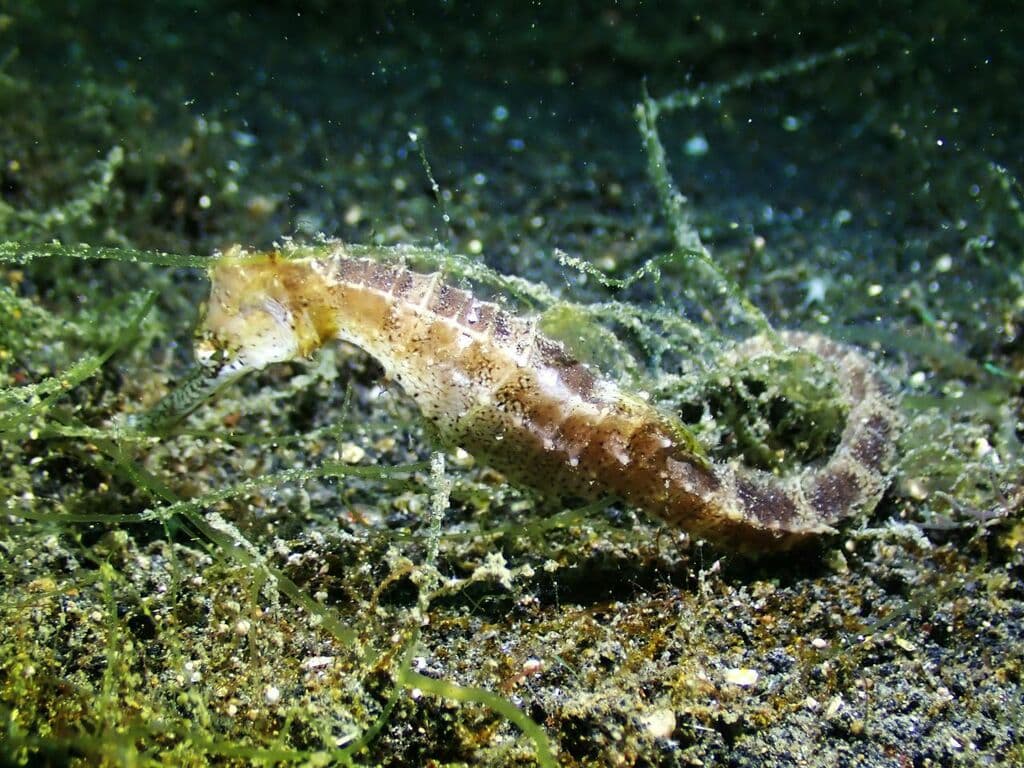
(c) Joe MDO, some rights reserved (CC BY-NC)
Max Size
2"
Min Tank
5 gal
Lifespan
1-2 years
Origin
Western Atlantic, Gulf of Mexico
Diet
Carnivore
Swims
All
About
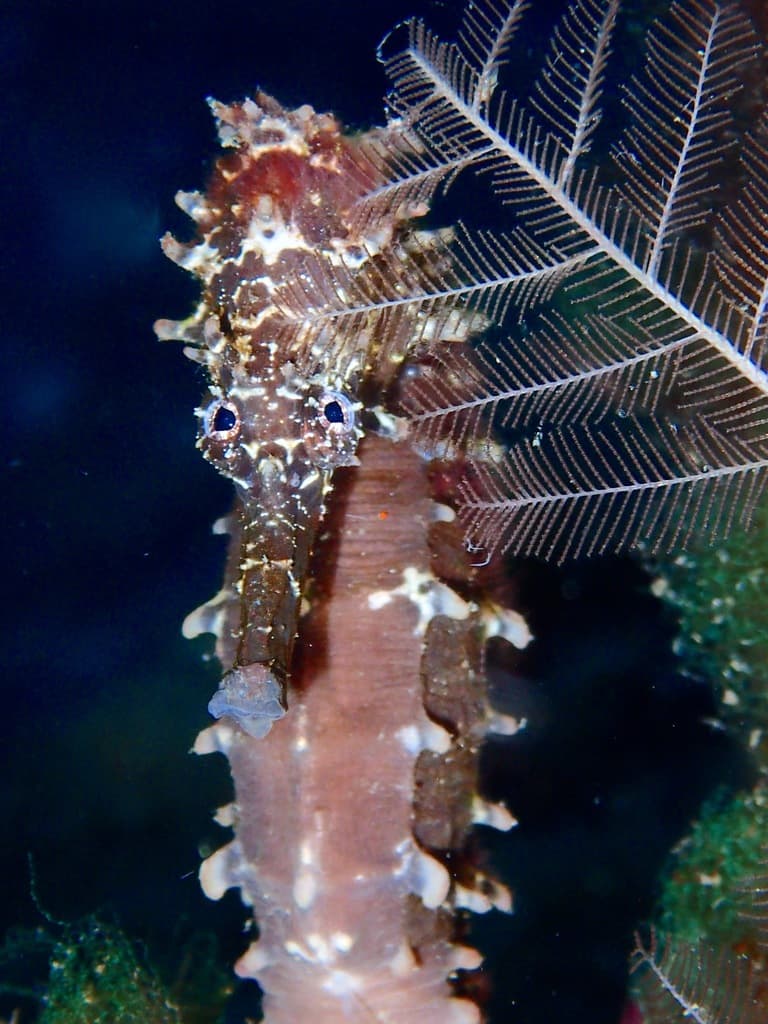
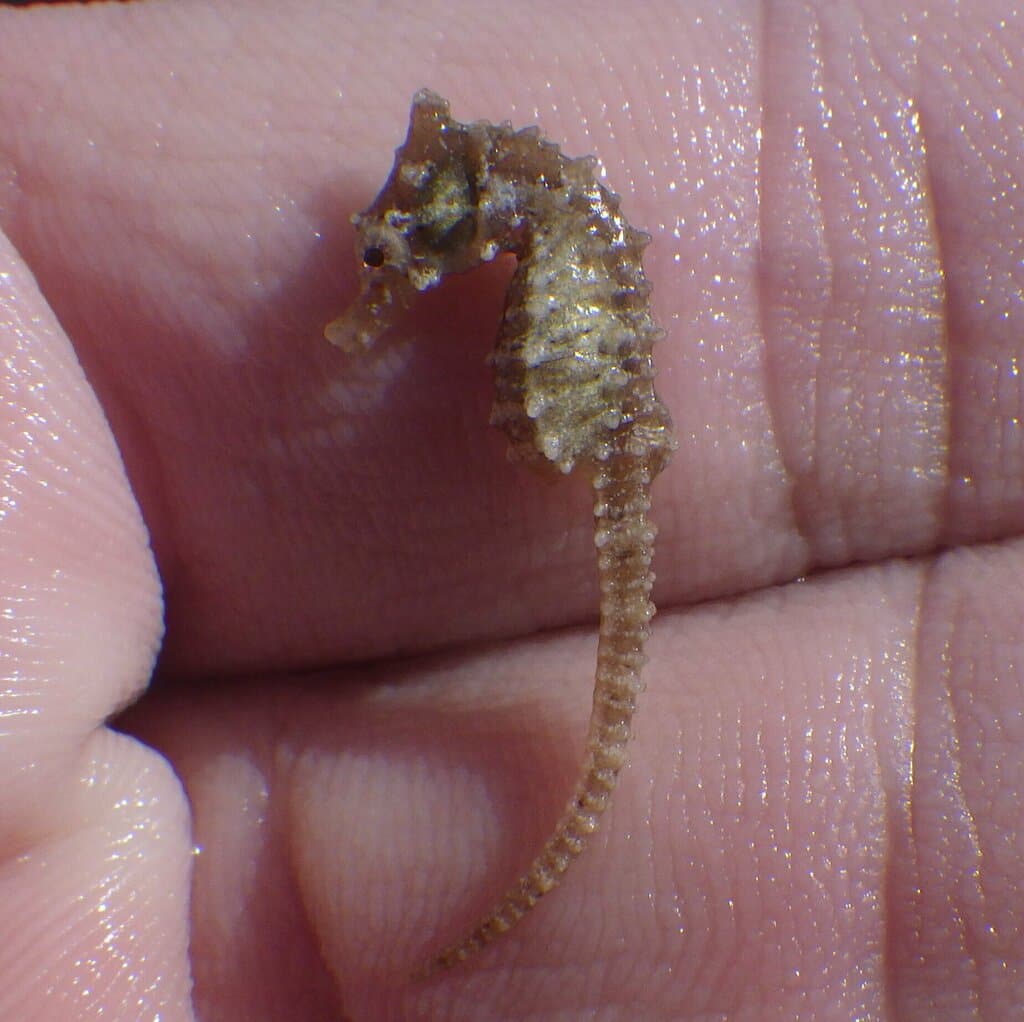
The Dwarf Seahorse is the smallest commonly kept seahorse species in the marine aquarium hobby, reaching a maximum size of just two inches. Despite their diminutive stature, these tiny fish possess all the charm and fascinating behaviors of their larger relatives: the same horse-like head, curled prehensile tail, independently moving eyes, and upright swimming posture. They come in a range of colors including white, tan, yellow, green, and black, and can slowly change color over time to match their surroundings. Their miniature size and captivating behavior make them one of the most endearing marine species available to aquarists.
Keeping Dwarf Seahorses is a uniquely rewarding but demanding endeavor that requires a fundamentally different approach from typical marine fishkeeping. These tiny seahorses are obligate predators of live foods, requiring multiple daily feedings of freshly hatched baby brine shrimp (Artemia nauplii) as their staple diet. Unlike larger seahorse species that can be trained to eat frozen mysis shrimp, Dwarf Seahorses rarely accept non-living foods. This means the keeper must commit to hatching brine shrimp daily - typically maintaining multiple hatcheries on a rotating schedule to ensure a constant supply. The feeding demands alone make this species appropriate only for dedicated aquarists willing to invest significant daily time in their care.
Dwarf Seahorses must be kept in a species-only setup, as they cannot compete with any other fish species for food and are easily stressed by active tankmates. A small aquarium of 5 to 10 gallons is ideal, with very gentle filtration such as a sponge filter to avoid creating currents that exhaust these weak swimmers. Despite these specialized requirements, Dwarf Seahorses are among the most reliably bred marine fish in captivity. Males carry developing young in their brood pouch for approximately 10 days before giving live birth to tiny, fully formed fry that can immediately eat newly hatched brine shrimp, making them one of the few marine species where complete captive lifecycle management is readily achievable by hobbyists.
Feeding & Diet
Carnivore
Dwarf Seahorses are obligate carnivores that require live baby brine shrimp (Artemia nauplii) as their primary food source. Freshly hatched brine shrimp must be enriched with HUFA supplements and offered two to three times daily minimum. Most specimens will not accept frozen or prepared foods. Maintaining multiple brine shrimp hatcheries on a rotating schedule is essential. Live copepods and amphipods from a refugium provide excellent supplemental nutrition between feedings.
Compatibility
reef-safepeacefulspecies-onlyslow-feederrequires-live-foodnano-species
Dwarf Seahorses must be kept in a species-only setup. They cannot compete with any other fish for food and will starve in a community tank. The only acceptable tankmates are other Dwarf Seahorses and small, benign invertebrates such as nassarius snails, small hermit crabs, and amphipods. Avoid all other fish species, ornamental shrimp that may harass them, and any organisms that create strong water movement. Small groups of 4-8 individuals are ideal.
Check CompatibilityBreeding
Moderate
Dwarf Seahorses are among the most readily bred marine fish in captivity. Males possess a brood pouch into which the female deposits eggs during a courtship dance. The male carries developing young for approximately 10 days before giving live birth to 5-25 fully formed miniature seahorses. Fry can immediately eat freshly hatched baby brine shrimp, making them relatively easy to rear. Pairs may breed every two weeks under optimal conditions. Maintaining a breeding colony is one of the most rewarding aspects of keeping this species.
Special Requirements
- Species-only aquarium is mandatory - cannot compete with any other fish
- Live baby brine shrimp (Artemia nauplii) required as primary food source
- Multiple daily feedings of live food - minimum two to three times per day
- Maintain rotating brine shrimp hatcheries for constant supply
- Very gentle filtration only - sponge filter recommended
- Provide hitching posts such as macroalgae, gorgonians, or artificial plants
- Small aquarium of 5-10 gallons is ideal
- Pristine water quality essential - frequent small water changes recommended
Water Parameters
Temperature72–77°F
Specific Gravity1.02–1.025 sg
pH8.1–8.4
Alkalinity8–12 dKH
Coloration
whitetanyellowgreenblackbrown
Tags
reef-safepeacefulspecies-onlyslow-feederrequires-live-foodnano-species