IntermediateSemi-AggressiveNot Reef Safe
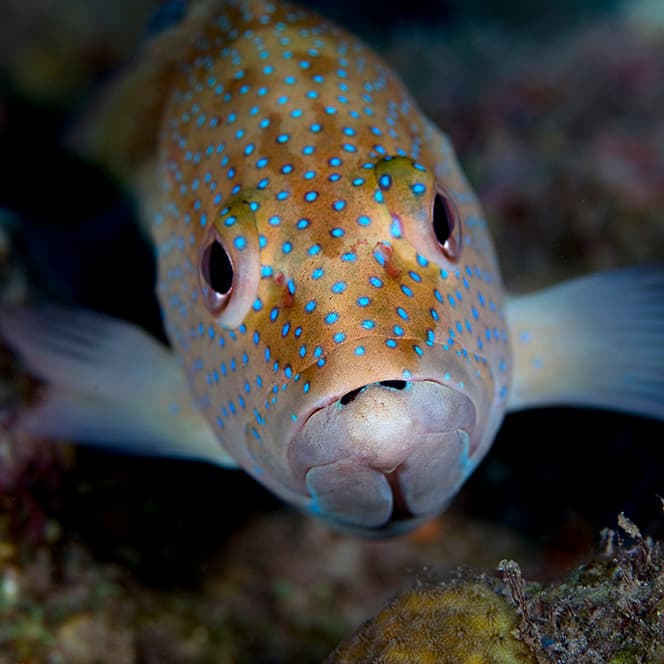
Coney
Cephalopholis fulva
Family: Serranidae · Groupers & Basslets
Also known as: Coney Grouper, Butter Hamlet, Golden Coney, Bicolor Phase Coney
(c) terence zahner, some rights reserved (CC BY-NC)
Max Size
16"
Min Tank
125 gal
Lifespan
15-20 years
Origin
Caribbean, Western Atlantic
Diet
Carnivore
Swims
Bottom
About
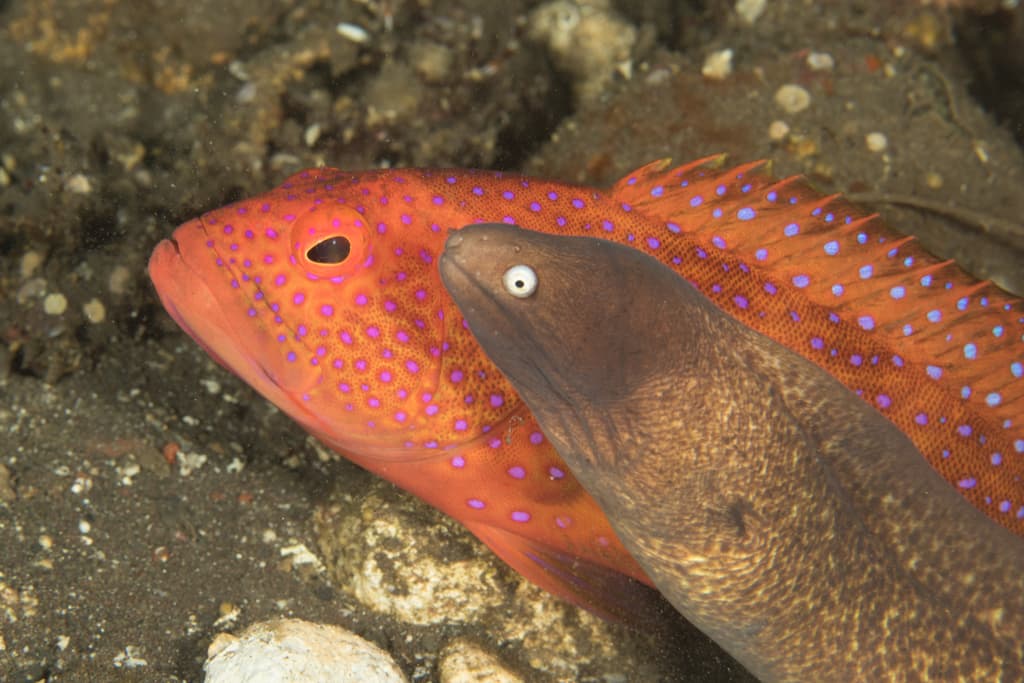
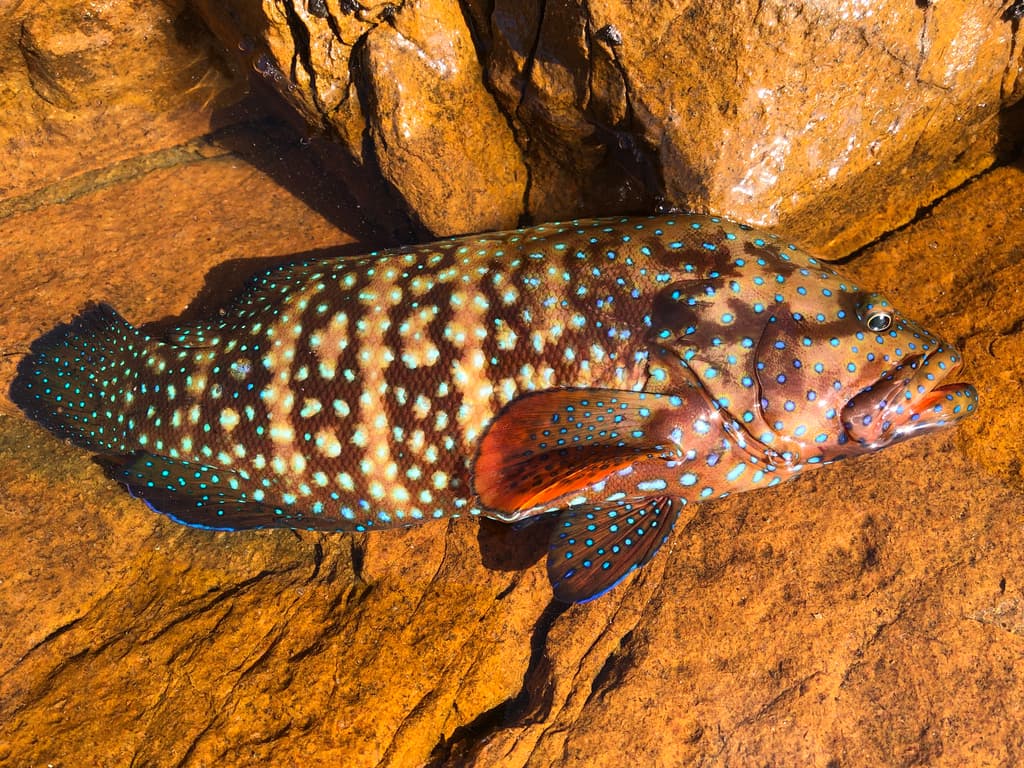
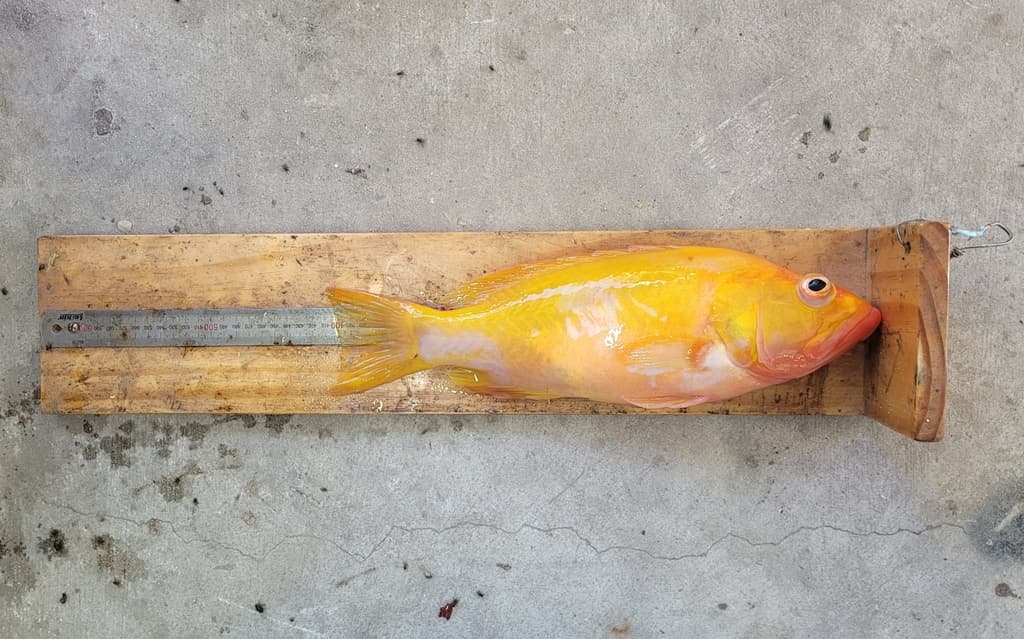
The Coney is one of the most popular and recognizable groupers found on Caribbean reefs, celebrated for its remarkable ability to rapidly change colors. Individuals can shift between several distinct color phases including a common reddish-brown with blue spots, a bright golden-yellow phase, and a striking bicolored dark upper and pale lower body pattern.
In the wild, Coneys are abundant on coral reefs throughout the Caribbean and Western Atlantic, found from shallow waters down to about 45 meters. They are solitary territorial predators that establish home ranges around reef structures, feeding primarily on small fish, crustaceans, and cephalopods. Their color-changing ability serves both as camouflage and as communication during territorial and mating interactions.
In captivity, the Coney is one of the more manageable Caribbean groupers, reaching about 16 inches maximum. It adapts well to aquarium life and readily accepts frozen foods. With its dramatic color changes and active personality, it makes an engaging centerpiece for a large fish-only or FOWLR system.
Feeding & Diet
Carnivore
A carnivorous predator that feeds on small fish, crustaceans, and cephalopods. In captivity, offer a varied diet of frozen silversides, krill, shrimp, squid, and high-quality carnivore pellets. Feed every other day for adults. The Coney is typically an enthusiastic feeder that readily accepts prepared foods.
Compatibility
predatorlarge-fish-onlyFOWLRhigh-bioload
The Coney is semi-aggressive and will prey on small fish and invertebrates. House with similarly sized or larger robust species such as tangs, large angelfish, triggerfish, and other groupers. Avoid small fish, ornamental shrimp, and delicate invertebrates. Can be territorial with other Coneys unless in a very large system.
Check CompatibilityBreeding
Not bred in captivity
Coneys are protogynous hermaphrodites that begin life as females and transition to males. In the wild, they form haremic groups with a dominant male overseeing several females. Captive breeding has not been achieved due to complex social dynamics and pelagic spawning requirements.
Special Requirements
- Requires a tank with plenty of caves and rockwork for territorial establishment
- Will consume any fish or crustacean small enough to fit in its mouth
- Capable of dramatic color changes between several distinct phases
- Needs strong filtration due to heavy bioload
Water Parameters
Temperature72–78°F
Specific Gravity1.02–1.025 sg
pH8.1–8.4
Alkalinity8–12 dKH
Coloration
redbrowngolden yellowblue spotsbicolor
Tags
predatorlarge-fish-onlyFOWLRhigh-bioload