IntermediateSemi-AggressiveNot Reef Safe
Banded Grouper
Epinephelus amblycephalus
Family: Serranidae · Groupers & Basslets
Also known as: Banded Rockcod, Blunt-headed Grouper
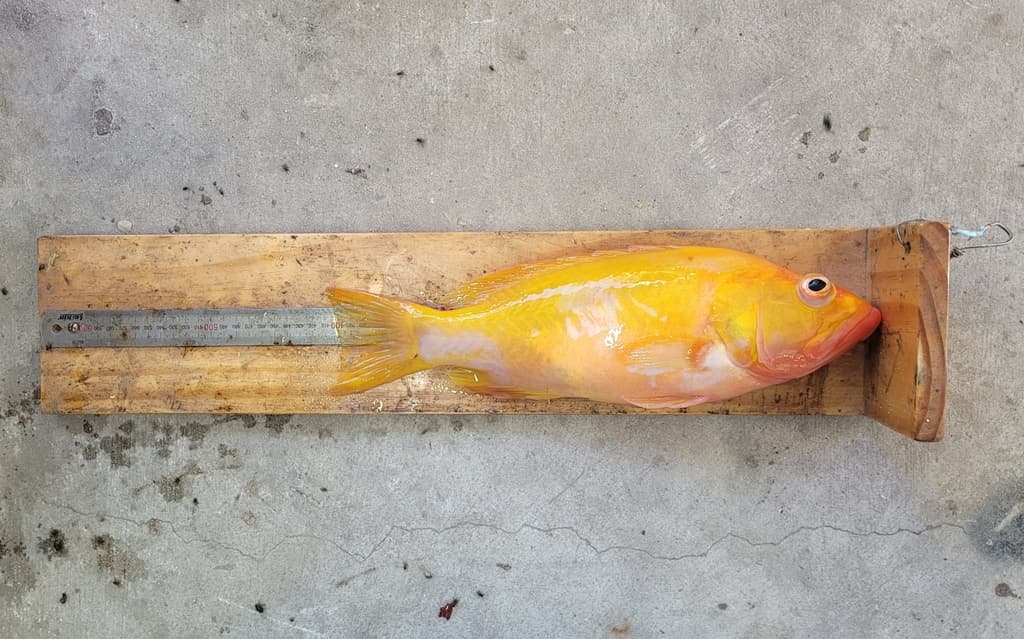
(c) Niran Anurakpongsathorn, some rights reserved (CC BY-NC)
Max Size
14"
Min Tank
125 gal
Lifespan
15-20 years
Origin
Western Pacific, South China Sea
Diet
Carnivore
Swims
Bottom
About
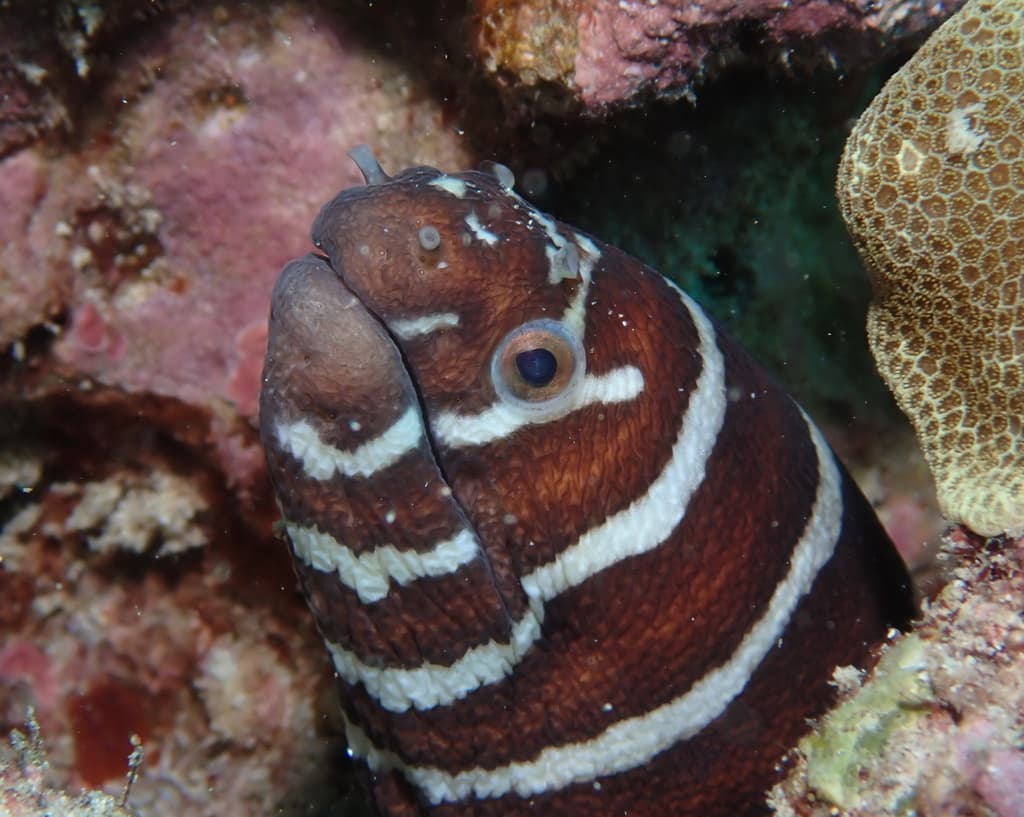
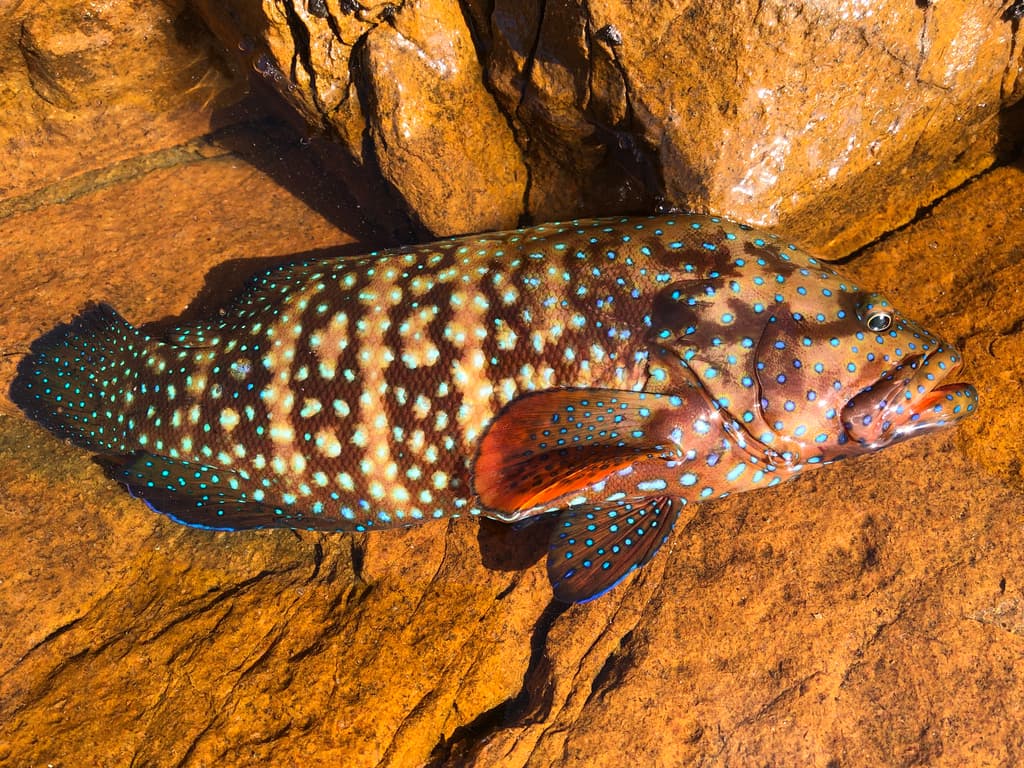
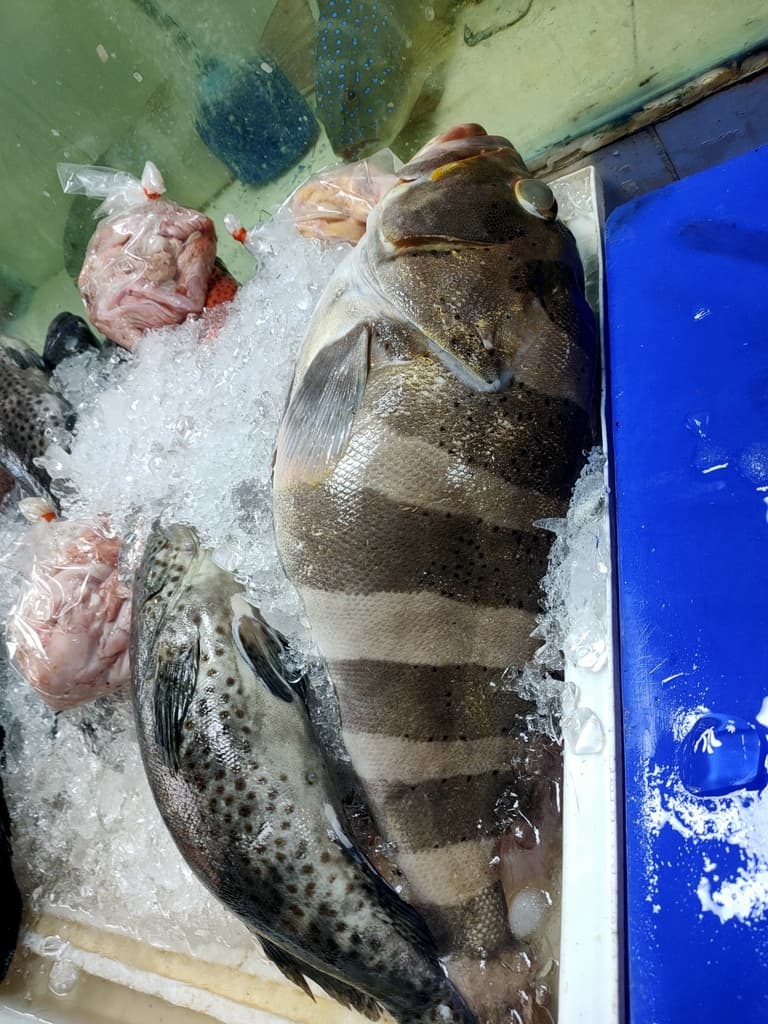
The Banded Grouper is a robust predatory fish from the Western Pacific, recognized by its distinctive dark vertical banding pattern across a pale to brownish body. Like many groupers, it is an ambush predator that relies on its cryptic coloration to blend into rocky reef structures before striking at unsuspecting prey.
In the wild, Banded Groupers inhabit coral reefs and rocky substrates at depths ranging from 10 to 60 meters. They are solitary and territorial, establishing home ranges around caves and overhangs where they can retreat and ambush prey. Their diet consists primarily of smaller fish and crustaceans.
In captivity, the Banded Grouper requires a spacious aquarium with ample rockwork to provide hiding spots and territorial boundaries. At a maximum size of 14 inches, it is a moderately sized grouper that is manageable for experienced hobbyists with appropriately sized systems. It is not reef-safe and will consume any tankmate small enough to swallow whole.
Feeding & Diet
Carnivore
A strict carnivore that feeds on smaller fish and crustaceans. Offer a varied diet of frozen silversides, krill, shrimp, squid, and quality carnivore pellets. Feed every other day for adults. Avoid overfeeding to prevent fatty liver disease, a common ailment in captive groupers.
Compatibility
predatorlarge-fish-onlyFOWLRhigh-bioload
The Banded Grouper is semi-aggressive and will prey on any fish small enough to swallow. Best housed with similarly sized or larger robust species such as tangs, large angelfish, triggerfish, and other groupers. Avoid keeping with small fish, ornamental shrimp, or delicate invertebrates.
Check CompatibilityBreeding
Not bred in captivity
Like most groupers, the Banded Grouper is a protogynous hermaphrodite, starting life as female and transitioning to male. Captive breeding has not been achieved due to the species' size requirements and complex pelagic spawning behavior.
Special Requirements
- Requires a large tank with caves and overhangs for hiding
- Will eat any fish small enough to fit in its mouth
- Needs strong filtration due to heavy bioload from carnivorous diet
- Provide secure rockwork as this species may rearrange decor
Water Parameters
Temperature72–78°F
Specific Gravity1.02–1.025 sg
pH8.1–8.4
Alkalinity8–12 dKH
Coloration
browntandark bandswhite
Tags
predatorlarge-fish-onlyFOWLRhigh-bioload