IntermediatePeacefulReef Safe
Tangaroa Goby
Ctenogobiops tangaroai
Family: Gobiidae · Gobies
Also known as: Tangaroa Shrimp Goby, Tangaroa's Goby
(c) Tim Cameron, all rights reserved
Max Size
2"
Min Tank
10 gal
Lifespan
3-5 years
Origin
Western Pacific, Indonesia
Diet
Carnivore
Swims
Bottom
About
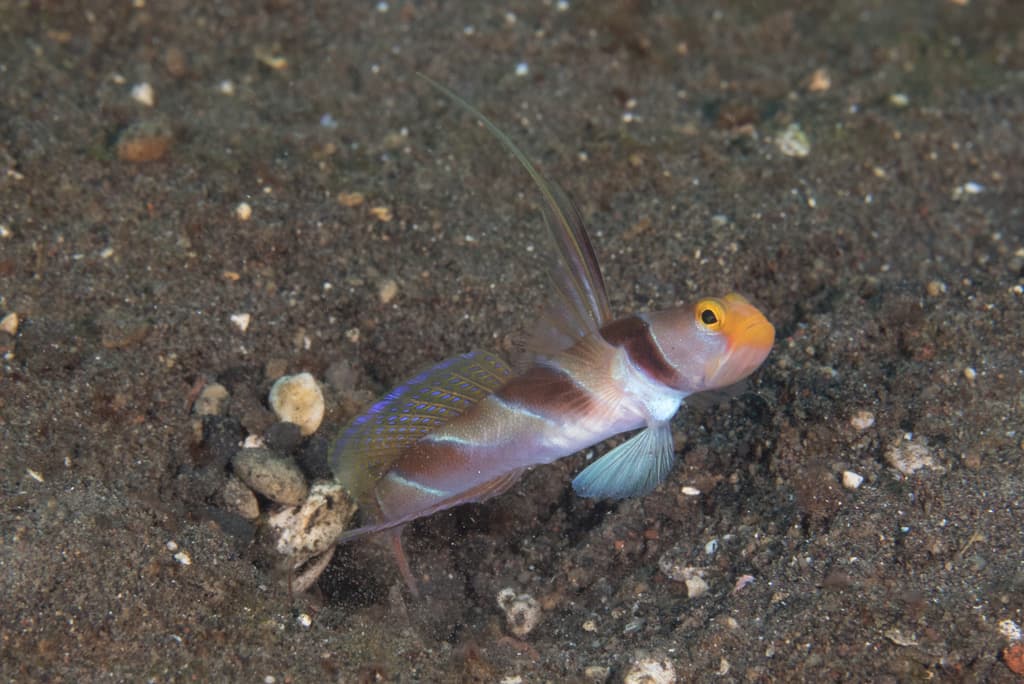
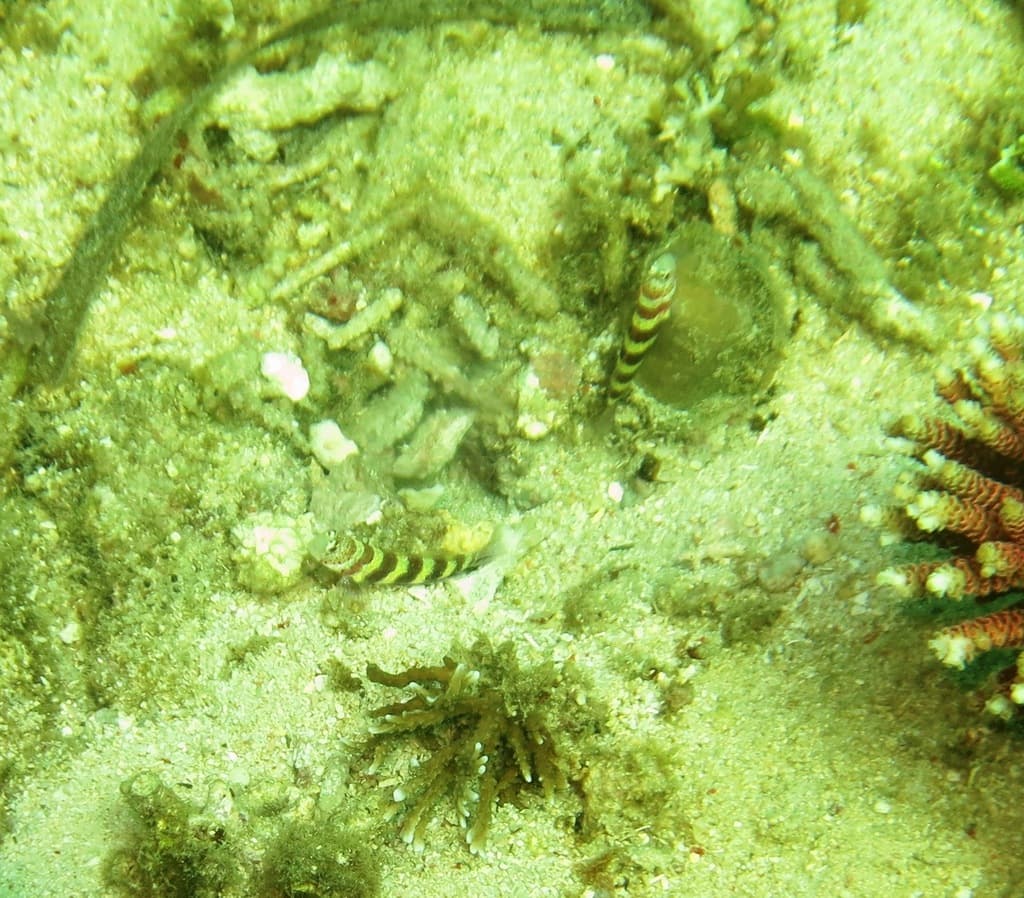
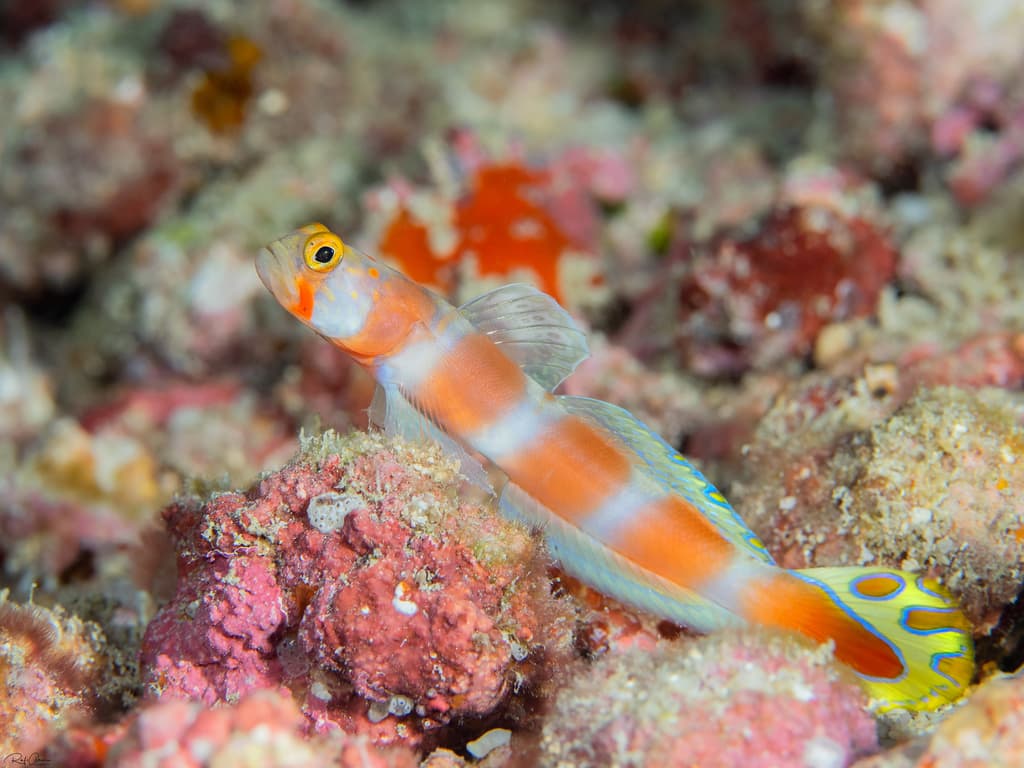
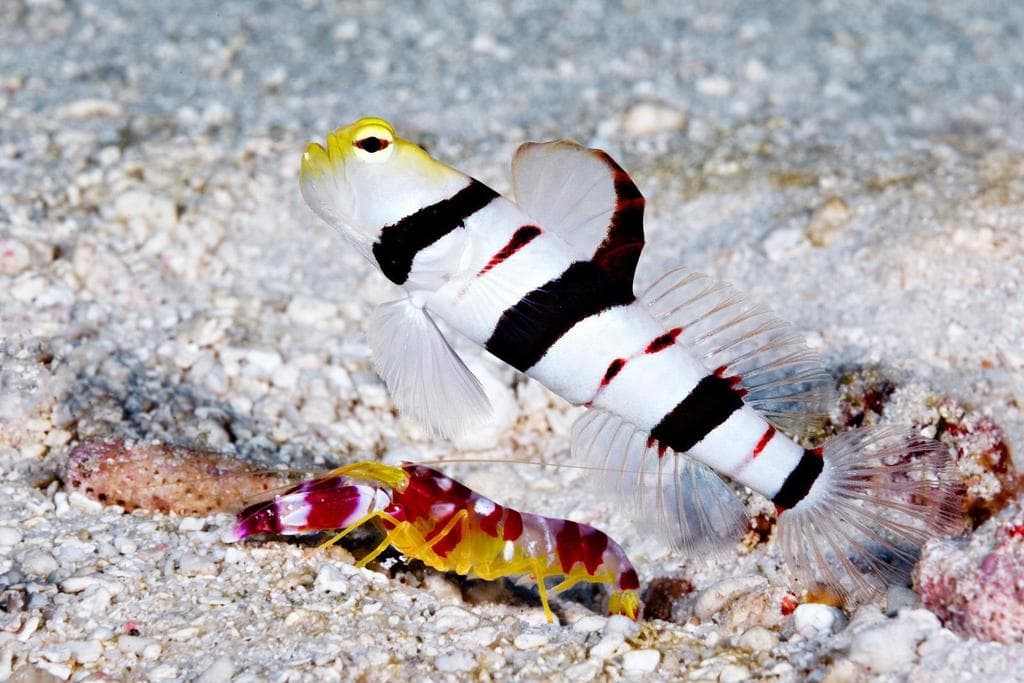
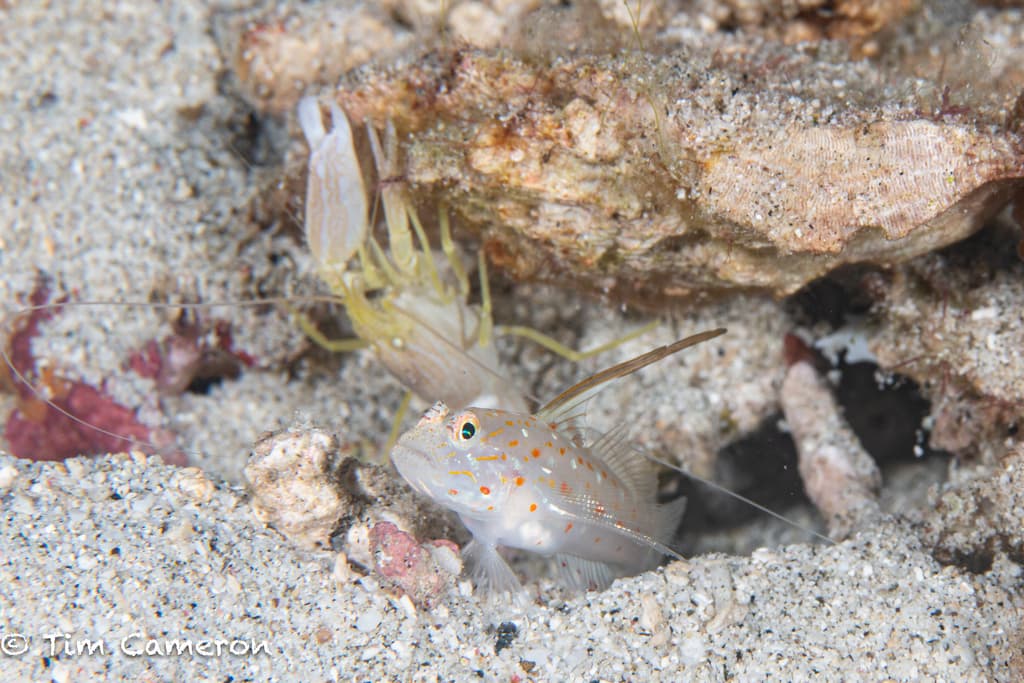
The Tangaroa Goby is a charming and relatively uncommon shrimp goby named after Tangaroa, the Polynesian god of the sea. This modest-sized species reaches about 2 inches in length and features a pale white to light gray body with subtle brownish markings and spots that provide effective camouflage against sandy substrates. While not the most colorful goby, its appealing behavior and fascinating symbiotic lifestyle more than compensate for its understated appearance.
As a member of the genus Ctenogobiops, the Tangaroa Goby is a dedicated shrimp symbiont that maintains a close partnership with Alpheid pistol shrimp. The goby perches vigilantly at the entrance of a burrow excavated by its shrimp partner, keeping watch for approaching predators while the shrimp maintains their shared home. The subtle tail-flicking signals between goby and shrimp represent a finely tuned communication system that has evolved over millions of years.
This species is well suited for small reef aquariums of 10 gallons or more with a fine sand substrate. It is peaceful, reef-safe, and undemanding in its care requirements once established. The Tangaroa Goby may be shy at first but becomes bolder as it settles in and establishes a burrow, particularly when housed with a pistol shrimp companion. It makes an excellent addition to peaceful community reef tanks focused on natural behavior displays.
Feeding & Diet
Carnivore
Tangaroa Gobies are carnivores that feed on small benthic crustaceans and zooplankton. In captivity, they accept frozen mysis shrimp, enriched brine shrimp, cyclops, and other small meaty foods. Feed twice daily with food targeted to the substrate near the goby's burrow.
Compatibility
reef-safepeacefulbottom-dwellershrimp-symbiosisnano-reef
Tangaroa Gobies are very peaceful and compatible with most small community reef fish. They may be mildly territorial toward other shrimp gobies in small tanks. Their small size makes them vulnerable to predation by larger fish.
Check CompatibilityBreeding
Difficult
Little is documented about captive breeding of Tangaroa Gobies. Like other Ctenogobiops species, pairs likely spawn within their shared burrow. Larval rearing would require specialized live food cultures.
Special Requirements
- Fine sand substrate for burrowing with pistol shrimp partner
- Best paired with a compatible Alpheid pistol shrimp
- Secure lid recommended to prevent jumping
- Suitable for nano and small reef aquariums of 10+ gallons
- May be shy initially but becomes bolder once established
Water Parameters
Temperature72–80°F
Specific Gravity1.02–1.026 sg
pH8.1–8.4
Alkalinity8–12 dKH
Coloration
whitegraybrown
Tags
reef-safepeacefulbottom-dwellershrimp-symbiosisnano-reef