IntermediatePeacefulReef Safe with Caution
Giant Frogfish
Antennarius commerson
Family: Antennariidae · Frogfish
Also known as: Commerson's Frogfish, Giant Anglerfish, Commerson's Anglerfish
(c) Itai Grisaru, some rights reserved (CC BY-NC)
Max Size
12"
Min Tank
55 gal
Lifespan
5-10 years
Origin
Indo-Pacific, Red Sea
Diet
Carnivore
Swims
Bottom
About
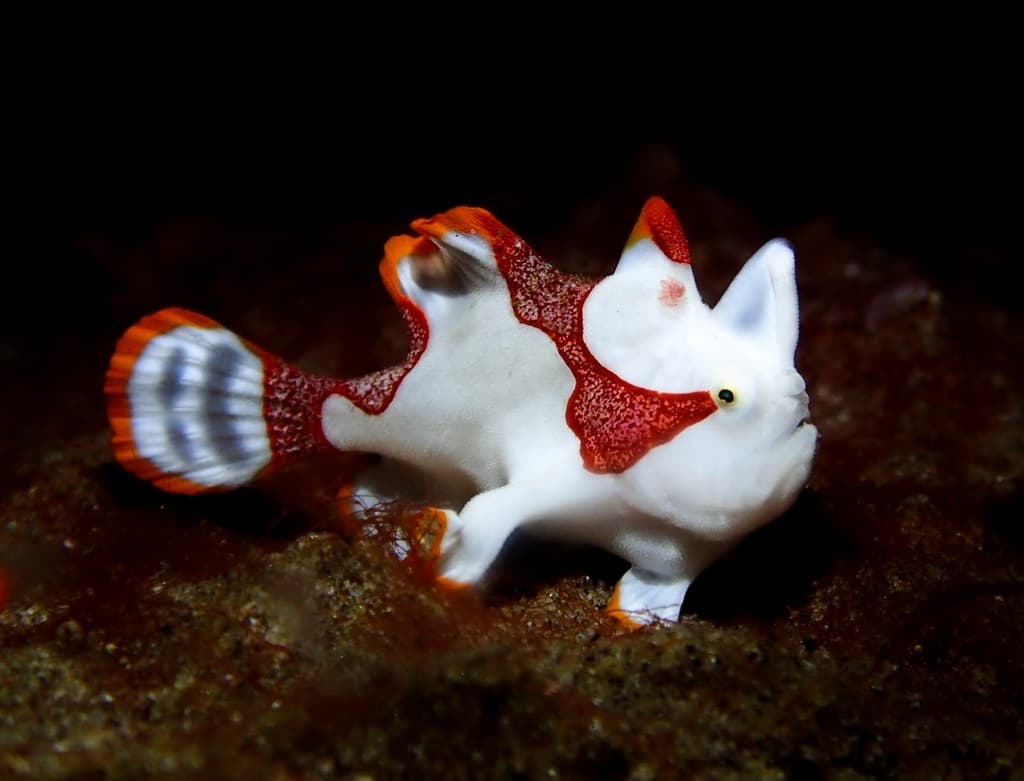
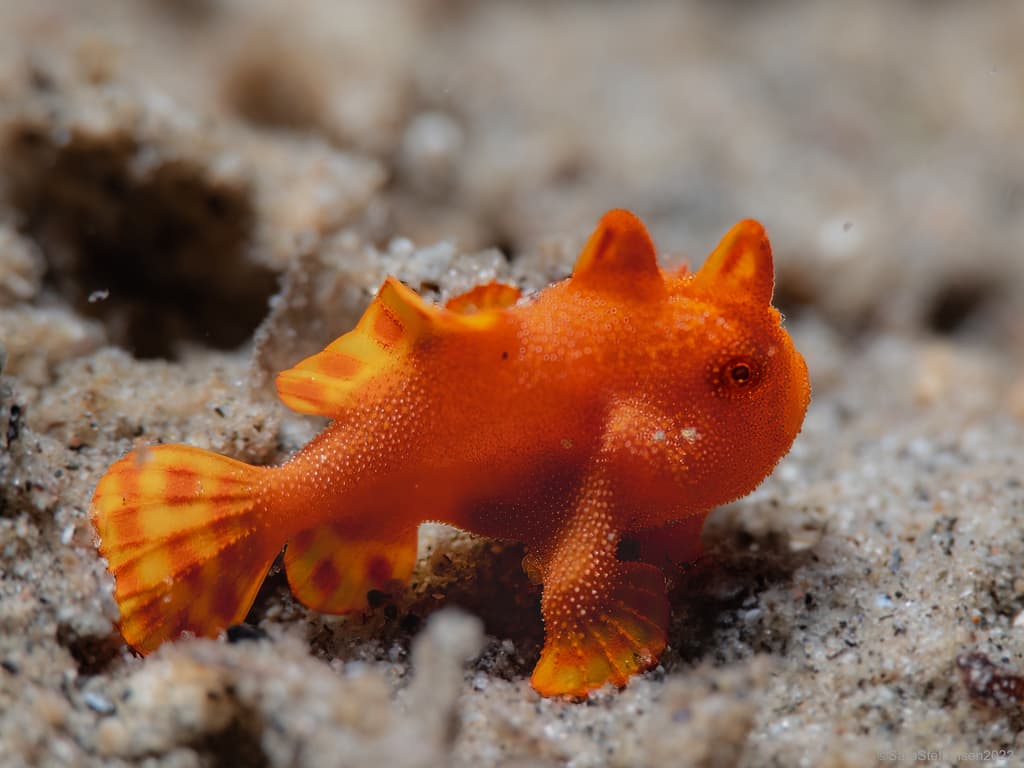
The Giant Frogfish is the largest commonly encountered frogfish species, capable of reaching an impressive 12 inches in length. Like all frogfish, it possesses a globular, stocky body with textured skin that can mimic sponges, rocks, and coral, making it a supreme master of camouflage. Its modified first dorsal spine, called the illicium, is tipped with a fleshy lure known as the esca, which it wiggles enticingly to attract unsuspecting prey within striking range. The Giant Frogfish can vary dramatically in color, appearing in shades of black, brown, red, orange, yellow, green, or white, and can slowly change color over a period of days to weeks to match its surroundings.
In the wild, Antennarius commerson is found throughout the Indo-Pacific, from the Red Sea and East Africa to Hawaii and the Eastern Pacific. It inhabits coral reefs, rocky substrates, and rubble zones from shallow tide pools to depths of about 70 meters. Despite its large size, it is remarkably difficult to spot in its natural habitat due to its extraordinary camouflage abilities. It is a sit-and-wait ambush predator, remaining completely motionless for hours or even days, striking at prey with one of the fastest attacks in the animal kingdom — its strike takes just 6 milliseconds.
In the aquarium, the Giant Frogfish is a fascinating and rewarding species for the dedicated hobbyist willing to provide appropriate care. Its larger size compared to other frogfish species means it requires a minimum tank of 55 gallons, with ample live rock for perching and hiding. Low water flow is essential, as frogfish are poor swimmers. The biggest challenge is feeding, as many specimens arrive only accepting live food and must be painstakingly weaned onto frozen items using feeding tongs. They will eat any tankmate that can fit in their cavernous mouths, which can accommodate prey nearly as large as themselves.
Feeding & Diet
Carnivore
The Giant Frogfish is an ambush predator that feeds on fish and crustaceans in the wild. In captivity, most specimens must be trained to accept frozen foods using feeding tongs that simulate live prey movement. Offer frozen silversides, lance fish, raw shrimp, and ghost shrimp on tongs, wiggling them to trigger a feeding strike. Feed two to three times per week — frogfish have slow metabolisms and are prone to obesity if overfed. Never use freshwater feeder fish, which lack proper nutrition.
Compatibility
ambush-predatorslow-moverspecies-tankoddball
The Giant Frogfish should only be kept with fish too large to eat and too slow to outcompete it for food. Due to its large size, it has a correspondingly large mouth capable of swallowing surprisingly big tankmates. Compatible companions include other similarly sized frogfish (with caution), scorpionfish, and lionfish. Never house with small fish, shrimp, or fast active species. A dedicated species tank or specialized predator setup is strongly recommended.
Check CompatibilityBreeding
Difficult
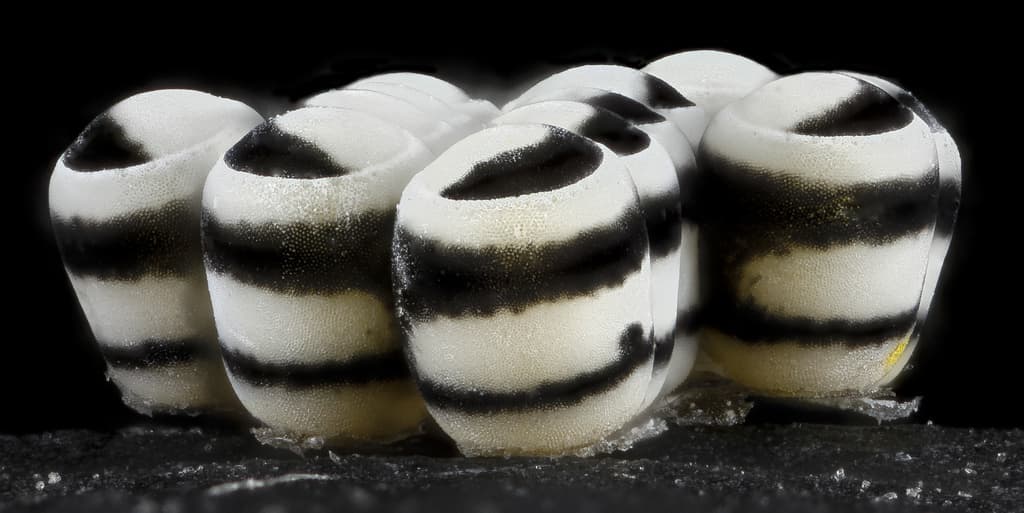
Giant Frogfish produce enormous floating egg rafts that can contain hundreds of thousands of eggs. The male courts the female by approaching and nudging her belly, and spawning typically occurs at the surface where the buoyant egg mass is released. The pelagic larvae are extremely small and difficult to raise in captivity, requiring specialized rearing techniques with rotifers and copepod nauplii as first foods.
Special Requirements
- Will eat any fish or crustacean that fits in its enormous mouth
- Must be trained to accept frozen food via feeding tongs
- Requires low water flow — strong currents stress frogfish
- Largest common frogfish species — needs minimum 55-gallon tank
- Best kept in a species-appropriate setup with other slow-moving fish
- Can change color over days to weeks to match surroundings
Water Parameters
Temperature72–78°F
Specific Gravity1.02–1.025 sg
pH8.1–8.4
Alkalinity8–12 dKH
Coloration
variable (black, brown, red, orange, yellow, green, white)
Tags
ambush-predatorslow-moverspecies-tankoddball