BeginnerSemi-AggressiveReef SafeCaptive-Bred Available
Tomato Clownfish
Amphiprion frenatus
Family: Pomacentridae · Clownfish
Also known as: Tomato Anemonefish, Red Clownfish, Bridled Clownfish, Fire Clown
(c) Sinead Chen, all rights reserved
Max Size
5"
Min Tank
30 gal
Lifespan
10-15 years
Origin
Western Pacific, Southeast Asia
Diet
Omnivore
Swims
Middle
About
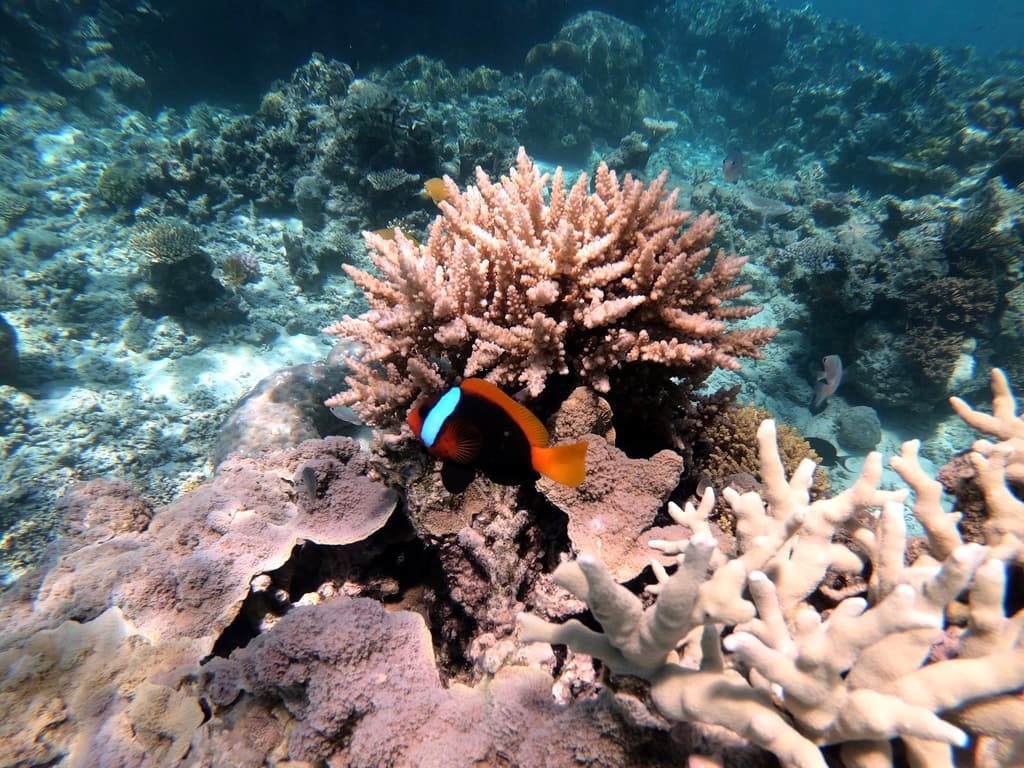
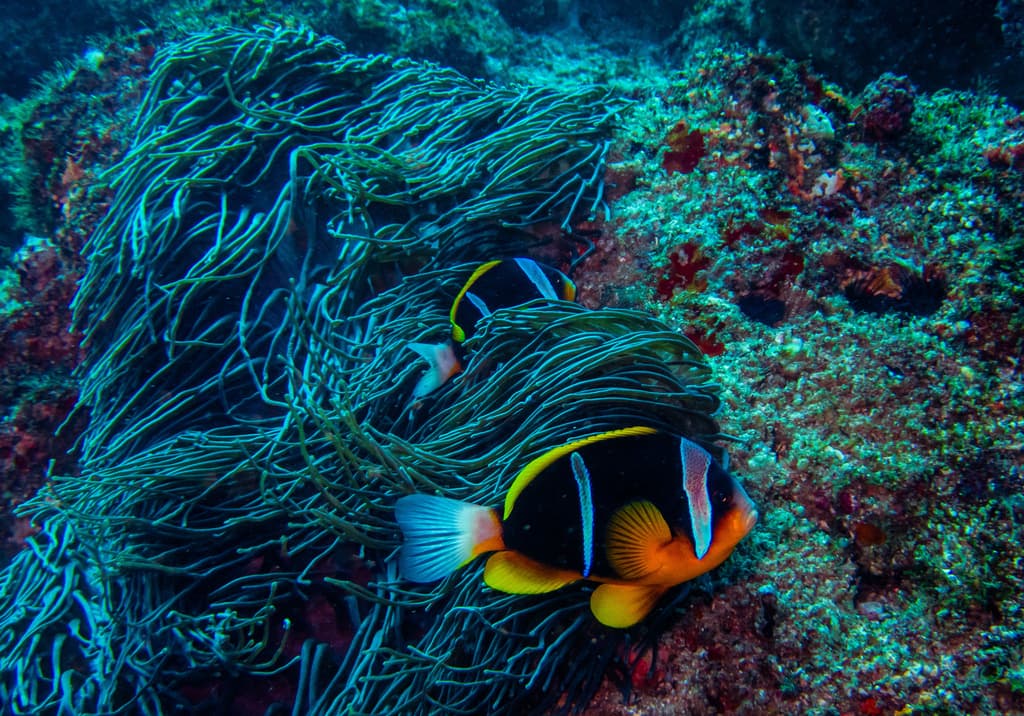
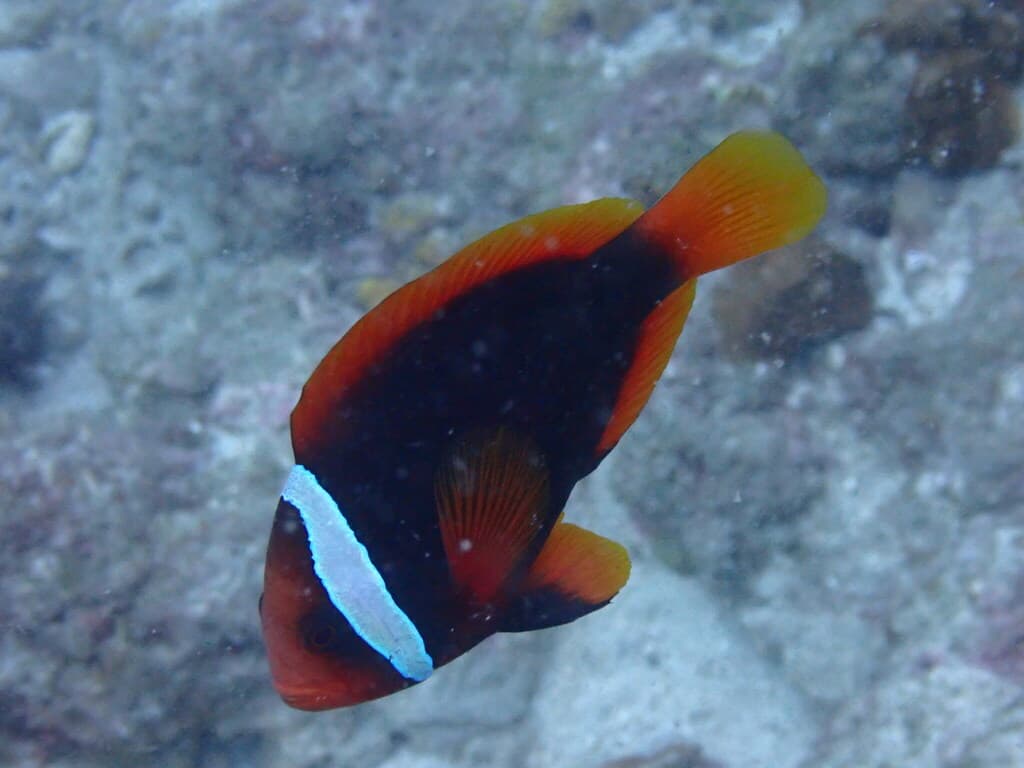
The Tomato Clownfish is a robust and vibrantly colored species that gets its name from its deep tomato-red to orange-red body coloration. Juveniles display three white bars similar to other clownfish, but as they mature, the middle and posterior bars fade, leaving only a single white bar behind the eye, often edged in black. Females are notably larger than males and tend to develop a darker, more brownish-red coloration.
This species is one of the hardiest clownfish available and an excellent choice for beginning marine aquarists. It readily adapts to captive conditions, accepts all prepared foods, and is highly resistant to common marine diseases. The Tomato Clownfish naturally associates with Entacmaea quadricolor (Bubble Tip Anemone) as its primary host, though it will also accept other anemone species and does perfectly well without a host in captivity.
While not as aggressive as the Maroon Clownfish, the Tomato Clownfish is decidedly more territorial than the docile Ocellaris or Percula species. It can become pushy and domineering, especially as the female grows larger and establishes a firm territory around her chosen area of the tank. This behavior is manageable in appropriately sized aquariums with suitable tankmates that can withstand mild harassment.
Feeding & Diet
Omnivore
Tomato Clownfish are omnivores that readily accept virtually all prepared foods including marine pellets, flake food, frozen mysis shrimp, brine shrimp, and chopped seafood. They benefit from algae-based supplements for balanced nutrition. Feed two to three times daily.
Compatibility
reef-safesemi-aggressiveterritorialpairs-wellbeginner-friendlycaptive-bred-available
The Tomato Clownfish is moderately territorial and may harass smaller, passive tankmates, particularly near its host anemone or chosen territory. It should not be kept with other clownfish species. Compatible with tangs, wrasses, and other moderately assertive community fish. Completely reef-safe.
Check CompatibilityBreeding
Easy
Tomato Clownfish breed readily in captivity. Mated pairs spawn regularly on flat surfaces, with the male guarding eggs until hatching in 7-9 days. Larvae require rotifers as first food. Captive breeding is well-established and straightforward for dedicated aquarists.
Special Requirements
- Best kept as a mated pair or single specimen
- Moderately territorial - provide adequate space
- Bubble Tip Anemone is preferred host
- Captive-bred specimens widely available
- Female grows significantly larger than male
Water Parameters
Temperature74–82°F
Specific Gravity1.02–1.026 sg
pH7.8–8.4
Alkalinity8–12 dKH
Coloration
redorangewhiteblack
Tags
reef-safesemi-aggressiveterritorialpairs-wellbeginner-friendlycaptive-bred-available