BeginnerSemi-AggressiveReef SafeIUCN: Least ConcernCaptive-Bred Available
Saddleback Clownfish
Amphiprion polymnus
Family: Pomacentridae · Clownfish
Also known as: Saddleback Anemonefish, Yellow-finned Anemonefish
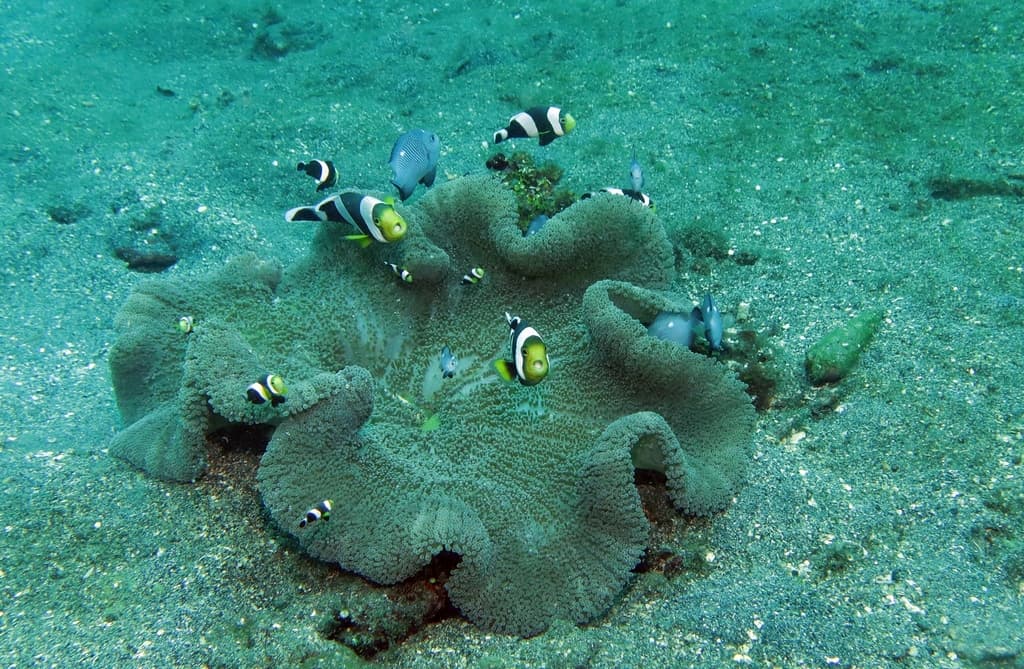
(c) Xavier Rufray, some rights reserved (CC BY-NC)
Max Size
5"
Min Tank
30 gal
Lifespan
10-15 years
Origin
Western Pacific, Indonesia
Diet
Omnivore
Swims
Middle
Did You Know?
- The Saddleback Clownfish is one of the few clownfish species that naturally inhabits sandy lagoon environments rather than coral reef structures
- The distinctive saddle-shaped white band varies significantly between individuals, with some specimens showing a narrow saddle and others displaying a very broad one
- The Saddleback Clownfish is one of the few clownfish species that commonly hosts with Haddon's Carpet Anemone, one of the most potent stinging anemones available
About
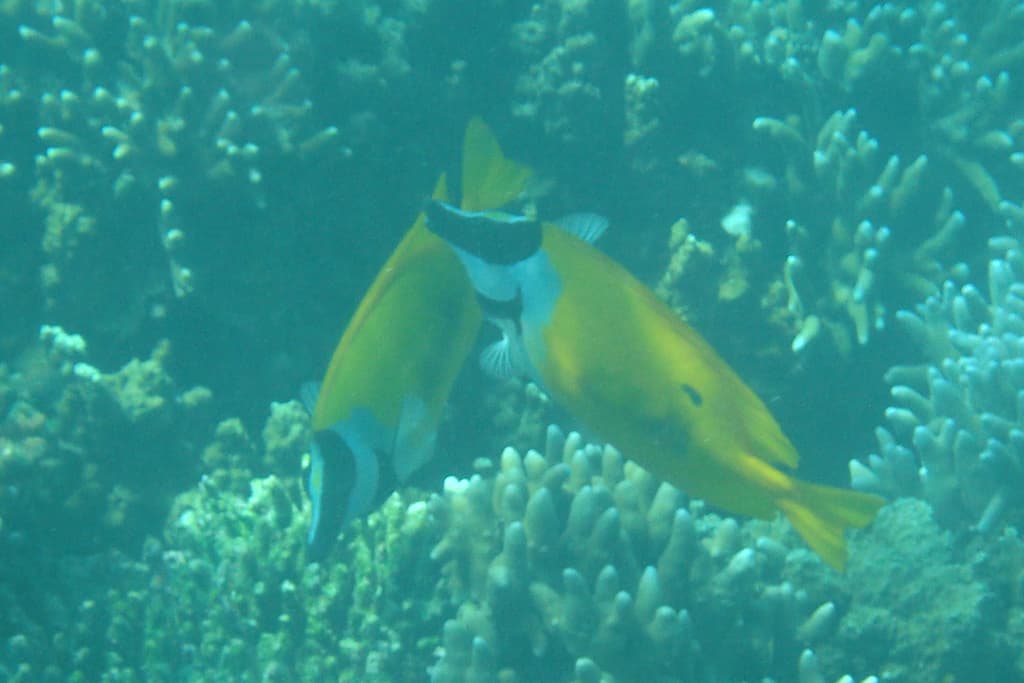
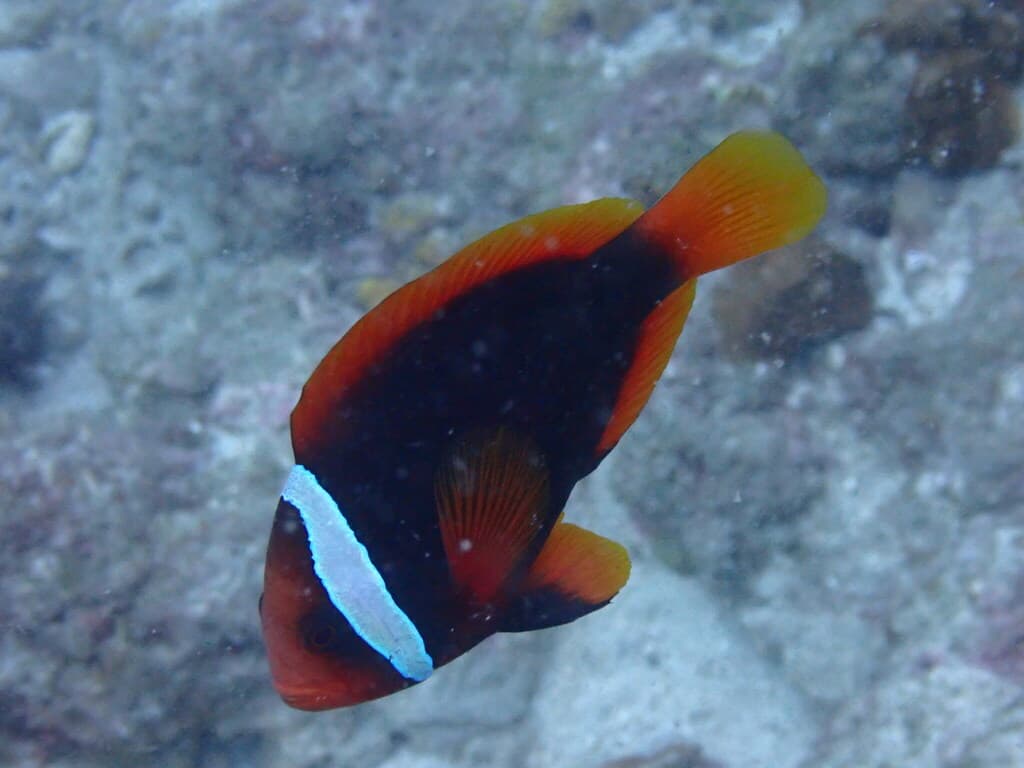
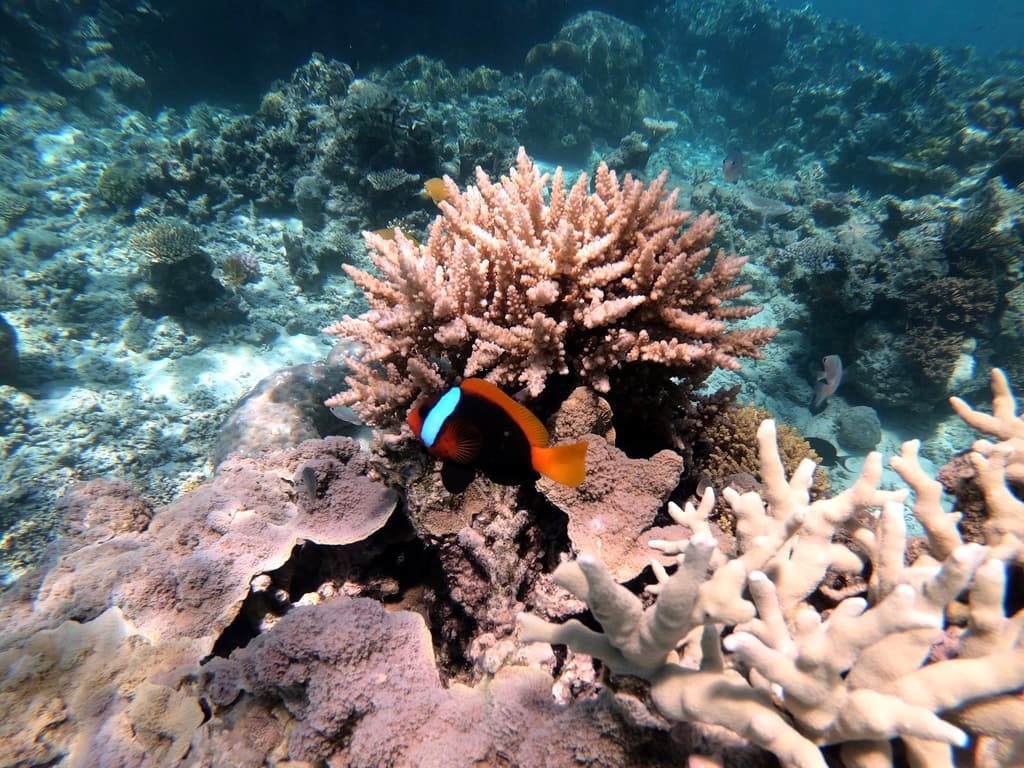
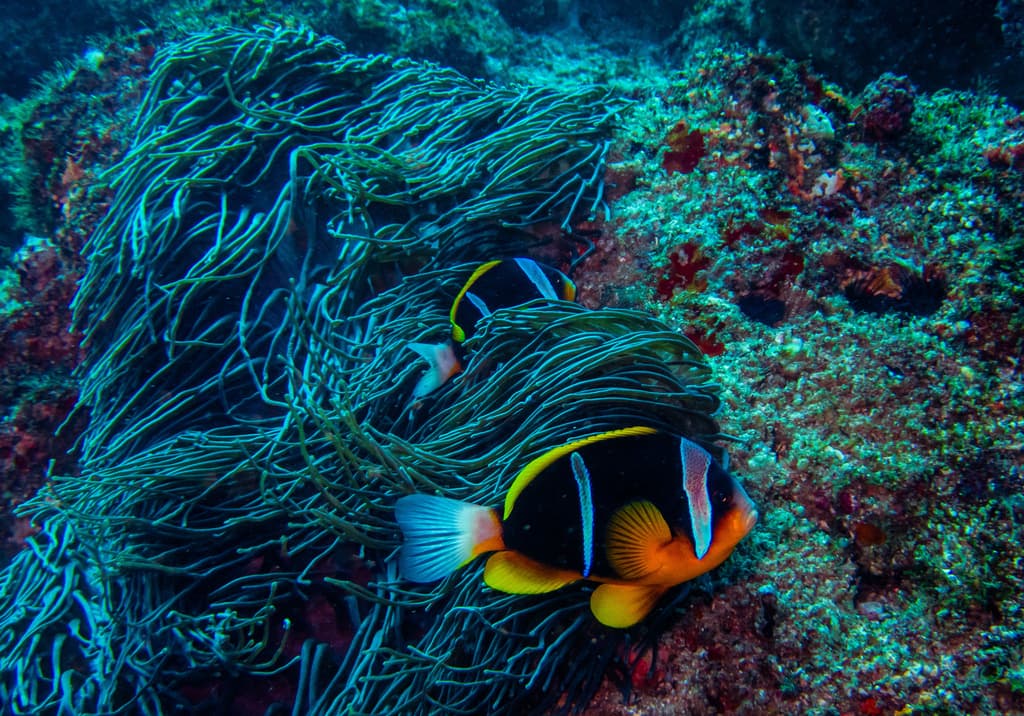
The Saddleback Clownfish is a distinctive and attractive anemonefish found throughout the Western Pacific, from Japan south through Indonesia, the Philippines, Papua New Guinea, and northern Australia. Its most recognizable feature is the broad white saddle-shaped band that extends from the mid-dorsal region down the sides of the body, giving the species its common name. The base body color is dark brown to black, with the head often showing orange to yellowish tones. The tail and pectoral fins are frequently pale yellow to white, creating an eye-catching contrast against the darker body.
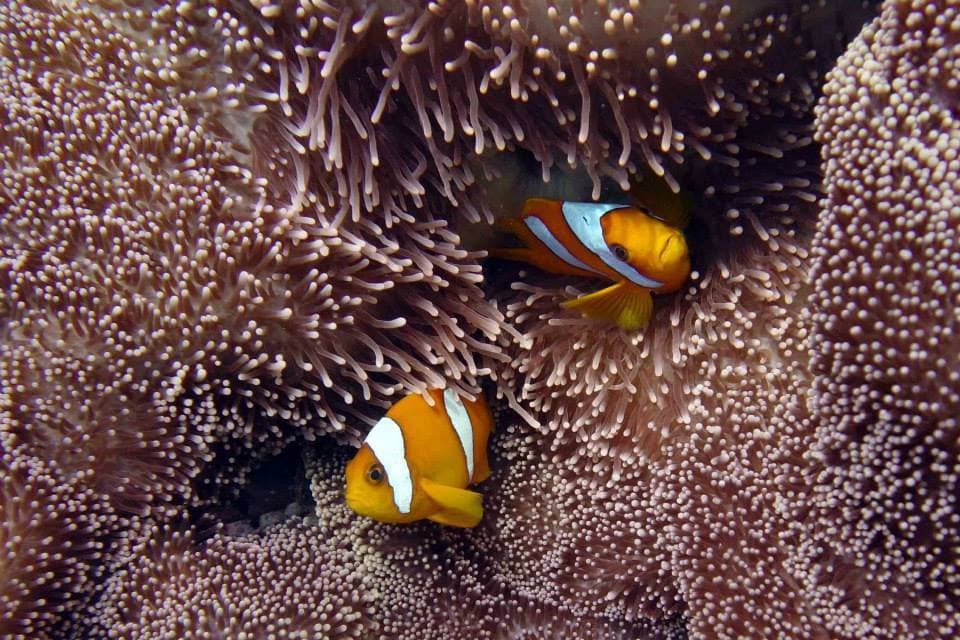
In the wild, the Saddleback Clownfish shows a strong preference for hosting with Haddon's Carpet Anemone (Stichodactyla haddoni) and occasionally the Sebae Anemone (Heteractis crispa). It is typically found in shallow lagoons, sandy reef flats, and seagrass beds, often in areas with soft substrates rather than hard reef structures. This habitat preference distinguishes it from most other clownfish species, which tend to favor coral reef environments. The Saddleback Clownfish lives in mated pairs or small groups, with the dominant female being the largest and most territorial member.
The Saddleback Clownfish is a beginner-friendly species that adapts well to aquarium life. It is hardy, disease-resistant, and accepts all prepared foods eagerly. Its semi-aggressive temperament is typical of mid-sized clownfish, with mature females becoming territorial around their host or nesting site. A host anemone is not required but greatly enriches the viewing experience and allows the fish to express its natural symbiotic behaviors.
Feeding & Diet
Omnivore
The Saddleback Clownfish is an enthusiastic omnivore that accepts all standard aquarium foods including marine pellets, flakes, frozen mysis shrimp, enriched brine shrimp, and chopped seafood. A varied diet including both meaty and algae-based foods supports optimal health and coloration. Vitamin-enriched preparations are beneficial. Feed two to three times daily in small portions.
Compatibility
reef-safesemi-aggressiveterritorialpairs-wellbeginner-friendlycaptive-bred-available
The Saddleback Clownfish is semi-aggressive, with mature females becoming territorial, particularly near their host or nesting site. Should not be kept with other clownfish species. Compatible with tangs, wrasses, gobies, larger cardinalfish, and other moderately assertive community reef fish. May bully smaller, timid species. Completely reef-safe with all corals and invertebrates.
Check CompatibilityBreeding
Easy
The Saddleback Clownfish breeds readily in captivity. Mated pairs spawn on flat surfaces, typically near their host anemone, producing clutches of 400-900 eggs. The male guards and fans the eggs, which hatch in 8-10 days depending on temperature. Larvae require rotifers as first food, transitioning to baby brine shrimp after approximately one week. Captive-bred specimens are regularly available from commercial breeders.
Special Requirements
- Best kept as a mated pair or single specimen
- Semi-aggressive when mature - provide space for tankmates
- Hosts primarily with Haddon's Carpet Anemone in the wild
- An anemone enriches the display but is not required
- Naturally found in sandy lagoon environments
- Captive-bred specimens widely available
Water Parameters
Temperature74–82°F
Specific Gravity1.02–1.026 sg
pH8–8.4
Alkalinity8–12 dKH
Coloration
brownblackwhiteyelloworange
Tags
reef-safesemi-aggressiveterritorialpairs-wellbeginner-friendlycaptive-bred-available