BeginnerSemi-AggressiveReef Safe
Red Saddleback Clownfish
Amphiprion ephippium
Family: Pomacentridae · Clownfish
Also known as: Fire Clownfish, Saddle Anemonefish, Red Saddle Clownfish
(c) Finn Klessmann, some rights reserved (CC BY-NC)
Max Size
5"
Min Tank
30 gal
Lifespan
8-12 years
Origin
Indo-Pacific, Eastern Indian Ocean
Diet
Omnivore
Swims
Middle
About
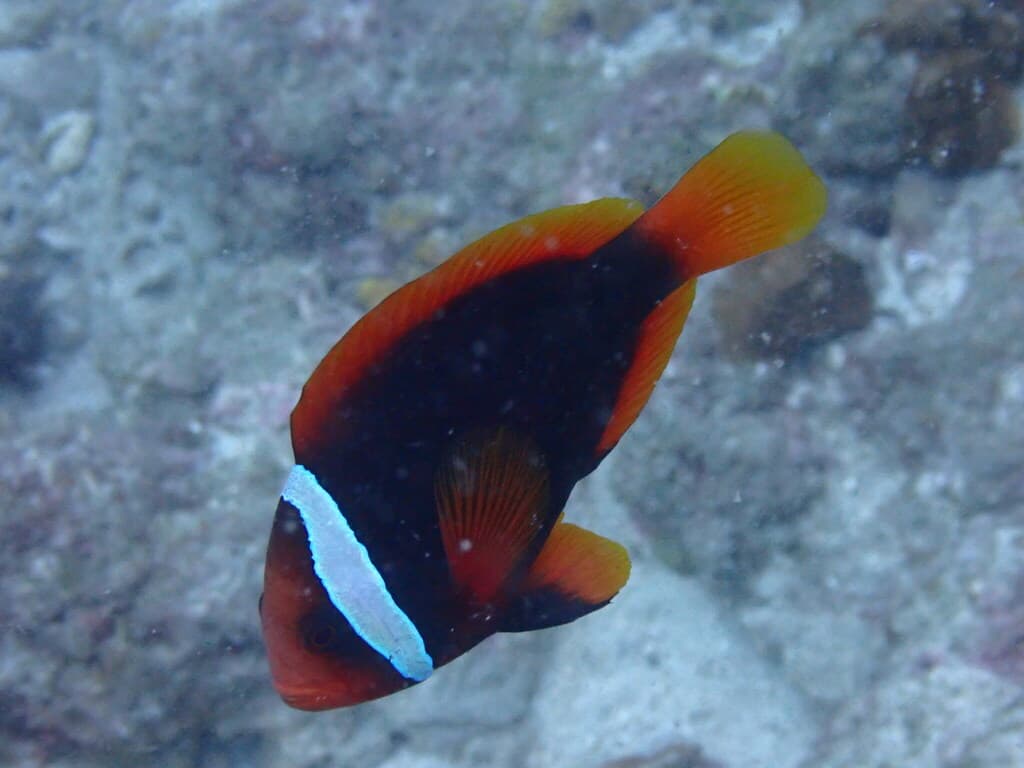
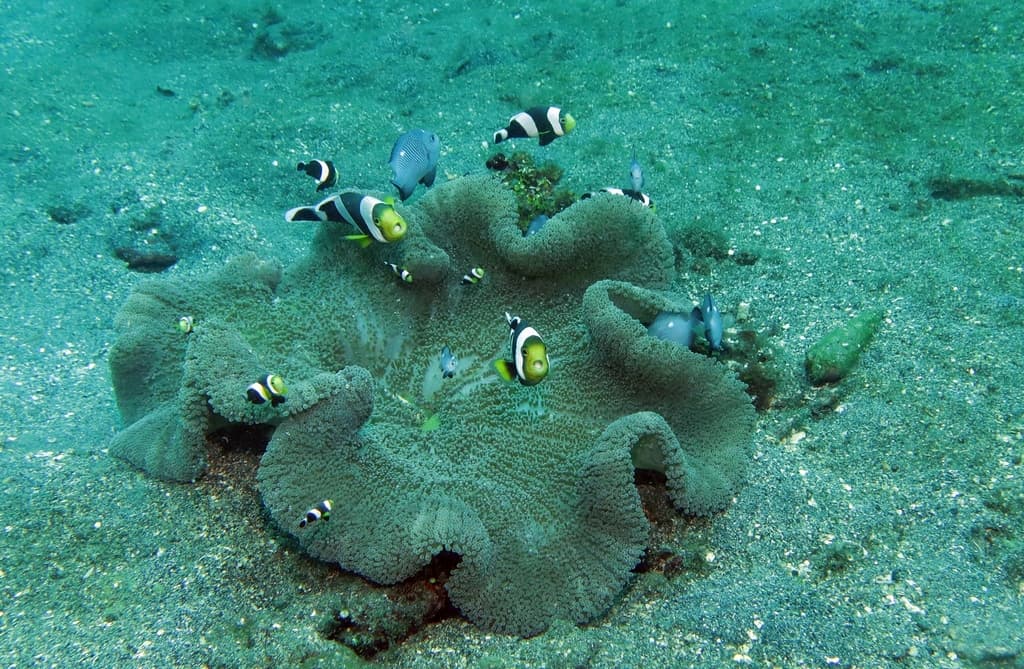
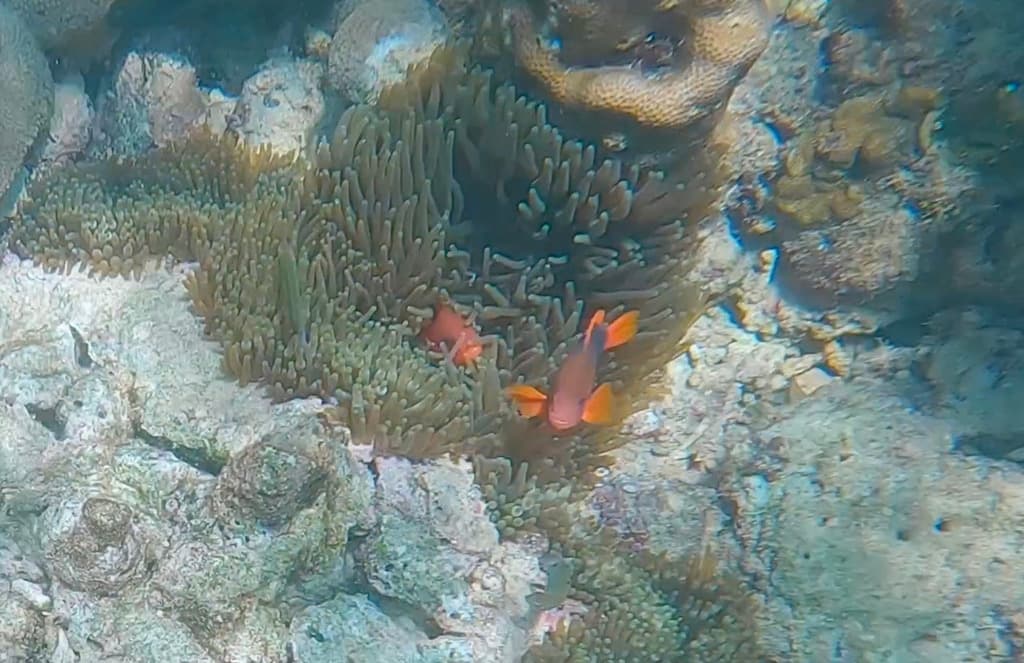
The Red Saddleback Clownfish is a strikingly beautiful species known for its rich, deep red to crimson-orange coloration that becomes more vivid and uniform as the fish matures. Juveniles display a distinctive dark saddle-shaped marking on the upper body and a single white head bar, but remarkably, adult specimens often lose these markings entirely, becoming a solid, intense red color that is unlike any other clownfish. This dramatic ontogenetic color change makes it one of the most visually distinctive clownfish species.
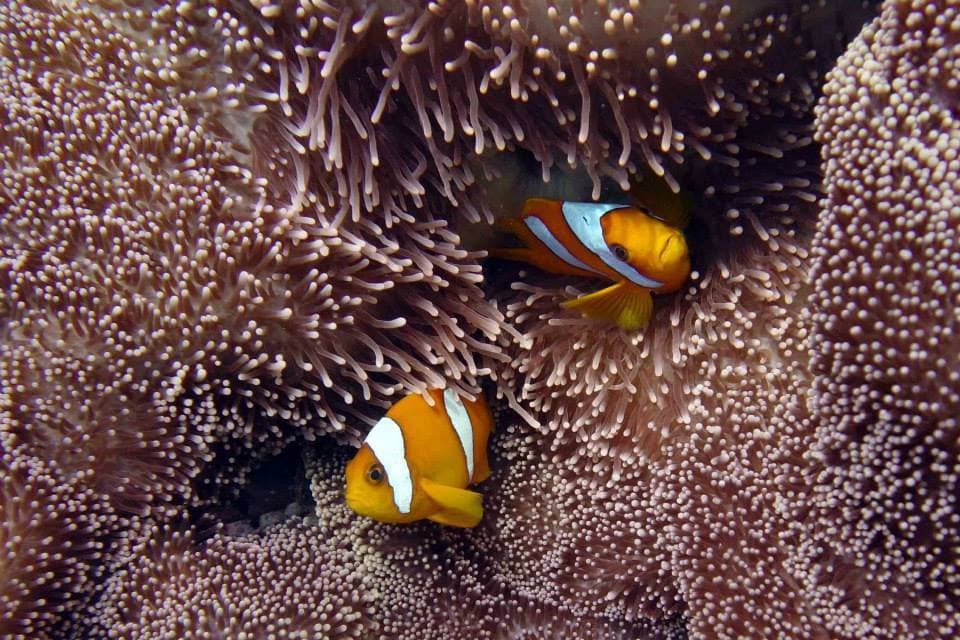
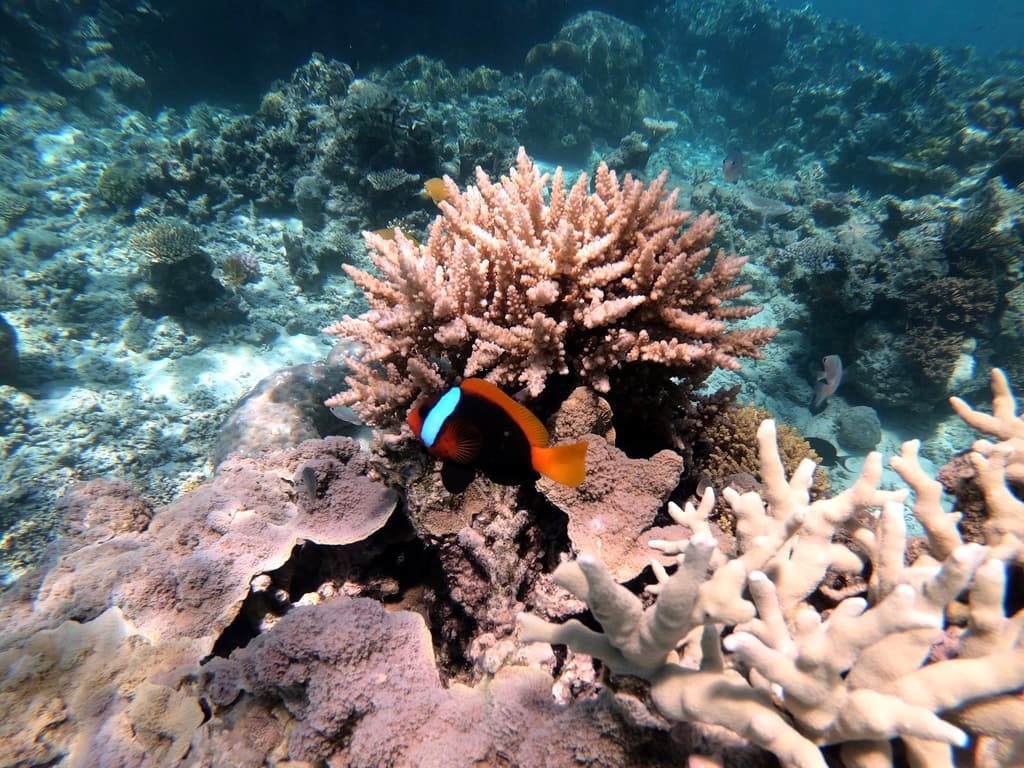
In the wild, the Red Saddleback Clownfish is found in the eastern Indian Ocean and adjacent waters, where it associates with bubble-tip anemones (Entacmaea quadricolor) and Stichodactyla haddoni. It inhabits sheltered reef areas and lagoons, often in pairs or small groups centered around a single anemone host. Like all clownfish, it is a protandrous hermaphrodite with a dominant female leading the social hierarchy.
In the aquarium, this species is hardy and beginner-friendly, readily accepting a wide range of prepared and frozen foods. It is semi-aggressive and will vigorously defend its territory, particularly if hosting an anemone. The Red Saddleback Clownfish does well in standard reef conditions and makes a bold visual statement with its intense coloration. It is moderately available in the trade and occasionally produced by captive breeding programs, making it accessible to aquarists who appreciate its unique appearance.
Feeding & Diet
Omnivore
Red Saddleback Clownfish are omnivores that feed on algae, zooplankton, and small invertebrates in the wild. In captivity, they readily accept marine pellets, flake food, frozen mysis shrimp, brine shrimp, and vitamin-enriched preparations. Feed two to three times daily.
Compatibility
reef-safesemi-aggressivepairs-wellcommunity-safeterritorial
The Red Saddleback Clownfish is semi-aggressive and territorial, particularly around its host anemone. It is compatible with most community reef fish but should not be housed with other clownfish species. More aggressive than some clownfish, it may bully smaller, timid tankmates.
Check CompatibilityBreeding
Moderate
Red Saddleback Clownfish are protandrous hermaphrodites that can be bred in captivity. Mated pairs spawn on flat surfaces near their host anemone. Eggs hatch in 7-10 days. Larvae require rotifers as first foods. Captive-bred specimens are occasionally available.
Special Requirements
- Best kept as a mated pair or single specimen
- Adults lose saddle marking and become solid red
- Host anemone appreciated but not required
- Provide moderate water flow and stable parameters
- Avoid housing with other clownfish species
Water Parameters
Temperature72–80°F
Specific Gravity1.02–1.026 sg
pH8.1–8.4
Alkalinity8–12 dKH
Coloration
redorangeblackwhite
Tags
reef-safesemi-aggressivepairs-wellcommunity-safeterritorial