IntermediatePeacefulReef Safe
Iridescent Cardinalfish
Siphamia versicolor
Family: Apogonidae · Cardinalfish
Also known as: Iridescent Cardinal, Urchin Cardinalfish, Versicolor Cardinalfish
The Trustees of the Natural History Museum, London
Max Size
2.5"
Min Tank
20 gal
Lifespan
3-5 years
Origin
Western Pacific
Diet
Carnivore
Swims
Middle
About
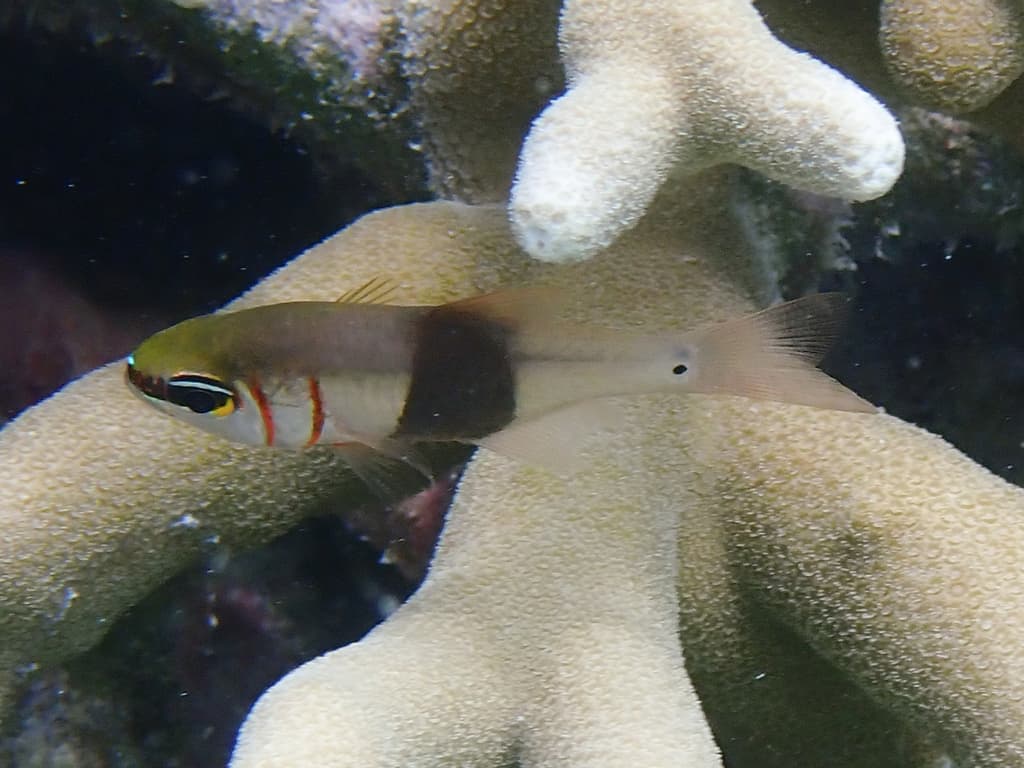
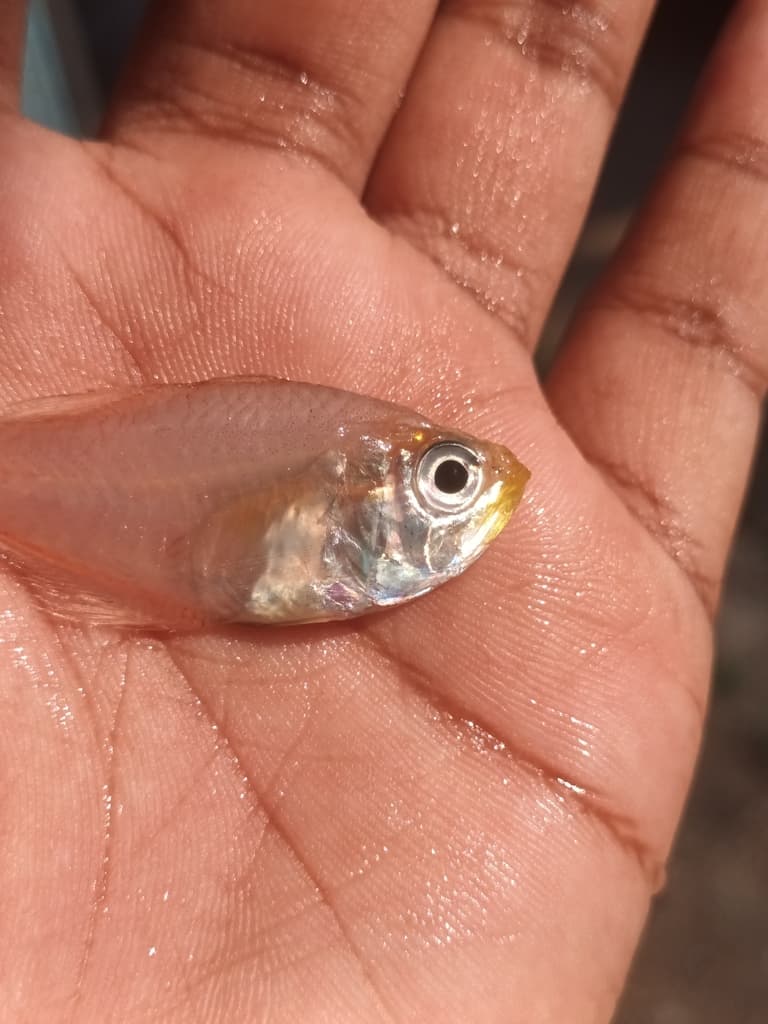
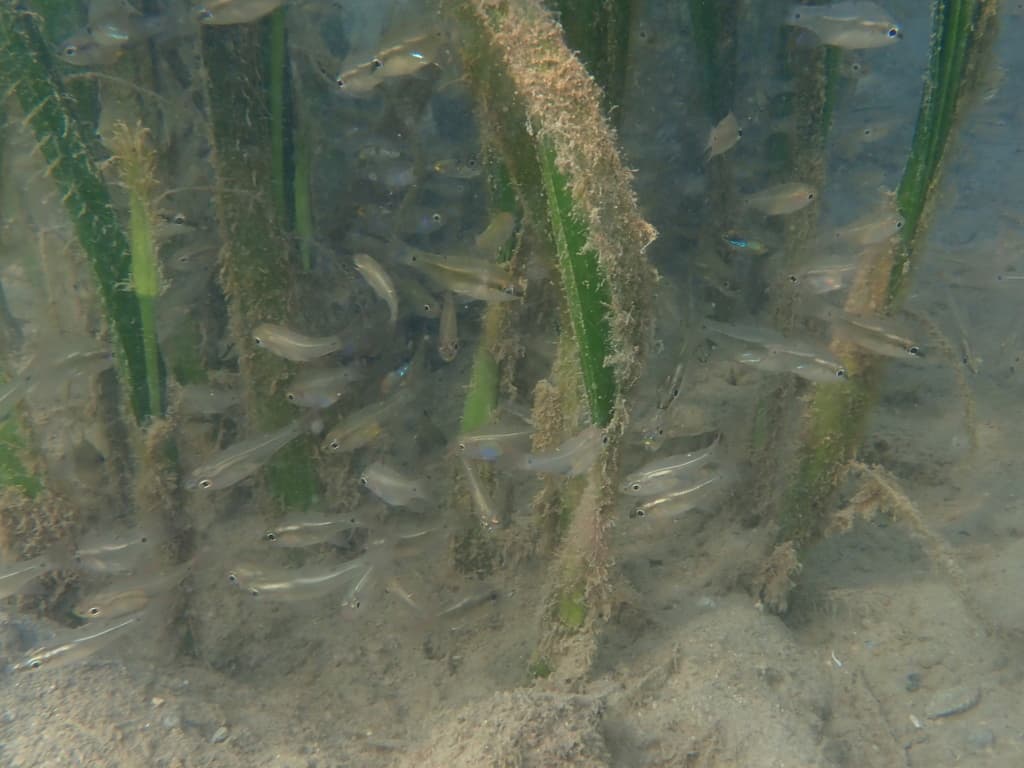
The Iridescent Cardinalfish is a small and fascinating species known for its shimmering, iridescent body that displays shifting hues of blue, green, and silver depending on the angle of light. Native to the Western Pacific, this species has a remarkable ecological relationship with long-spined sea urchins, among whose protective spines it shelters during the day. This symbiotic association provides the tiny cardinalfish with protection from predators while the urchin host appears unaffected by its presence.
In the home aquarium, the Iridescent Cardinalfish requires slightly more care than many other cardinalfish, earning it an intermediate care rating. The key to success with this species is providing appropriate shelter, ideally in the form of long-spined sea urchins such as Diadema species. Without this natural host, substitute shelter can be provided through dense branching corals or intricate rockwork with many small crevices. This species can be shy initially and may require live foods such as enriched brine shrimp or copepods before transitioning to frozen preparations.
The Iridescent Cardinalfish is fully reef-safe and its diminutive size means it poses no threat to any corals or invertebrates. Due to its small size and somewhat delicate nature, it should only be housed with equally peaceful and small tankmates. This species is best suited for dedicated nano reefs or species-specific setups where its unique iridescent beauty and fascinating urchin-associated behavior can be fully appreciated.
Feeding & Diet
Carnivore
The Iridescent Cardinalfish feeds on tiny crustaceans and zooplankton in the wild. In captivity, it may initially require live foods such as enriched brine shrimp and copepods, but can be weaned onto frozen mysis shrimp and cyclops. Feed small portions multiple times daily due to its small size.
Compatibility
reef-safepeacefulcommunity-friendlynano-suitable
The Iridescent Cardinalfish is very peaceful but small and somewhat delicate. House only with equally gentle and small species such as small gobies, firefish, and other tiny reef fish. Avoid any large or aggressive tankmates.
Check CompatibilityBreeding
Moderate
A paternal mouthbrooder like other cardinalfish. The male incubates eggs in his mouth until hatching. Due to the small size of the species, fry are tiny and challenging to rear, requiring live rotifers and phytoplankton as first foods.
Special Requirements
- Provide long-spined sea urchins as natural shelter if possible
- Dense branching corals or intricate rockwork as alternative shelter
- May require live foods initially before weaning to frozen
- Best kept with very peaceful, small tankmates only
- Associates naturally with Diadema sea urchins
Water Parameters
Temperature72–80°F
Specific Gravity1.02–1.026 sg
pH8.1–8.4
Alkalinity8–12 dKH
Coloration
silverbluegreeniridescent
Tags
reef-safepeacefulcommunity-friendlynano-suitable