BeginnerPeacefulReef Safe
Clown Wrasse
Halichoeres maculipinna
Family: Labridae · Wrasses
Also known as: Clown Halichoeres, Spotted Wrasse
(c) François Libert, some rights reserved (CC BY-NC-SA)
Max Size
7.5"
Min Tank
75 gal
Lifespan
5-8 years
Origin
Caribbean, Western Atlantic
Diet
Carnivore
Swims
Middle
About
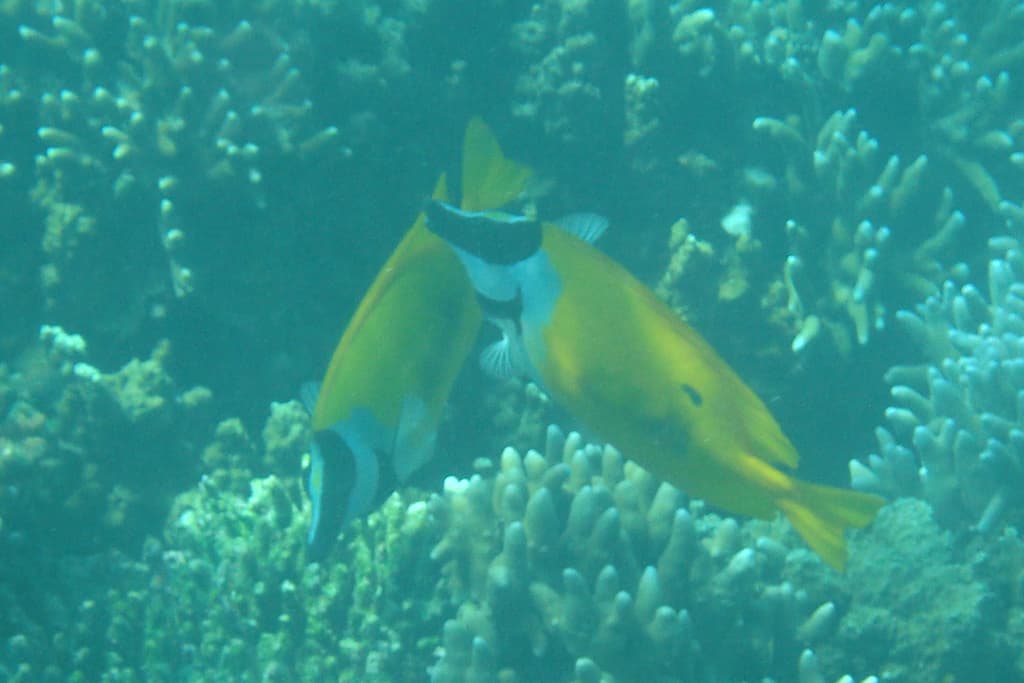
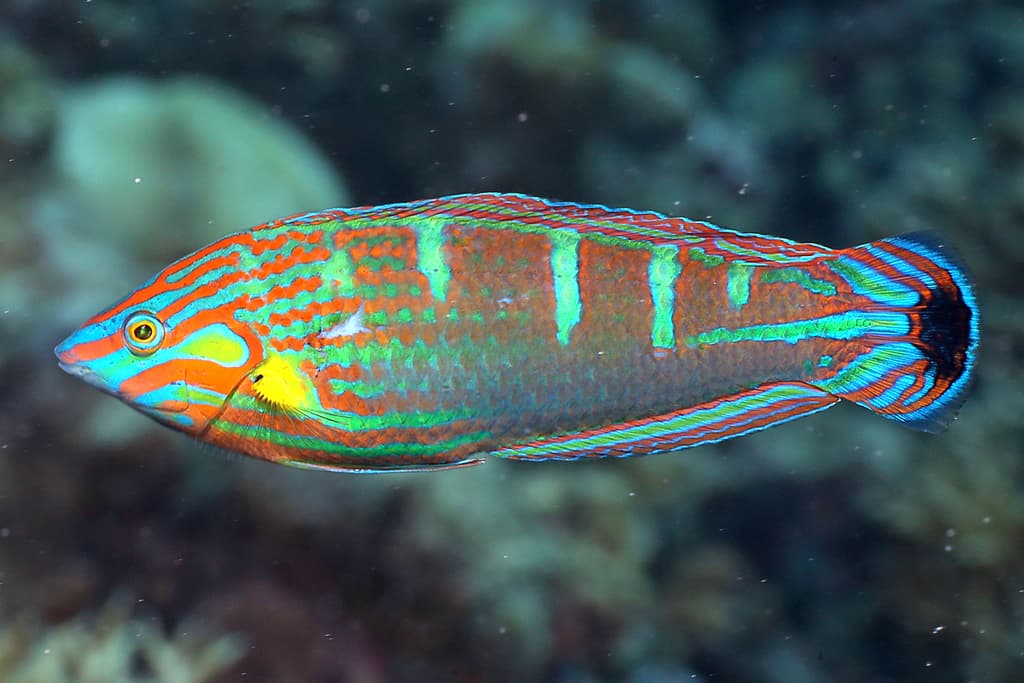
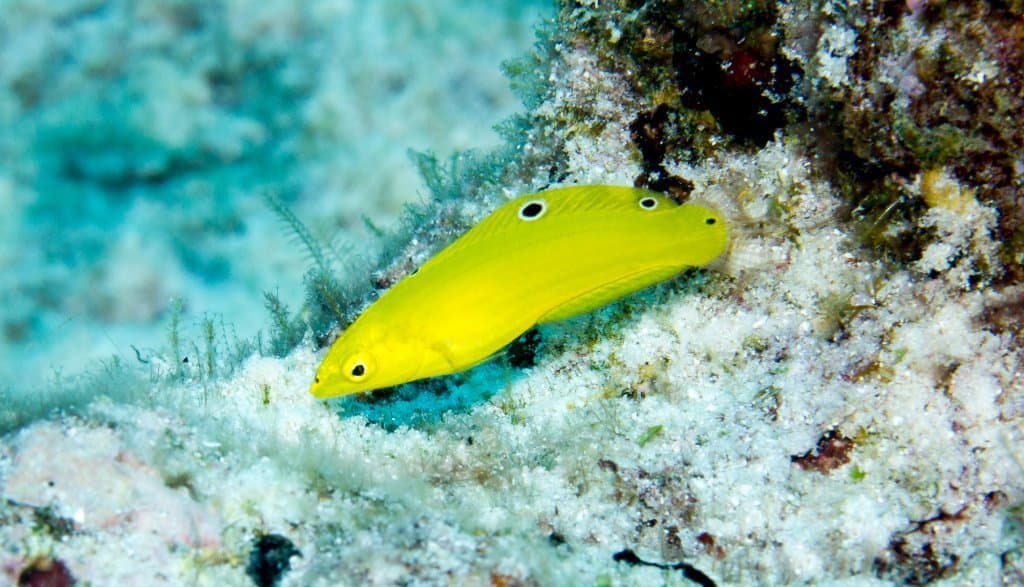
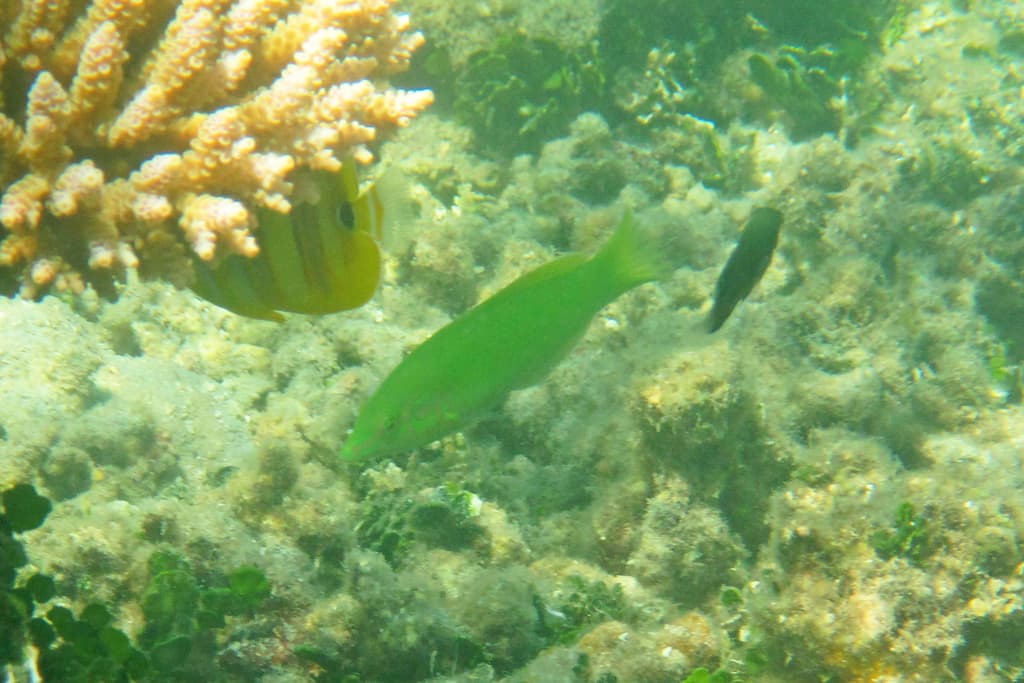
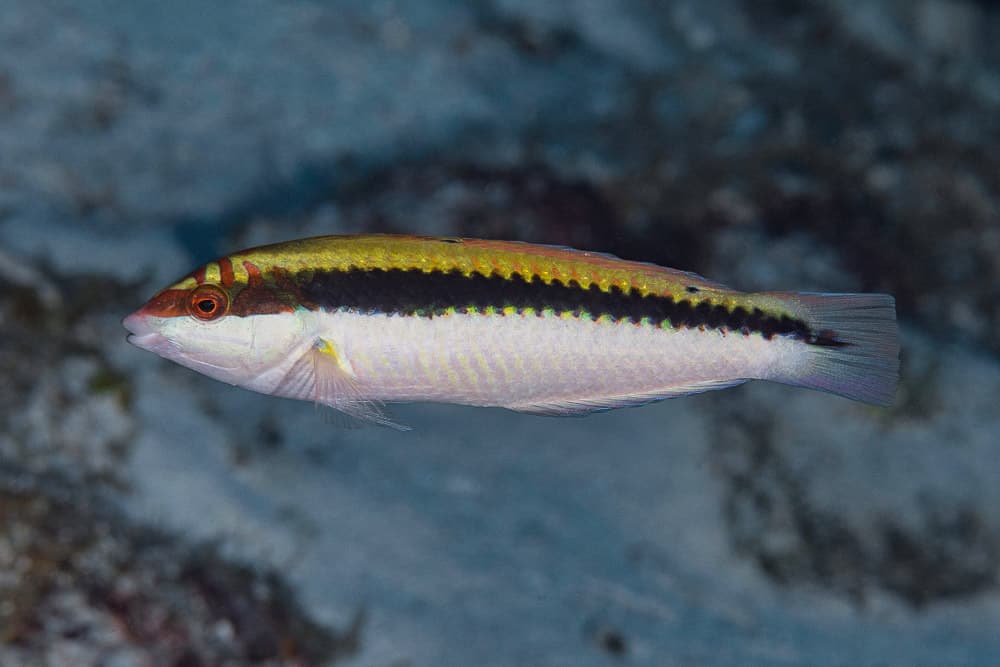
The Clown Wrasse is an attractive Caribbean species featuring a colorful spotted pattern across its body. Males display a vibrant combination of green, blue, and red-orange markings with a characteristic dark spot behind the pectoral fin, while females show more subdued but still appealing coloration with yellow and green tones.
This species is one of the easier wrasses to keep, making it an excellent choice for beginner and intermediate aquarists. The Clown Wrasse is hardy, accepts prepared foods readily, and has a peaceful temperament that works well in community reef aquariums. It is reef safe and will not harm corals or larger ornamental invertebrates, though it may consume very small invertebrate pests.
The Clown Wrasse is an active swimmer that brings constant motion and color to the aquarium. Like other Halichoeres wrasses, it sleeps by burying itself in the sand bed at night, so a sand substrate of at least two inches is necessary. A secure lid is also important as this species can jump when startled. Its Caribbean origin makes it an interesting alternative to the more commonly available Indo-Pacific wrasses.
Feeding & Diet
Carnivore
The Clown Wrasse feeds on small invertebrates, worms, and crustaceans in the wild. In captivity, it readily accepts frozen mysis shrimp, brine shrimp, chopped seafood, and high-quality marine pellets. It may also consume small aquarium pests. Feed two to three times daily for optimal health and coloration.
Compatibility
reef-safepeacefulcommunity-safebeginner-friendly
The Clown Wrasse is peaceful and compatible with most community reef fish. It integrates well into mixed species setups and rarely causes problems with tankmates. It may occasionally chase very small newly added fish but is generally very well-behaved. Safe with corals and larger ornamental invertebrates.
Check CompatibilityBreeding
Not bred in captivity
Clown Wrasses are protogynous hermaphrodites. Males maintain territories with harems of females. Spawning occurs in the water column with pelagic eggs. Captive breeding has not been achieved for this species. Specimens in the trade are wild-caught from Caribbean waters.
Special Requirements
- Sand substrate of 2+ inches required for sleeping
- Tight-fitting lid essential - known jumper
- Active swimmer requiring adequate swimming space
- Caribbean species - less commonly available than Indo-Pacific wrasses
- May consume small pest invertebrates
Water Parameters
Temperature74–80°F
Specific Gravity1.02–1.026 sg
pH8.1–8.4
Alkalinity8–12 dKH
Coloration
greenblueredorangeyellow
Tags
reef-safepeacefulcommunity-safebeginner-friendly