BeginnerPeacefulReef Safe
Yellow Coris Wrasse
Halichoeres chrysus
Family: Labridae · Wrasses
Also known as: Golden Wrasse, Canary Wrasse, Golden Rainbowfish
(c) Hickson Fergusson, all rights reserved
Max Size
5"
Min Tank
40 gal
Lifespan
5-8 years
Origin
Indo-Pacific, Western Pacific
Diet
Carnivore
Swims
Middle
About
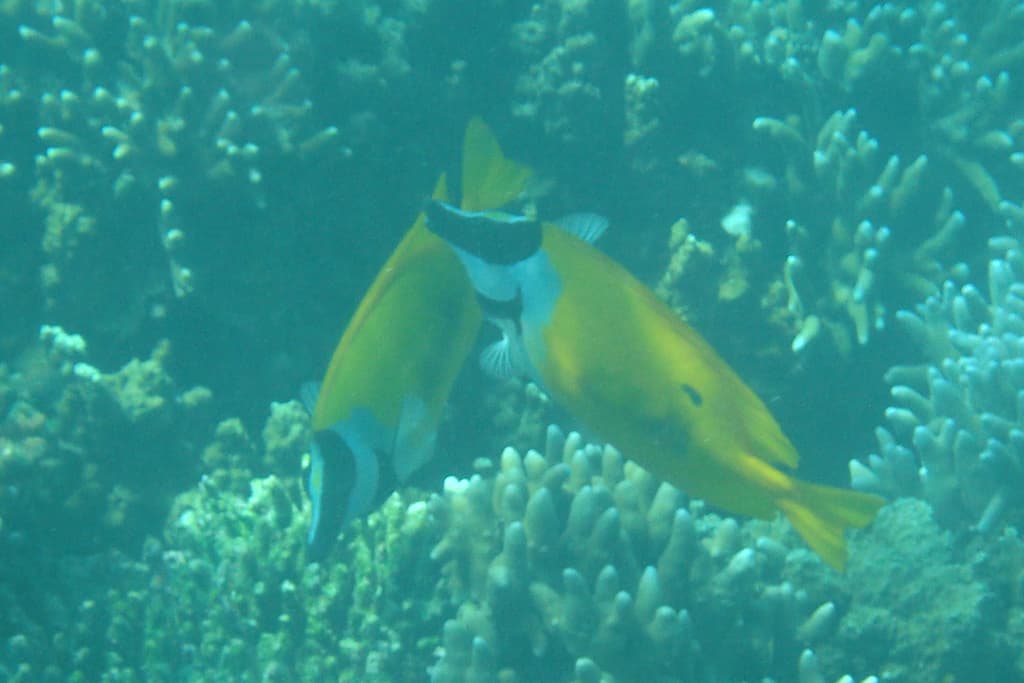
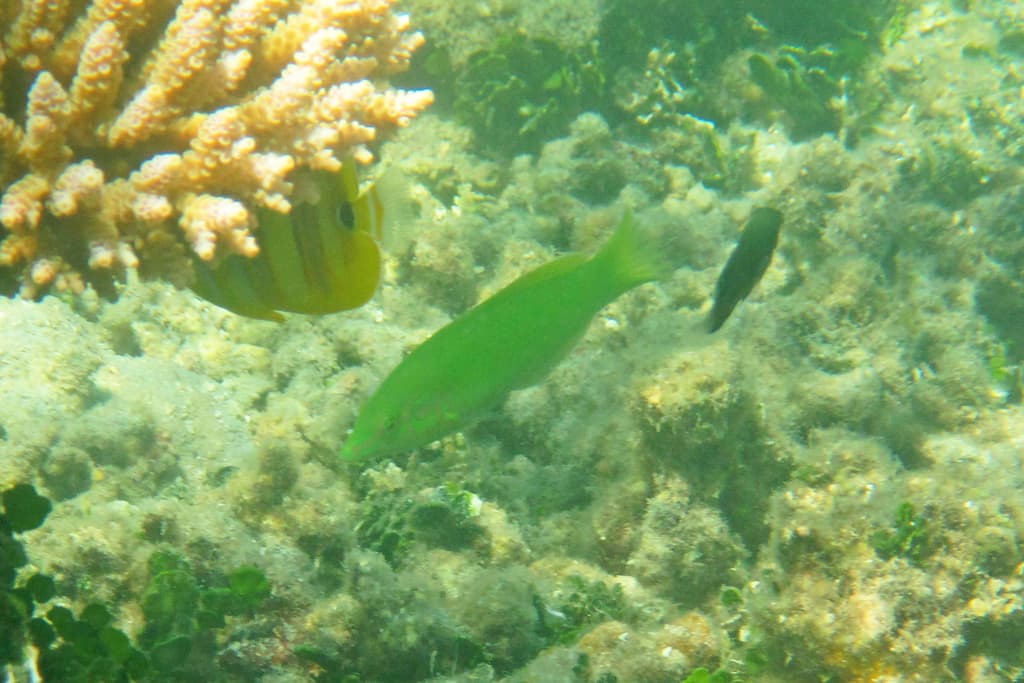
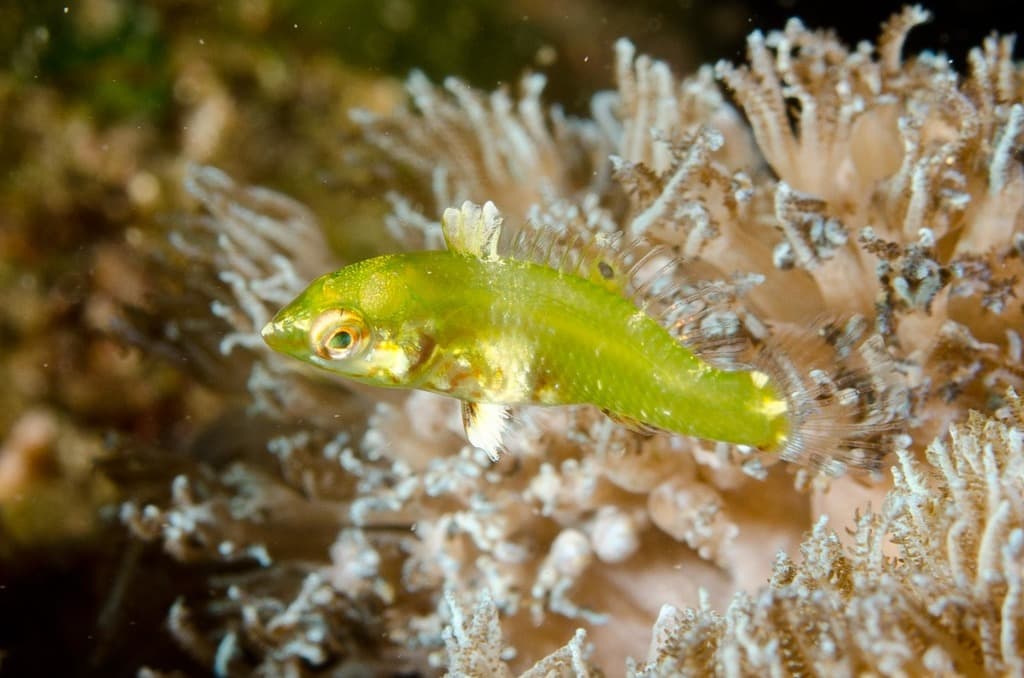
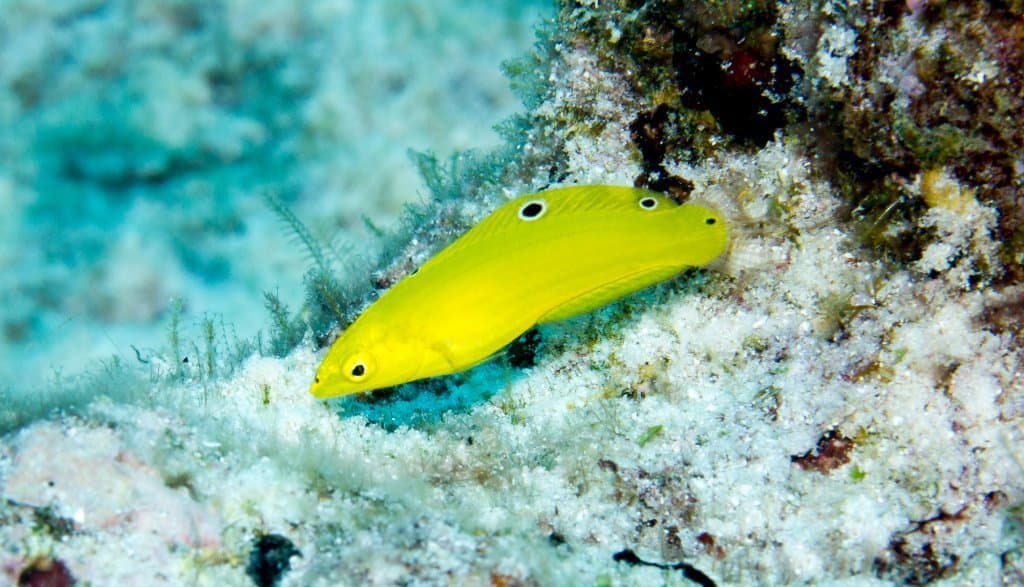
The Yellow Coris Wrasse is a brilliantly colored species that brings a bold splash of sunshine yellow to the reef aquarium. Adults display a uniform bright canary-yellow body that can range from pale lemon to deep golden yellow, often with subtle green or greenish-yellow undertones. A small black ocellus on the anterior dorsal fin is typically present. This cheerful coloration, combined with its active swimming behavior, makes it one of the most visually appealing wrasses available.
This species is an excellent choice for beginner aquarists, as it is extremely hardy, disease-resistant, and readily accepts all prepared foods. Like the Melanurus Wrasse, the Yellow Coris Wrasse is a natural pest controller that actively hunts pyramidellid snails, flatworms, and small bristleworms. It is completely reef-safe and will not harm corals, clams, or larger invertebrates.
The Yellow Coris Wrasse is an active swimmer that constantly patrols the rockwork and substrate in search of food. It sleeps buried in the sand bed at night and when stressed, so a sand substrate of at least two inches is essential. A tight-fitting lid is also required, as this species is prone to jumping, especially when newly introduced. It is peaceful toward most tankmates and integrates easily into community reef setups.
Feeding & Diet
Carnivore
Yellow Coris Wrasses are carnivores that feed on small invertebrates, worms, and crustaceans. In captivity, they accept frozen mysis shrimp, brine shrimp, chopped seafood, and marine pellets. They actively hunt small pest invertebrates on the reef structure. Feed two to three times daily.
Compatibility
reef-safepeacefulpest-controllercommunity-safebeginner-friendly
The Yellow Coris Wrasse is peaceful and compatible with most reef community fish. It coexists well with clownfish, tangs, gobies, blennies, and other peaceful species. May be mildly assertive toward other small wrasses. Completely reef-safe with all corals and larger invertebrates.
Check CompatibilityBreeding
Not bred in captivity
Yellow Coris Wrasses are protogynous hermaphrodites. Males maintain small harems and spawn in the water column. Pelagic eggs have not been successfully reared in captivity. All specimens available are wild-caught.
Special Requirements
- Sand substrate of 2+ inches required for sleeping
- Tight-fitting lid essential - known jumper
- May disappear into sand for several days when first introduced
- Excellent pest controller for flatworms and pyramidellid snails
- Active swimmer requiring adequate space
Water Parameters
Temperature74–80°F
Specific Gravity1.02–1.026 sg
pH8.1–8.4
Alkalinity8–12 dKH
Coloration
yellowgoldgreen
Tags
reef-safepeacefulpest-controllercommunity-safebeginner-friendly