AdvancedPeacefulReef Safe
Blue Star Leopard Wrasse
Macropharyngodon bipartitus
Family: Labridae · Wrasses
Also known as: Divided Wrasse, Rare Wrasse, Vermiculite Wrasse
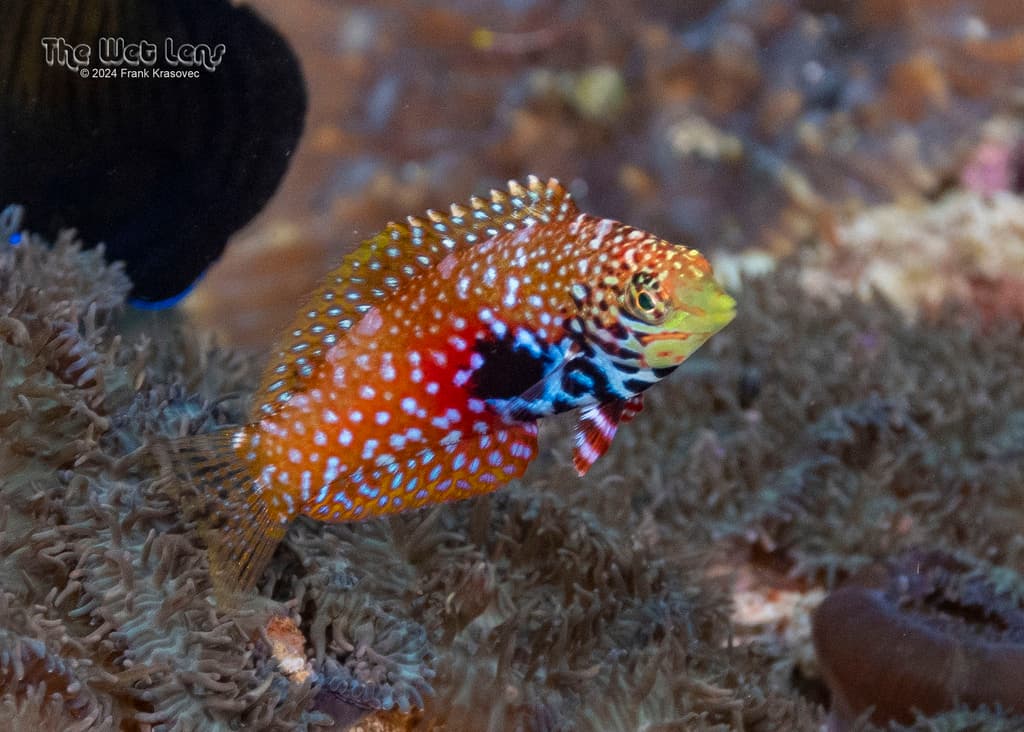
(c) Frank Krasovec, some rights reserved (CC BY-NC)
Max Size
5"
Min Tank
55 gal
Lifespan
5-8 years
Origin
Western Indian Ocean, East Africa
Diet
Carnivore
Swims
Bottom
About
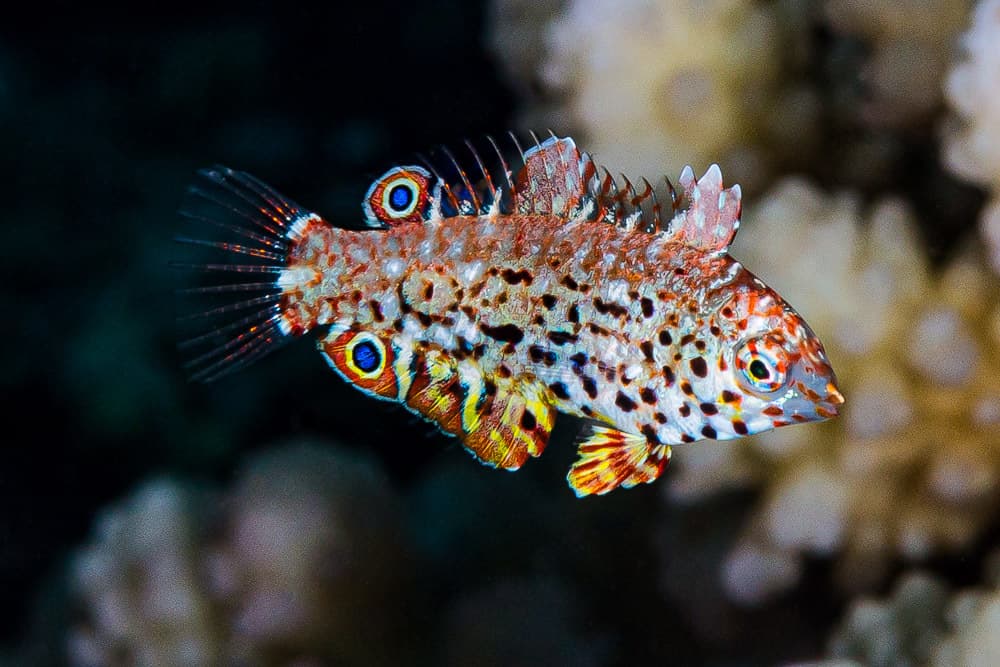
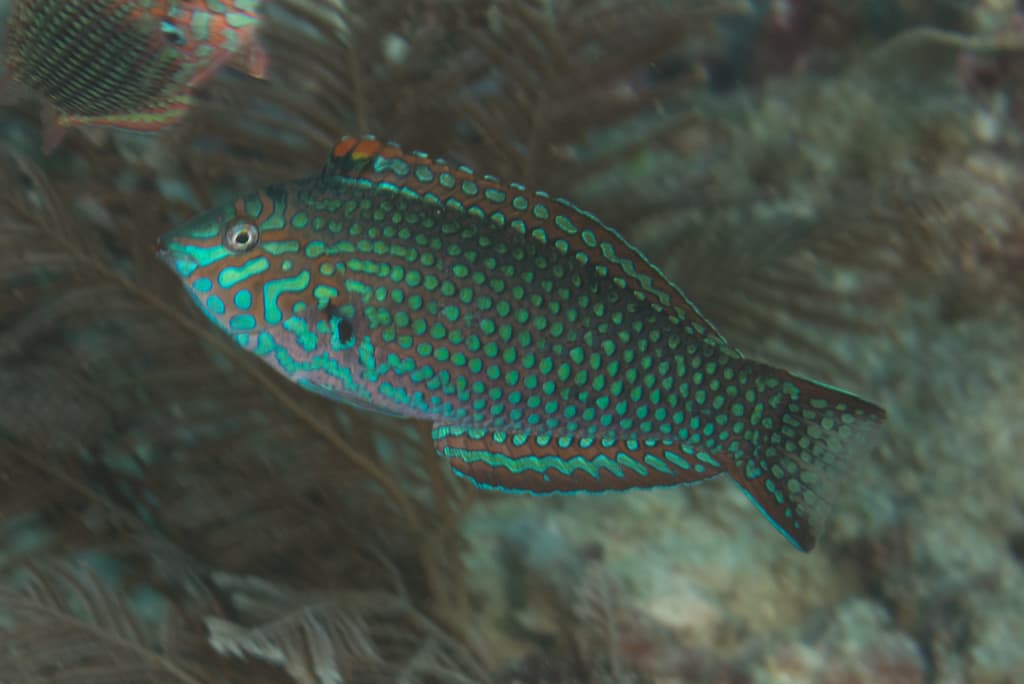
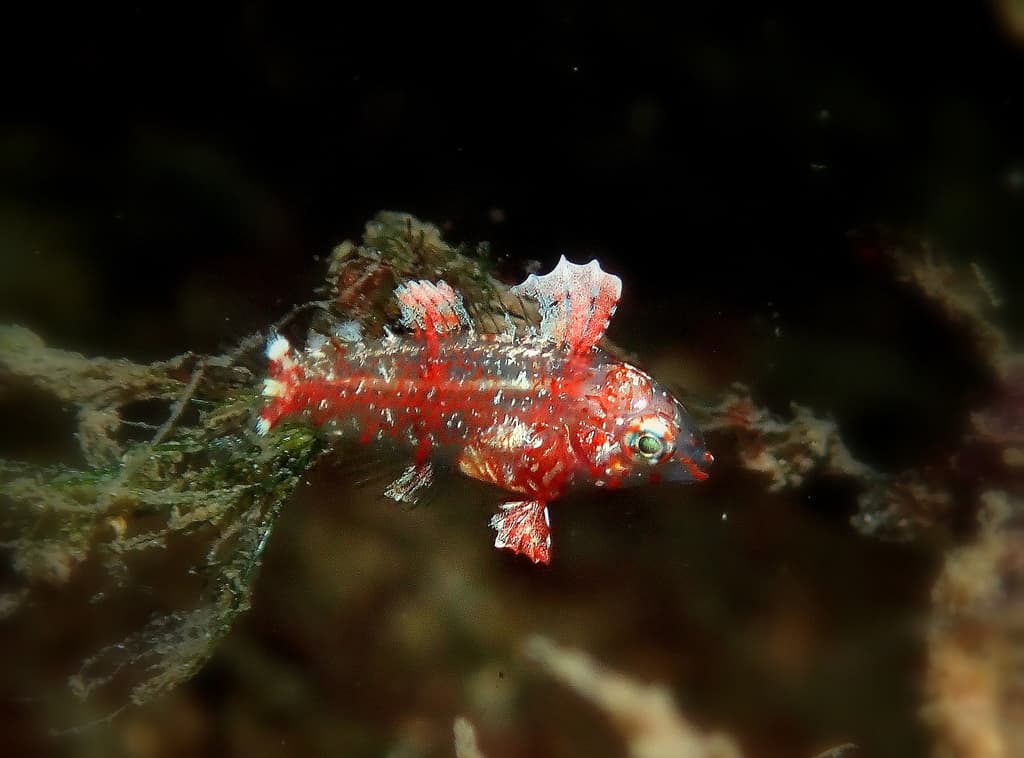
The Blue Star Leopard Wrasse is widely considered one of the most spectacularly colored fish available in the marine aquarium hobby. Males display an extraordinary pattern of electric blue spots and vermiculate markings across a dark greenish-black body, with bright orange and blue facial markings that create a truly mesmerizing display. Females are no less stunning, featuring a black to dark brown body adorned with white spots and a distinctive yellowish posterior half, giving rise to the species name bipartitus, meaning divided into two parts.
In the wild, Macropharyngodon bipartitus is found exclusively in the Western Indian Ocean, from the coast of East Africa to Sri Lanka and the Maldives. It inhabits sandy rubble zones adjacent to coral reefs at relatively shallow depths of 5 to 25 meters, where it methodically forages for tiny benthic invertebrates, foraminifera, and small gastropods by sifting through the substrate with its characteristic nose-down posture.
The Blue Star Leopard Wrasse is an advanced-level species that presents significant challenges in captivity. Like its close relative the Leopard Wrasse, it has highly specialized feeding requirements and may refuse prepared foods for weeks after introduction. A mature reef aquarium with an established refugium producing live copepods, amphipods, and other microfauna is essential for success. A deep sand bed of at least 3 inches is required, as this species buries itself in the sand to sleep each night. Despite the difficulty, successfully maintaining this species rewards the dedicated aquarist with one of the most breathtaking fish in the hobby.
Feeding & Diet
Carnivore
Blue Star Leopard Wrasses are specialized microcarnivores that feed on tiny benthic invertebrates, foraminifera, and small gastropods. In captivity, they often require live copepods and amphipods from a mature refugium during the initial acclimation period. Over time, many individuals can be weaned onto frozen cyclops, fish roe, finely chopped mysis shrimp, and enriched brine shrimp. Multiple small feedings throughout the day are critical due to their high metabolism.
Compatibility
reef-safepeacefulcommunity-safesand-sleeperexpert-only
The Blue Star Leopard Wrasse is completely peaceful and will not bother corals, clams, or other invertebrates. It should only be housed with equally gentle tankmates that will not outcompete it for food or cause stress. Ideal companions include gobies, dartfish, clownfish, and fairy wrasses. Avoid keeping with aggressive or boisterous species.
Check CompatibilityBreeding
Not bred in captivity
Blue Star Leopard Wrasses are protogynous hermaphrodites. The dominant female in a group will transition to male, developing the spectacular blue star coloration. Spawning involves pelagic egg release at dusk. Captive breeding has not been achieved due to specialized dietary requirements and the extreme difficulty of rearing the tiny pelagic larvae.
Special Requirements
- Deep sand bed of at least 3 inches required for sleeping
- Established refugium producing live copepods and amphipods is essential
- Mature aquarium with abundant microfauna for natural foraging
- Pristine water quality with stable parameters - sensitive to fluctuations
- Tight-fitting lid required to prevent jumping
Water Parameters
Temperature74–80°F
Specific Gravity1.023–1.026 sg
pH8.1–8.4
Alkalinity8–12 dKH
Coloration
bluegreenblackorangewhiteyellow
Tags
reef-safepeacefulcommunity-safesand-sleeperexpert-only