IntermediatePeacefulReef Safe
Yellowfin Fairy Wrasse
Cirrhilabrus flavidorsalis
Family: Labridae · Fairy & Flasher Wrasses
Also known as: Yellow-Dorsal Fairy Wrasse, Yellow-Finned Fairy Wrasse
(c) tracc, all rights reserved
Max Size
3"
Min Tank
30 gal
Lifespan
5-7 years
Origin
Philippines, Indonesia
Diet
Planktivore
Swims
Middle
About
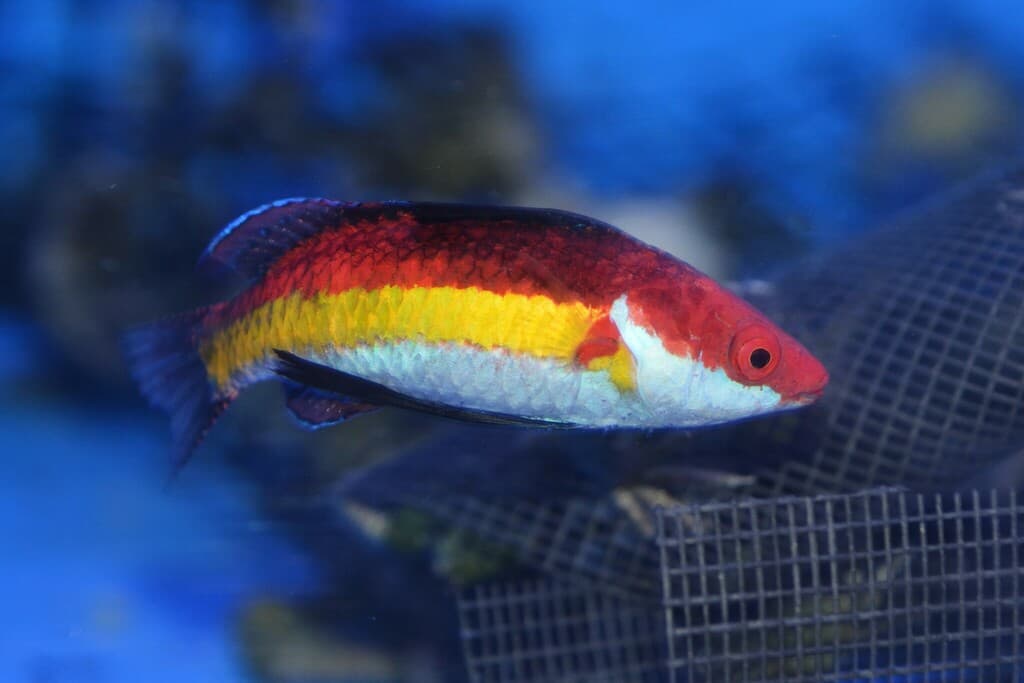
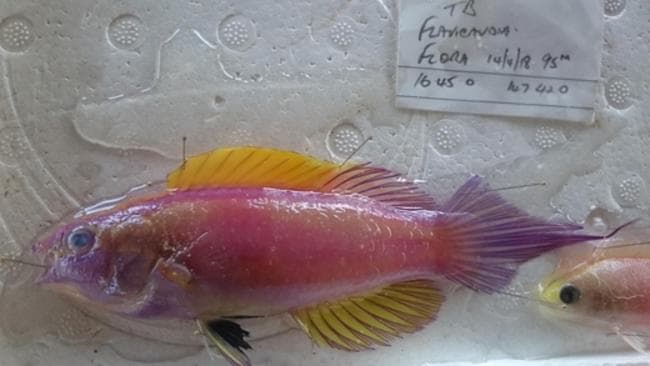
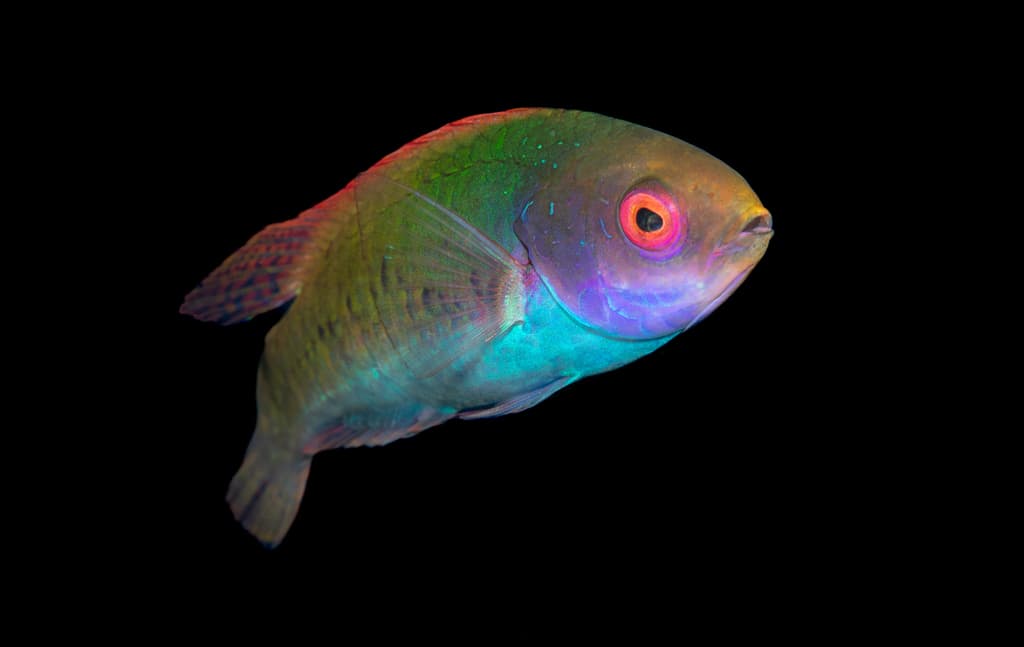
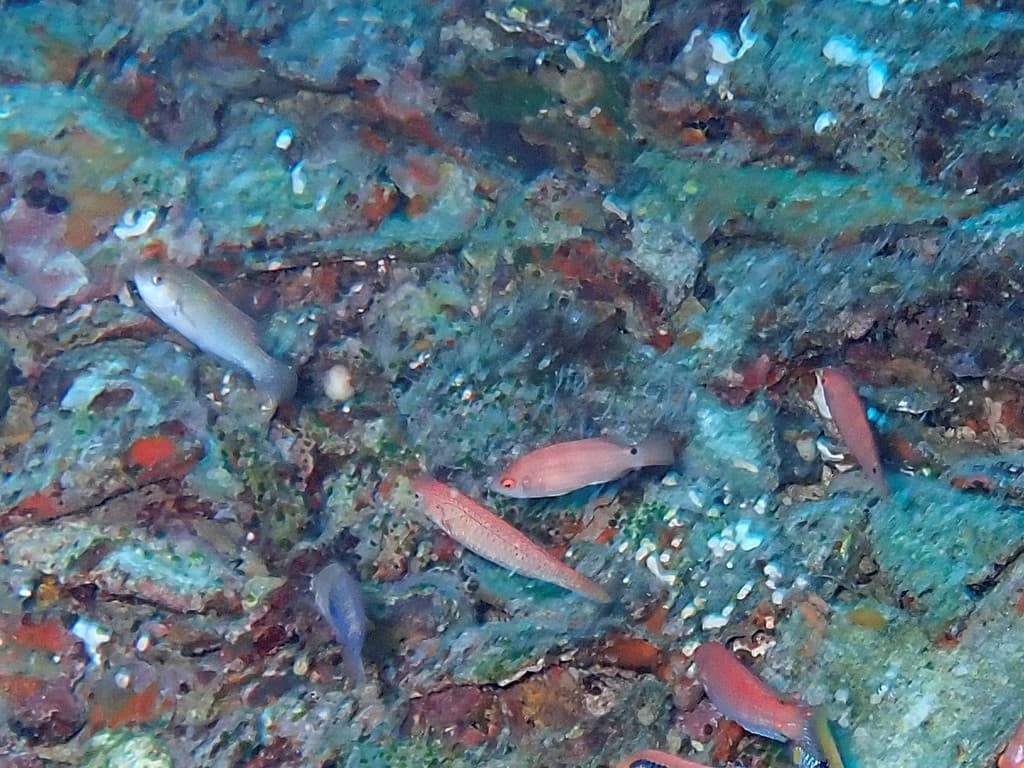
The Yellowfin Fairy Wrasse is an attractive and affordable fairy wrasse distinguished by the prominent yellow coloring on its dorsal fin that gives the species its common name. Males display a pleasing combination of red, pink, and yellow hues with the bright yellow dorsal fin serving as a distinctive hallmark. Females are more subtly colored with a pinkish body and hints of yellow along the fins.
This species is one of the more readily available and affordably priced fairy wrasses in the hobby, making it an excellent choice for aquarists who want the beauty of a fairy wrasse without the premium price tag of rarer species. It is commonly collected from Philippine waters and is regularly available from marine fish retailers. Despite its accessibility, it remains an attractive and rewarding species to keep.
The Yellowfin Fairy Wrasse is completely reef-safe and peaceful, fitting well into community reef aquariums of all sizes. At just three inches maximum, it is suitable for tanks as small as 30 gallons. It is moderately hardy and adapts readily to aquarium conditions. As with all fairy wrasses, a tight-fitting lid and multiple daily feedings of planktonic foods are essential for long-term success.
Feeding & Diet
Planktivore
Yellowfin Fairy Wrasses are planktivores that feed on zooplankton in the wild. In captivity, offer frozen mysis shrimp, enriched brine shrimp, cyclops, and marine pellets. Feed small portions two to three times daily for best health and color.
Compatibility
reef-safepeacefulcommunity-safenano-compatiblebeginner-friendly
The Yellowfin Fairy Wrasse is peaceful and completely reef-safe. It coexists well with all community reef fish and is an excellent choice for mixed-species tanks. Males may flash competitively at other Cirrhilabrus species but interactions are harmless. Avoid aggressive tankmates that could intimidate this gentle species.
Check CompatibilityBreeding
Not bred in captivity
Yellowfin Fairy Wrasses are protogynous hermaphrodites. Males display their yellow dorsal fin prominently during courtship. Pelagic eggs are released into the water column at dusk. Captive breeding has not been achieved commercially.
Special Requirements
- Tight-fitting lid essential - fairy wrasses are jumpers
- Multiple small feedings per day recommended
- Suitable for smaller reef tanks of 30 gallons or more
- Moderate water flow and open swimming space
- Widely available and affordably priced
Water Parameters
Temperature74–80°F
Specific Gravity1.02–1.026 sg
pH8.1–8.4
Alkalinity8–12 dKH
Coloration
yellowredpinkorange
Tags
reef-safepeacefulcommunity-safenano-compatiblebeginner-friendly