IntermediatePeacefulReef Safe
Rose-band Fairy Wrasse
Cirrhilabrus roseafascia
Family: Labridae · Fairy & Flasher Wrasses
Also known as: Roseband Fairy Wrasse, Pink-Banded Wrasse
Fenton Walsh
Max Size
3"
Min Tank
30 gal
Lifespan
5-7 years
Origin
Western Pacific, Great Barrier Reef
Diet
Planktivore
Swims
Middle
About
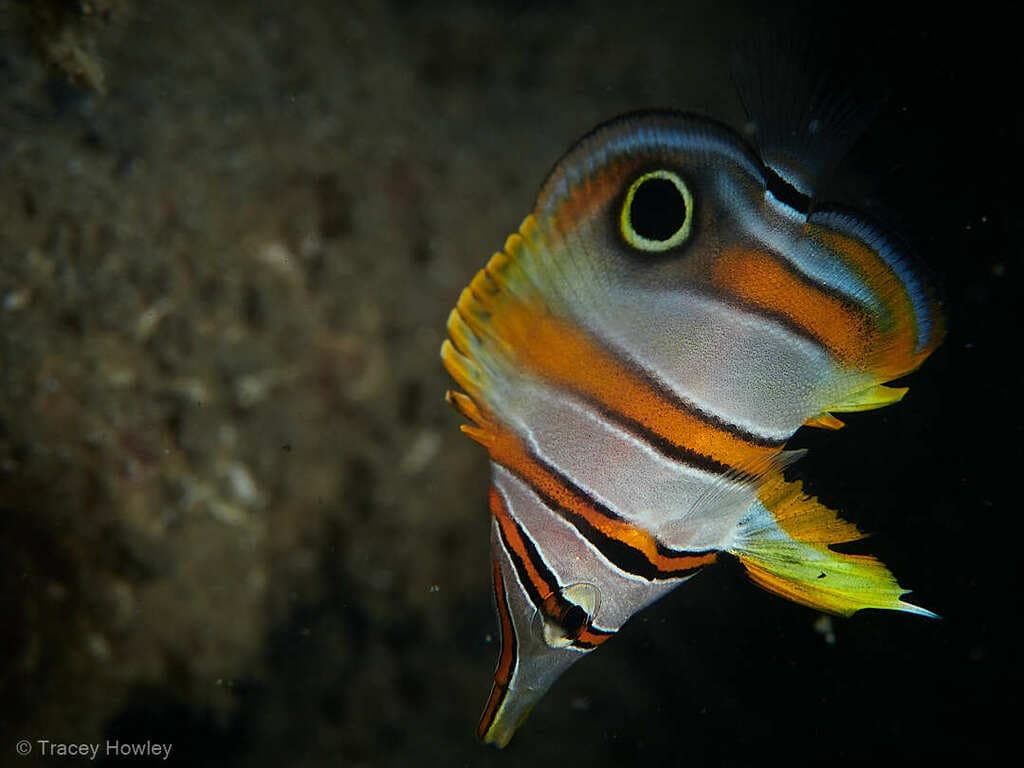
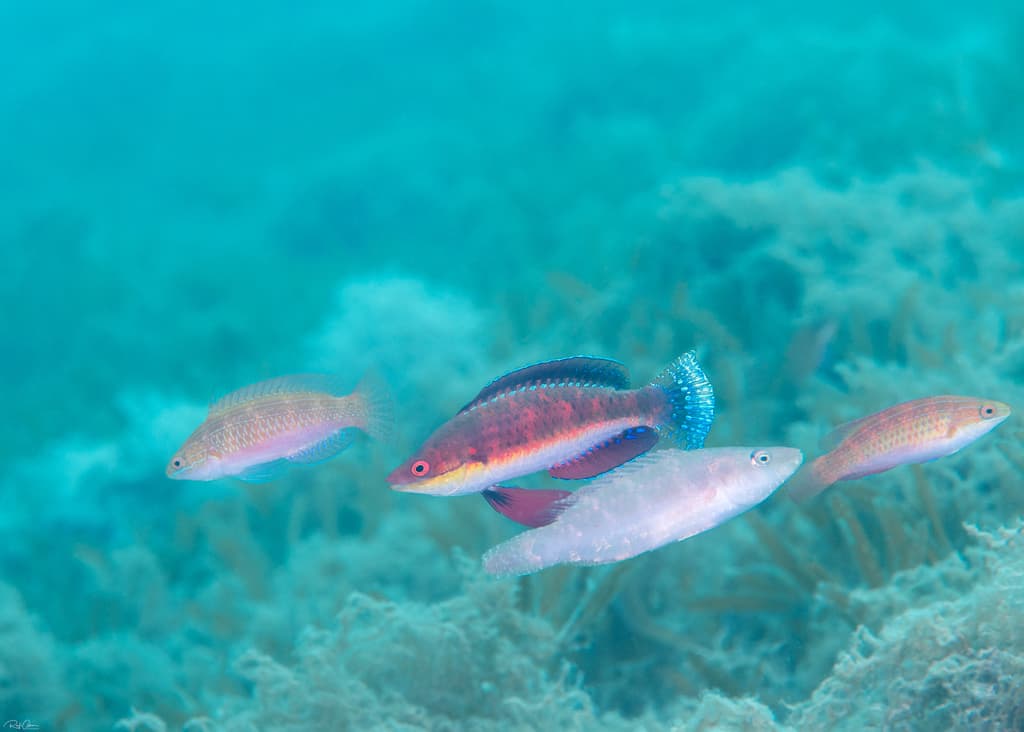
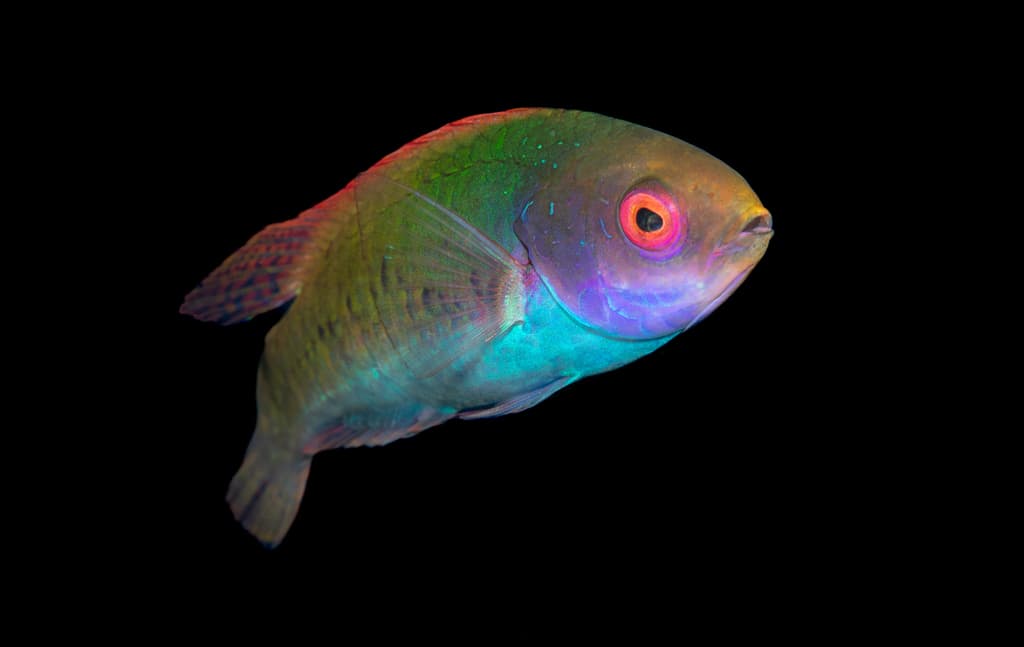
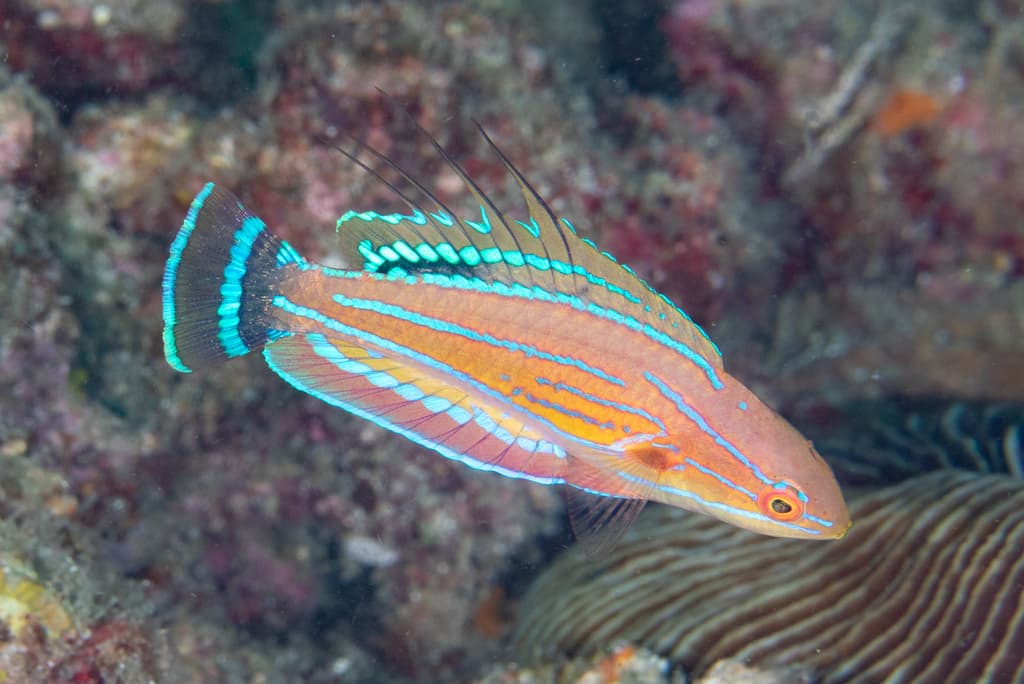
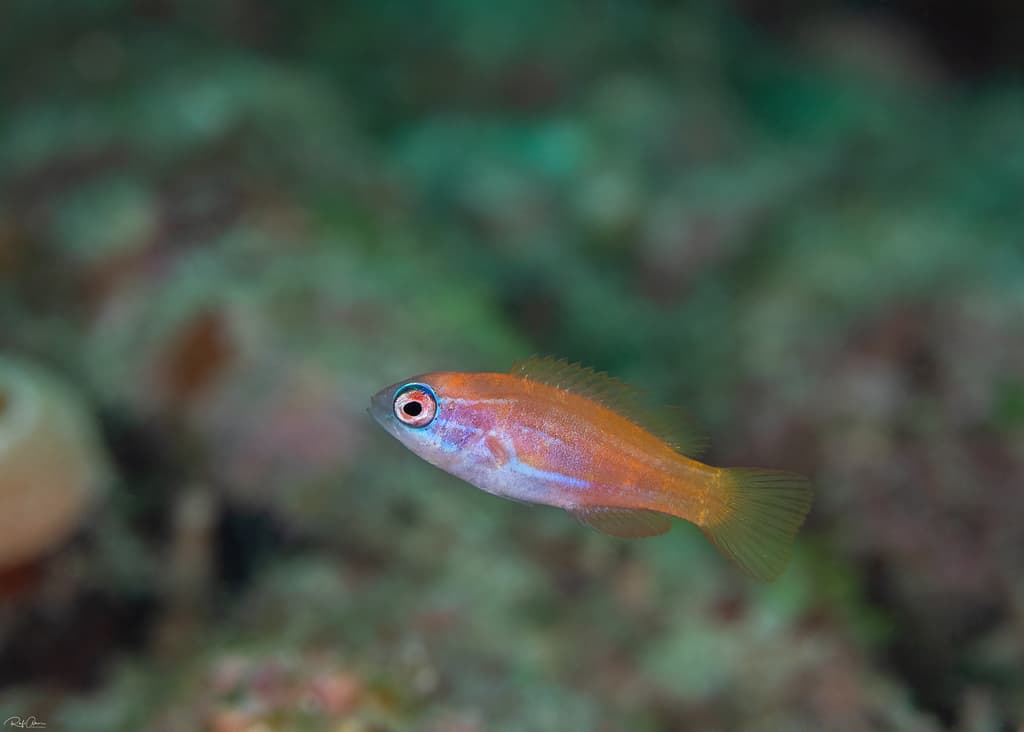
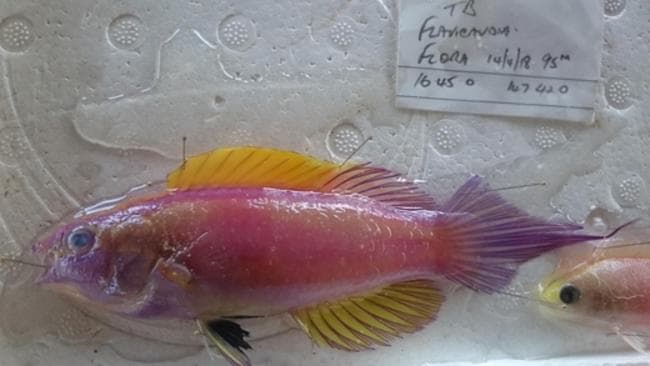
The Rose-band Fairy Wrasse is an elegant and delicately colored species distinguished by the soft rose-pink band that runs along its body. Males display a refined palette of pink, lavender, and yellow with subtle blue accents that create a pastel-toned beauty quite different from the bold, vivid colors of many fairy wrasses. The overall impression is one of understated sophistication.
This species is found in the western Pacific, primarily around the Great Barrier Reef and Coral Sea region. Like other Australian fairy wrasses, it can be difficult to obtain due to collection and export restrictions, making it a somewhat uncommon find in the trade. Its delicate coloration and relative rarity have made it a favorite among fairy wrasse connoisseurs.
The Rose-band Fairy Wrasse is completely reef-safe and peaceful, fitting seamlessly into community reef aquariums. It is moderately hardy and adapts to captive life with proper acclimation and care. A tight-fitting lid is essential, as with all fairy wrasses, and multiple small daily feedings of planktonic foods will maintain health and delicate coloration. This is an ideal species for aquarists who appreciate subtle beauty over flashy brilliance.
Feeding & Diet
Planktivore
Rose-band Fairy Wrasses are planktivores that feed on zooplankton in the water column. In captivity, provide frozen mysis shrimp, enriched brine shrimp, cyclops, and quality marine pellets. Feed small portions multiple times per day.
Compatibility
reef-safepeacefulcommunity-safedisplay-fishnano-compatible
The Rose-band Fairy Wrasse is peaceful and completely reef-safe. It integrates well with all community reef fish. Males may display competitively toward other Cirrhilabrus species but rarely cause harm. Avoid housing with aggressive species that could outcompete it for food. Compatible with clownfish, tangs, gobies, and blennies.
Check CompatibilityBreeding
Not bred in captivity
Rose-band Fairy Wrasses are protogynous hermaphrodites. Males perform courtship displays featuring their delicate rose coloration. Pelagic eggs are released at dusk. Captive breeding has not been achieved for this species.
Special Requirements
- Tight-fitting lid essential - fairy wrasses are known jumpers
- Multiple small feedings per day recommended
- Moderate water flow and open swimming space
- Australian species with limited trade availability
- Best kept as the sole fairy wrasse in smaller tanks
Water Parameters
Temperature74–80°F
Specific Gravity1.02–1.026 sg
pH8.1–8.4
Alkalinity8–12 dKH
Coloration
pinkroselavenderyellowblue
Tags
reef-safepeacefulcommunity-safedisplay-fishnano-compatible