IntermediateSemi-AggressiveReef Safe
Naso Tang (Blonde)
Naso elegans
Family: Acanthuridae · Tangs & Surgeonfish
Also known as: Elegant Unicornfish, Indian Ocean Orangespine Unicornfish, Blonde Naso Tang, Smoothhead Unicornfish
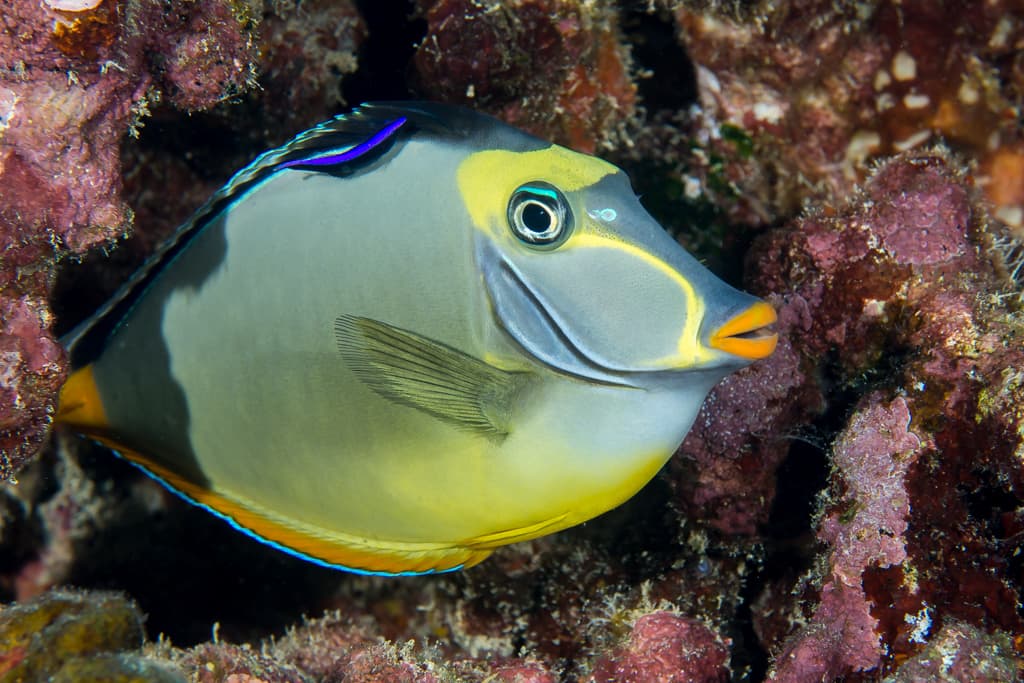
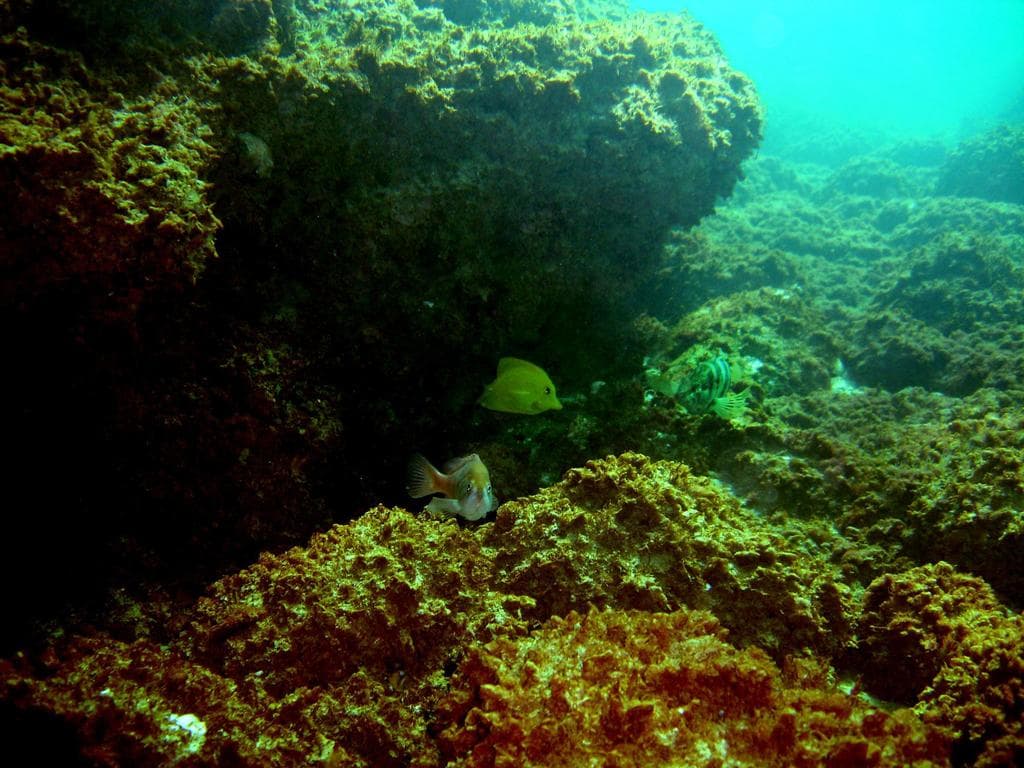
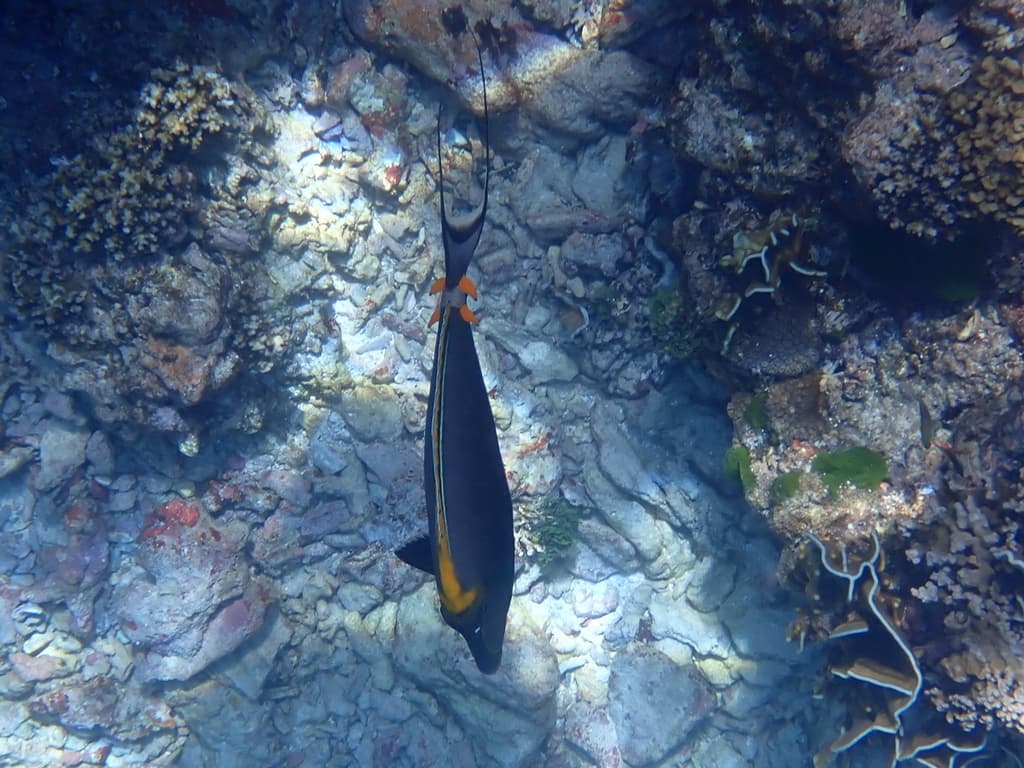
(c) Attila Steiner, some rights reserved (CC BY-NC)
Max Size
18"
Min Tank
200 gal
Lifespan
15-20 years
Origin
Indian Ocean, Red Sea
Diet
Herbivore
Swims
All
About
The Blonde Naso Tang is a stunning variant of the Naso genus, endemic to the Indian Ocean and frequently considered the more elegant counterpart to the widespread Naso lituratus. Adults display a gray-brown body with a distinctive blonde or yellowish hue, particularly pronounced on the forehead and dorsal region. Its most recognizable feature is its vivid orange-red lips, which give it a striking facial appearance. Like other Naso species, mature males develop elongated tail streamers and two fixed keeled plates on each side of the caudal peduncle, lending the species a distinguished and impressive profile.
In the wild, the Blonde Naso Tang is found across the Indian Ocean, from the Red Sea and East African coast through the Maldives and Sri Lanka. It inhabits steep outer reef slopes and current-swept channels, often forming small groups or pairs that patrol large territories. This species was long considered a regional color variant of Naso lituratus before being recognized as a distinct species (Naso elegans). The key difference lies in the consistently blonde forehead and subtly different tail coloration compared to the darker-headed N. lituratus.
Due to its impressive potential adult size of up to 18 inches and its need for vigorous open-water swimming, the Blonde Naso Tang requires a very large aquarium of at least 200 gallons, with 250 gallons or more being preferable. Despite its size, this species is surprisingly personable and develops strong bonds with its keeper. It is a dedicated herbivore with a particular fondness for brown macroalgae and dried nori. Completely reef-safe and generally well-mannered toward dissimilar species, the Blonde Naso is an excellent centerpiece fish for large reef systems.
Feeding & Diet
Herbivore
Blonde Naso Tangs are herbivores with a strong preference for brown macroalgae. In captivity, offer generous sheets of dried nori or seaweed on a clip at least twice daily. Supplement with Spirulina-enriched pellets, frozen herbivore preparations, and occasional meaty foods such as mysis shrimp. An algae-rich diet is essential to prevent HLLE and maintain vibrant coloration.
Compatibility
reef-safealgae-grazeractive-swimmercommunity-compatiblelarge-tank-requiredtang-aggression
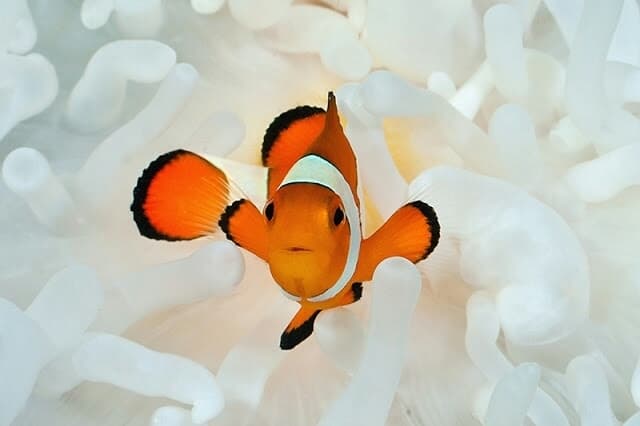
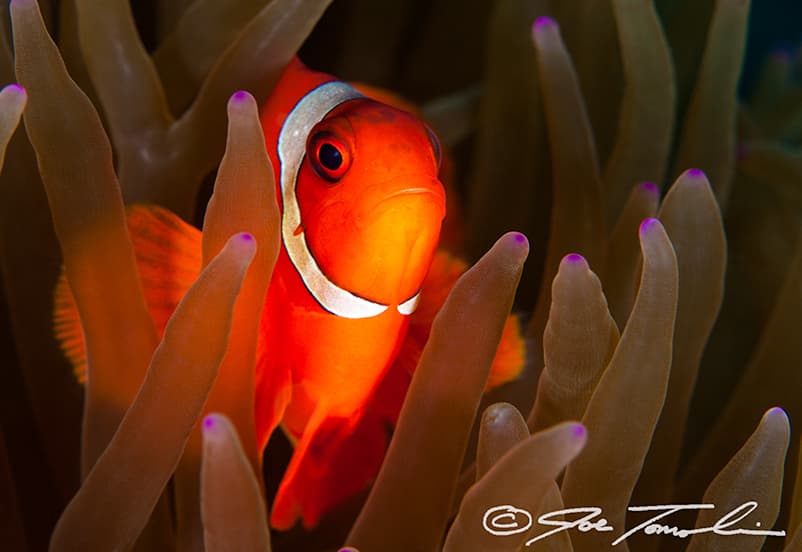
Blonde Naso Tangs are generally peaceful toward dissimilar species and make excellent community fish in large reef systems. They may show aggression toward other Naso species and should ideally be the only Naso in the tank. They coexist well with tangs of other genera such as Zebrasoma and Ctenochaetus when given adequate space. Compatible with clownfish, wrasses, angelfish, and other community reef fish.
Check CompatibilityBreeding
Not bred in captivity
Blonde Naso Tangs have not been bred in home aquariums. They are pelagic spawners that release eggs and sperm into the open water column. The larvae undergo an extended pelagic phase that has not been replicated in captivity. All specimens are wild-caught from Indian Ocean locations. Males can be distinguished by longer tail streamers.
Special Requirements
- Requires a very large aquarium of 200 gallons minimum, 250+ preferred
- Daily offering of dried nori or seaweed sheets is essential
- Strong water flow and high oxygenation are critical
- Prone to HLLE without proper nutrition and water quality
- Susceptible to ich - quarantine strongly recommended
- Needs substantial open swimming space for active swimming
Water Parameters
Temperature72–78°F
Specific Gravity1.02–1.026 sg
pH8.1–8.4
Alkalinity8–12 dKH
Coloration
graybrownblondeorangeyellow
Tags
reef-safealgae-grazeractive-swimmercommunity-compatiblelarge-tank-requiredtang-aggression