IntermediateSemi-AggressiveReef Safe
Mimic Tang
Acanthurus pyroferus
Family: Acanthuridae · Tangs & Surgeonfish
Also known as: Mimic Surgeonfish, Chocolate Surgeonfish, Orange-gilled Surgeonfish
(c) Andy Pearce 🕊, some rights reserved (CC BY-NC)
Max Size
10"
Min Tank
100 gal
Lifespan
10-15 years
Origin
Indo-Pacific, Indonesia
Diet
Omnivore
Swims
All
About
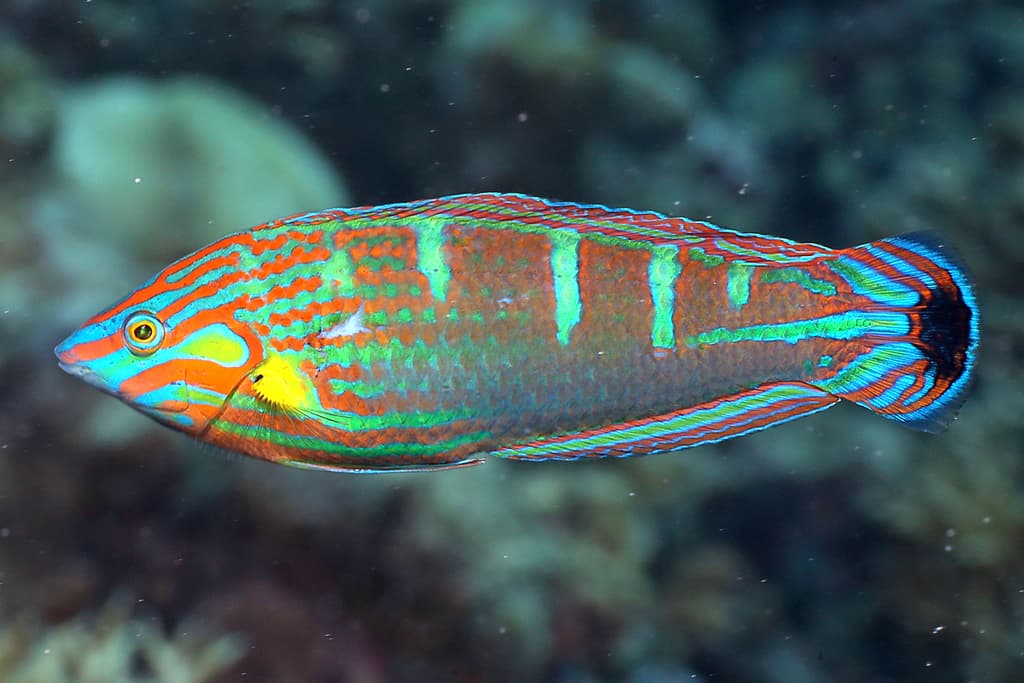
The Mimic Tang is a fascinating and unique surgeonfish best known for its remarkable juvenile mimicry behavior. Young Mimic Tangs closely resemble various species of dwarf angelfish (Centropyge), adopting the coloration and body patterns of species such as the Lemonpeel Angelfish, Herald's Angelfish, or Eibl's Angelfish depending on which angelfish species is most common in their particular region. This mimicry is thought to provide protection, as dwarf angelfish are generally avoided by predators due to their association with stinging corals and their feisty nature.
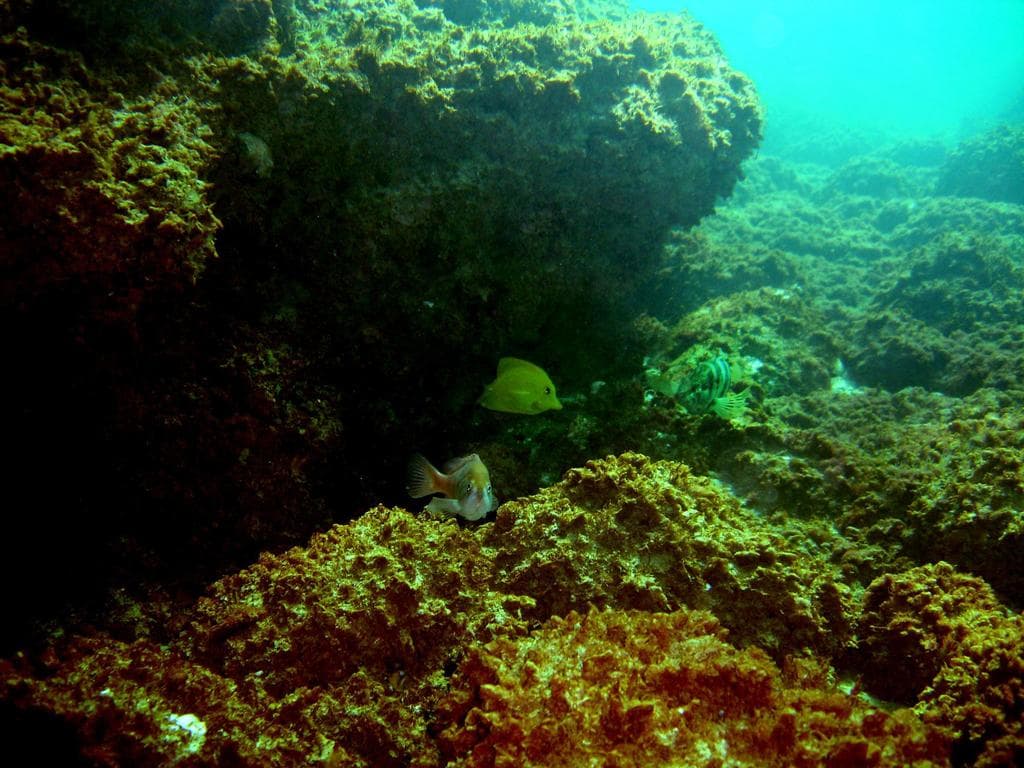
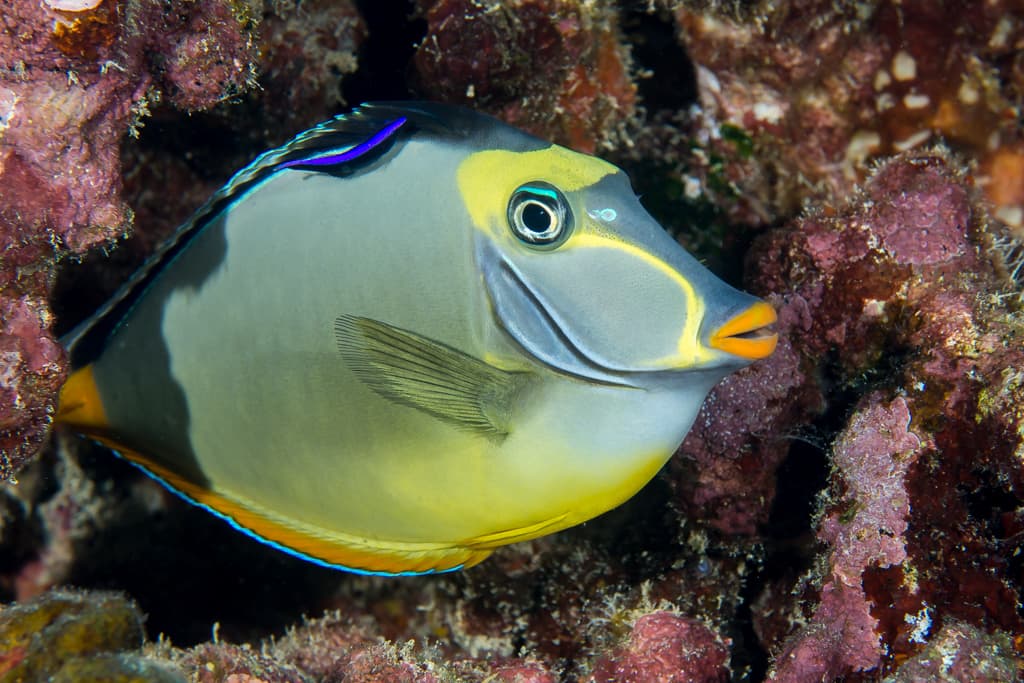
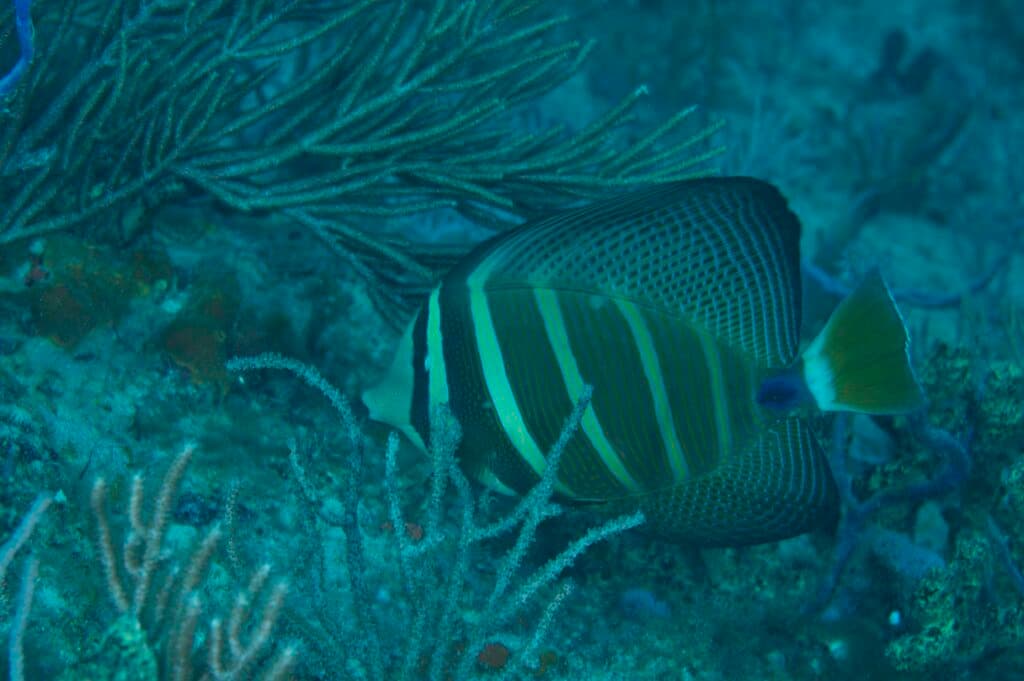
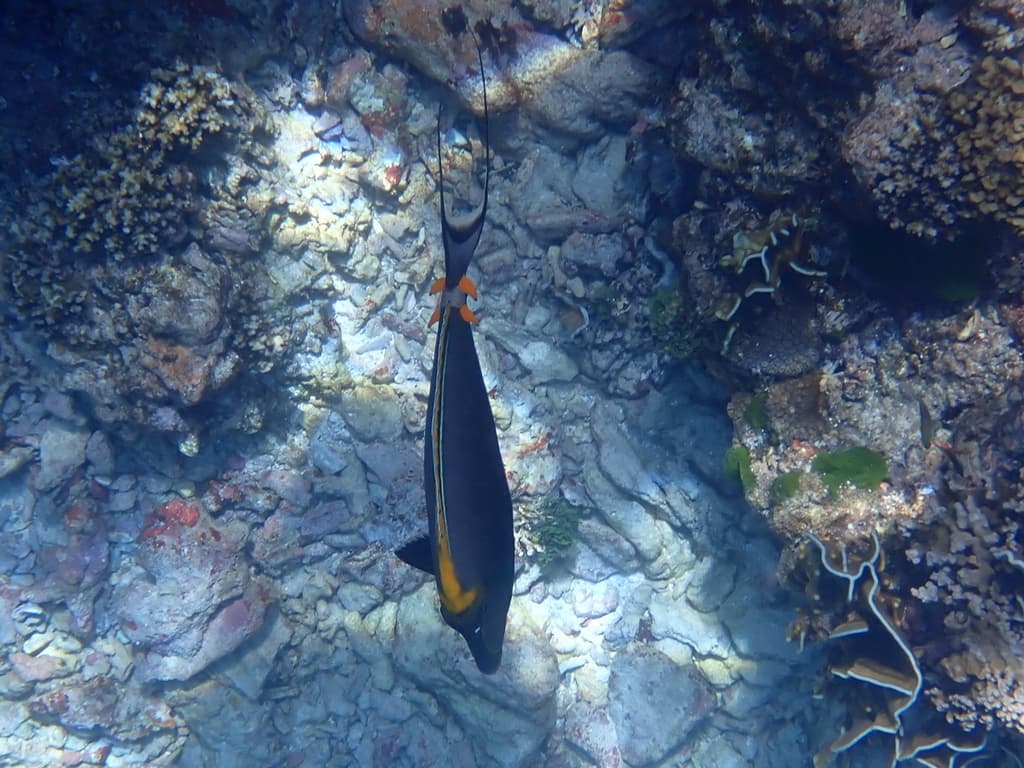
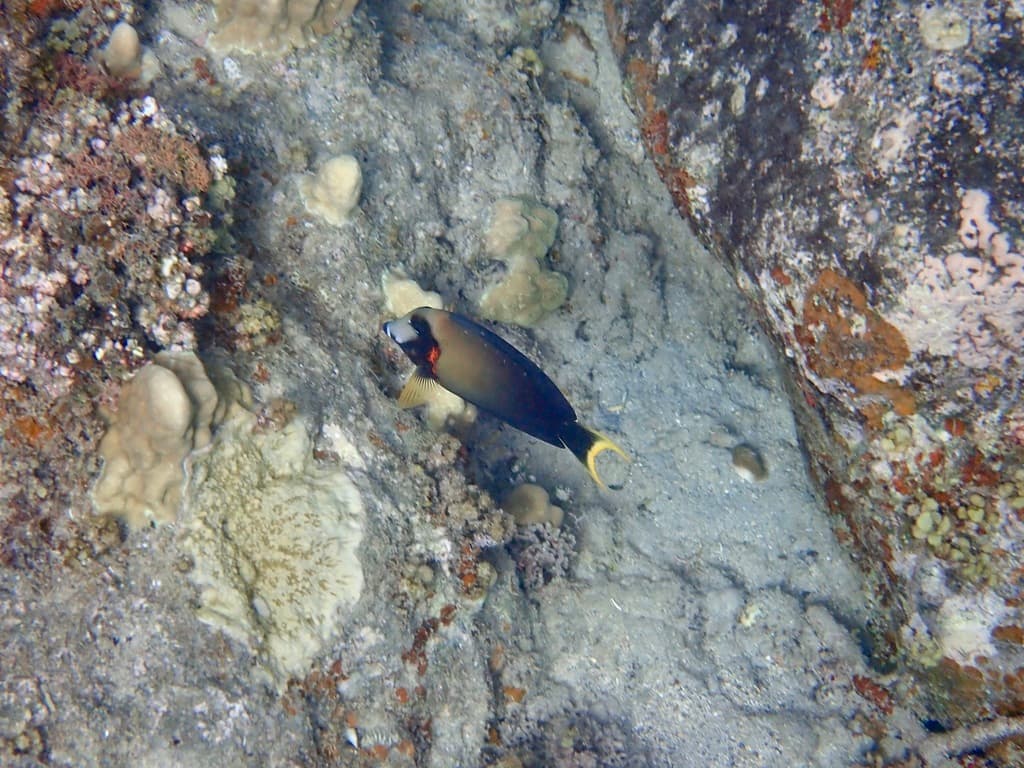
As the Mimic Tang matures, it gradually loses its angelfish disguise and transitions to its adult coloration: a uniform chocolate-brown to olive body with a distinctive orange patch behind the gill cover and a subtle yellow tinge to the caudal fin. While the adult form is more subdued than the dramatic juvenile mimicry phase, it remains an attractive and distinctive fish. Adults can reach up to 10 inches in length, making this a moderately sized species within the Acanthurus genus.
In the home aquarium, the Mimic Tang is moderately hardy and adapts well to captive conditions. It requires a minimum tank size of 100 gallons with ample live rock for grazing. Unlike the strictly herbivorous tangs, the Mimic Tang has a more omnivorous diet in the wild, accepting a wider variety of foods including both algae-based and meaty preparations. It is semi-aggressive toward other tangs but generally peaceful toward dissimilar species and completely reef-safe. The Mimic Tang is a rewarding choice for aquarists who appreciate the behavioral complexity and natural wonder of mimicry in marine fish.
Feeding & Diet
Omnivore
Mimic Tangs are omnivores that accept a broader range of foods than most tangs. Offer daily sheets of dried nori or seaweed, supplemented with Spirulina-enriched pellets, frozen herbivore preparations, mysis shrimp, and enriched brine shrimp. Their omnivorous nature makes them relatively easy to feed compared to strictly herbivorous tang species.
Compatibility
reef-safealgae-grazeractive-swimmertang-aggressioncommunity-compatible
Mimic Tangs can be semi-aggressive toward other tangs but are generally peaceful with dissimilar species. Completely reef-safe and compatible with clownfish, wrasses, gobies, anthias, and other community reef fish. Juvenile mimicry may initially confuse dwarf angelfish tankmates, but this rarely causes lasting issues. Avoid keeping with very aggressive species that may bully it.
Check CompatibilityBreeding
Not bred in captivity
Mimic Tangs have not been bred in home aquariums. They are pelagic spawners with an extended larval phase that has not been replicated in captivity. All specimens are wild-caught. The mimicry behavior of juveniles develops naturally and is not influenced by captive conditions.
Special Requirements
- Requires minimum 100-gallon tank with ample live rock
- Juveniles mimic dwarf angelfish - coloration changes dramatically with age
- Daily seaweed offerings important despite omnivorous diet
- Quarantine recommended as tangs are susceptible to ich
- Moderate to strong water flow preferred
- Accepts a wider variety of foods than most tang species
Water Parameters
Temperature72–80°F
Specific Gravity1.02–1.026 sg
pH8.1–8.4
Alkalinity8–12 dKH
Coloration
brownoliveorangeyellow
Tags
reef-safealgae-grazeractive-swimmertang-aggressioncommunity-compatible