IntermediateSemi-AggressiveReef Safe
Indian Mimic Surgeonfish
Acanthurus tristis
Family: Acanthuridae · Tangs & Surgeonfish
Also known as: Indian Ocean Mimic Tang, Mimic Surgeonfish, Chocolate Tang
(c) Ploypailin Rangseethampanya, all rights reserved
Max Size
10"
Min Tank
125 gal
Lifespan
8-12 years
Origin
Indian Ocean, Sri Lanka
Diet
Herbivore
Swims
All
About
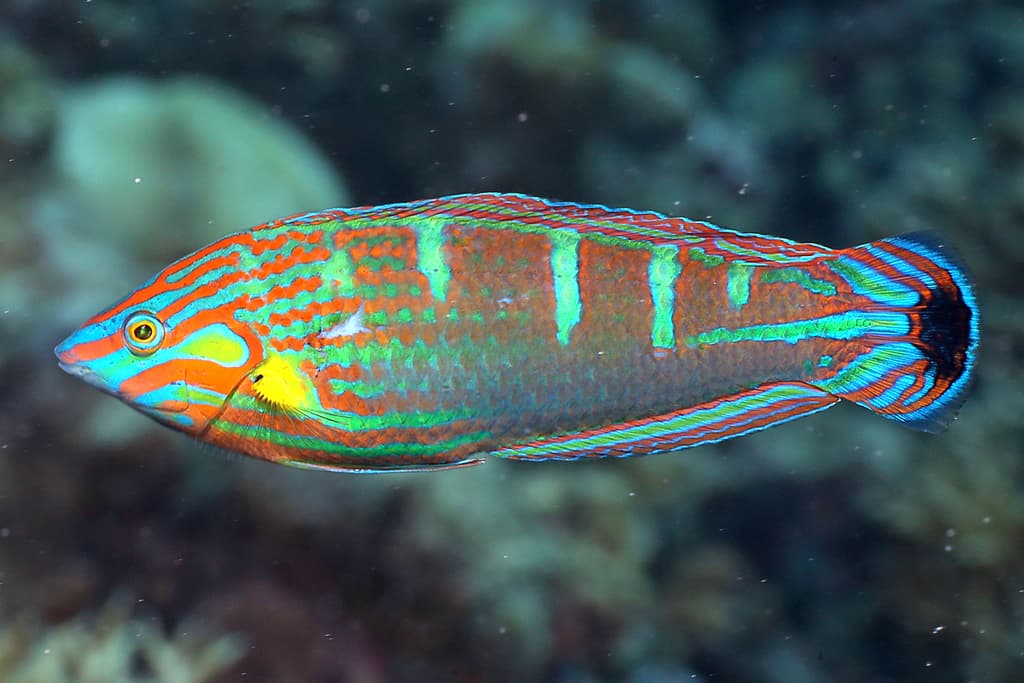
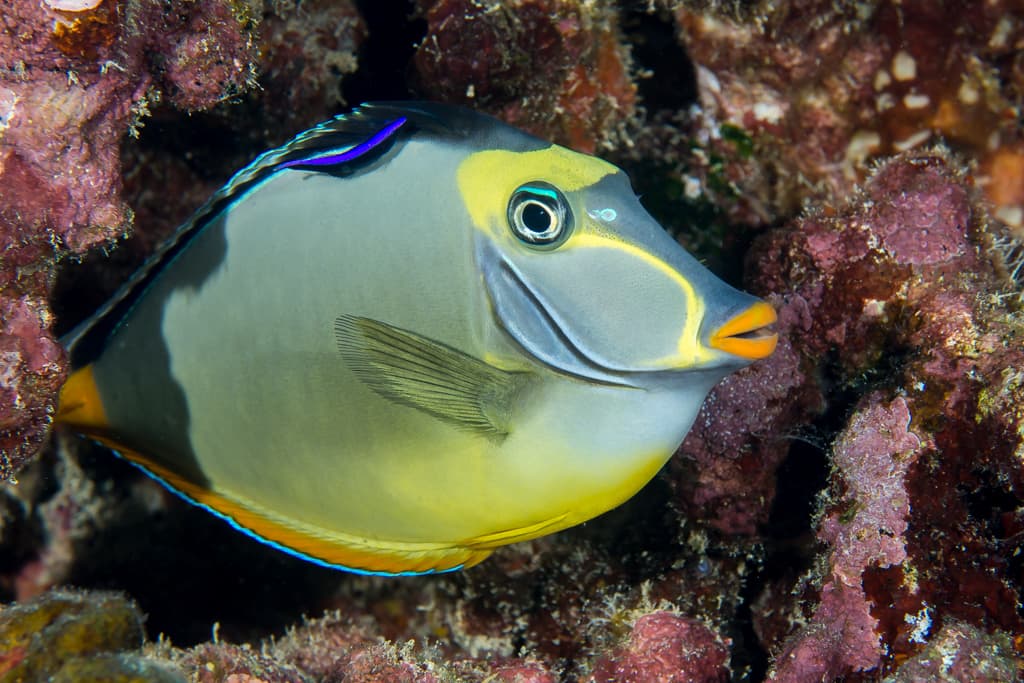
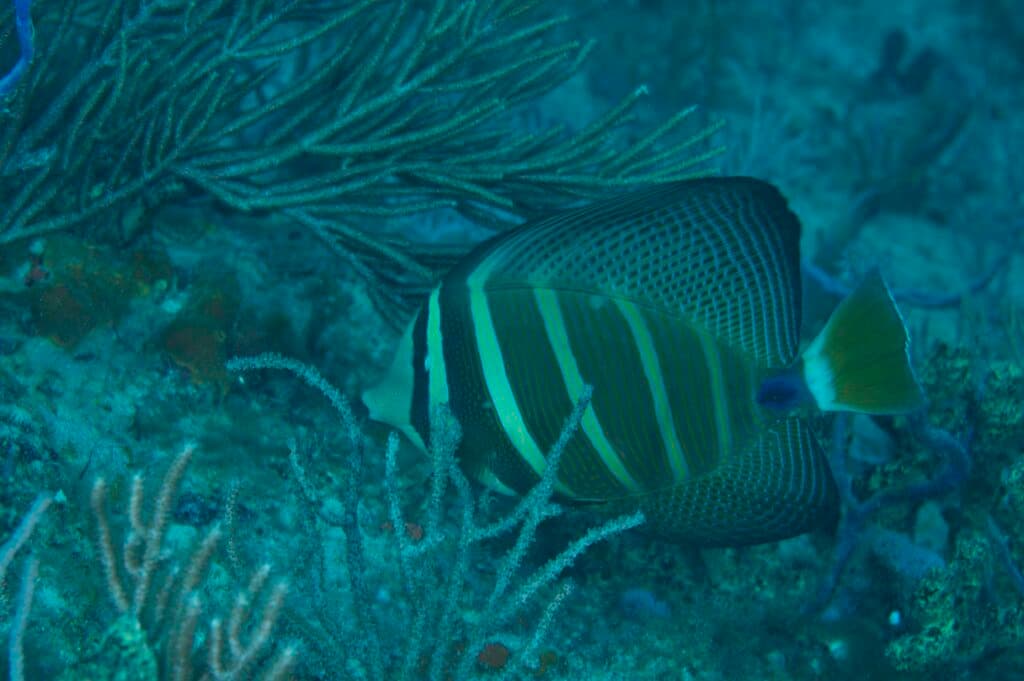
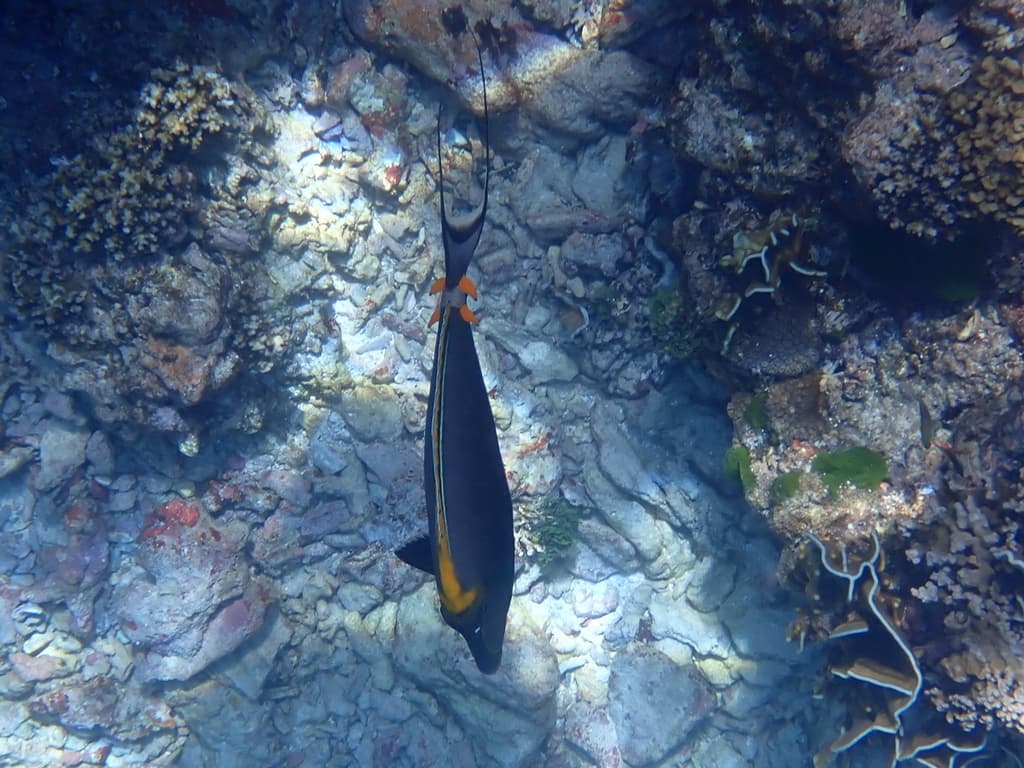
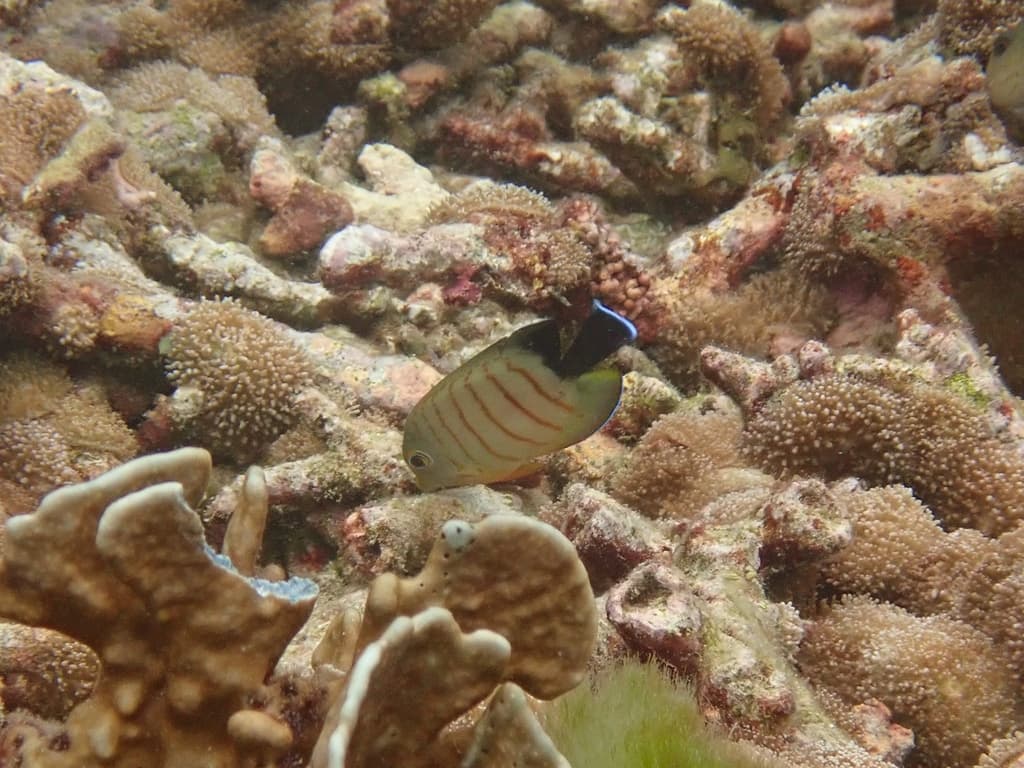
The Indian Mimic Surgeonfish is a fascinating tang known for its remarkable mimicry behavior. Juveniles closely mimic the appearance and behavior of certain Centropyge dwarf angelfish, particularly the Eibl's Angelfish, adopting similar coloration and swimming patterns. This mimicry is thought to provide protection from predators and allow the young tang to feed in angelfish territories without aggression. As adults, they transition to a more typical tang appearance with a dark chocolate-brown to grayish body.
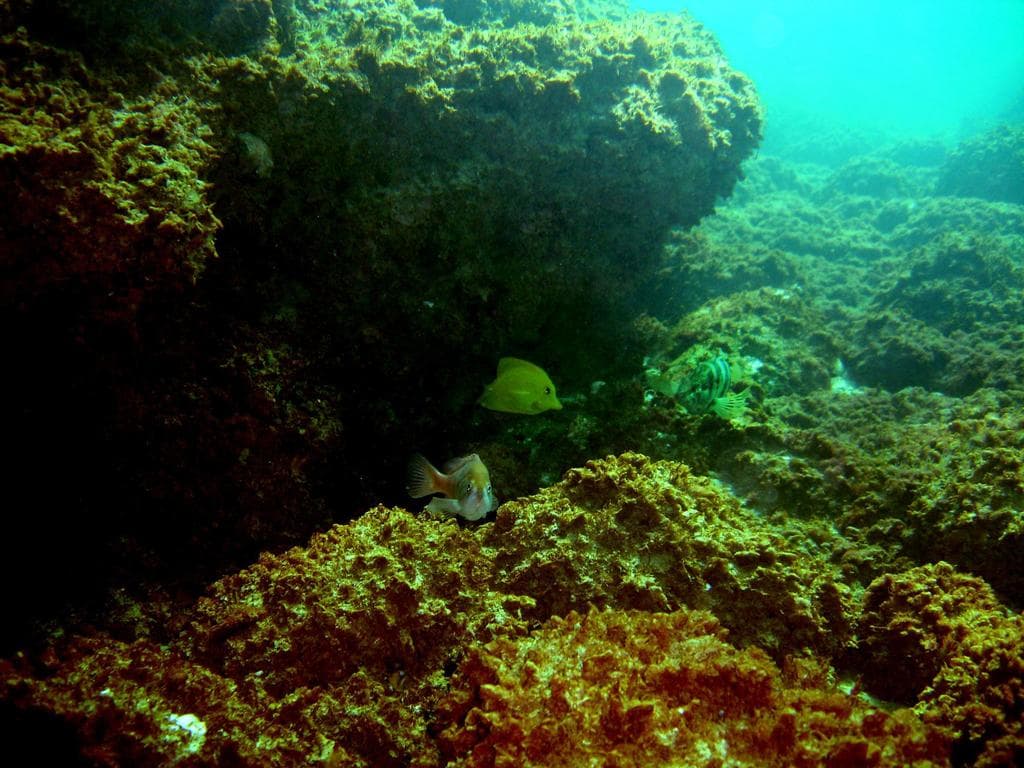
In the wild, this species is endemic to the Indian Ocean, inhabiting coral reefs and rocky areas at depths of 2 to 25 meters. It feeds primarily on filamentous and detrital algae, grazing continuously on reef surfaces throughout the day. The species is often found in mixed feeding groups with other herbivorous fish.
In captivity, the Indian Mimic Surgeonfish is a moderately hardy species that does well in tanks of 125 gallons or more. Its manageable adult size of about 10 inches makes it more practical for home aquariums than many larger tang species. Like all tangs, it is prone to ich and HLLE, so excellent water quality and a nutritious algae-rich diet are essential for long-term success.
Feeding & Diet
Herbivore
Primarily an herbivore that grazes on filamentous and detrital algae. In captivity, offer dried nori seaweed sheets daily, Spirulina-enriched pellets, and frozen herbivore preparations. Supplement with occasional mysis shrimp. A constant supply of algae is vital for health.
Compatibility
reef-safealgae-grazercommunity-compatibletang-aggressionmimic
The Indian Mimic Surgeonfish is semi-aggressive toward other tangs, particularly those of similar shape within the Acanthurus genus. It is generally compatible with other community reef fish such as clownfish, wrasses, and angelfish. Reef-safe and an effective algae grazer.
Check CompatibilityBreeding
Not bred in captivity
Indian Mimic Surgeonfish are pelagic spawners with an extended larval phase. No captive breeding has been achieved. All specimens in the aquarium trade are wild-caught from Indian Ocean reefs.
Special Requirements
- Daily offering of dried nori seaweed or marine algae is essential
- Prone to ich — quarantine recommended before introduction
- Susceptible to HLLE without proper nutrition and water quality
- Juveniles display fascinating mimicry of dwarf angelfish
- Provide adequate swimming space with algae-covered rockwork
Water Parameters
Temperature72–80°F
Specific Gravity1.02–1.026 sg
pH8.1–8.4
Alkalinity8–12 dKH
Coloration
chocolate-browngraydarkmimic pattern juvenile
Tags
reef-safealgae-grazercommunity-compatibletang-aggressionmimic