IntermediateSemi-AggressiveReef Safe
Atlantic Blue Tang
Acanthurus coeruleus
Family: Acanthuridae · Tangs & Surgeonfish
Also known as: Blue Tang Surgeonfish, Blue Barber, Blue Doctor, Yellow Barber
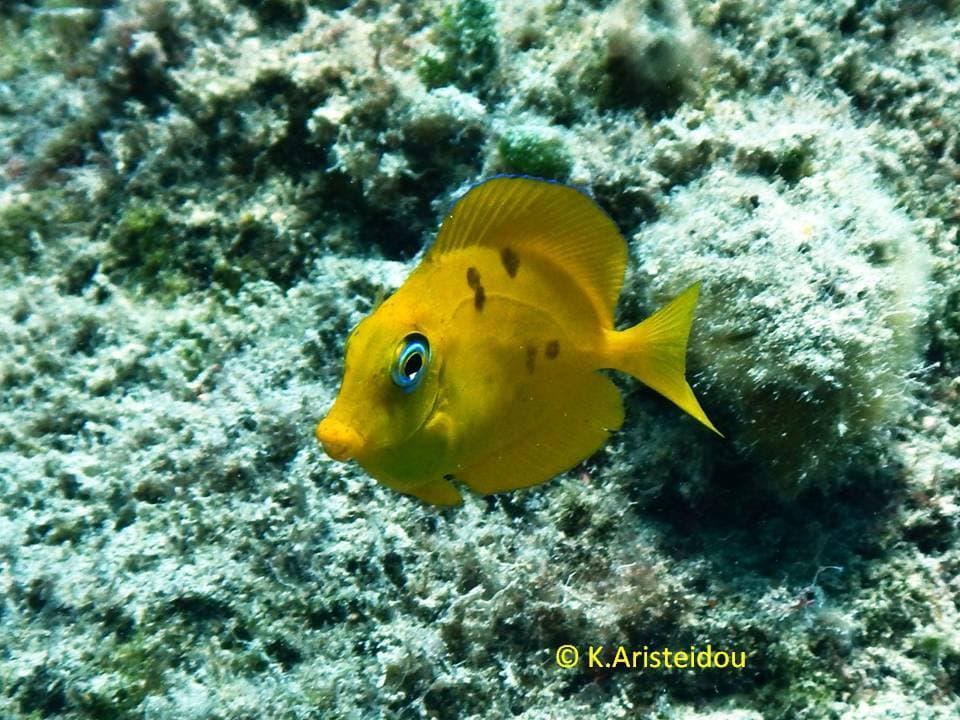
(c) Kostas Aristeidou, some rights reserved (CC BY-NC)
Max Size
15"
Min Tank
180 gal
Lifespan
10-20 years
Origin
Western Atlantic, Caribbean
Diet
Herbivore
Swims
All
About
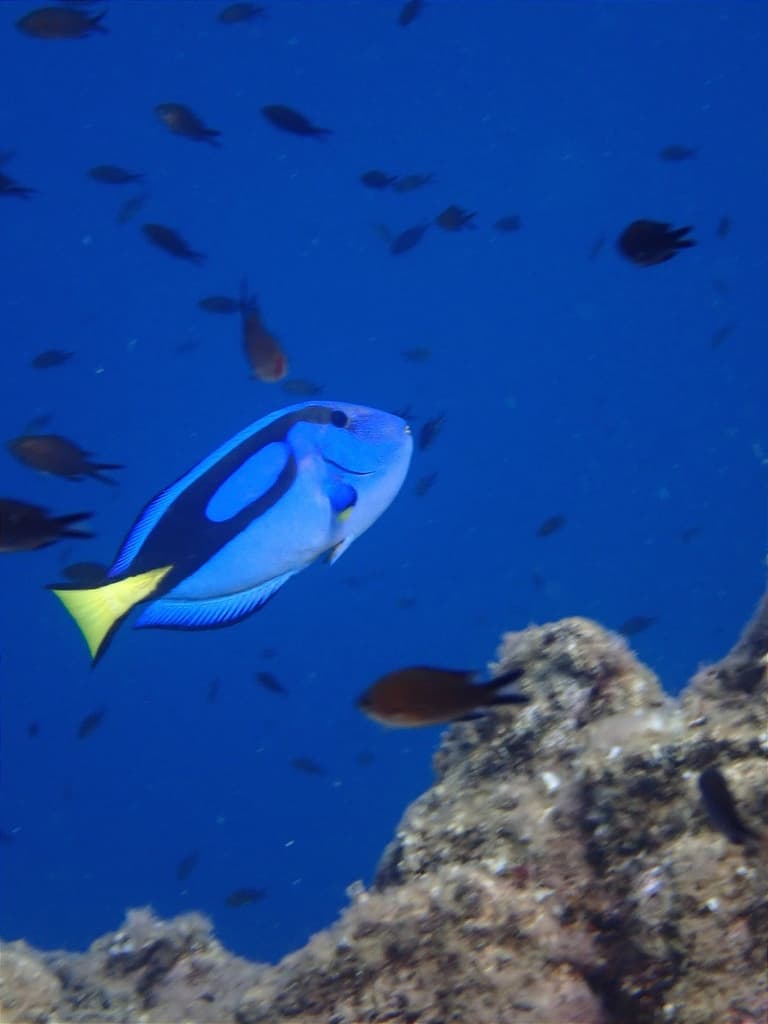
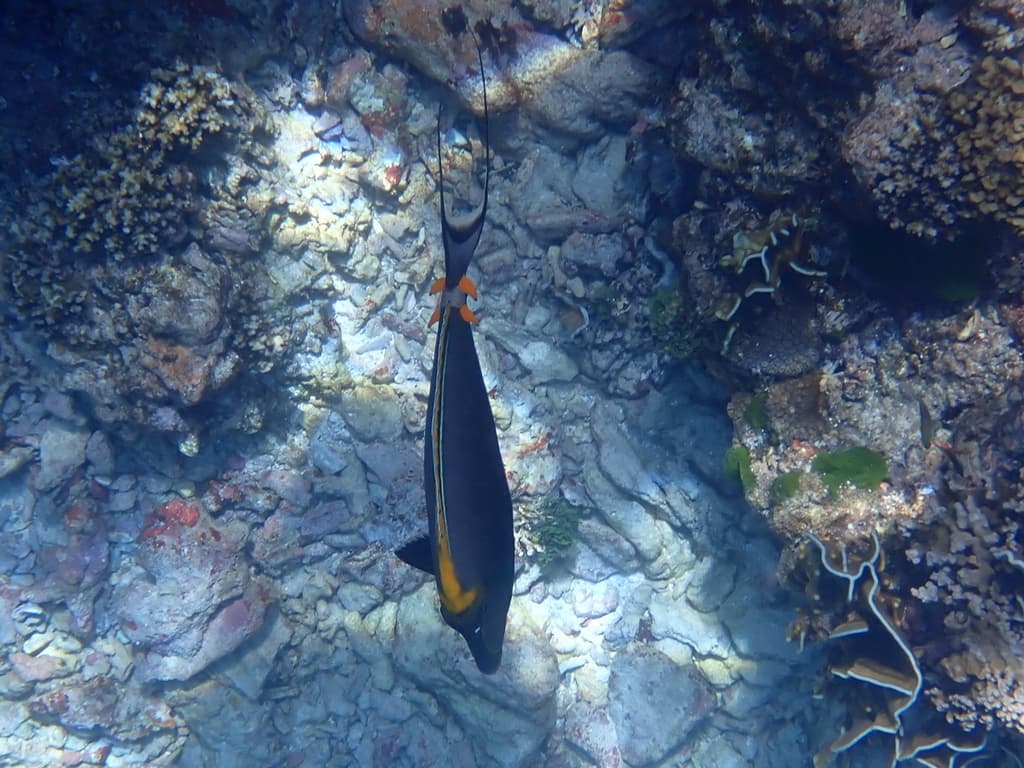
The Atlantic Blue Tang is a striking surgeonfish native to the coral reefs and rocky habitats of the Western Atlantic and Caribbean. Adults display a deep, rich blue to purplish-blue body with subtle darker lines running horizontally along the flanks, and a bright yellow caudal spine that serves as a warning to potential predators. One of the most fascinating aspects of this species is its dramatic color transformation during growth: juveniles are a vivid, brilliant yellow, gradually transitioning through a blue-and-yellow intermediate phase before achieving the full deep blue coloration of adulthood.
In the wild, Atlantic Blue Tangs are found on coral reefs and rocky outcrops from Bermuda and the Bahamas south through the Caribbean to Brazil, typically at depths of 2 to 40 meters. They often form large roaming schools that sweep across reef surfaces, aggressively grazing algae and keeping coral growth zones clear. This schooling behavior makes them ecologically important herbivores on Caribbean reefs, where they help prevent algae from smothering corals.
In the home aquarium, the Atlantic Blue Tang requires a spacious system of at least 180 gallons due to its potential adult size of 15 inches and its need for constant, vigorous swimming. This species is moderately hardy but susceptible to marine ich, so a proper quarantine period is strongly recommended. It is generally well-behaved toward dissimilar tankmates but can be territorial toward other tangs, particularly those of similar body shape. A diet rich in marine algae is essential to maintain health and vibrant coloration.
Feeding & Diet
Herbivore
Atlantic Blue Tangs are herbivores that graze constantly on filamentous algae in the wild. In captivity, provide daily sheets of dried nori or seaweed on a veggie clip, supplemented with Spirulina-enriched pellets, frozen herbivore preparations, and occasional meaty foods like mysis shrimp. A varied, algae-rich diet is critical to prevent HLLE and maintain their deep blue coloration.
Compatibility
reef-safealgae-grazeractive-swimmertang-aggressionlarge-tank-required
Atlantic Blue Tangs are generally peaceful toward non-tang species but can be territorial toward other tangs, especially those of similar shape. They coexist well with clownfish, wrasses, angelfish, and other community reef fish in large systems. Best kept as the only Acanthurus species in the tank unless the aquarium is exceptionally large.
Check CompatibilityBreeding
Not bred in captivity
Atlantic Blue Tangs have not been bred in home aquariums. They are pelagic spawners that release eggs and sperm into the water column, typically at dusk. The larvae undergo an extended pelagic phase that has not been successfully replicated in captivity. All specimens in the trade are wild-caught.
Special Requirements
- Requires minimum 180-gallon tank due to adult size of 15 inches
- Daily seaweed or nori offerings essential for long-term health
- Susceptible to marine ich - quarantine strongly recommended
- Provide ample open swimming space with strong water flow
- Prone to HLLE without proper nutrition and water quality
- Juveniles are bright yellow and transition to blue over months
Water Parameters
Temperature72–80°F
Specific Gravity1.02–1.026 sg
pH8.1–8.4
Alkalinity8–12 dKH
Coloration
bluepurpleyellow
Tags
reef-safealgae-grazeractive-swimmertang-aggressionlarge-tank-required