BeginnerPeacefulReef Safe with CautionIUCN: Least Concern
Blue Spotted Puffer
Canthigaster solandri
Family: Tetraodontidae · Pufferfish
Also known as: Sharpnose Puffer, Spotted Sharpnose Puffer, Solandri Toby, Blue-Spotted Toby
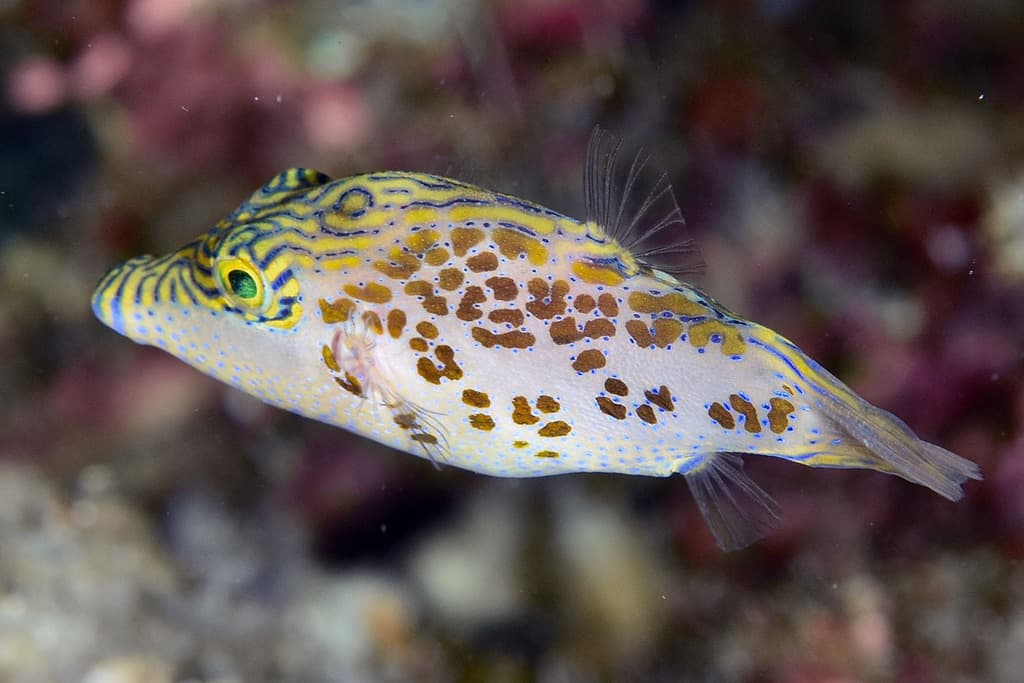
(c) François Libert, some rights reserved (CC BY-NC-SA)
Max Size
4.5"
Min Tank
30 gal
Lifespan
3-7 years
Origin
Indo-Pacific, Red Sea
Diet
Omnivore
Swims
All
Did You Know?
- Blue Spotted Puffers are known to be Batesian mimics of the venomous crown-of-thorns starfish when they are very young, and they also mimic the color patterns of toxic nudibranchs
- Despite being one of the smallest pufferfish, the Blue Spotted Puffer still produces tetrodotoxin, the same potent neurotoxin found in its much larger relatives
About
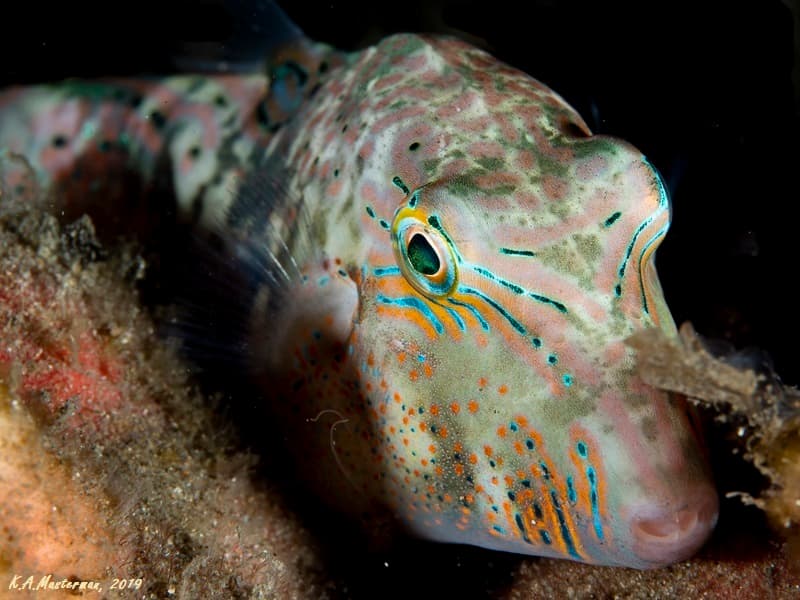
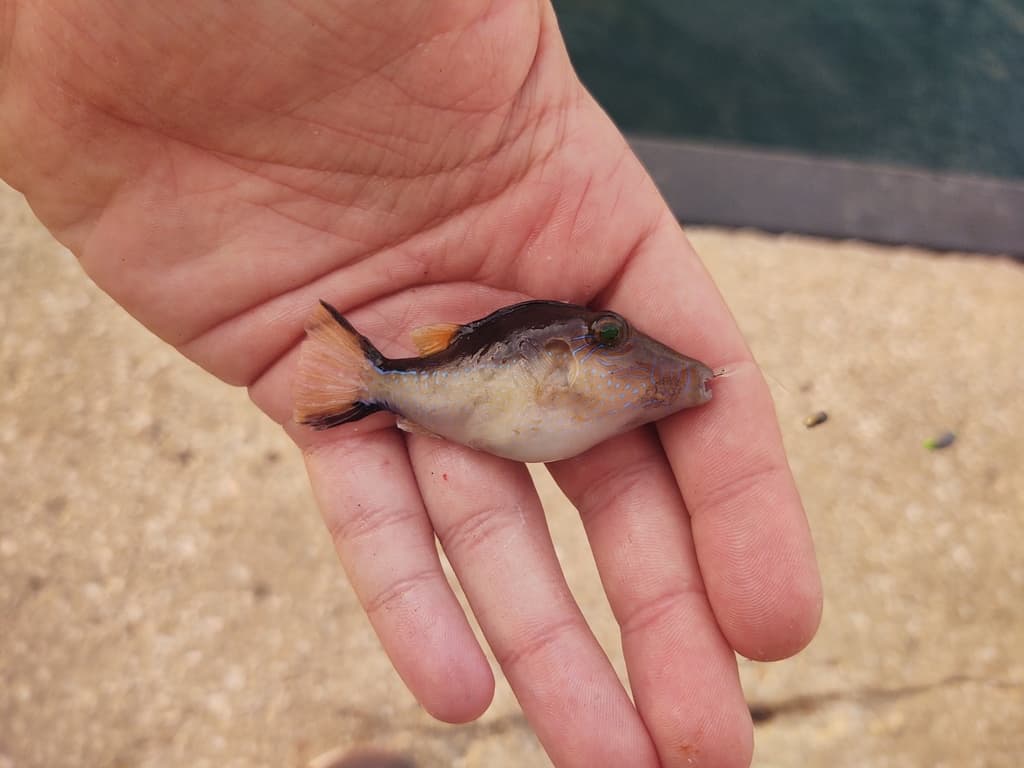
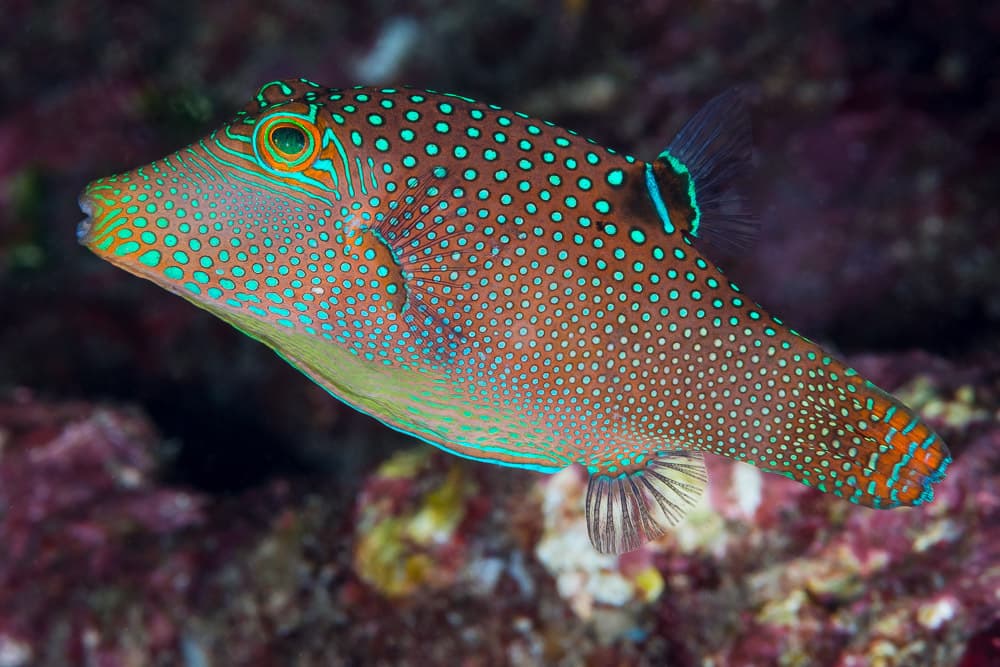
The Blue Spotted Puffer, also known as the Sharpnose Puffer or Solandri Toby, is a diminutive and charming member of the Canthigaster genus that brings all the personality of larger pufferfish in a compact, nano-tank-friendly package. Its body is a warm orange-brown to dark brown adorned with brilliant electric blue spots and streaks, particularly concentrated on the back and caudal peduncle. Bright blue lines radiate around the eyes, and a series of dark ocelli along the lower body adds to its visually complex and appealing appearance.
This species is one of the most accessible pufferfish for beginner marine aquarists due to its small adult size of around 4.5 inches, modest tank requirements, and willingness to eat virtually any offered food. The Blue Spotted Puffer is an active, curious fish that constantly explores its environment, investigating every corner of the aquarium with its beak-like mouth. Like its larger relatives, it develops a recognizable personality and will quickly learn to associate its keeper with feeding time.
While the Blue Spotted Puffer is peaceful toward most fish, it should be kept with caution in reef aquariums as it may nip at coral polyps, clam mantles, and ornamental invertebrates. Its small size means the damage is typically minimal compared to larger puffers, but persistent nipping can stress sensitive corals. The species is best kept singly, as conspecifics will fight, and it may also harass other small, slow-moving fish. Despite these considerations, the Blue Spotted Puffer's manageable size, hardy constitution, and engaging personality make it an excellent choice for aquarists seeking a personable fish for a moderately sized marine aquarium.
Feeding & Diet
Omnivore
Blue Spotted Puffers are omnivores that feed on algae, tunicates, bryozoans, polychaetes, sponges, and small crustaceans in the wild. In captivity, they readily accept frozen mysis shrimp, enriched brine shrimp, chopped seafood, marine pellets, and flake food. Offer occasional hard-shelled foods like small snails to help maintain their beak. Their small size means portions should be appropriately small. Feed two to three times daily.
Compatibility
reef-cautionpeacefulnano-suitablepersonality-fishmay-nip-corals
The Blue Spotted Puffer is peaceful toward most fish but should be kept singly, as it is territorial toward conspecifics and similar-looking species. It may nip at coral polyps, clam mantles, tube worms, and ornamental shrimp, though its small size limits the damage. Compatible with clownfish, gobies, firefish, and other small to medium community fish. Avoid housing with very small or delicate fish that may be harassed.
Check CompatibilityBreeding
Difficult
Blue Spotted Puffers have been bred in captivity on rare occasions. Males establish territories and court females with color displays and body movements. Eggs are deposited on filamentous algae or other surfaces and guarded by the male. Larvae are extremely small and require rotifers and copepod nauplii as first foods. While spawning may occur in well-maintained aquariums, successfully rearing larvae remains very challenging.
Special Requirements
- Best kept singly as conspecifics will fight
- May nip at coral polyps and clam mantles
- Suitable for nano and small marine aquariums
- Contains tetrodotoxin like all puffers
- Provide varied diet including occasional hard-shelled items
Water Parameters
Temperature74–80°F
Specific Gravity1.02–1.026 sg
pH8.1–8.4
Alkalinity8–12 dKH
Coloration
brownorangeblueblackwhite
Tags
reef-cautionpeacefulnano-suitablepersonality-fishmay-nip-corals