BeginnerPeacefulNot Reef Safe
Sharpnose Puffer
Canthigaster rostrata
Family: Tetraodontidae · Pufferfish
Also known as: Caribbean Sharpnose Puffer, Caribbean Toby, Atlantic Sharpnose Puffer
(c) arthurlk11, some rights reserved (CC BY-NC)
Max Size
4.5"
Min Tank
30 gal
Lifespan
5-8 years
Origin
Caribbean, Western Atlantic
Diet
Carnivore
Swims
All
About
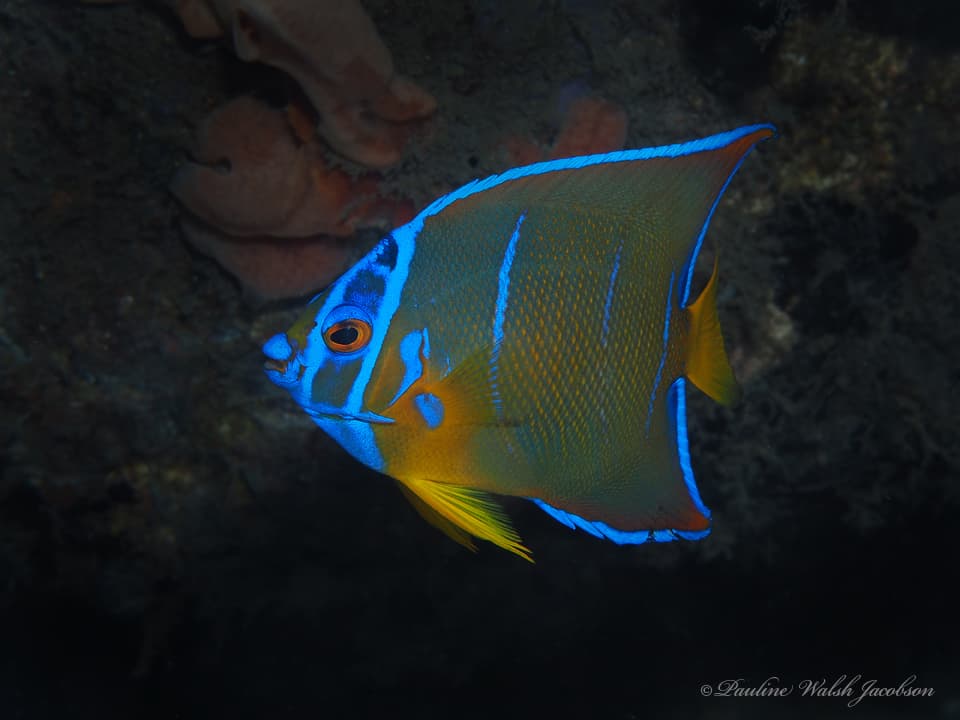
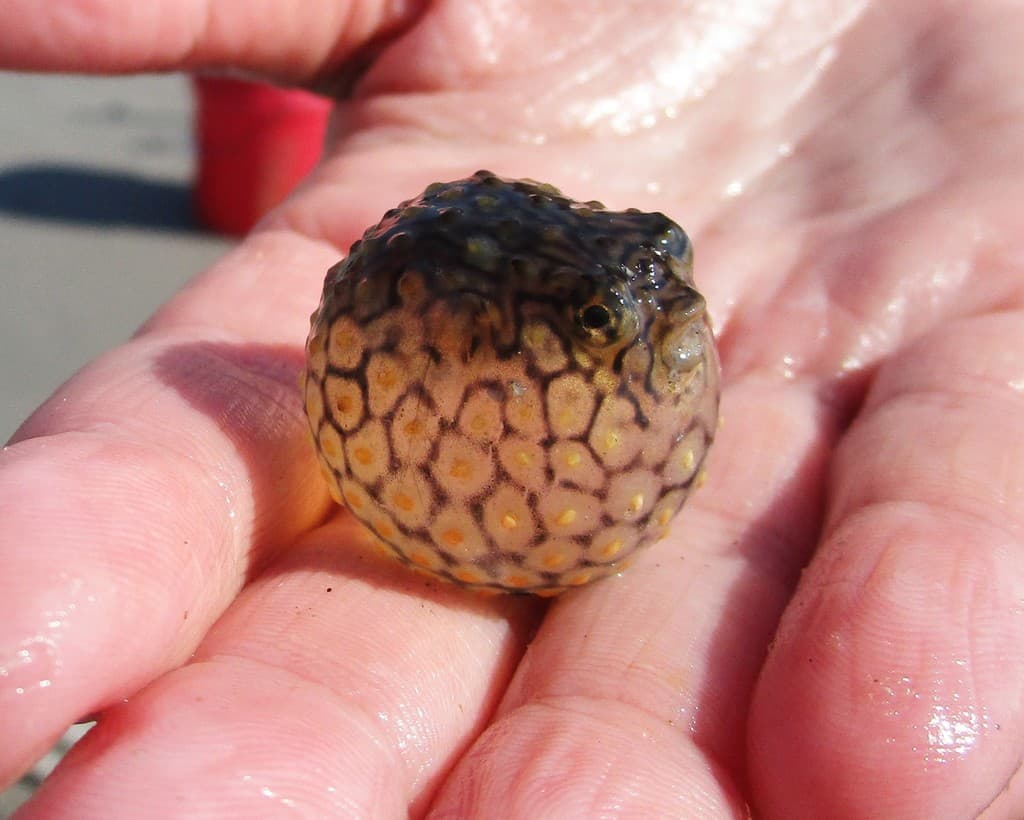
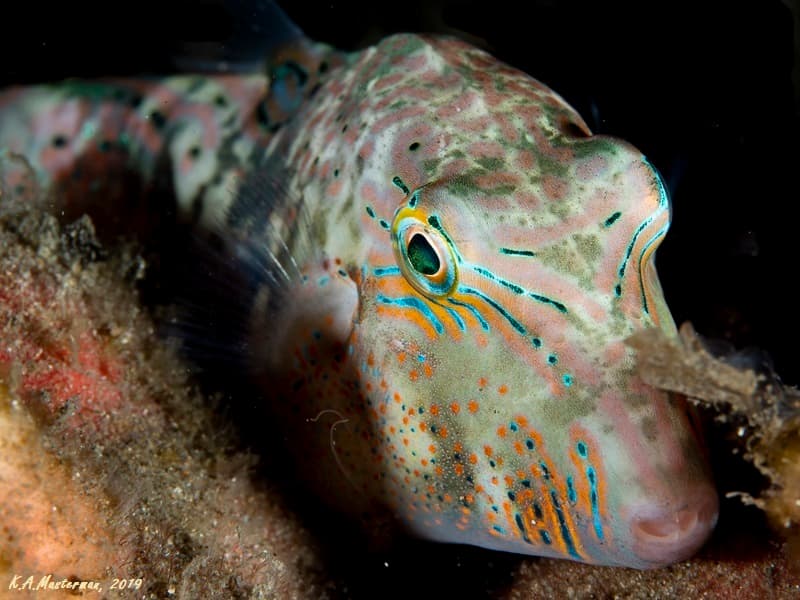
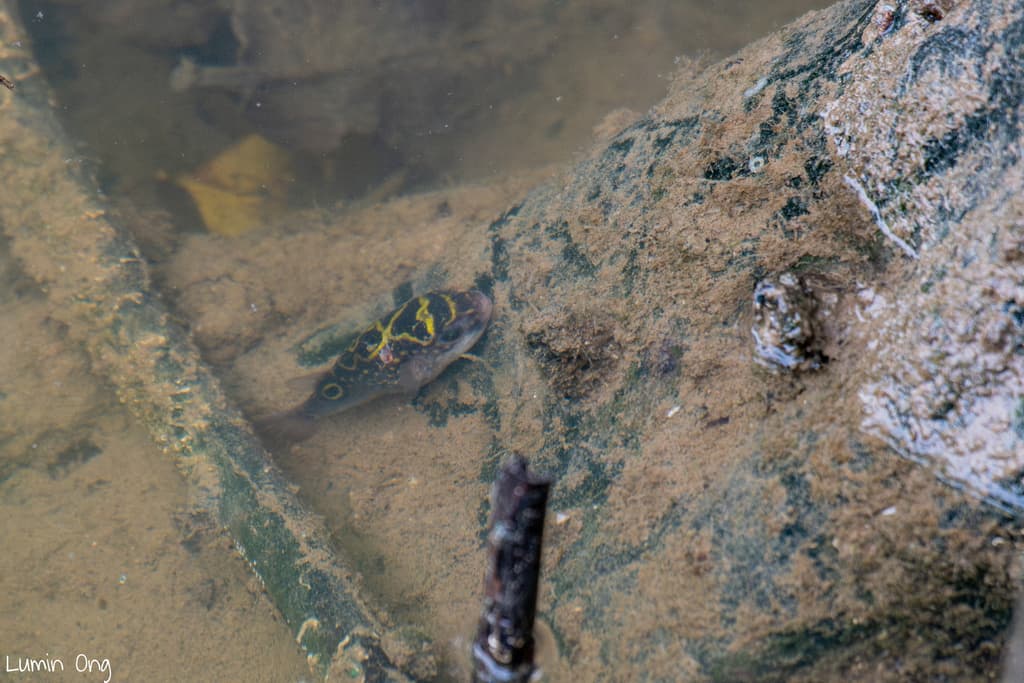
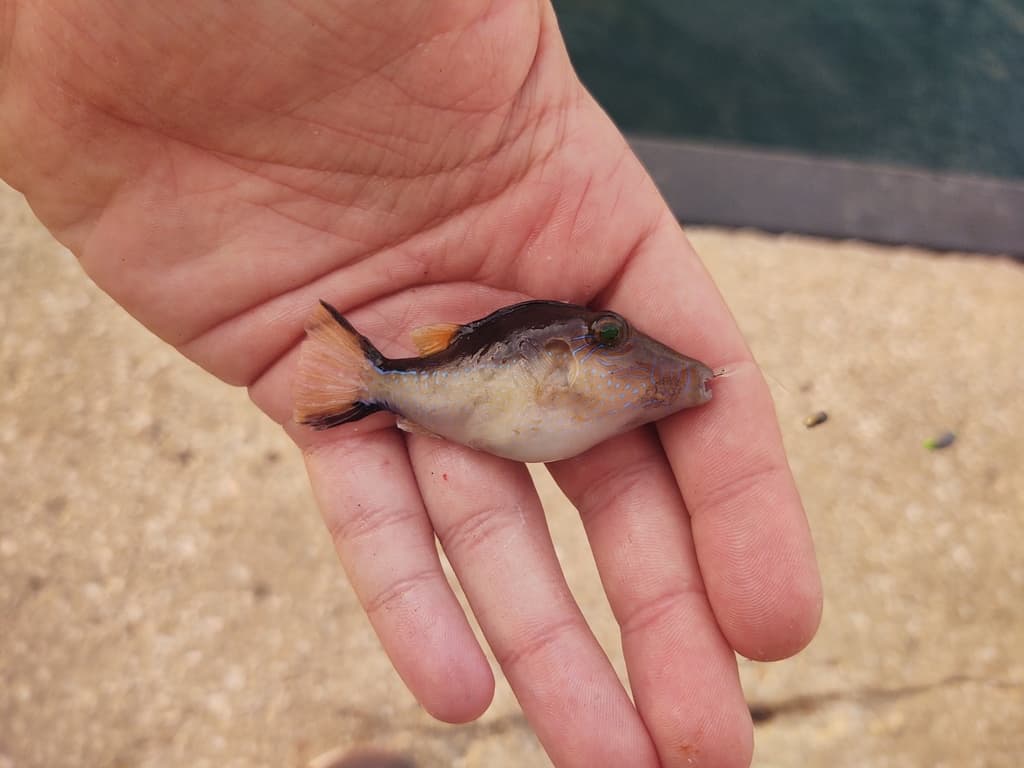
The Sharpnose Puffer is a diminutive and charming member of the Canthigaster genus found throughout the Caribbean and Western Atlantic. This small pufferfish features a distinctive pointed snout, a dark brown to olive upper body with bright blue lines and spots on the face and lower body, and a prominent dark spot at the base of the dorsal fin. Its compact size of just 4.5 inches makes it one of the smallest pufferfish available to marine aquarists, and its curious, active personality has made it a perennial favorite.
In the wild, Canthigaster rostrata is one of the most common reef fish in the Caribbean, found on coral reefs, seagrass beds, and rubble zones from Florida and the Bahamas through the Caribbean to the coast of South America. It is often observed swimming in pairs or small groups, hovering just above the substrate as it picks at algae, sponges, tunicates, and small invertebrates. Despite its small size, it is territorial and will defend its home range from intruders.
In the aquarium, the Sharpnose Puffer is hardy, easy to feed, and highly entertaining. It quickly learns to recognize its keeper and will swim to the front of the tank at feeding time. It readily accepts frozen mysis shrimp, brine shrimp, and prepared foods. However, it is not reef-safe and will nip at corals, clam mantles, fan worms, and ornamental shrimp. Its small size means it can be kept in aquariums as small as 30 gallons, making it accessible to a wide range of hobbyists.
Feeding & Diet
Carnivore
Sharpnose Puffers are carnivores that feed on sponges, tunicates, algae, and small invertebrates in the wild. In captivity, they readily accept frozen mysis shrimp, enriched brine shrimp, chopped clam, marine pellets, and algae sheets. Offer hard-shelled foods like small snails occasionally to help maintain their teeth. Feed two to three times daily in small portions.
Compatibility
not-reef-safepersonality-fishsmall-tankbeginner-friendlyCaribbean
The Sharpnose Puffer is generally peaceful toward robust, active fish but will nip at corals, clam mantles, fan worms, and ornamental invertebrates. It can be territorial toward conspecifics and similarly shaped fish. Best kept in a fish-only or FOWLR setup with active tankmates of similar or larger size. Avoid pairing with seahorses, pipefish, or other slow-moving species.
Check CompatibilityBreeding
Difficult
Sharpnose Puffers have been bred in captivity on occasion. Males court females through color displays and chasing behavior. Eggs are deposited on substrate or in a small nest, and the male may guard them. Larvae are very small and require rotifers and other microscopic foods. Captive breeding remains uncommon but has been achieved by dedicated hobbyists.
Special Requirements
- Not reef-safe — will nip corals, clam mantles, and fan worms
- Provide occasional hard-shelled foods for tooth maintenance
- Small but territorial — may harass slow-moving tankmates
- Compact size suits aquariums as small as 30 gallons
- Keep singly or as a mated pair to avoid conspecific aggression
Water Parameters
Temperature72–80°F
Specific Gravity1.02–1.026 sg
pH8.1–8.4
Alkalinity8–12 dKH
Coloration
dark brownoliveblue linesblue spotswhite bellyorange
Tags
not-reef-safepersonality-fishsmall-tankbeginner-friendlyCaribbean