IntermediateSemi-AggressiveReef Safe
Redbar Hawkfish
Cirrhitops hubbardi
Family: Cirrhitidae · Hawkfish
Also known as: Hubbard's Hawkfish, Red-Barred Hawkfish
(c) Debra Baker, some rights reserved (CC BY)
Max Size
4.7"
Min Tank
50 gal
Lifespan
5-8 years
Origin
Western Pacific, Japan
Diet
Carnivore
Swims
Bottom
About
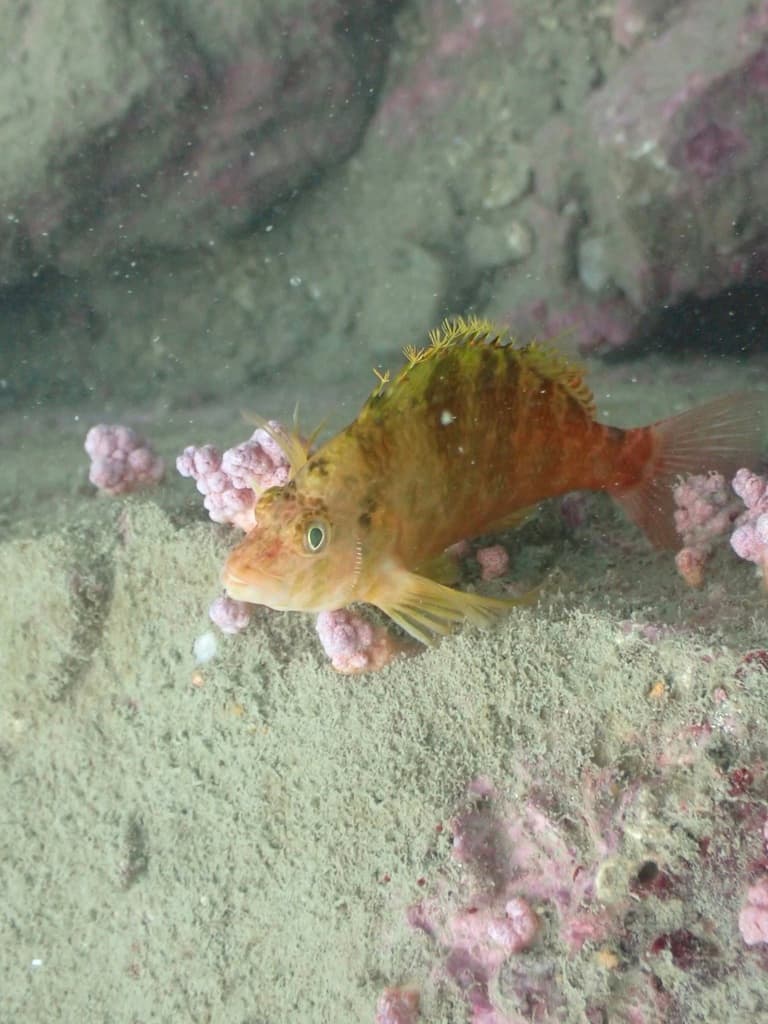
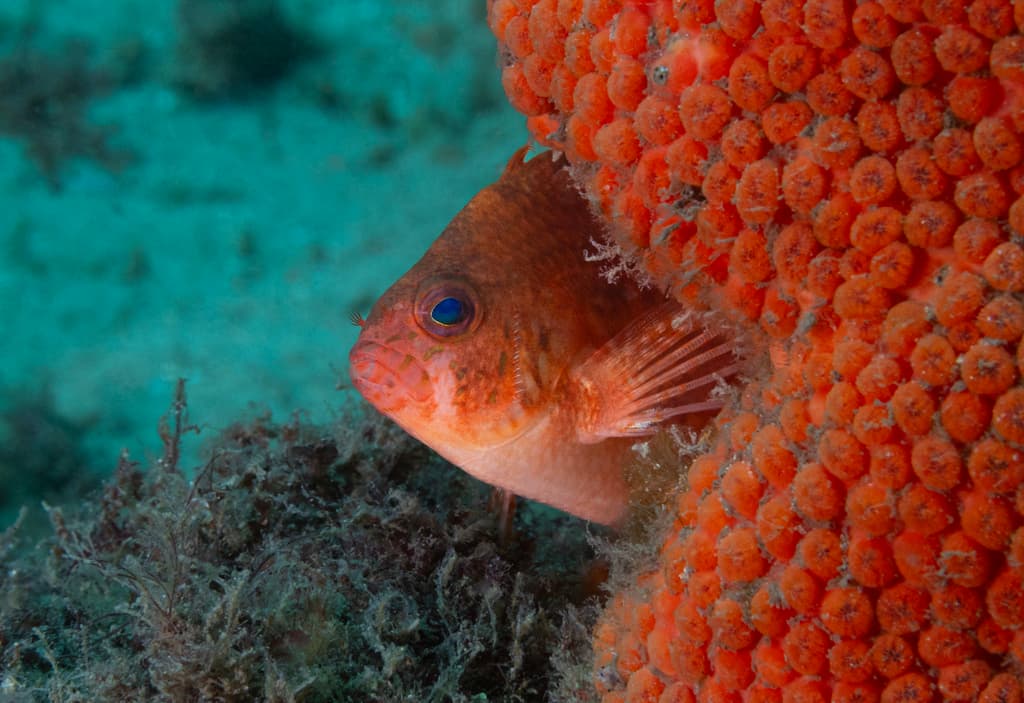
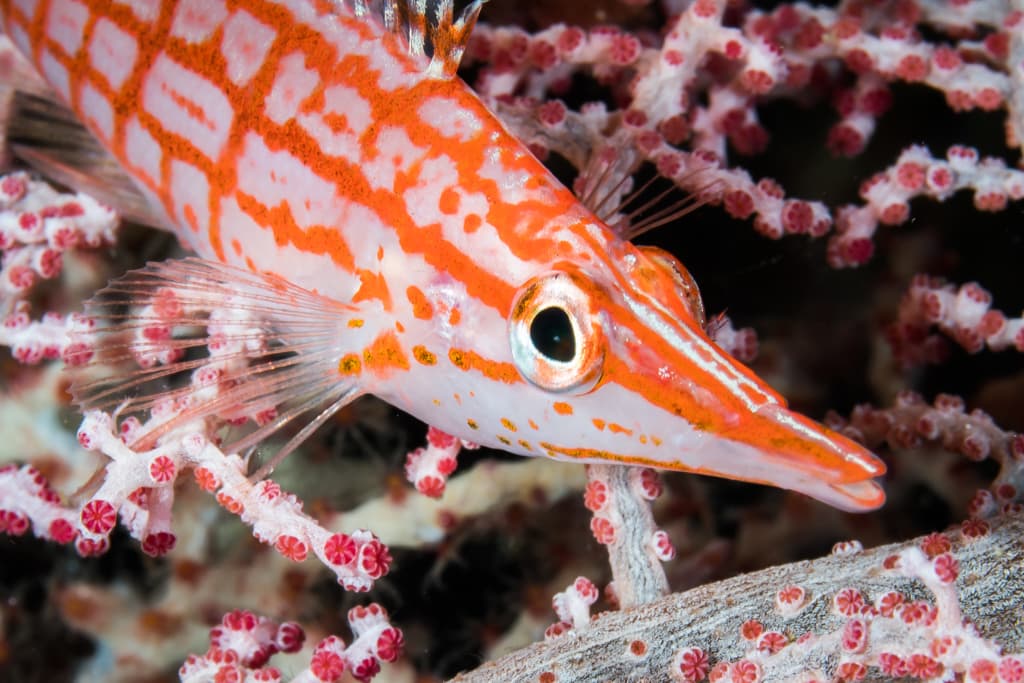
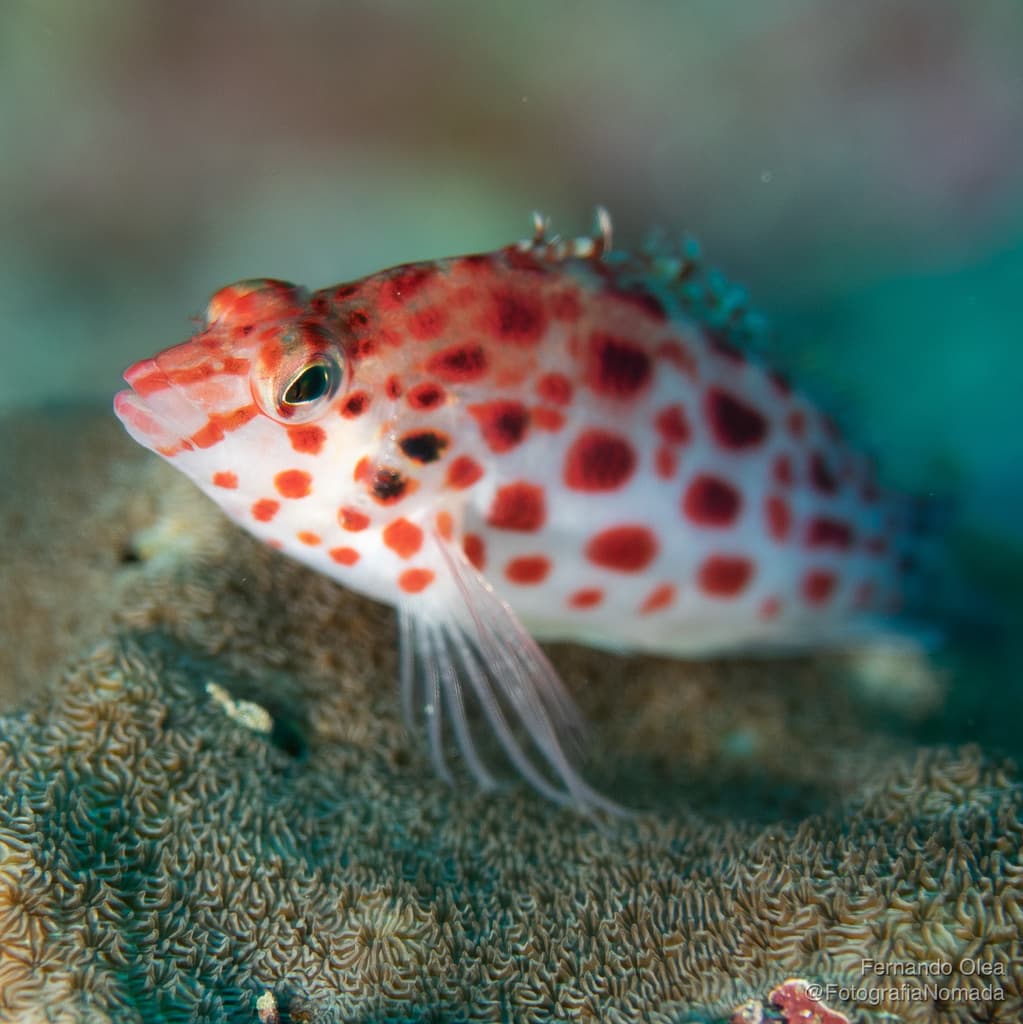
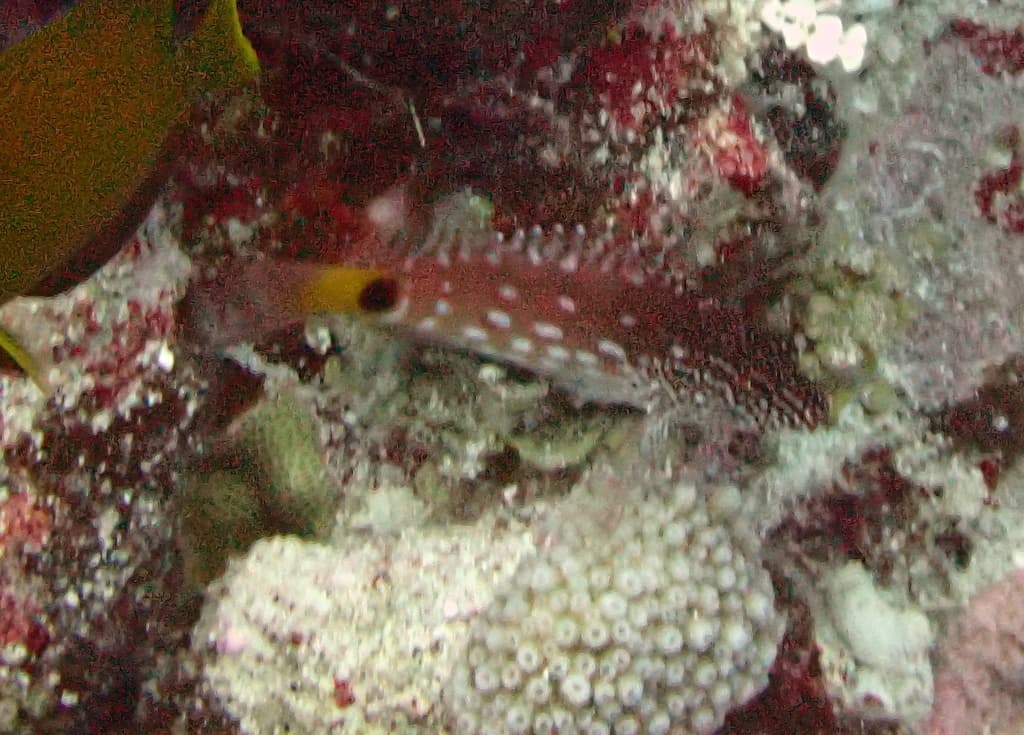
The Redbar Hawkfish is a rare and visually striking hawkfish species distinguished by its bold red vertical bars set against a pale white to cream body. This attractive patterning, combined with the species' relative scarcity in the aquarium trade, makes it a prized find for collectors and hawkfish enthusiasts. It is a deepwater species often collected from moderate depths, which contributes to its uncommon availability and higher price point.
In the aquarium, the Redbar Hawkfish displays typical hawkfish behavior, establishing a preferred perching spot and surveying its surroundings with keen, watchful eyes. It tends to be somewhat more reserved than the boldly outgoing Flame or Arc-Eye Hawkfish, particularly during the initial acclimation period. Once settled, however, it becomes an active and engaging resident that readily accepts frozen and prepared carnivore foods.
This species requires intermediate care due to its deepwater origins and occasional sensitivity during acclimation. A well-established aquarium with stable water parameters, ample live rock for perching, and moderate lighting best replicates its natural habitat. The Redbar Hawkfish is reef-safe with corals and makes a fascinating addition to community reef aquariums where its unusual coloration and rarity are sure to draw attention.
Feeding & Diet
Carnivore
Redbar Hawkfish are carnivores that feed on small crustaceans and zooplankton in the wild. In captivity, they accept frozen mysis shrimp, brine shrimp, chopped seafood, and marine pellets. Feed two to three times daily with varied meaty offerings.
Compatibility
reef-safesemi-aggressivepercherrare-speciesdeepwater
The Redbar Hawkfish is generally compatible with community reef fish and safe with corals. It may prey on very small shrimp species but is less aggressive than larger hawkfish. Best kept singly as conspecifics will spar over territory.
Check CompatibilityBreeding
Not bred in captivity
Redbar Hawkfish are protogynous hermaphrodites like other members of the family. Captive breeding has not been documented. Their rarity in the trade and deepwater origins make breeding attempts exceptionally uncommon.
Special Requirements
- Provide elevated perching spots among live rock
- May be shy during initial acclimation from deepwater collection
- Keep singly to avoid territorial aggression
- Moderate lighting preferred due to deepwater origin
- Stable water parameters are essential
Water Parameters
Temperature72–80°F
Specific Gravity1.02–1.026 sg
pH8.1–8.4
Alkalinity8–12 dKH
Coloration
redwhitecream
Tags
reef-safesemi-aggressivepercherrare-speciesdeepwater