ExpertSemi-AggressiveReef Safe
Manylined Sweetlips
Plectorhinchus multivittatus
Family: Haemulidae · Grunts & Sweetlips
Also known as: Many-lined Sweetlips, Multi-striped Sweetlips, Indian Ocean Sweetlips
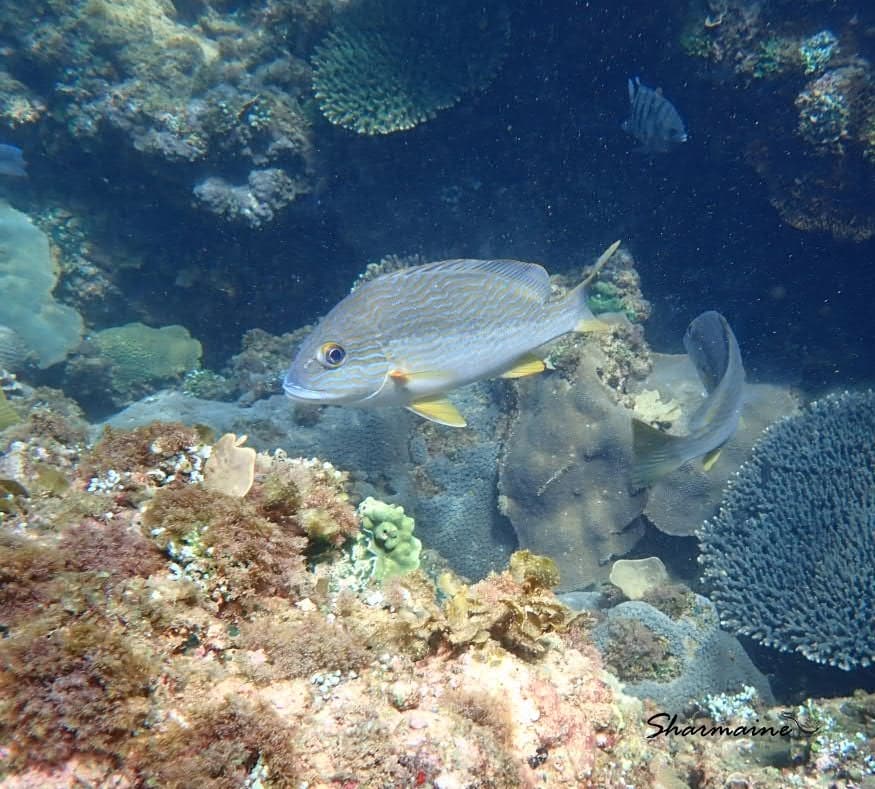
(c) Sharmaine Donnelly-Chorlton, all rights reserved
Max Size
20"
Min Tank
250 gal
Lifespan
10-18 years
Origin
Western Indian Ocean, East Africa
Diet
Carnivore
Swims
Middle
About
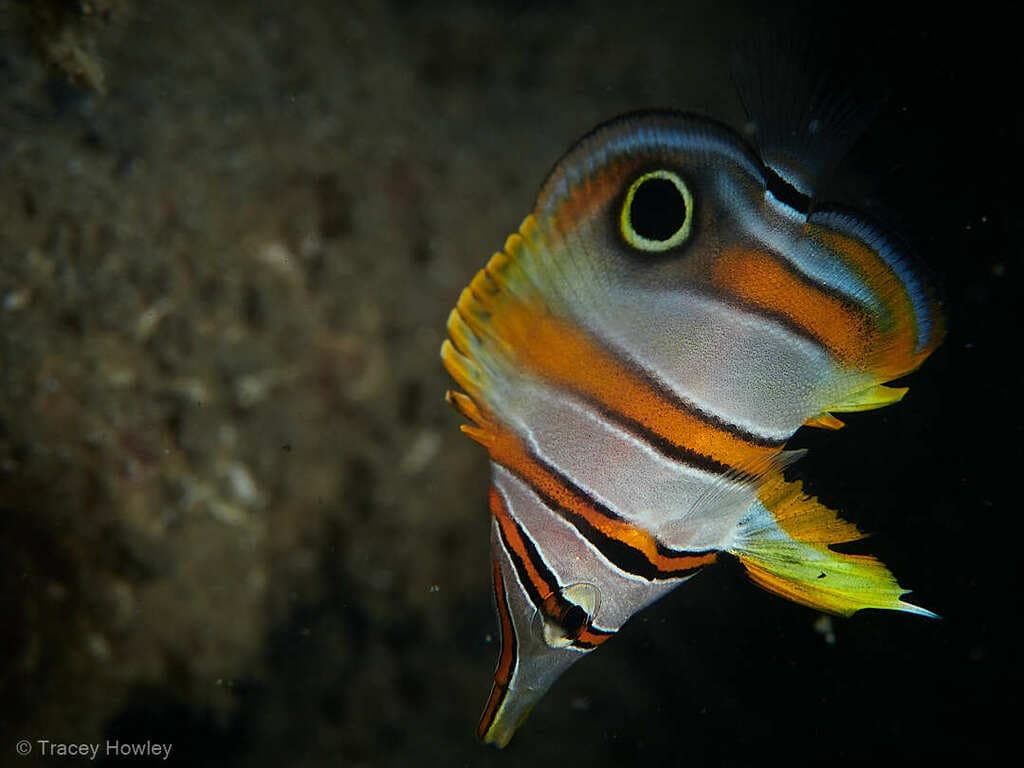
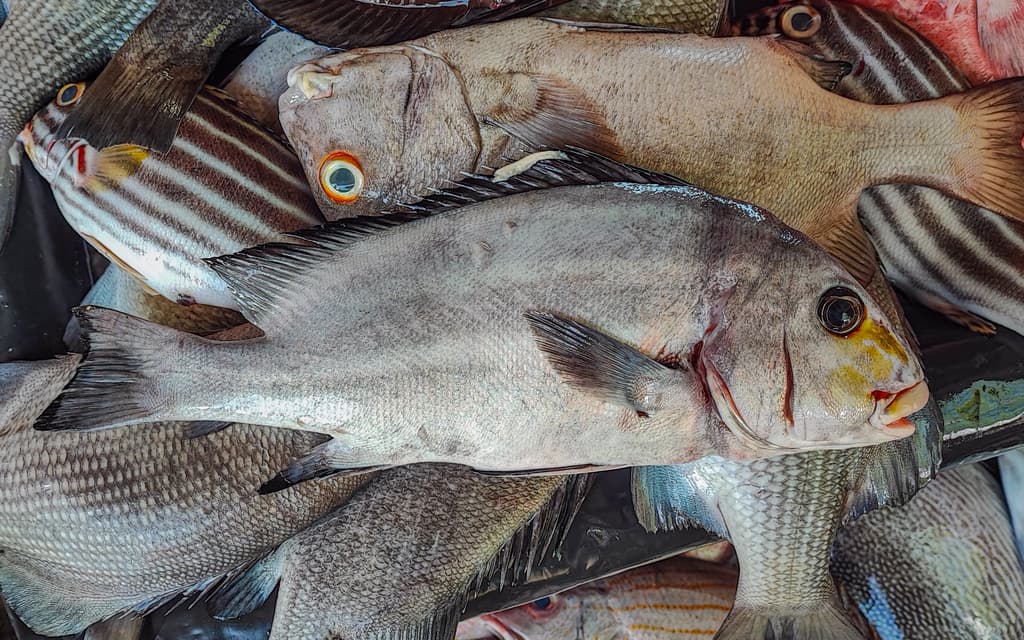
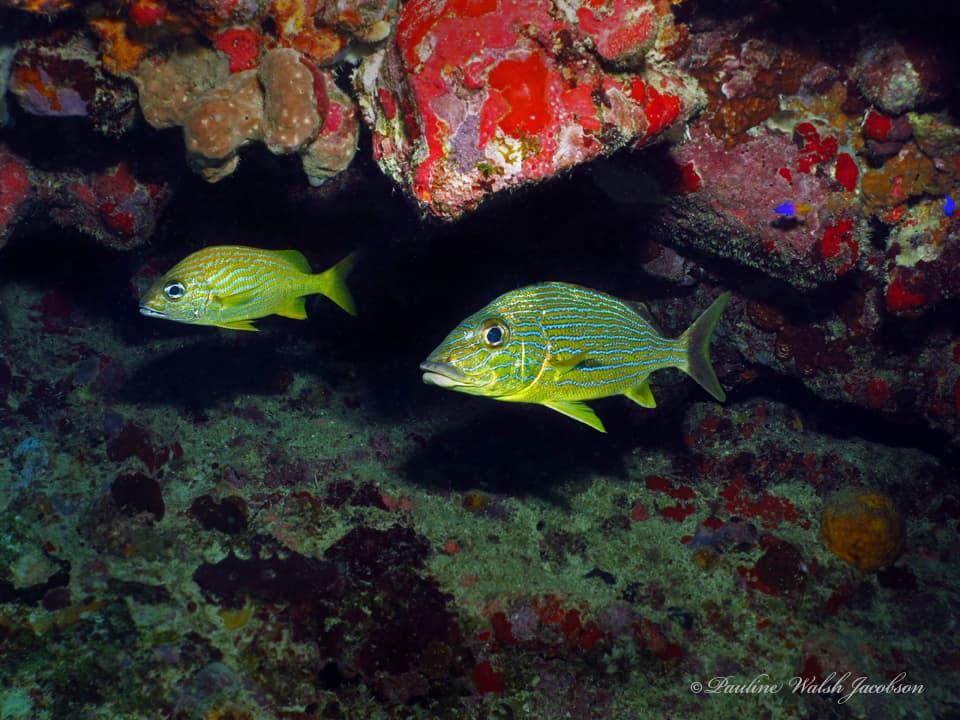
The Manylined Sweetlips is a striking member of the Haemulidae family endemic to the Western Indian Ocean, where it is found from the coast of East Africa through Madagascar, the Seychelles, and the Maldives. Adults display a distinctive pattern of numerous thin, dark horizontal lines running across a silvery-white to pale grey body, with the characteristic thick, fleshy lips that define the sweetlips group. As with other Plectorhinchus species, juveniles look markedly different from adults, featuring bold dark and white blotching that gradually transforms into the multi-lined adult pattern over the first few years of life.
In the wild, Plectorhinchus multivittatus frequents coral reef slopes and lagoons at depths of 3 to 30 meters, where small groups gather in caves and under ledges during the day. At night, individuals disperse to forage across the reef and adjacent sandy substrate, feeding on crustaceans, worms, and small invertebrates. This species can reach 20 inches in length, making it a sizable presence on the reef.
In the aquarium, the Manylined Sweetlips presents the same formidable challenges as other large sweetlips species. Imported specimens are extremely reluctant to accept prepared foods, and the weaning process can take weeks or months of patient work with live foods. Water quality must be pristine, and the fish is highly susceptible to stress-related diseases during acclimation. Its relative rarity in the aquarium trade, combined with its demanding care requirements and large adult size requiring at least 250 gallons, makes this a species recommended only for dedicated expert aquarists.
Feeding & Diet
Carnivore
Manylined Sweetlips are carnivores that prey on crustaceans, polychaete worms, and small invertebrates. In captivity, initial feeding is extremely difficult. Offer live ghost shrimp, live blackworms, and enriched live brine shrimp, then attempt a gradual transition to frozen mysis, krill, and chopped seafood. Patience over weeks or months is required, and some specimens may never fully accept non-living foods.
Compatibility
semi-aggressiveFOWLRlarge-tankexpert-onlyrare-species
The Manylined Sweetlips can show semi-aggressive behavior toward smaller fish, particularly in tight quarters. Best housed with other large, robust species that will not bully it or outcompete it for food. Despite being reef-safe with corals, it will consume ornamental shrimp, crabs, and worms. A fish-only or FOWLR setup is most appropriate.
Check CompatibilityBreeding
Not bred in captivity
Manylined Sweetlips have not been bred in home aquariums. Like other Plectorhinchus species, they are pelagic spawners in the wild. The extreme difficulty of maintaining this species, combined with its rarity in the trade, makes captive breeding essentially impractical. All available specimens are wild-caught from the Western Indian Ocean.
Special Requirements
- Extremely difficult to wean onto prepared foods — live food essential during acclimation
- Rarely available in the aquarium trade — Western Indian Ocean species
- Pristine water quality required — highly sensitive during acclimation
- Provide caves and overhangs for daytime shelter
- Only recommended for expert aquarists with 250+ gallon systems
Water Parameters
Temperature72–80°F
Specific Gravity1.02–1.026 sg
pH8.1–8.4
Alkalinity8–12 dKH
Coloration
silverwhitedark horizontal linesgreybrown (juvenile)
Tags
semi-aggressiveFOWLRlarge-tankexpert-onlyrare-species