BeginnerPeacefulReef Safe
Link Goby
Amblygobius linki
Family: Gobiidae · Gobies
Also known as: Link's Goby, Link's Sand Goby, Chainlink Goby
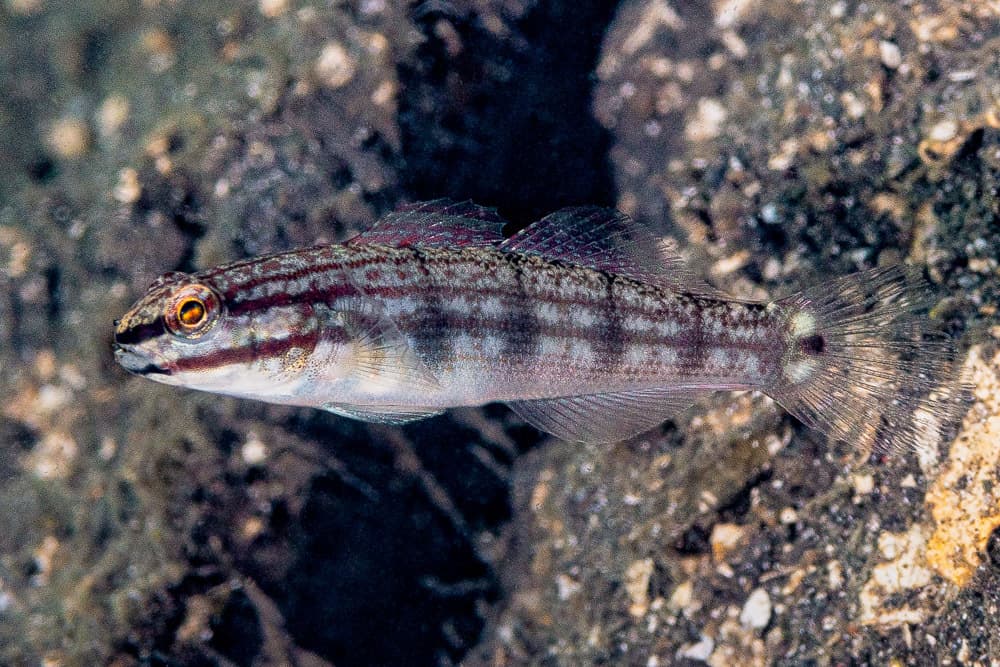
(c) Amaury Durbano, some rights reserved (CC BY-NC)
Max Size
4"
Min Tank
30 gal
Lifespan
4-6 years
Origin
Western Pacific, Indonesia
Diet
Omnivore
Swims
Bottom
About
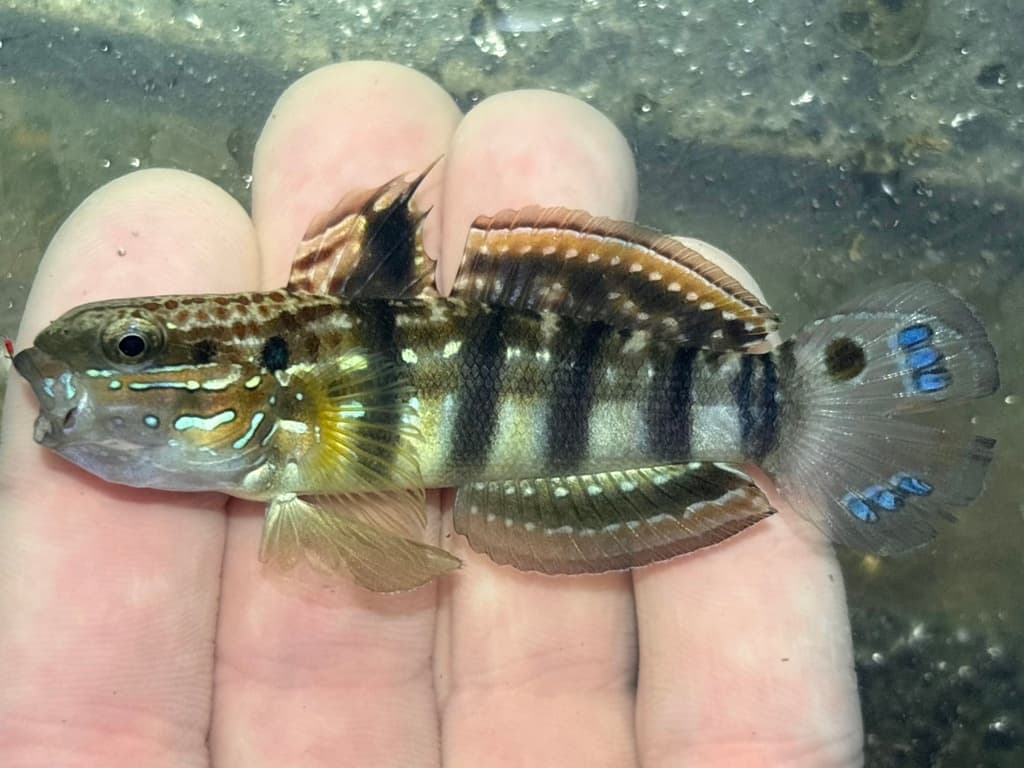
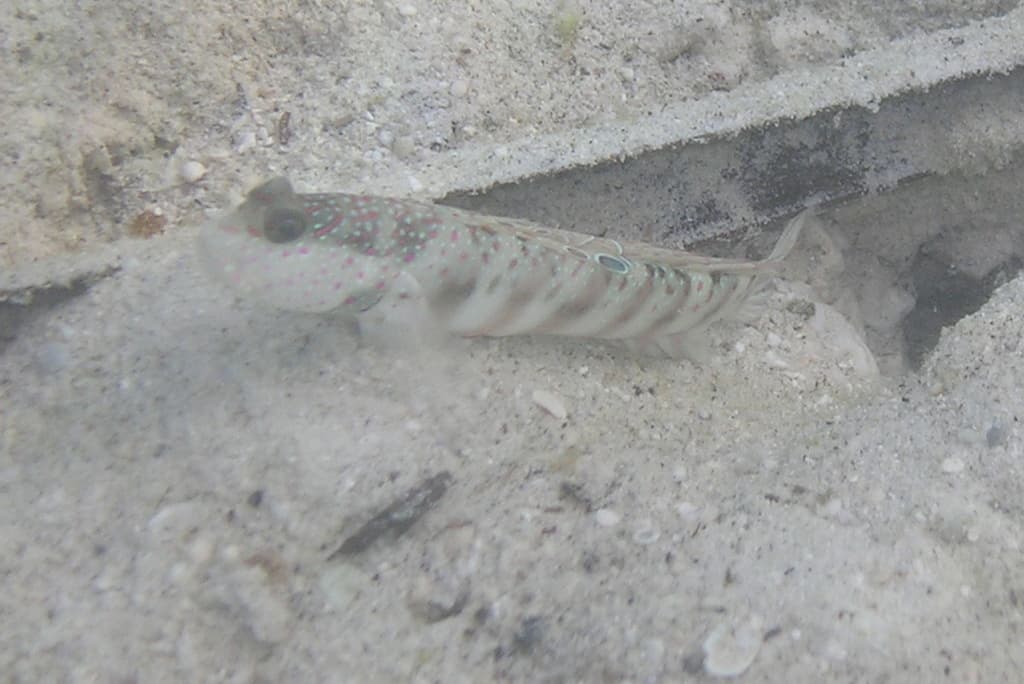
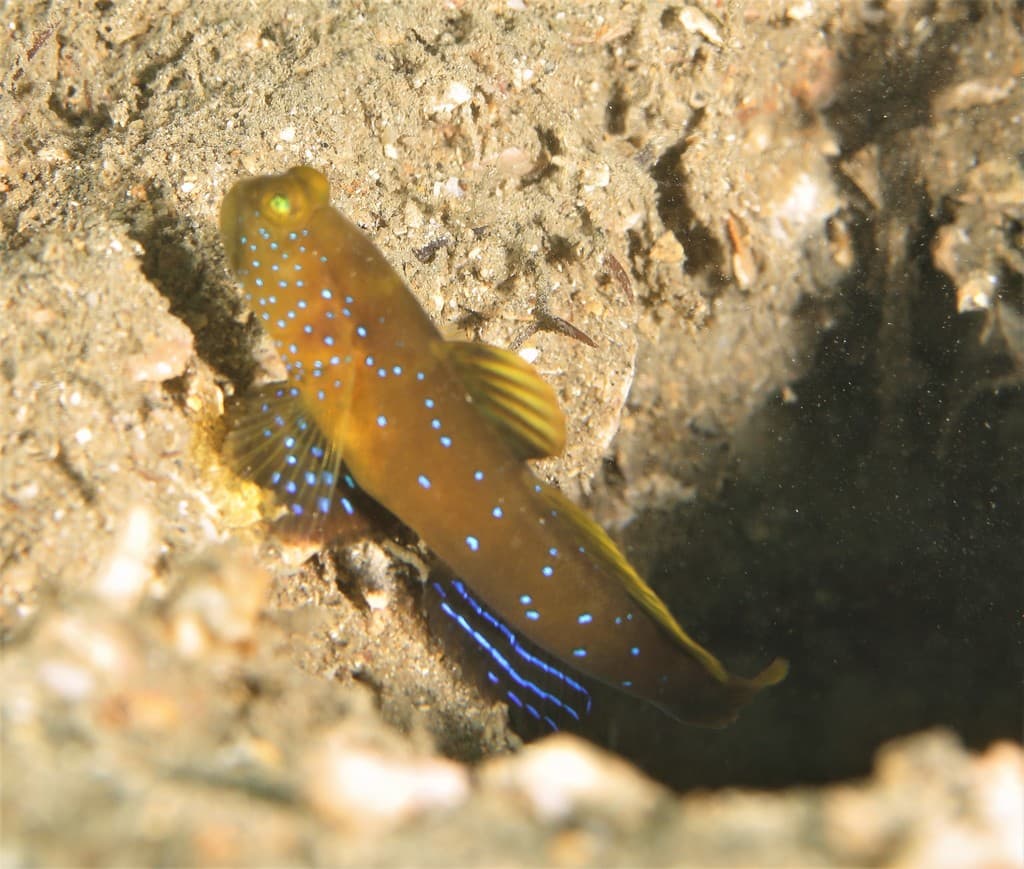
The Link Goby is an attractive sand-sifting species that combines practical substrate maintenance with appealing coloration. Growing to about 4 inches, it features a cream to light tan body adorned with a chain-like pattern of dark brown spots and bars along its flanks, interspersed with subtle blue and orange highlights on the fins. This distinctive chain-link pattern gives the species its common name and makes it one of the more visually appealing Amblygobius gobies.
Like its relatives in the Amblygobius genus, the Link Goby is a dedicated sand sifter that methodically processes mouthfuls of substrate to extract tiny invertebrates, algae, and organic detritus. This behavior provides excellent natural maintenance of the sand bed, keeping it clean, aerated, and free of nuisance organisms. The species is moderately sized between the smaller Buan Sand Goby and the larger Dragon Goby, making it a versatile choice for medium-sized reef aquariums.
Captive-bred Link Gobies are available and adapt more readily to aquarium life than wild-caught specimens. This peaceful species completely ignores corals and invertebrates, focusing its attention entirely on the substrate. A fine sand bed of at least 2 inches depth is essential, and the tank should be covered as this species is known to jump when startled.
Feeding & Diet
Omnivore
Link Gobies are omnivorous sand sifters that extract tiny crustaceans, worms, algae, and detritus from the substrate. In captivity, supplement their natural foraging with frozen mysis shrimp, brine shrimp, finely chopped seafood, and quality sinking pellets. A mature sand bed supports their nutritional needs.
Compatibility
reef-safepeacefulcommunity-safebottom-dweller
The Link Goby is very peaceful and compatible with most reef-safe species. May exhibit minor territorial behavior toward other sand-sifting gobies competing for the same substrate area. Best kept singly or as a mated pair.
Check CompatibilityBreeding
Moderate
Link Gobies form monogamous pairs and construct burrows in the sand for spawning. Eggs are deposited inside the burrow and guarded by the male. Captive breeding has been achieved, and larvae require rotifers and copepod nauplii during the planktonic larval stage.
Special Requirements
- Fine sand substrate of at least 2 inches depth required
- Mature sand bed with established microfauna is beneficial
- Captive-bred specimens available and recommended
- Tight-fitting lid essential as this species can jump
- Do not place coral frags directly on the sand bed — they may be buried
- Supplement natural foraging with frozen and prepared foods
Water Parameters
Temperature74–80°F
Specific Gravity1.02–1.026 sg
pH8.1–8.4
Alkalinity8–12 dKH
Coloration
tanbrownblueorangecream
Tags
reef-safepeacefulcommunity-safebottom-dweller