BeginnerPeacefulReef Safe
Blue Chromis
Chromis cyanea
Family: Pomacentridae · Chromis & Damselfish
Also known as: Blue Reef Chromis, Caribbean Blue Chromis
(c) Scott Delyea, all rights reserved
Max Size
6"
Min Tank
55 gal
Lifespan
8-12 years
Origin
Caribbean, Western Atlantic
Diet
Omnivore
Swims
All
About
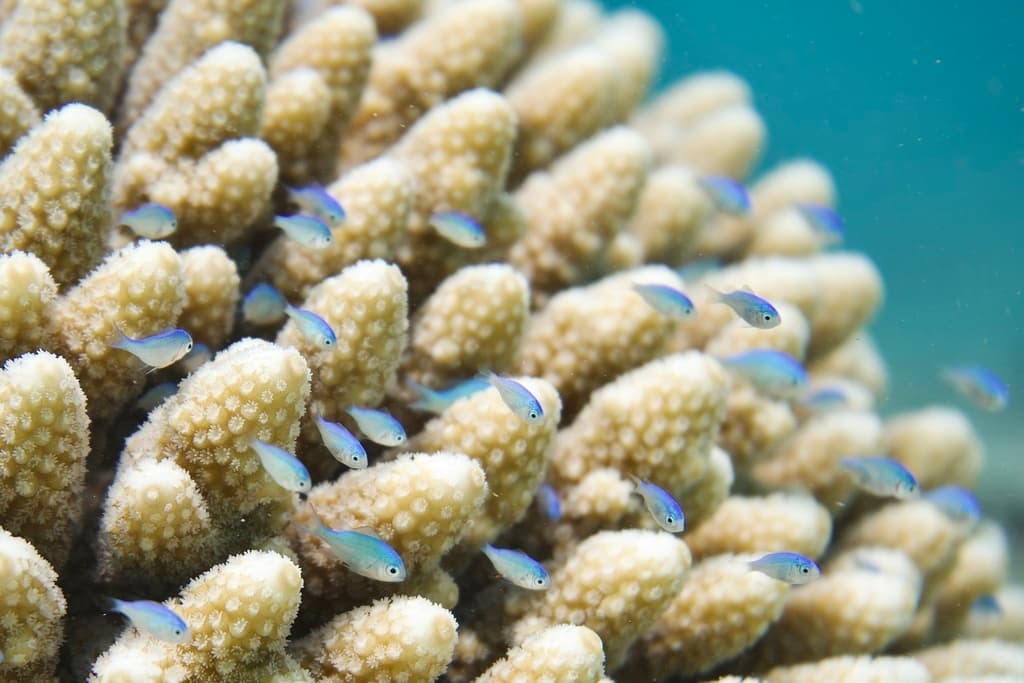
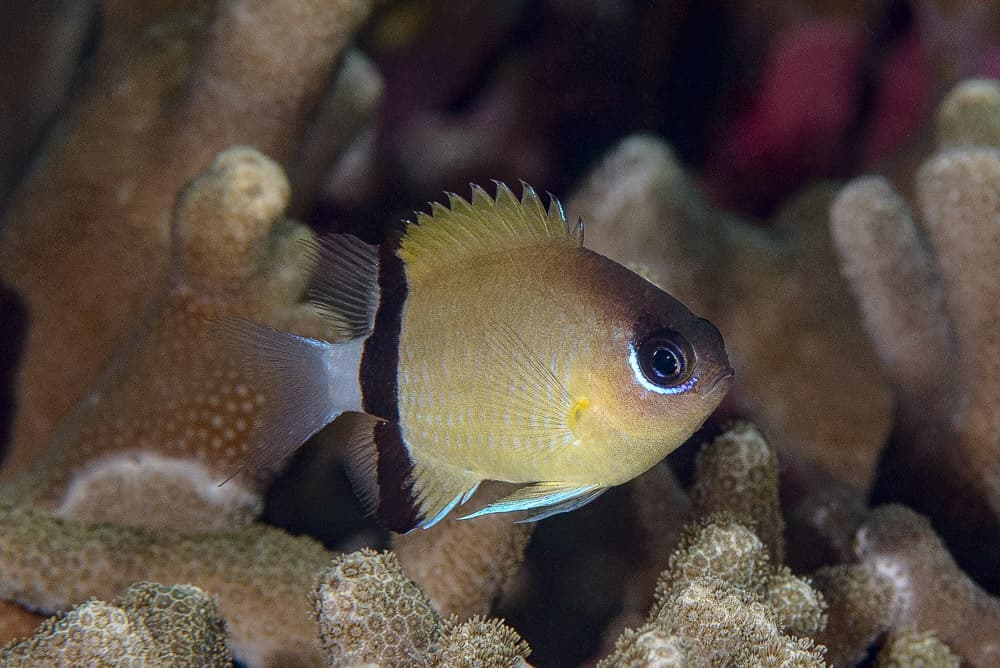
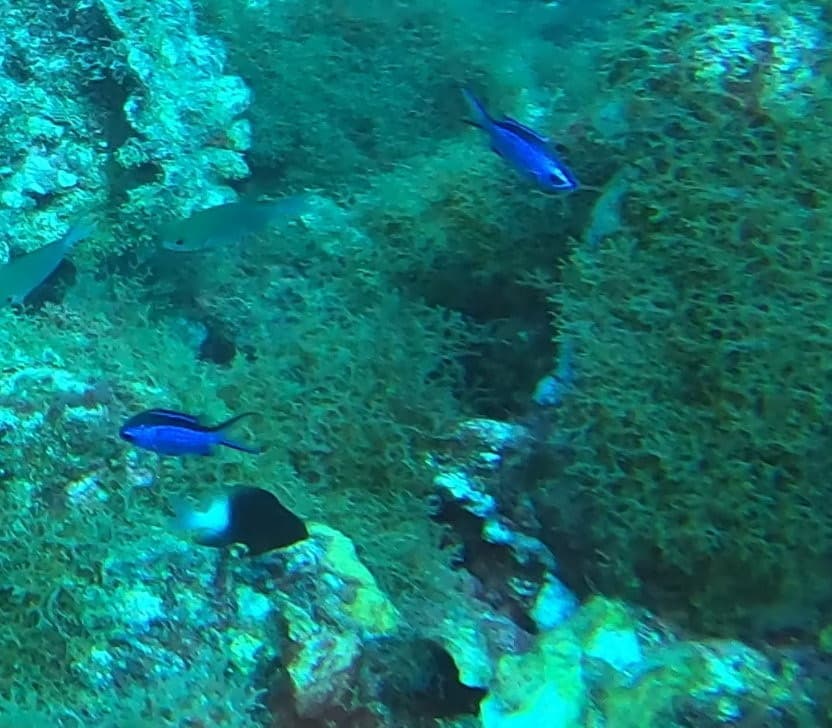
The Blue Chromis is a brilliantly colored Caribbean species that ranks among the most striking schooling fish available for marine aquariums. Its entire body is covered in a stunning electric blue coloration that appears to glow under reef lighting, with a slightly darker blue along the dorsal surface and deeper blue-black edging on the tail and fin margins. When a school of these fish catches the light, the effect is truly dazzling.
Native to the Caribbean Sea and western Atlantic, Blue Chromis are found on outer reef slopes and walls where they form large aggregations high above the reef structure, feeding on zooplankton in the current. They are a common sight on Caribbean dive sites, creating vibrant blue clouds that hover over the reef. Their natural range extends from Bermuda through the Bahamas, Florida, and throughout the Caribbean basin.
In captivity, Blue Chromis are hardy and easy to maintain, making them excellent beginner fish. They are best kept in groups of five or more to display their spectacular schooling behavior. Like other Chromis species, smaller groups may experience dominance-related attrition, so starting with a larger group is advisable. They are completely reef-safe and add a vivid splash of electric blue that few other species can match. Their peaceful temperament and hardiness make them one of the best choices for aquarists seeking a stunning Caribbean schooling fish.
Feeding & Diet
Omnivore
Blue Chromis are omnivores that feed primarily on zooplankton in the wild. In captivity, they eagerly accept marine flakes, pellets, frozen mysis shrimp, enriched brine shrimp, and finely chopped seafood. Include color-enhancing foods with astaxanthin to maintain their brilliant blue coloration. Feed two to three times daily.
Compatibility
reef-safepeacefulschooling-fishcommunity-safebeginner-friendly
Blue Chromis are peaceful and compatible with virtually all reef community fish. They school beautifully with other peaceful species. Good tankmates include clownfish, tangs, wrasses, gobies, blennies, and other non-aggressive species. Larger groups help prevent dominance hierarchy issues.
Check CompatibilityBreeding
Moderate
Blue Chromis are substrate spawners. Males establish a nest territory and court females with elaborate swimming displays. The male guards the eggs until hatching. Larvae are small and pelagic, requiring specialized live foods for rearing.
Special Requirements
- Best kept in groups of 5 or more for schooling behavior
- Provide ample open swimming space
- Color-enhancing foods help maintain brilliant blue coloration
- Multiple daily feedings recommended
- Moderate to strong water flow preferred
Water Parameters
Temperature72–80°F
Specific Gravity1.02–1.026 sg
pH8–8.4
Alkalinity8–12 dKH
Coloration
blueelectric blueneon bluedark blue
Tags
reef-safepeacefulschooling-fishcommunity-safebeginner-friendly