BeginnerPeacefulReef Safe
Black-Bar Chromis
Chromis retrofasciata
Family: Pomacentridae · Chromis & Damselfish
Also known as: Black-Bar Damselfish, Blackbar Chromis
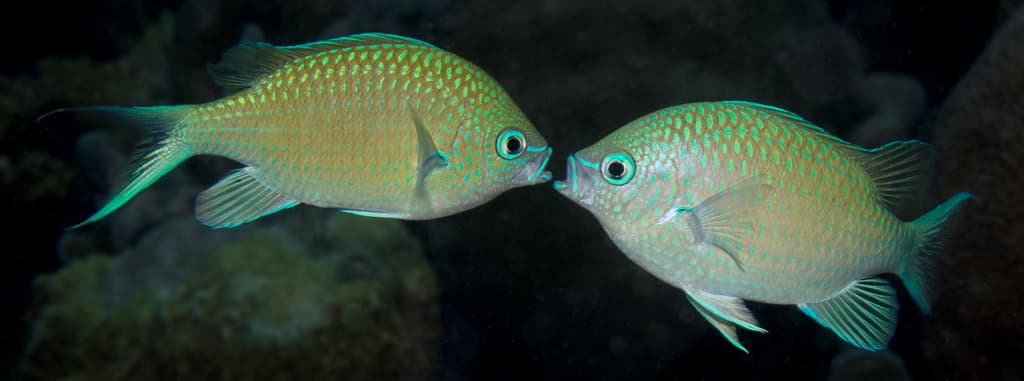
(c) Francois Libert, some rights reserved (CC BY-NC)
Max Size
2"
Min Tank
20 gal
Lifespan
5-8 years
Origin
Western Pacific, Indonesia
Diet
Omnivore
Swims
Middle
About
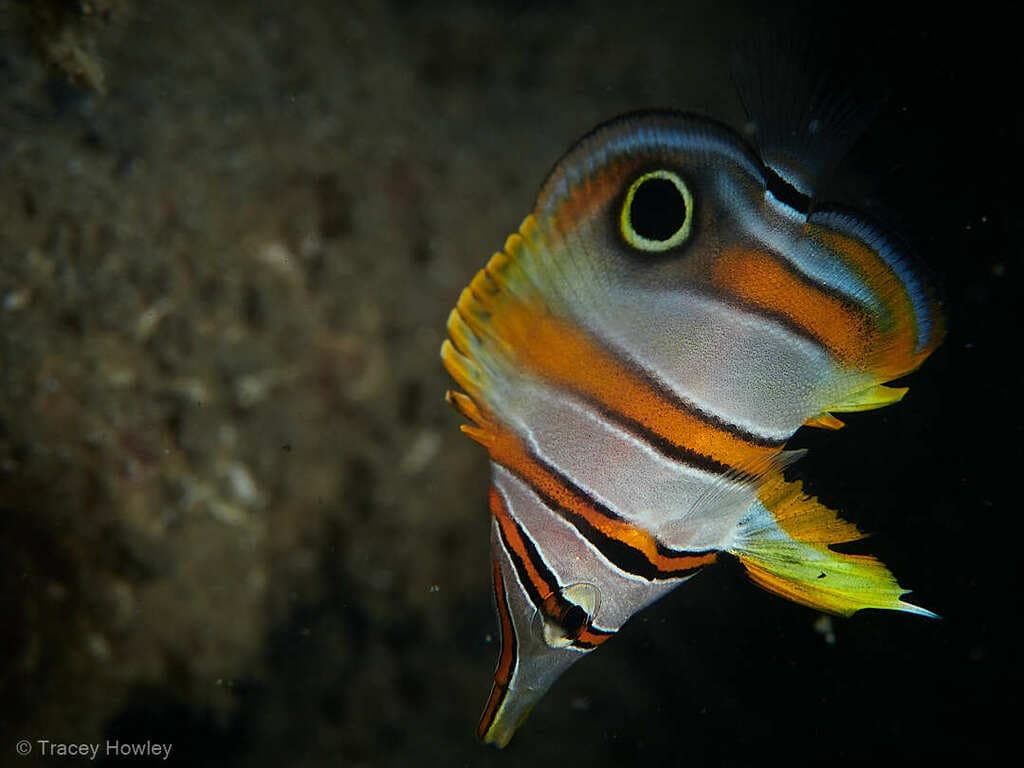
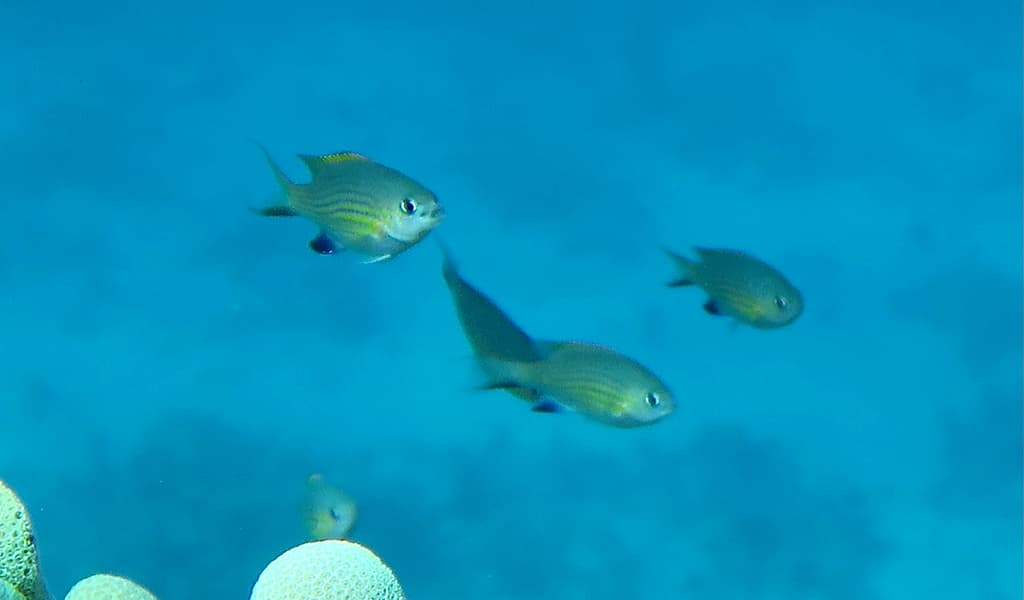
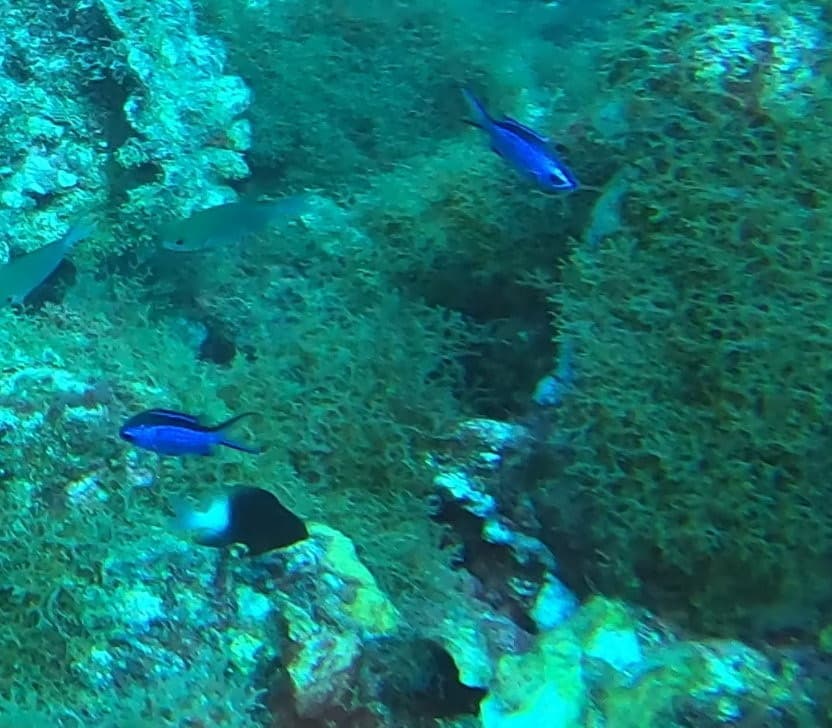
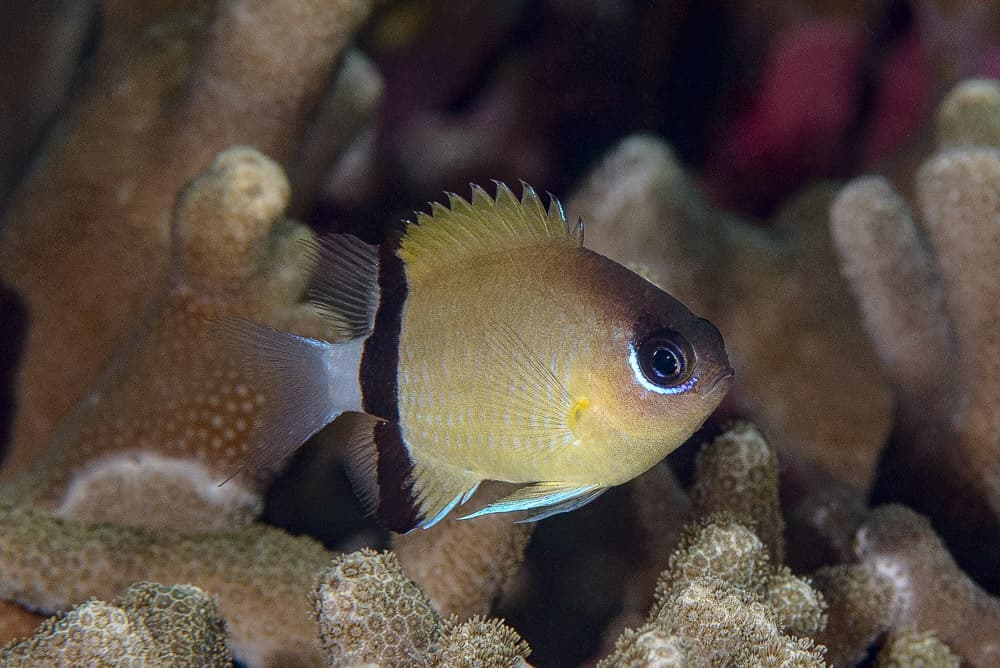
The Black-Bar Chromis is a small and attractively patterned species easily identified by its bright yellow body crossed by a distinctive vertical black bar near the tail. This simple but eye-catching color pattern, combined with its tiny adult size of just 2 inches, makes it an ideal choice for nano reef aquariums and smaller setups where space is limited. Despite its diminutive stature, this species has a lively and engaging personality.
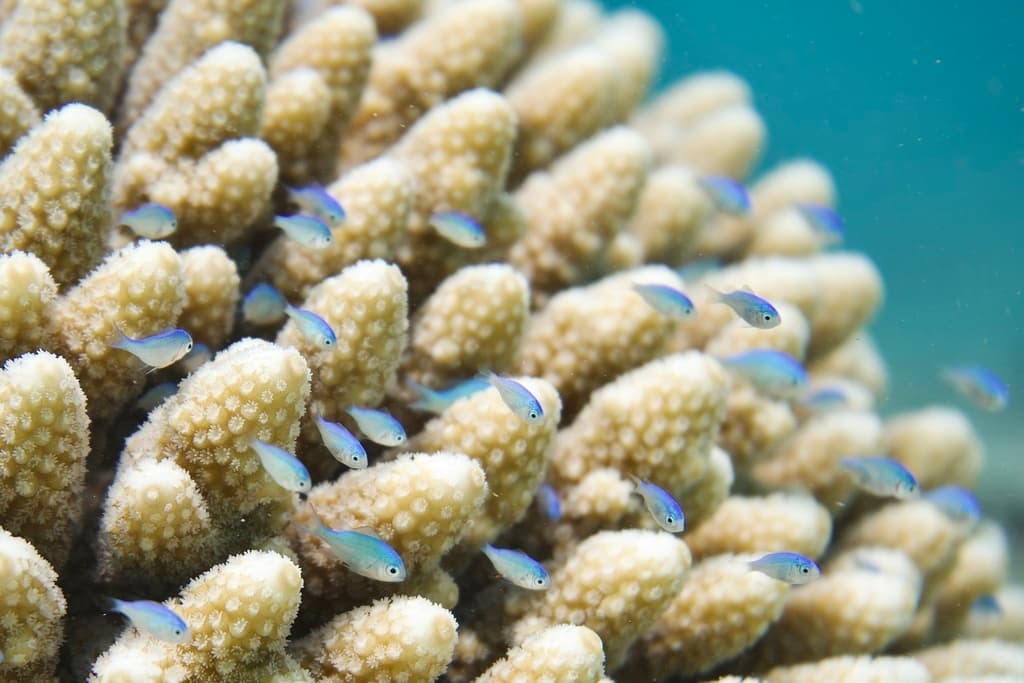
Native to the western Pacific, particularly Indonesia and the Philippines, Black-Bar Chromis inhabit sheltered reef areas and lagoons where they form small groups among branching corals. They are closely associated with coral structure, using it as shelter from predators and a base from which to venture into the water column to feed on passing plankton.
In the aquarium, Black-Bar Chromis are hardy and easy to maintain, readily accepting a wide variety of prepared foods. They are best kept in small groups of three to five individuals in tanks of 20 gallons or larger. Their small size means they can be housed in nano reefs that would be too small for most other schooling fish. They are completely reef-safe and their combination of attractive coloration, small size, and peaceful temperament makes them a charming addition to any community reef setup.
Feeding & Diet
Omnivore
Black-Bar Chromis are omnivores that feed on zooplankton and small organisms in the wild. In captivity, they accept marine flakes, micro pellets, frozen mysis shrimp, enriched brine shrimp, and cyclops. Feed two to three times daily with appropriately small-sized foods.
Compatibility
reef-safepeacefulschooling-fishcommunity-safebeginner-friendlynano-safe
Black-Bar Chromis are peaceful and compatible with most reef community fish. Due to their small size, avoid housing with large or aggressive species that could bully or eat them. Excellent tankmates for other small, peaceful fish, gobies, and blennies.
Check CompatibilityBreeding
Moderate
Black-Bar Chromis are substrate spawners with male parental care. Males guard the eggs until hatching. Spawning may occur in captivity, but rearing the tiny larvae requires specialized live foods and dedicated effort.
Special Requirements
- Suitable for nano reef aquariums (20+ gallons)
- Best kept in small groups of 3-5 individuals
- Provide branching coral or similar structures for shelter
- Small food sizes appropriate for their tiny mouths
Water Parameters
Temperature72–82°F
Specific Gravity1.02–1.026 sg
pH8–8.4
Alkalinity8–12 dKH
Coloration
yellowblackgold
Tags
reef-safepeacefulschooling-fishcommunity-safebeginner-friendlynano-safe