BeginnerPeacefulReef Safe
Agile Chromis
Chromis agilis
Family: Pomacentridae · Chromis & Damselfish
Also known as: Bronze Reef Chromis, Agile Puller
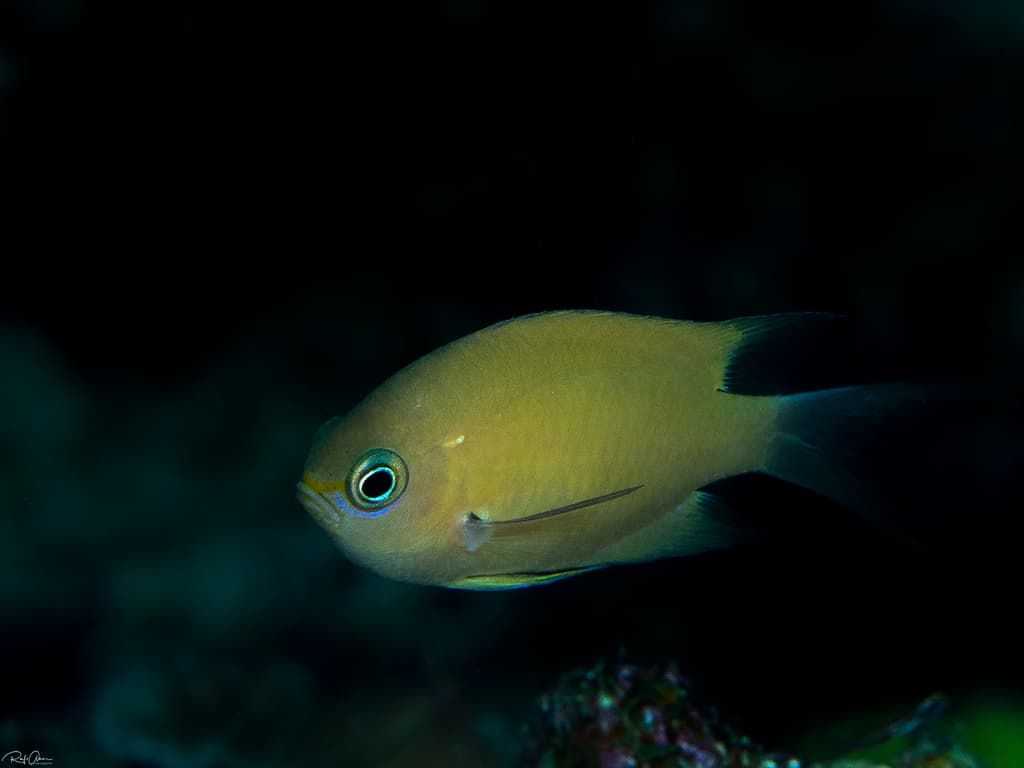
(c) Rafi Amar, some rights reserved (CC BY-NC)
Max Size
4"
Min Tank
55 gal
Lifespan
8-12 years
Origin
Indo-Pacific, Red Sea
Diet
Omnivore
Swims
Middle
About
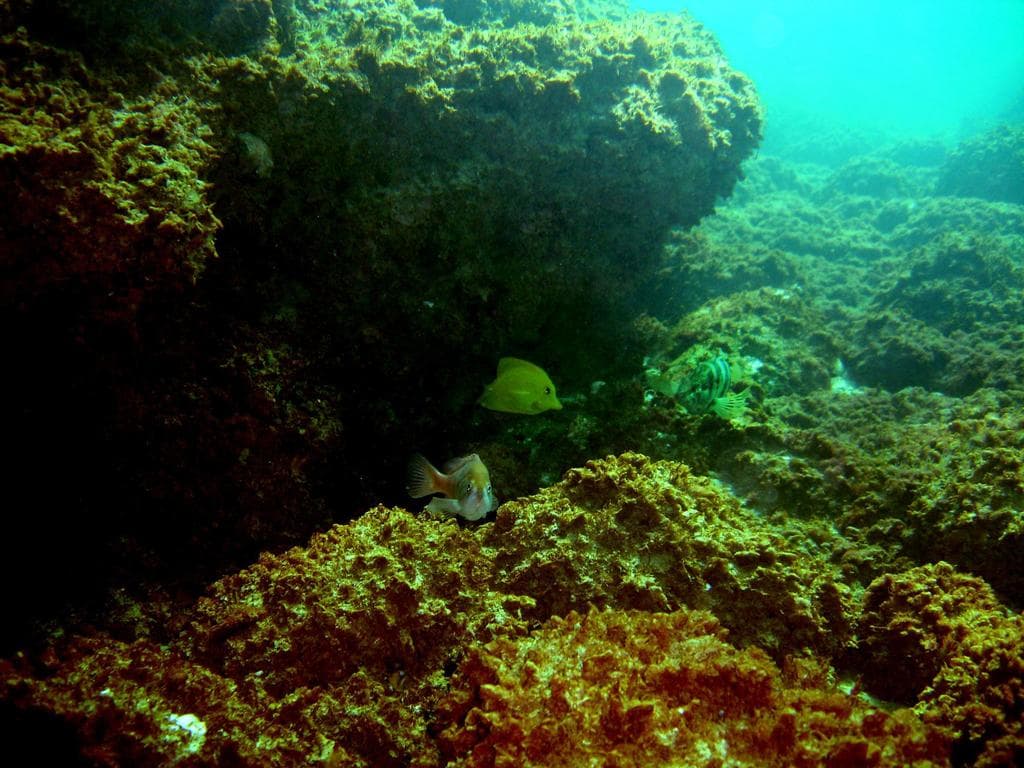
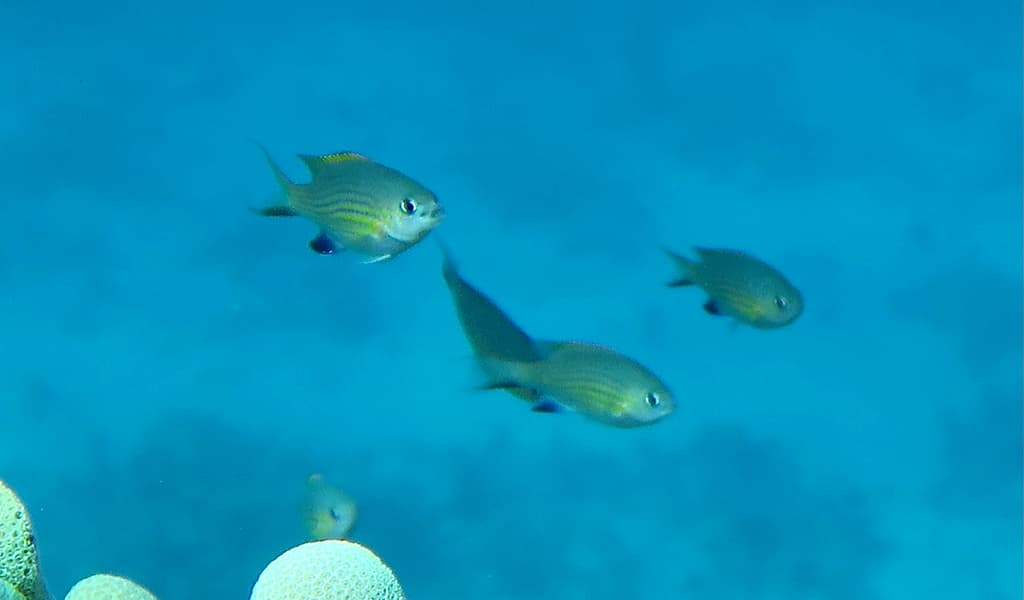
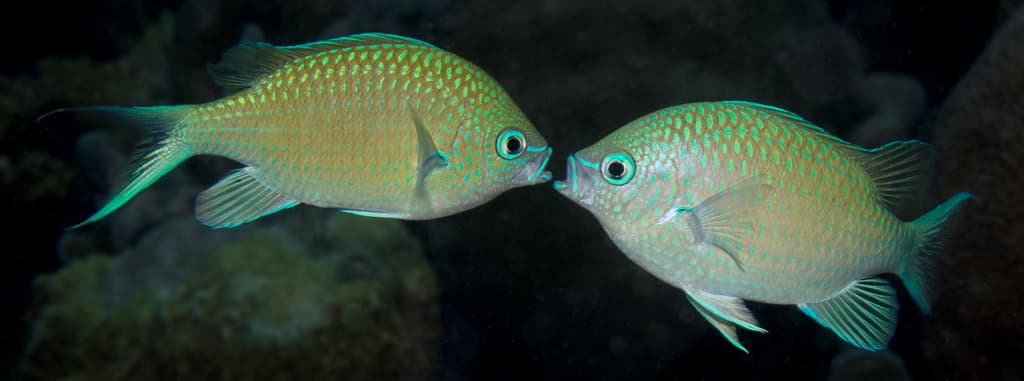
The Agile Chromis is a hardy and often overlooked species that makes an excellent addition to community reef aquariums. While not as flashy as some of its more colorful relatives, this species displays an attractive bronze to brownish-olive body with subtle golden-green iridescence that catches the light as it moves through the water column. Its understated elegance and active schooling behavior provide a natural, lively presence in the aquarium.
Widely distributed throughout the Indo-Pacific from the Red Sea to Hawaii, Agile Chromis are found on outer reef slopes and drop-offs where they form loose schools in the water column above coral structures. They are remarkably hardy fish that tolerate a wide range of conditions and readily accept all types of prepared aquarium foods, making them one of the easiest marine fish to maintain.
Agile Chromis are best kept in groups of five or more to display their natural schooling behavior. Like other Chromis species, they may develop a dominance hierarchy in smaller groups, so larger groups help diffuse any social tension. They are completely reef-safe and pose no threat to corals or invertebrates. Their peaceful nature, hardiness, and active schooling make them a solid choice for both beginning and experienced marine aquarists looking for reliable community fish.
Feeding & Diet
Omnivore
Agile Chromis are omnivores that feed on zooplankton and algae in the wild. In captivity, they eagerly accept marine flakes, pellets, frozen mysis shrimp, enriched brine shrimp, and finely chopped seafood. Feed two to three times daily for optimal health.
Compatibility
reef-safepeacefulschooling-fishcommunity-safebeginner-friendly
Agile Chromis are peaceful and compatible with virtually all reef community fish. They may develop a dominance hierarchy within the group, but larger groups diffuse aggression. Compatible with clownfish, tangs, wrasses, gobies, blennies, and other peaceful species.
Check CompatibilityBreeding
Moderate
Agile Chromis are substrate spawners. Males prepare a nest site and court females with swimming displays. The male guards eggs until hatching. While spawning occurs in captivity, rearing larvae requires dedicated effort with rotifer and phytoplankton cultures.
Special Requirements
- Best kept in groups of 5 or more for natural schooling behavior
- Provide open swimming space in the water column
- Hardy and adaptable to a wide range of conditions
- Multiple daily feedings recommended
Water Parameters
Temperature72–82°F
Specific Gravity1.02–1.026 sg
pH8–8.4
Alkalinity8–12 dKH
Coloration
bronzebrownolivegoldiridescent
Tags
reef-safepeacefulschooling-fishcommunity-safebeginner-friendly