BeginnerPeacefulReef SafeIUCN: Not Evaluated
Highfin Blenny
Atrosalarias fuscus
Family: Blenniidae · Blennies
Also known as: Brown Coral Blenny, Dusky Blenny, Black Blenny
(c) Orosz Zoltan, all rights reserved
Max Size
4"
Min Tank
30 gal
Lifespan
4-6 years
Origin
Indo-Pacific, Western Pacific
Diet
Herbivore
Swims
Bottom
Did You Know?
- The Highfin Blenny's tall dorsal fin can be raised or lowered at will, and is used both in territorial displays and during courtship rituals
- This species is one of the most effective algae grazers available for marine aquariums, consuming large quantities of nuisance algae daily
- In the wild, Highfin Blennies are sometimes found in tide pools, demonstrating their remarkable tolerance of fluctuating water conditions
About
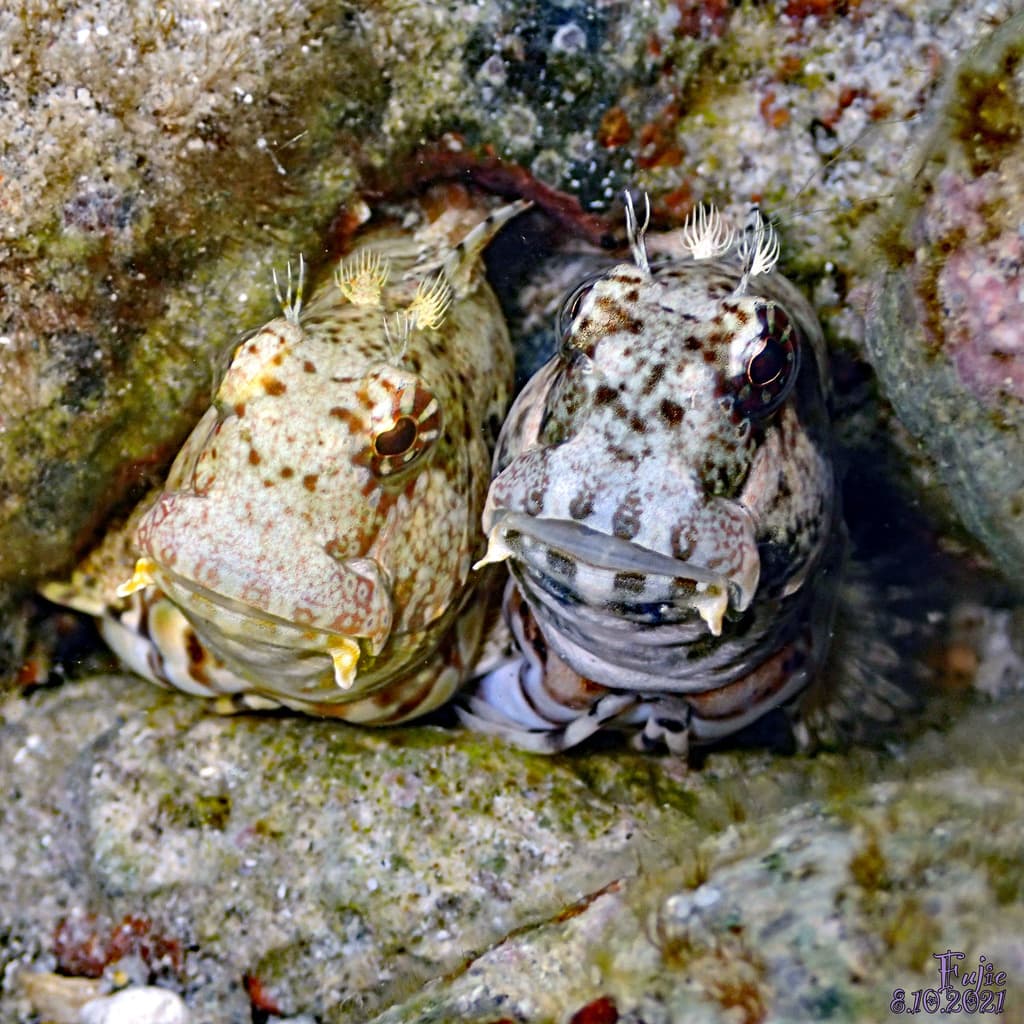
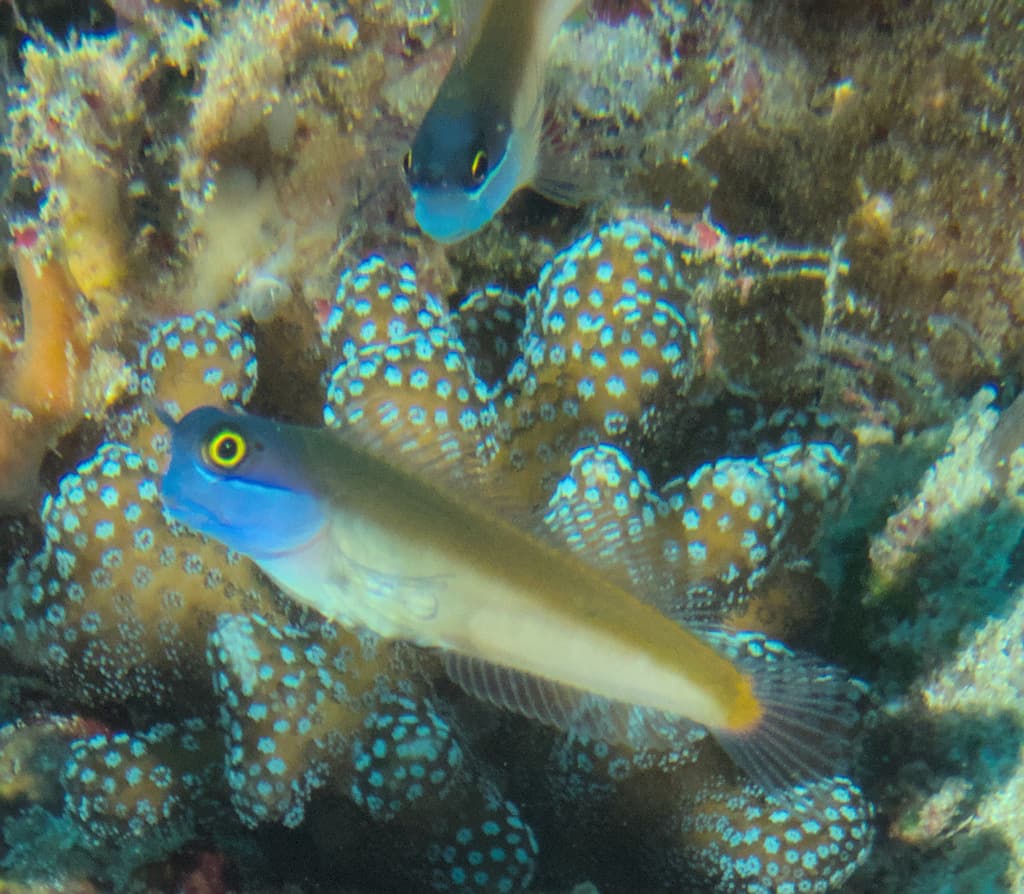
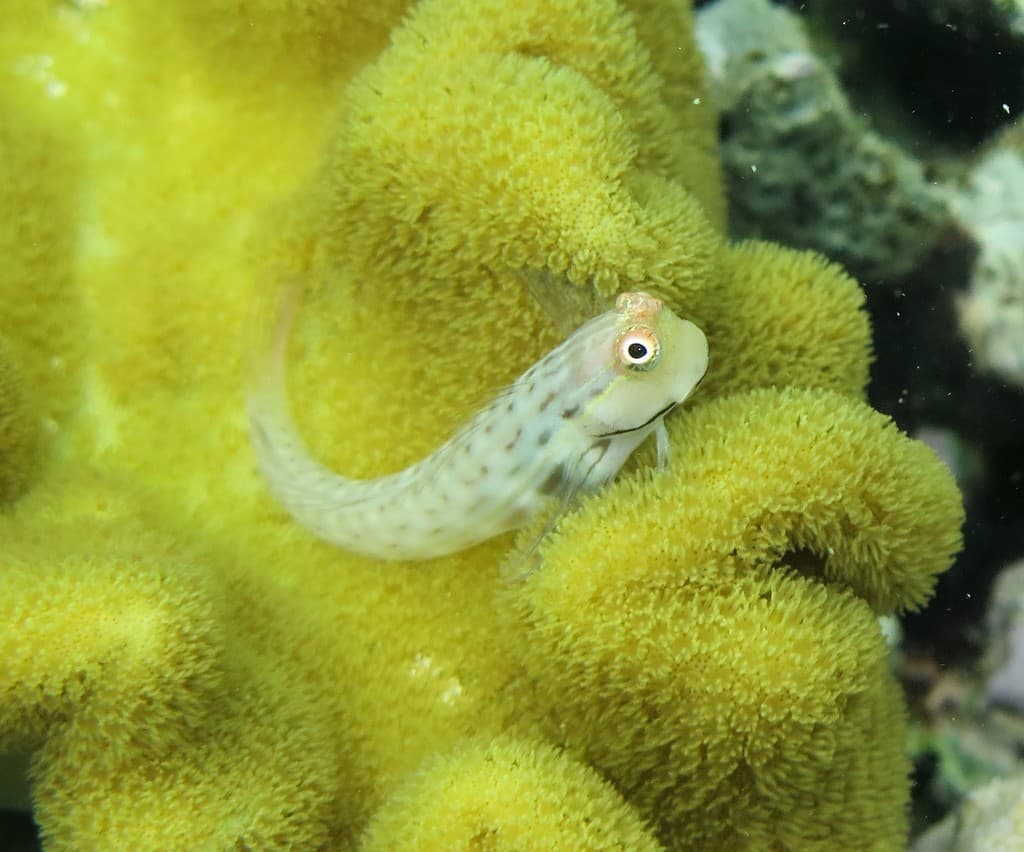
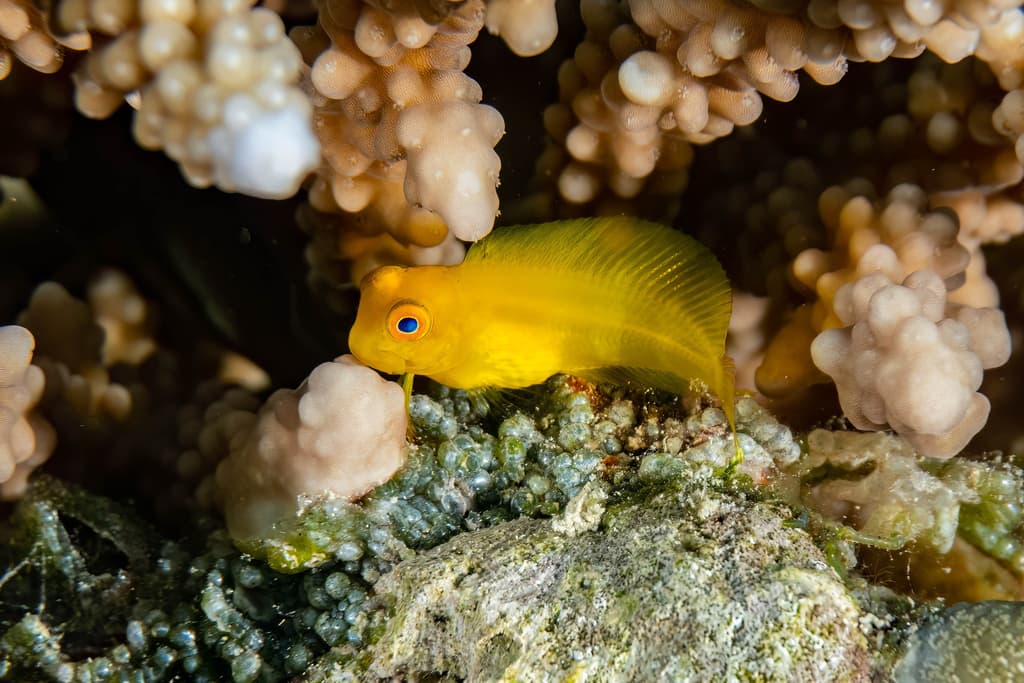
The Highfin Blenny is a robust and industrious algae-eating blenny found throughout the Indo-Pacific region. Its body is typically a uniform dark brown to black, sometimes with faint mottling or lighter patches along the flanks. The species gets its common name from its notably tall dorsal fin, which can be raised into an impressive sail-like display. The face features the characteristically blunt head profile of algae-grazing blennies, with thick lips adapted for scraping and large, watchful eyes that give it an alert and intelligent appearance.
In the wild, the Highfin Blenny is a dedicated herbivore found in shallow reef environments, lagoons, and tide pools. It spends virtually its entire day grazing on filamentous algae, diatoms, and cyanobacteria growing on dead coral, rubble, and rocky surfaces. Its grazing territory is relatively small but vigorously defended against other herbivorous fish. This tireless feeding habit makes the Highfin Blenny one of the most effective natural algae control agents available for marine aquariums, rivaling the popular Lawnmower Blenny in its ability to keep surfaces clean.
The Highfin Blenny is a hardy and easy-to-keep species that adapts well to aquarium life. It is completely reef-safe and will not harm corals or invertebrates, focusing its grazing exclusively on algae. However, prospective keepers should ensure their aquarium has sufficient algae growth or provide ample supplemental vegetable-based foods, as the Highfin Blenny has a voracious appetite for plant matter. It is peaceful toward dissimilar species but can be territorial with other blennies or herbivorous fish competing for the same food source.
Feeding & Diet
Herbivore
The Highfin Blenny is a voracious herbivore that feeds primarily on filamentous algae, diatoms, and cyanobacteria. In aquariums, it will aggressively graze on algae growing on live rock, glass, and other surfaces. Supplement heavily with nori sheets, Spirulina flakes, algae wafers, and blanched vegetables. If natural algae is insufficient, this species can lose condition, so regular supplemental feeding is important. Feed vegetable-based foods at least twice daily.
Compatibility
reef-safepeacefulalgae-eatercommunity-safebeginner-friendly
The Highfin Blenny is peaceful toward most tankmates but can be territorial toward other algae-grazing blennies, particularly lawnmower blennies and other Atrosalarias or Salarias species. Best kept as the sole herbivorous blenny in tanks under 75 gallons. Compatible with clownfish, wrasses, gobies, cardinalfish, tangs, and most community reef species. Completely reef-safe with all corals and invertebrates.
Check CompatibilityBreeding
Difficult
Highfin Blennies are egg-layers that deposit adhesive eggs in sheltered crevices. The male guards and aerates the eggs until hatching. Males may display a taller dorsal fin and slightly larger body size. Larvae are pelagic and tiny, requiring rotifers and phytoplankton as first foods. Captive breeding is uncommon and challenging due to the difficulty of raising pelagic larvae.
Special Requirements
- Requires substantial algae growth or heavy supplemental feeding with vegetable-based foods
- Excellent algae control for reef aquariums
- May become territorial toward other herbivorous blennies
- Tall dorsal fin is raised during displays and territorial interactions
- Provide plenty of rockwork surfaces for grazing
- Secure lid recommended to prevent jumping
Water Parameters
Temperature72–82°F
Specific Gravity1.02–1.026 sg
pH8–8.4
Alkalinity8–12 dKH
Coloration
brownblack
Tags
reef-safepeacefulalgae-eatercommunity-safebeginner-friendly