BeginnerPeacefulReef SafeIUCN: Not Evaluated
Blackspot Blenny
Ecsenius stictus
Family: Blenniidae · Blennies
Also known as: Great Barrier Reef Blenny, Spotted Combtooth Blenny
(c) kittsw, some rights reserved (CC BY-NC)
Max Size
2.5"
Min Tank
30 gal
Lifespan
3-5 years
Origin
Western Pacific, Great Barrier Reef
Diet
Herbivore
Swims
Bottom
Did You Know?
- The prominent black spot near the tail is thought to serve as a false eyespot, confusing predators about which end of the fish is the head
- Ecsenius blennies have specialized comb-like teeth perfectly adapted for scraping microalgae from hard surfaces
- The Blackspot Blenny can change its body coloration slightly to better blend with its surroundings
About
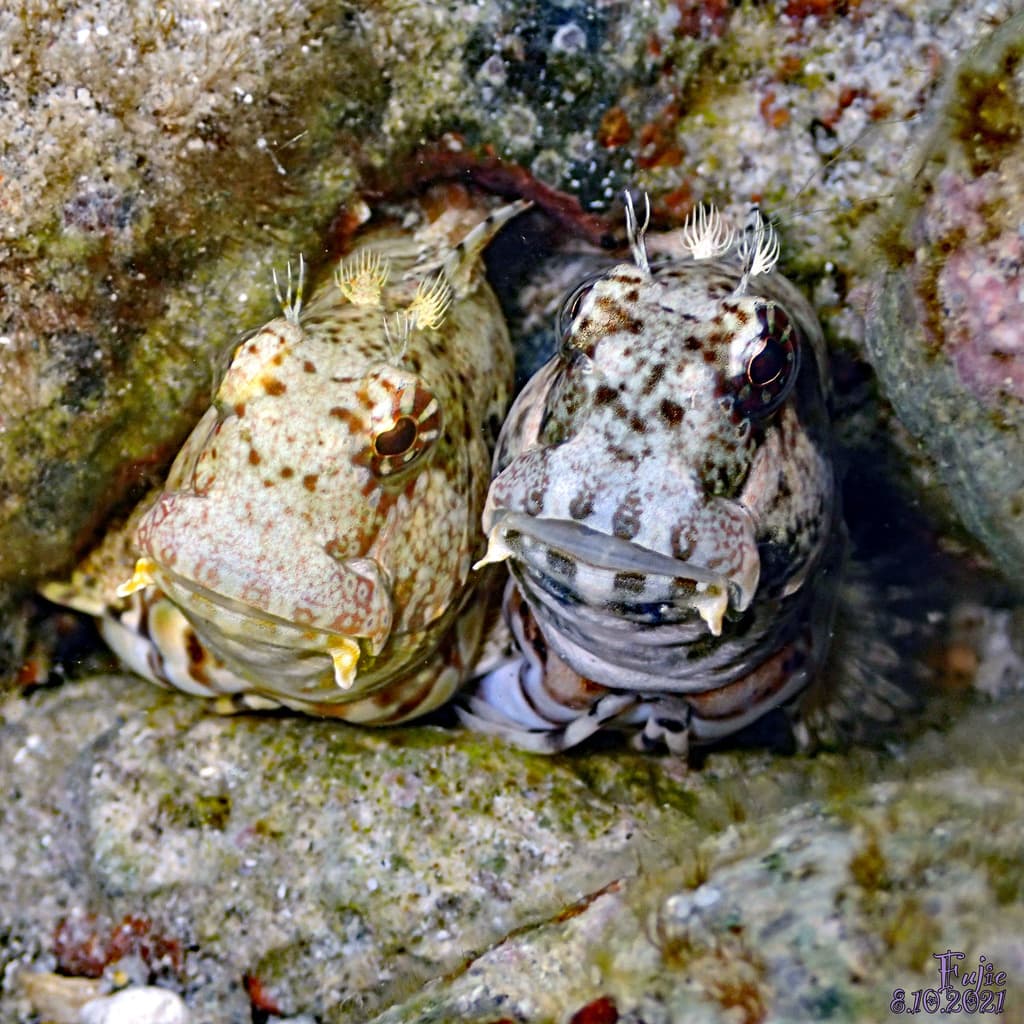
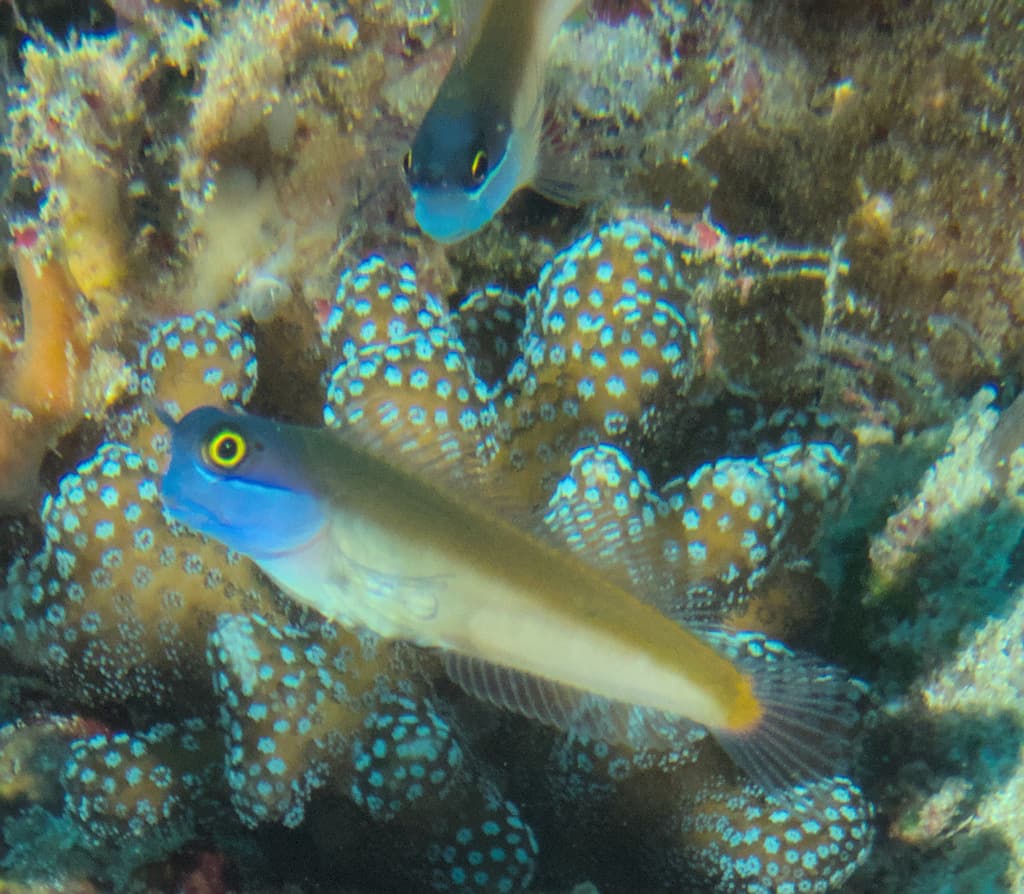
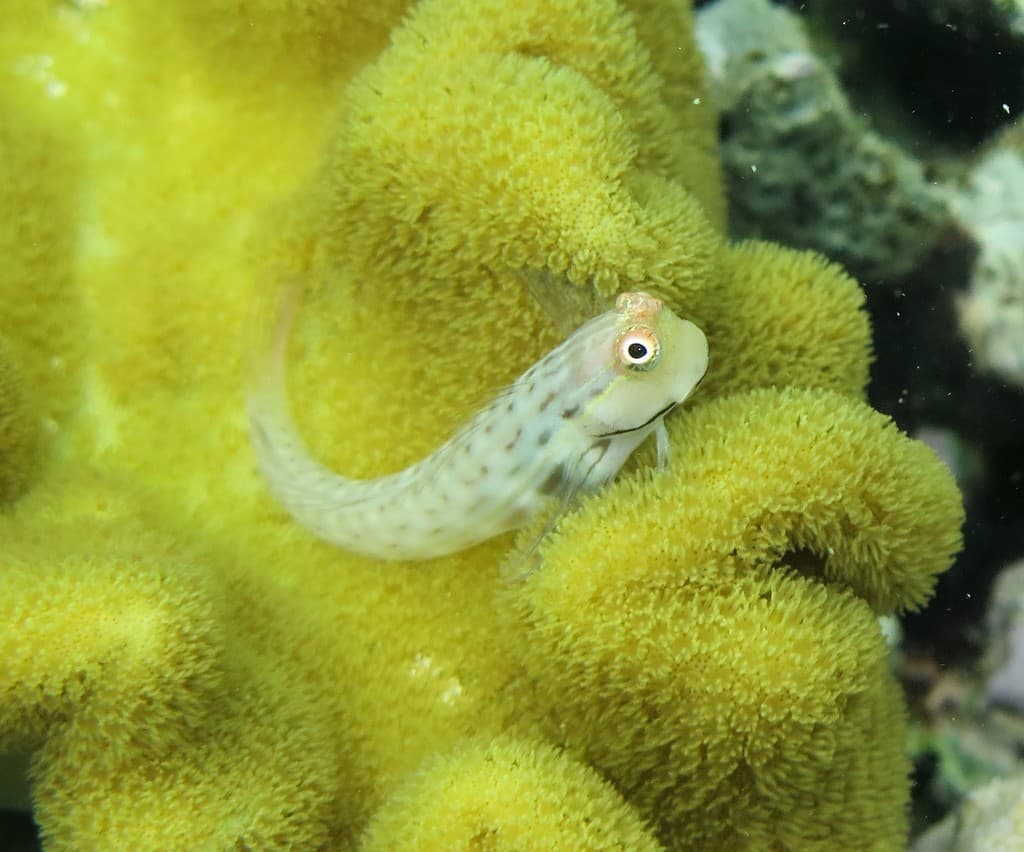
The Blackspot Blenny is a charming and compact combtooth blenny native to the Western Pacific, where it inhabits coral-rich reef slopes and lagoons. Its most distinctive feature is a prominent dark black spot located on the posterior portion of the body near the base of the tail, which contrasts sharply against its otherwise pale to light brown body. The face often shows subtle mottling and the characteristic large, expressive eyes that make Ecsenius blennies so endearing to aquarists.
In the wild, the Blackspot Blenny is a dedicated herbivore that spends its days methodically grazing on microalgae and diatoms growing on rock surfaces. It perches on coral rubble and live rock using its modified pelvic fins, darting between grazing spots with quick, energetic bursts. This constant algae-grazing behavior makes it a functional and beneficial addition to reef aquariums, where it helps control nuisance algae growth on rockwork and glass.
The Blackspot Blenny is an ideal reef fish for beginners due to its hardiness, peaceful disposition, and small size. It requires only a modest tank with established live rock that supports a healthy film of microalgae. While it will accept prepared foods, ensuring access to natural algae growth is important for long-term health. It is completely reef-safe and ignores corals and invertebrates entirely, focusing its attention solely on algae.
Feeding & Diet
Herbivore
The Blackspot Blenny is a dedicated herbivore that grazes primarily on microalgae and diatoms in the wild. In captivity, it will graze on algae growing on live rock and aquarium glass. Supplement with Spirulina flakes, nori sheets, and algae-based pellets. It may also accept frozen preparations containing vegetable matter. Ensure the tank has mature live rock with natural algae growth. Feed supplemental foods once to twice daily.
Compatibility
reef-safepeacefulalgae-eatercommunity-safebeginner-friendly
The Blackspot Blenny is one of the most peaceful reef fish available. It is compatible with virtually all community reef fish including clownfish, gobies, cardinalfish, wrasses, and tangs. May show minor territorial behavior toward other combtooth blennies if space is limited. Completely reef-safe and will not bother corals, clams, or invertebrates. Its small size means it should not be housed with large predatory fish.
Check CompatibilityBreeding
Difficult
Blackspot Blennies are egg-layers that deposit eggs in small crevices or empty shells. The male guards the eggs until hatching. Sexual dimorphism is minimal, though males may be slightly larger. Larvae are tiny and pelagic, requiring phytoplankton and rotifers as first foods. Captive breeding is rarely attempted and seldom successful in home aquariums.
Special Requirements
- Requires mature live rock with natural algae growth for grazing
- Perches on rockwork using modified pelvic fins
- Best kept singly unless tank is large with abundant territory
- Peaceful with all other species but may quarrel with similar blennies
- Secure lid recommended as blennies can jump
Water Parameters
Temperature72–82°F
Specific Gravity1.02–1.026 sg
pH8–8.4
Alkalinity8–12 dKH
Coloration
browntanblack
Tags
reef-safepeacefulalgae-eatercommunity-safebeginner-friendly