BeginnerPeacefulReef Safe
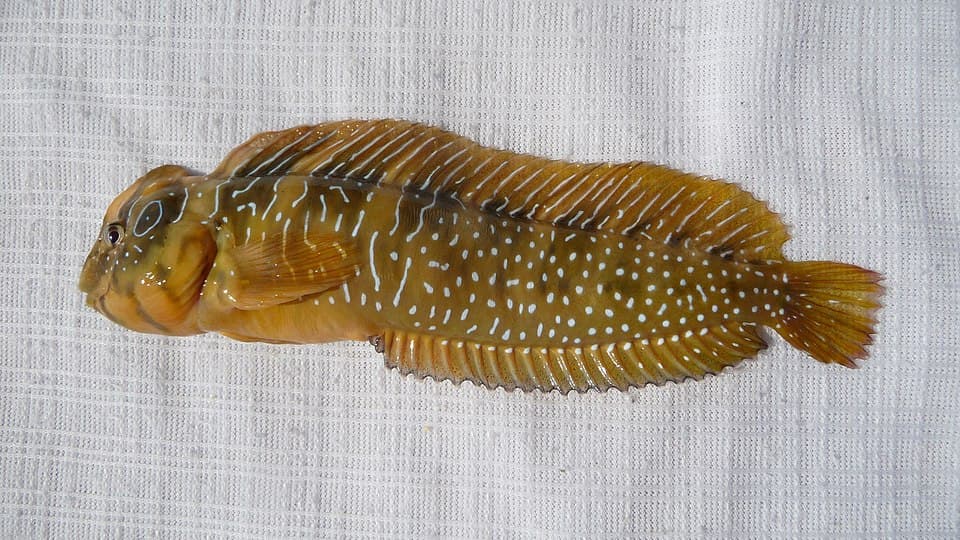
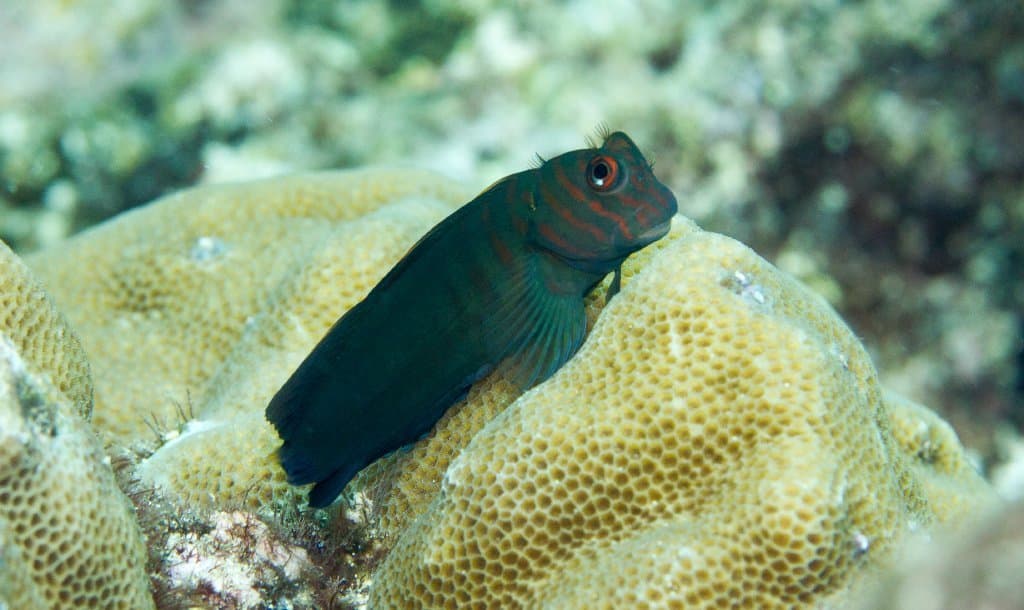
Flaming Blenny
Cirripectes castaneus
Family: Blenniidae · Blennies
Also known as: Chestnut Blenny, Chestnut Eyelash Blenny
(c) Hickson Fergusson, all rights reserved
Max Size
5"
Min Tank
30 gal
Lifespan
4-6 years
Origin
Indo-Pacific, Red Sea
Diet
Herbivore
Swims
Bottom
About
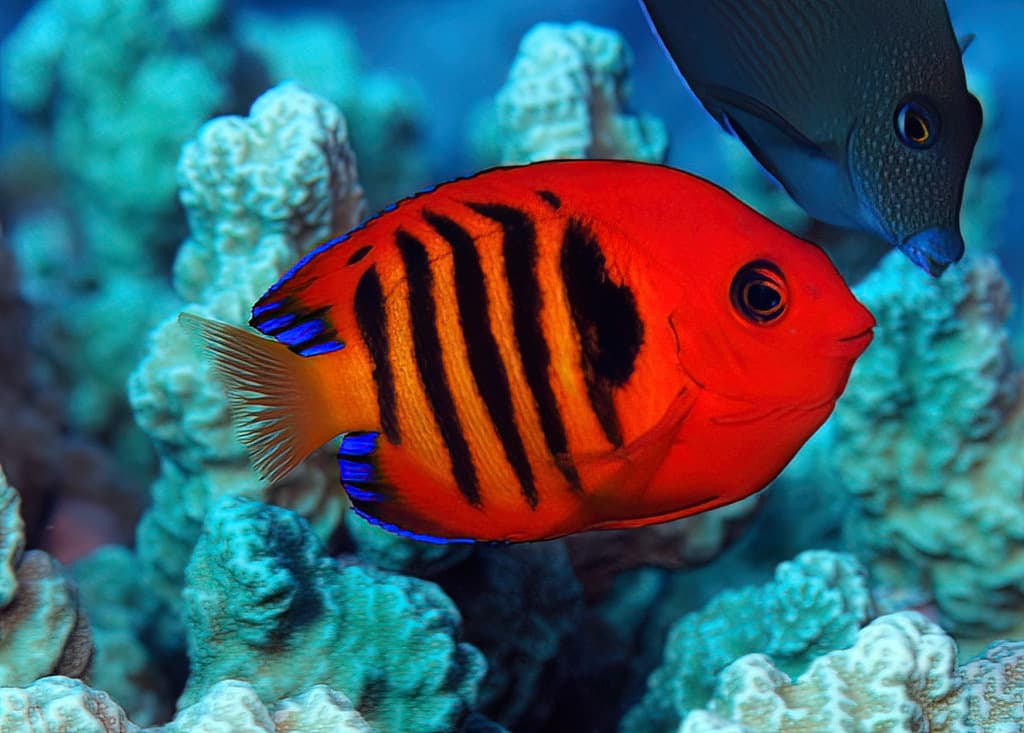
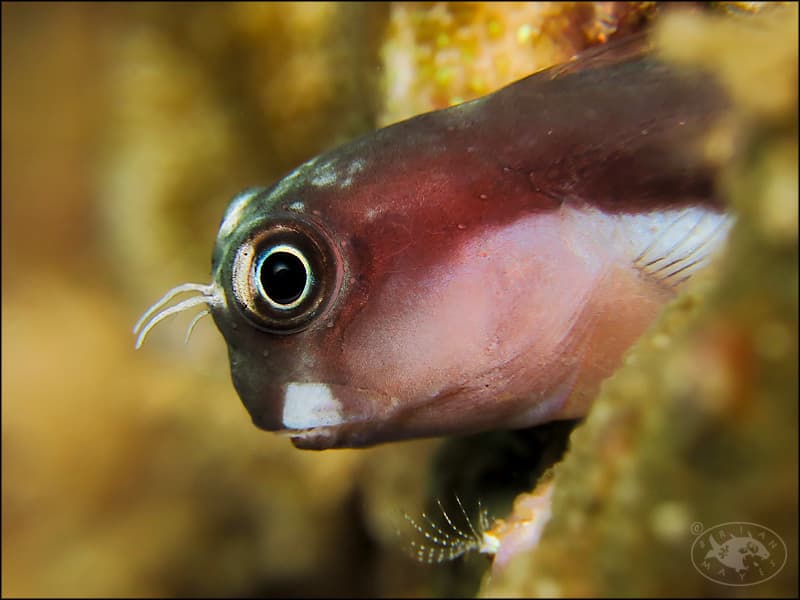
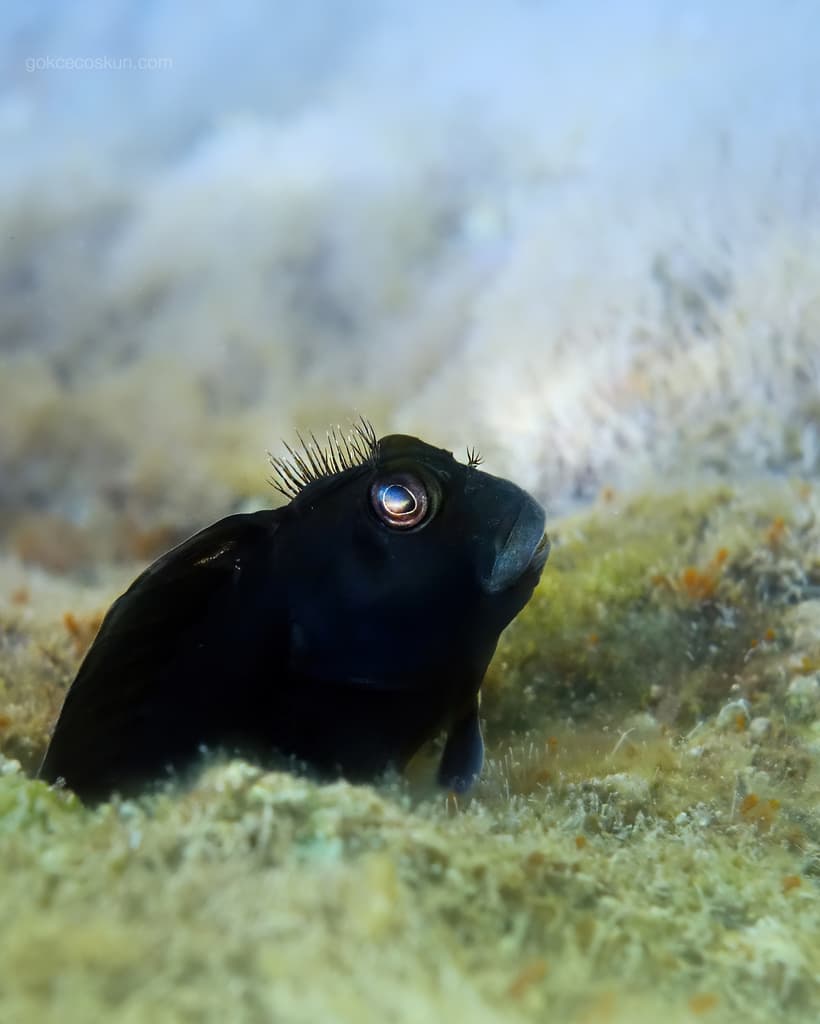
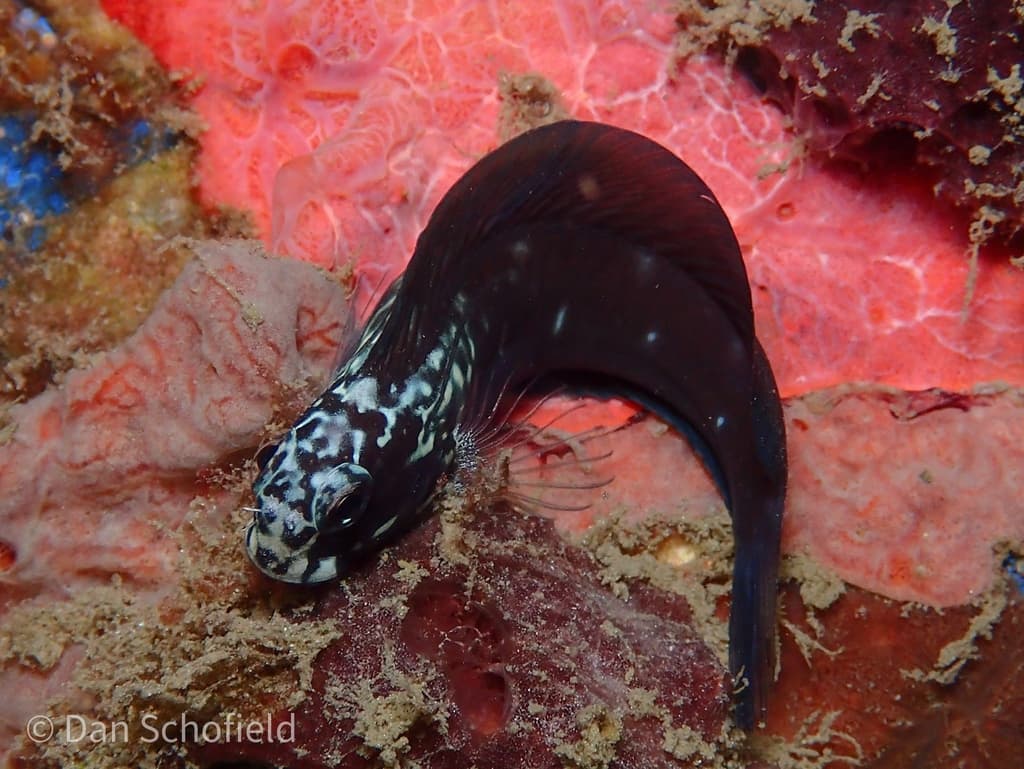
The Flaming Blenny is a robust combtooth blenny named for its warm red-brown to chestnut coloration that can appear to glow like embers under reef aquarium lighting. This species is a member of the Cirripectes genus, sharing the characteristic fringed cirri above the eyes and the active algae-grazing lifestyle common to the group. Its rich, warm tones make it one of the more colorful algae-grazing blennies available.
In the wild, the Flaming Blenny is found across a wide range of the Indo-Pacific, from the Red Sea to the Western Pacific, inhabiting shallow coral reefs and rocky areas where it grazes continuously on filamentous microalgae. It is an energetic species that spends its day hopping between rocks, scraping algae with its comb-like teeth, and retreating to favorite crevices when threatened.
The Flaming Blenny is an excellent aquarium fish that combines attractive coloration with practical algae control. It is hardy, peaceful, and easy to care for, making it suitable for beginner aquarists. Its active grazing behavior keeps rockwork clean and contributes to overall tank maintenance. Like other Cirripectes species, it should be kept singly unless the aquarium is large enough to support separate territories, as it may be aggressive toward similar-looking blennies.
Feeding & Diet
Herbivore
The Flaming Blenny is an herbivore that grazes on filamentous microalgae. In captivity, provide Spirulina-based flake or pellet foods, marine algae sheets (nori), and frozen vegetable preparations. It will accept frozen mysis shrimp as occasional supplemental protein. A tank with natural algae growth on live rock is ideal for continuous grazing. Feed two to three times daily.
Compatibility
reef-safepeacefulalgae-grazerbeginner-friendlycommunity-safe
The Flaming Blenny is peaceful toward most tankmates but can be territorial toward other blennies and similar bottom-dwelling fish. Keep only one per tank unless the aquarium is large. Compatible with clownfish, tangs, wrasses, gobies, and most community reef fish. Completely reef-safe and will not harm corals or invertebrates.
Check CompatibilityBreeding
Difficult
Flaming Blennies are egg-layers that deposit adhesive eggs in crevices. The male guards the eggs until hatching. Captive breeding is rarely attempted and larvae are planktonic, requiring specialized first foods such as rotifers.
Special Requirements
- Provide ample rockwork with crevices for perching and hiding
- Benefits from natural algae growth on live rock
- Keep singly to avoid aggression with similar blennies
- Secure lid recommended - blennies are known jumpers
- Supplement with algae-based foods if natural algae is limited
Water Parameters
Temperature74–80°F
Specific Gravity1.02–1.026 sg
pH8.1–8.4
Alkalinity8–12 dKH
Coloration
redbrownchestnutorange
Tags
reef-safepeacefulalgae-grazerbeginner-friendlycommunity-safe