IntermediateSemi-AggressiveNot Reef Safe
Singapore Angel
Chaetodontoplus mesoleucus
Family: Pomacanthidae · Large Angelfish
Also known as: Singapore Angelfish, Vermiculated Angelfish, Red Sea Angelfish
(c) Tsu Soo Tan, some rights reserved (CC BY-NC)
Max Size
7"
Min Tank
125 gal
Lifespan
8-12 years
Origin
Western Pacific, Indonesia
Diet
Omnivore
Swims
Middle
About
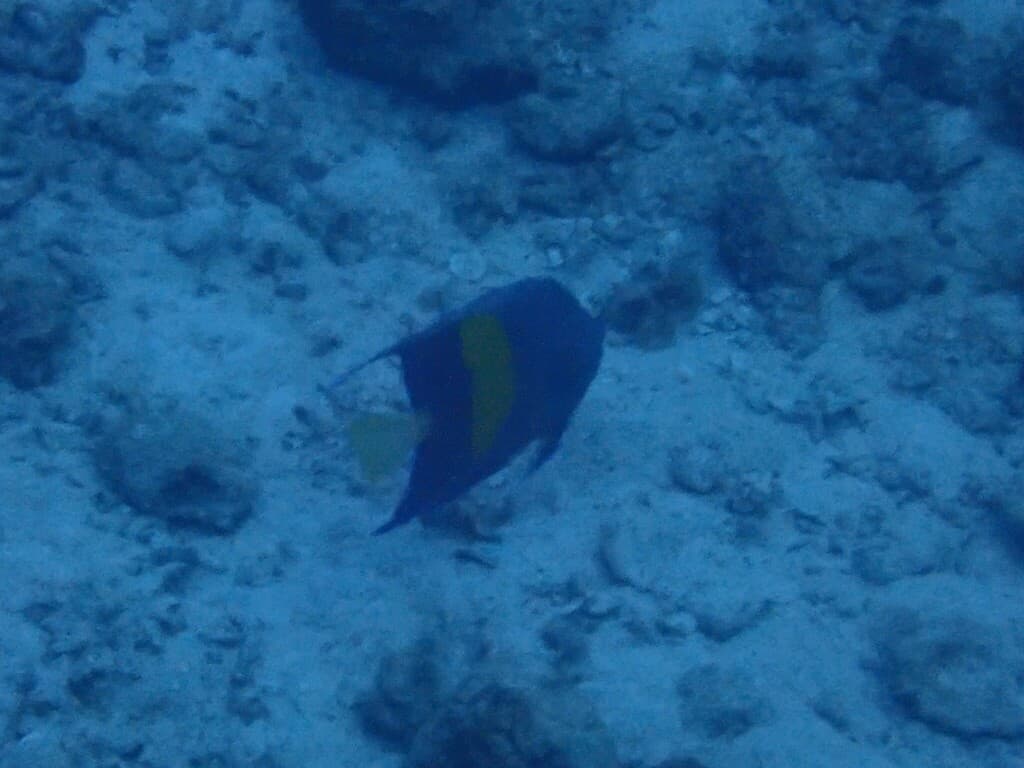
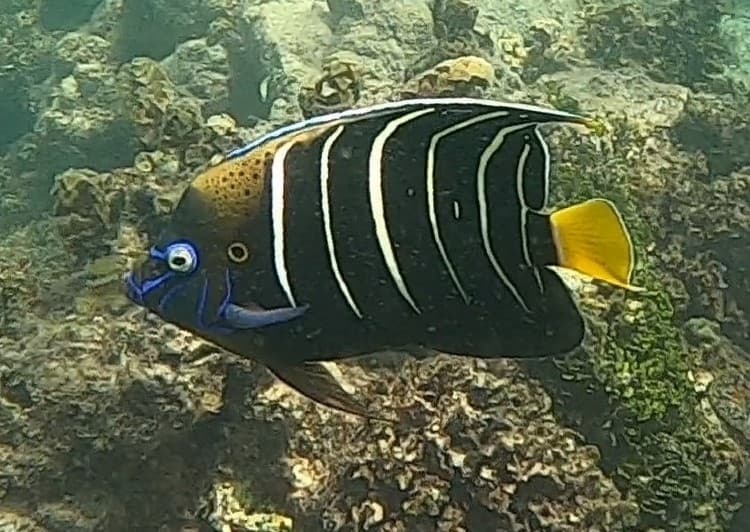
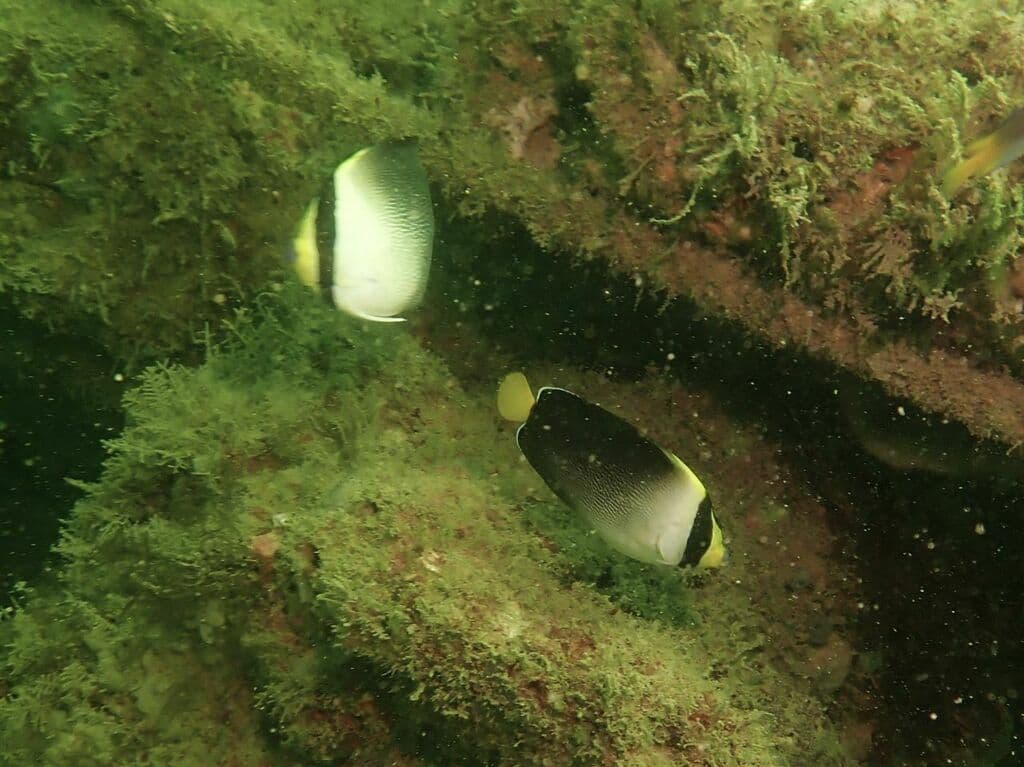
The Singapore Angel is a modestly sized but beautifully patterned angelfish that features a striking two-tone color scheme. The anterior portion of the body displays a bright yellow to golden head and chest, while the posterior half transitions to a dark gray to black body. A thin white vertical band separates the two color zones. The caudal fin is yellow, and the dorsal and anal fins show blue edging. This clean, high-contrast color pattern makes it an attractive addition to fish-only marine aquariums.
This species is one of the more affordable and available members of the Chaetodontoplus genus, making it more accessible to intermediate aquarists compared to its rarer relatives. It adapts reasonably well to captive conditions, though new imports may be shy initially and reluctant to accept prepared foods. Offering frozen mysis shrimp and live brine shrimp can help coax reluctant feeders. Once feeding is established, the Singapore Angel becomes a confident and active aquarium inhabitant.
A 125-gallon aquarium is recommended as the minimum for the Singapore Angel, which reaches approximately 7 inches in captivity. It is not considered reef-safe and will nip at corals, sponges, and clam mantles. Its semi-aggressive temperament makes it compatible with a range of community fish, though it should not be housed with other angelfish in standard-sized tanks.
Feeding & Diet
Omnivore
Singapore Angels are omnivores that feed on sponges, tunicates, algae, and small invertebrates in the wild. In captivity, offer angelfish preparations containing marine sponge, frozen mysis shrimp, enriched brine shrimp, Spirulina flakes, and nori seaweed. New specimens may be picky initially but usually accept frozen foods within a week. Feed two to three times daily.
Compatibility
not-reef-safesemi-aggressivecommunity-compatiblecoral-nipperfish-only-preferred
The Singapore Angel is semi-aggressive and territorial toward other angelfish and similarly shaped species. It coexists well with tangs, wrasses, and other community species that are not angelfish. Only one per tank unless the system is very large. Not reef-safe. Generally peaceful toward dissimilar tankmates but will defend its territory.
Check CompatibilityBreeding
Not bred in captivity
Singapore Angels have not been bred in home aquariums. Like other Chaetodontoplus species, they are believed to form haremic groups in the wild. Captive breeding has not been achieved due to challenges in pairing and the extended pelagic larval phase.
Special Requirements
- Not reef-safe - will nip at corals and sponges
- New imports may be slow to accept prepared foods
- Provide abundant live rock with grazing surfaces
- Good water quality essential for long-term health
- Only one angelfish per tank in standard-sized systems
Water Parameters
Temperature72–80°F
Specific Gravity1.02–1.026 sg
pH8.1–8.4
Alkalinity8–12 dKH
Coloration
yellowblackwhitebluegray
Tags
not-reef-safesemi-aggressivecommunity-compatiblecoral-nipperfish-only-preferred