BeginnerPeacefulReef Safe
Nebulous Wrasse
Halichoeres nebulosus
Family: Labridae · Wrasses
Also known as: Clouded Wrasse, Nebula Wrasse, Cloud Wrasse
(c) Ian Shaw, all rights reserved
Max Size
5"
Min Tank
55 gal
Lifespan
5-8 years
Origin
Indo-Pacific, Indonesia
Diet
Carnivore
Swims
Bottom
About
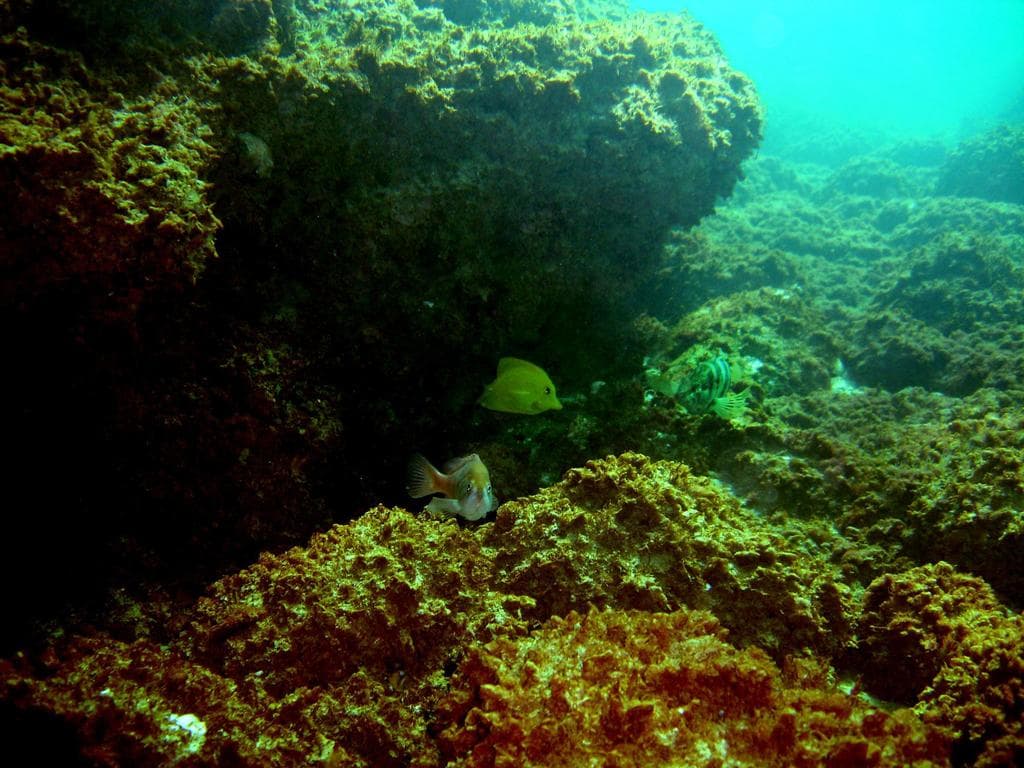
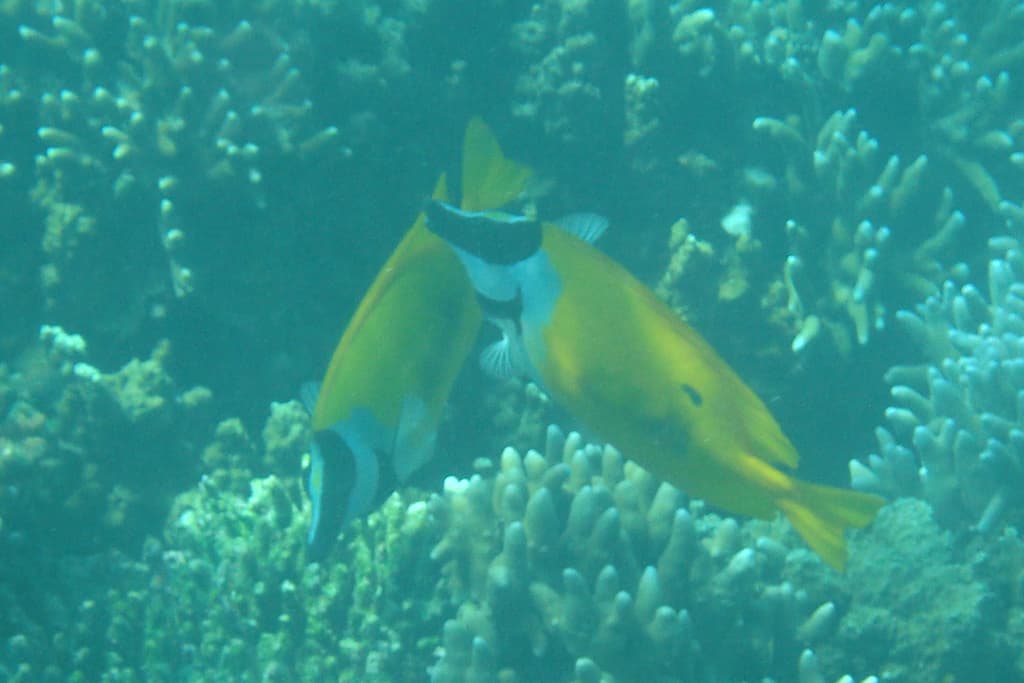
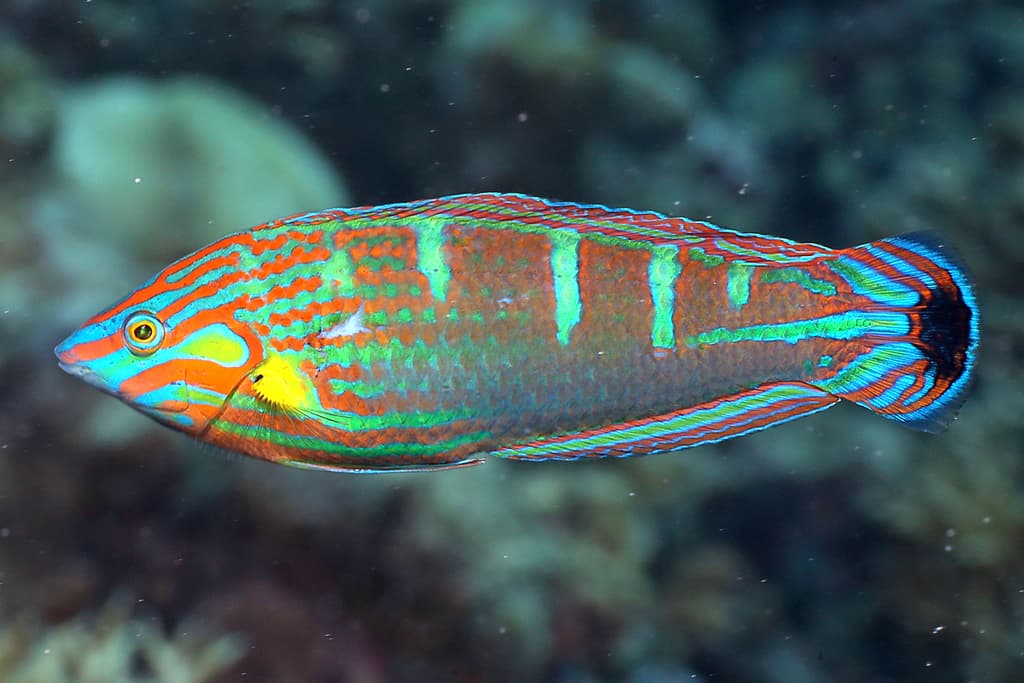
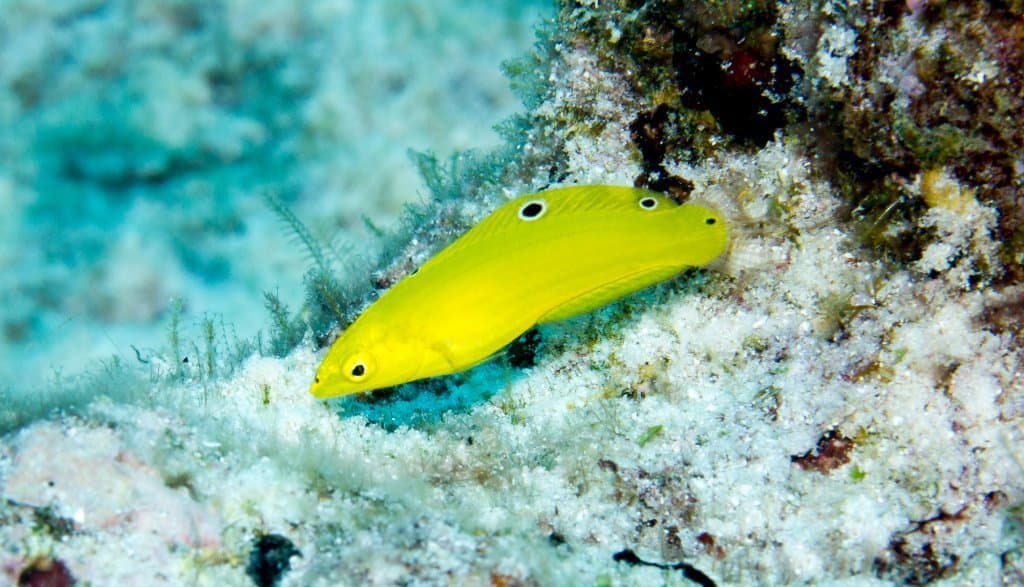
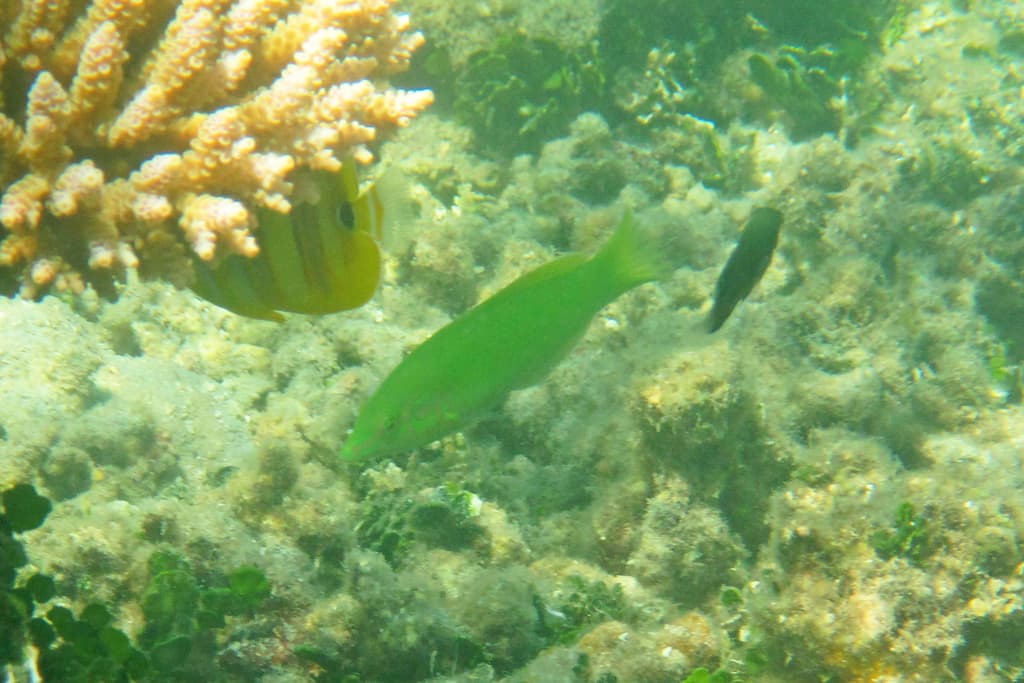
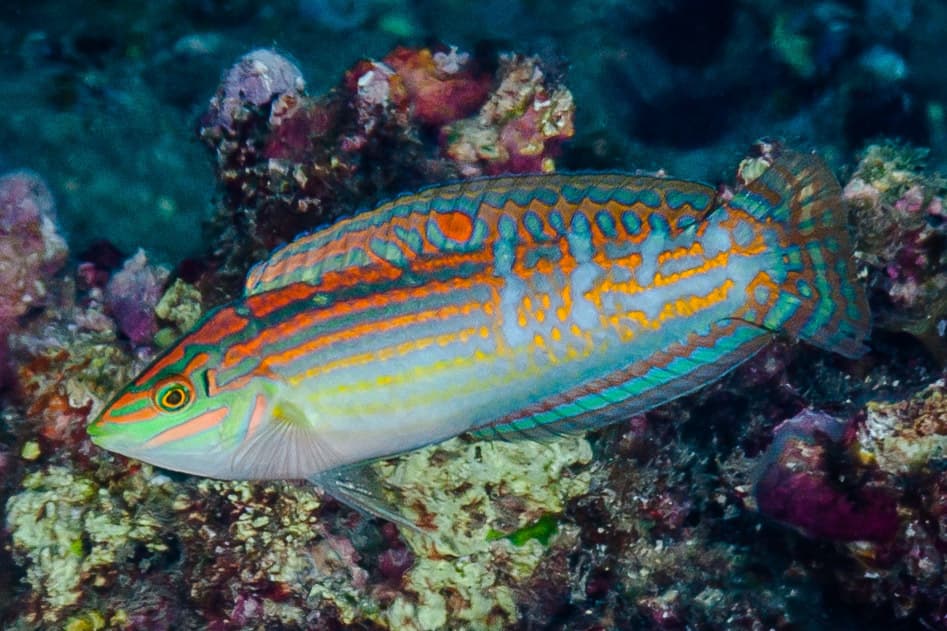
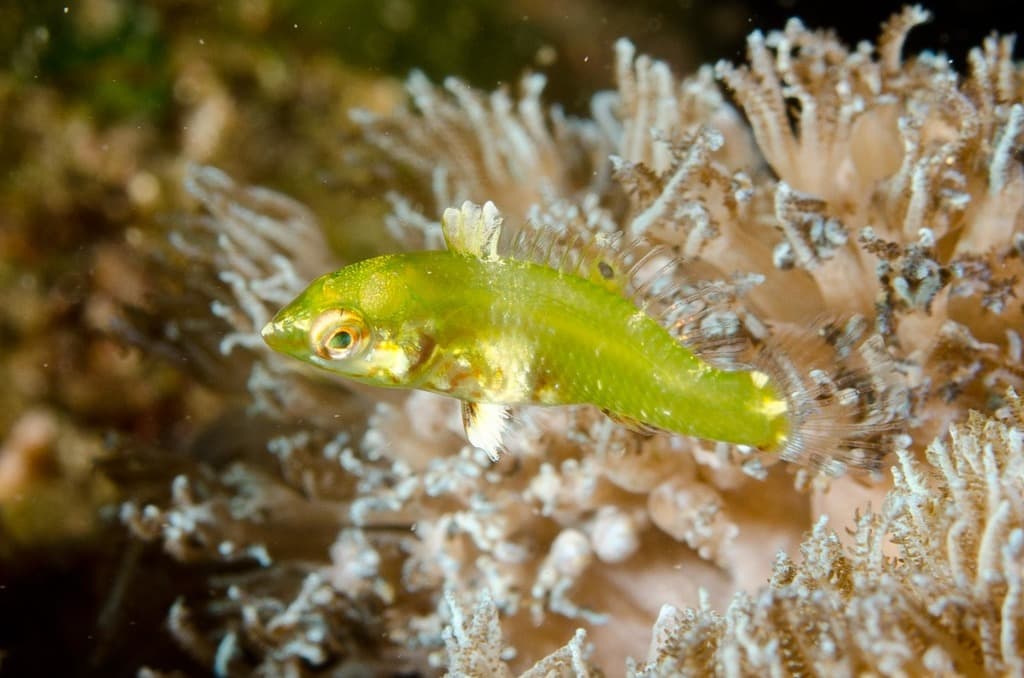
The Nebulous Wrasse is a small, peaceful Halichoeres species named for its cloudy or nebulous patterning. It displays a subtle but attractive combination of green, yellow, and white tones with soft, diffuse markings that give it a distinctly clouded appearance. Males develop more vivid coloration with brighter green hues and more defined markings.
This species is one of the easier wrasses to keep in a reef aquarium, combining excellent pest control abilities with complete reef safety and a peaceful temperament. The Nebulous Wrasse actively hunts flatworms, pyramidellid snails, bristleworms, and other pest invertebrates throughout the day, making it a highly functional addition to any reef system. It will not harm corals, clams, or larger ornamental invertebrates.
Like other Halichoeres wrasses, the Nebulous Wrasse is a sand sleeper that buries itself in the substrate at night. A sand bed of at least two inches is necessary for this behavior, and a tight-fitting lid is essential as this species is prone to jumping when startled. Its small size, peaceful nature, and hardiness make it an excellent choice for moderate-sized reef aquariums.
Feeding & Diet
Carnivore
The Nebulous Wrasse feeds on small benthic invertebrates, worms, and crustaceans in the wild. In captivity, it readily accepts frozen mysis shrimp, brine shrimp, chopped seafood, and marine pellets. It actively hunts aquarium pests including flatworms and bristleworms. Feed two to three times daily for optimal health.
Compatibility
reef-safepeacefulpest-controllercommunity-safebeginner-friendly
The Nebulous Wrasse is peaceful and compatible with most reef community fish. It is safe with corals, clams, and larger ornamental invertebrates. May occasionally spar with other Halichoeres wrasses in smaller tanks. It will consume small pest invertebrates but poses no threat to desired aquarium inhabitants.
Check CompatibilityBreeding
Not bred in captivity
Nebulous Wrasses are protogynous hermaphrodites. Spawning occurs in the water column with pelagic eggs. Captive breeding has not been achieved for this species. All specimens are wild-caught.
Special Requirements
- Sand substrate of 2+ inches required for sleeping
- Tight-fitting lid essential - known jumper
- Excellent pest controller for flatworms and bristleworms
- Active swimmer requiring adequate swimming space
- Best added after more timid species are established
Water Parameters
Temperature74–80°F
Specific Gravity1.02–1.026 sg
pH8.1–8.4
Alkalinity8–12 dKH
Coloration
greenyellowwhitebrown
Tags
reef-safepeacefulpest-controllercommunity-safebeginner-friendly