BeginnerPeacefulReef Safe
Redhead Wrasse
Halichoeres rubricephalus
Family: Labridae · Wrasses
Also known as: Red-Head Wrasse, Redheaded Wrasse
Randall, John E.
Max Size
5"
Min Tank
55 gal
Lifespan
5-8 years
Origin
Indo-Pacific, Western Pacific
Diet
Carnivore
Swims
Middle
About
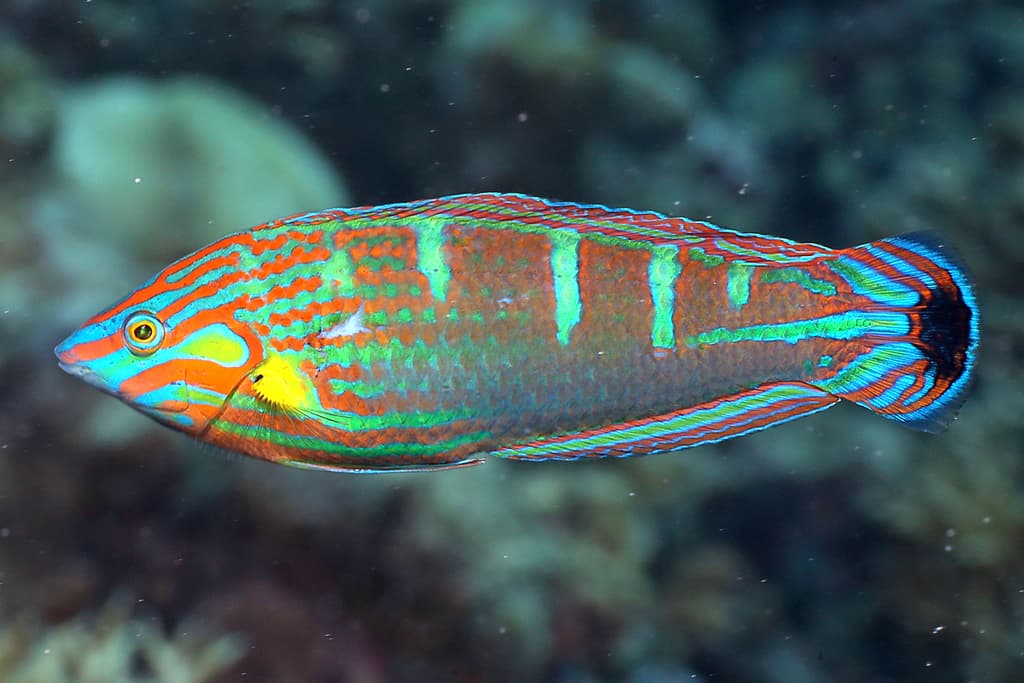
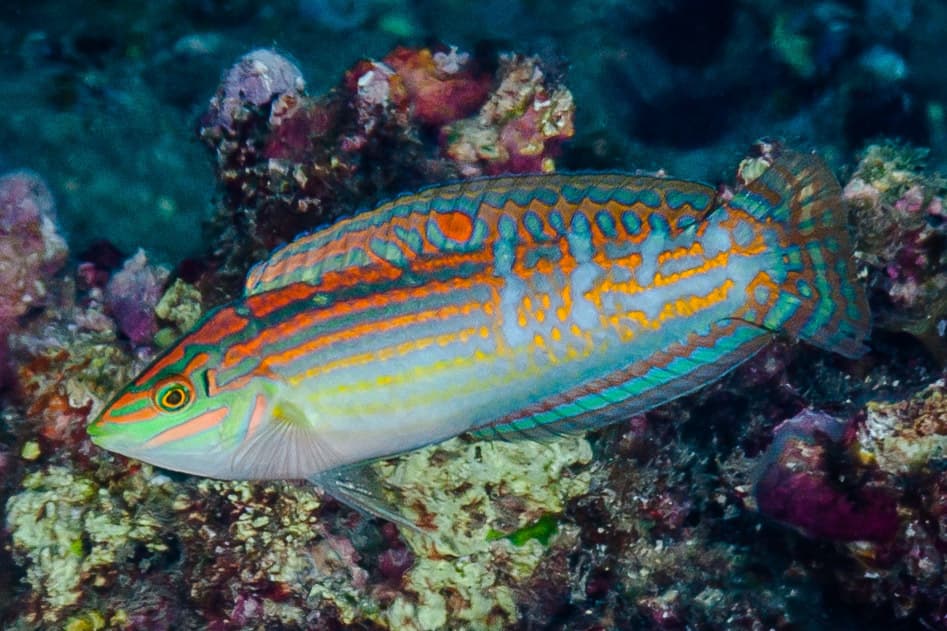
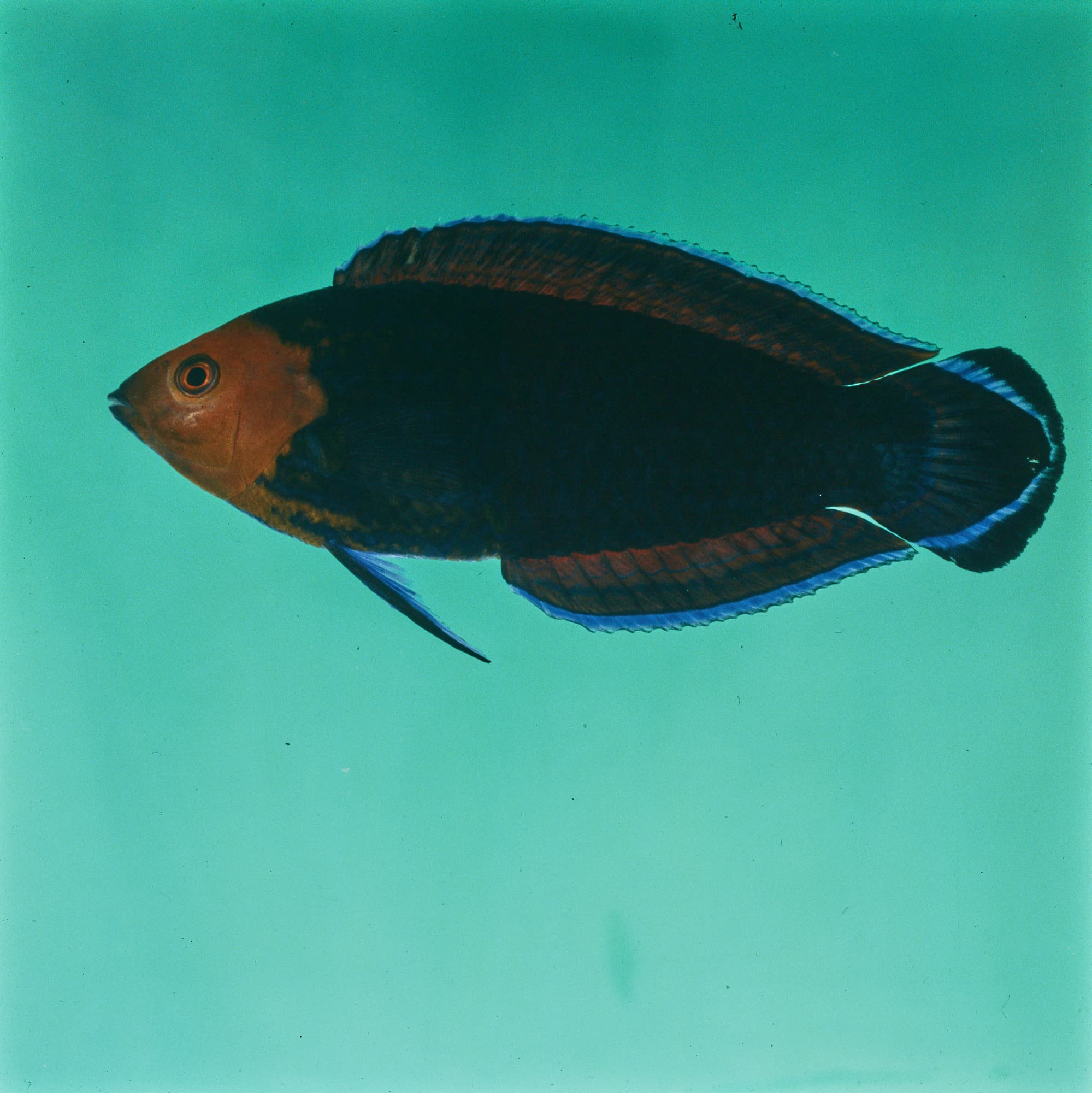
The Redhead Wrasse is a small, attractive Halichoeres species prized for its distinctive red-orange head that contrasts beautifully with its green and yellow body. This compact wrasse is an excellent choice for medium-sized reef aquariums, offering vibrant color, peaceful temperament, and effective pest control in a manageable size.
In the wild, Redhead Wrasses inhabit rubble zones and coral reef flats where they actively hunt small invertebrates and parasites. Their constant foraging behavior translates directly to the aquarium, where they tirelessly patrol rockwork and sand in search of flatworms, pyramidellid snails, bristleworms, and other nuisance organisms. This makes them one of the more effective biological pest controllers available to reef aquarists.
Redhead Wrasses are peaceful and integrate well into community reef setups. They are active swimmers that bring constant motion and color to the aquarium without causing aggression toward tankmates. Like all Halichoeres wrasses, they require a sand bed for sleeping and a tight-fitting lid to prevent jumping. Their small size and easy-going nature make them suitable for a wide range of aquarium setups.
Feeding & Diet
Carnivore
Redhead Wrasses are carnivores that feed on small invertebrates and parasites in the wild. In captivity, they readily accept frozen mysis shrimp, brine shrimp, and finely chopped seafood. High-quality marine pellets and flakes are also taken eagerly. They actively hunt aquarium pests including flatworms and bristleworms. Feed two to three times daily.
Compatibility
reef-safepeacefulpest-controllercommunity-safebeginner-friendly
The Redhead Wrasse is peaceful and compatible with most reef community fish. It coexists well with clownfish, tangs, blennies, gobies, and other peaceful species. It will consume small pest invertebrates but does not harm corals, clams, or ornamental shrimp. May occasionally spar with other small Halichoeres wrasses if space is limited.
Check CompatibilityBreeding
Not bred in captivity
Redhead Wrasses are protogynous hermaphrodites. The dominant female in a group will transition to male. Spawning occurs in the water column with pelagic eggs. Captive breeding has not been achieved. All specimens in the trade are wild-caught.
Special Requirements
- Sand substrate of 2+ inches required for sleeping
- Tight-fitting lid essential - known jumper
- Excellent pest controller for flatworms and bristleworms
- Active swimmer needing adequate open space
- Best added after more timid species are established
Water Parameters
Temperature74–80°F
Specific Gravity1.02–1.026 sg
pH8.1–8.4
Alkalinity8–12 dKH
Coloration
redorangegreenyellow
Tags
reef-safepeacefulpest-controllercommunity-safebeginner-friendly